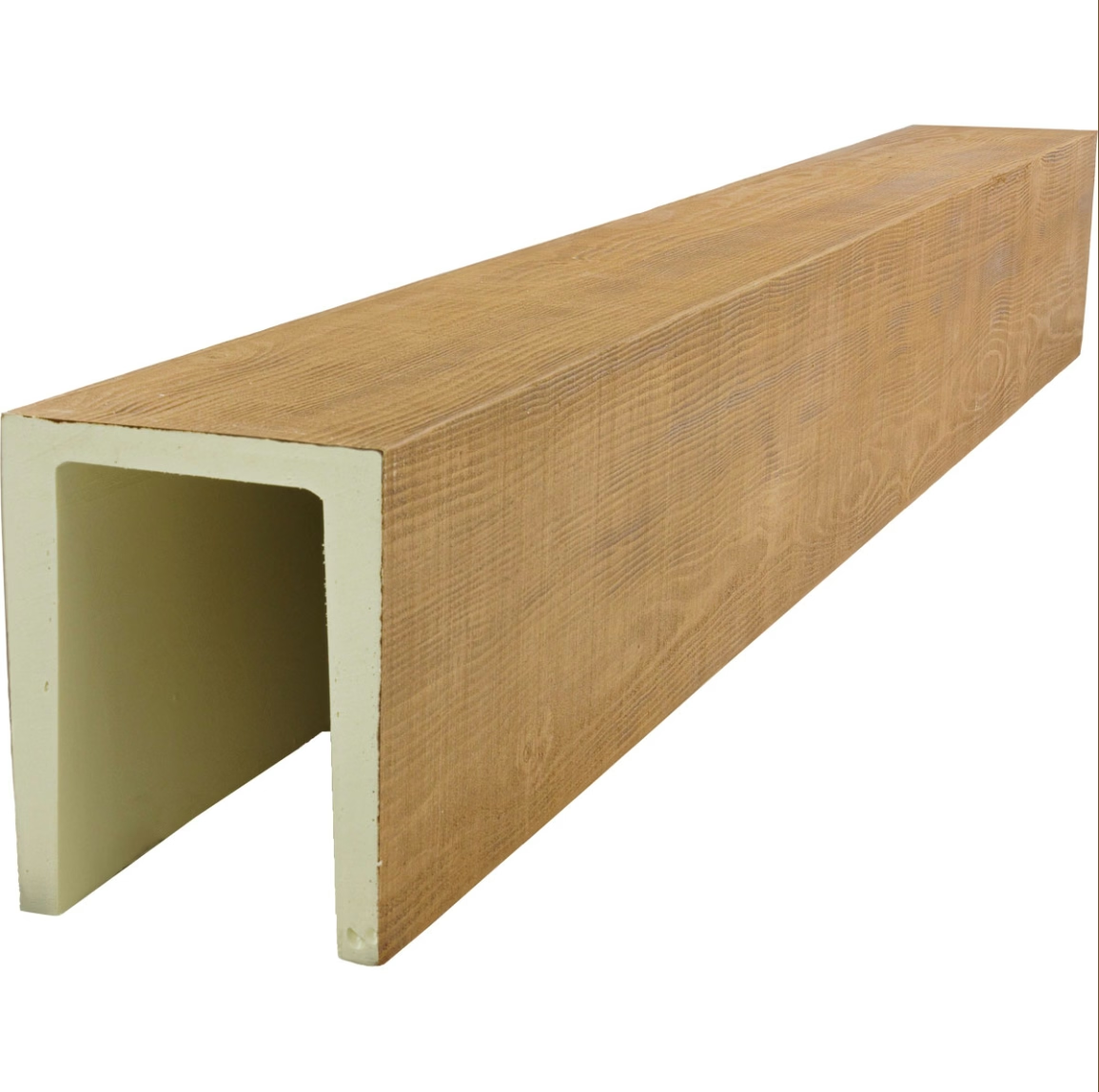
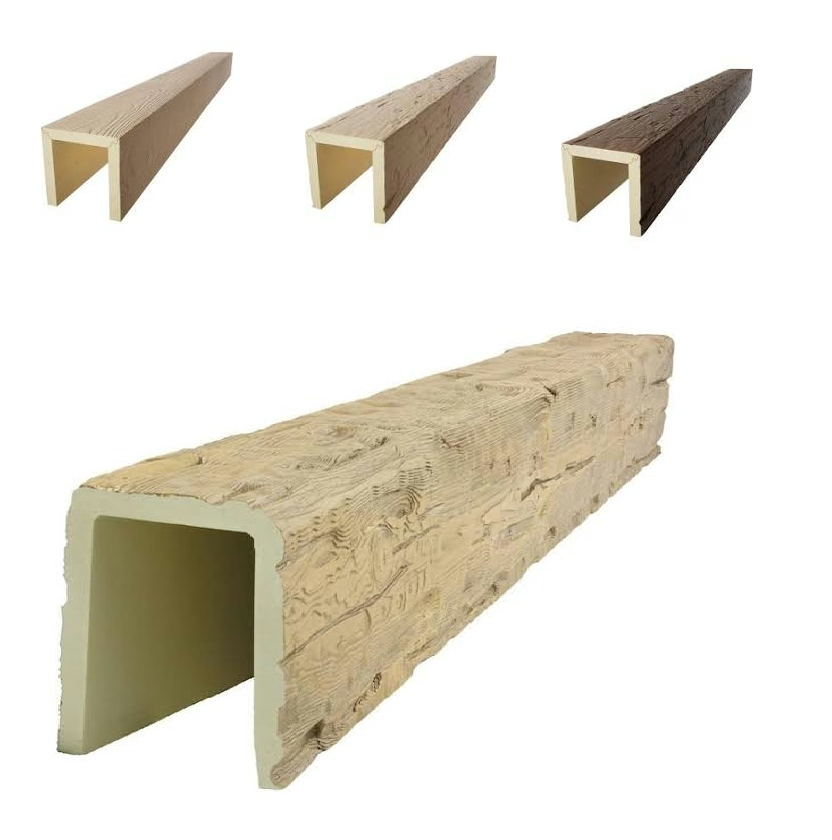
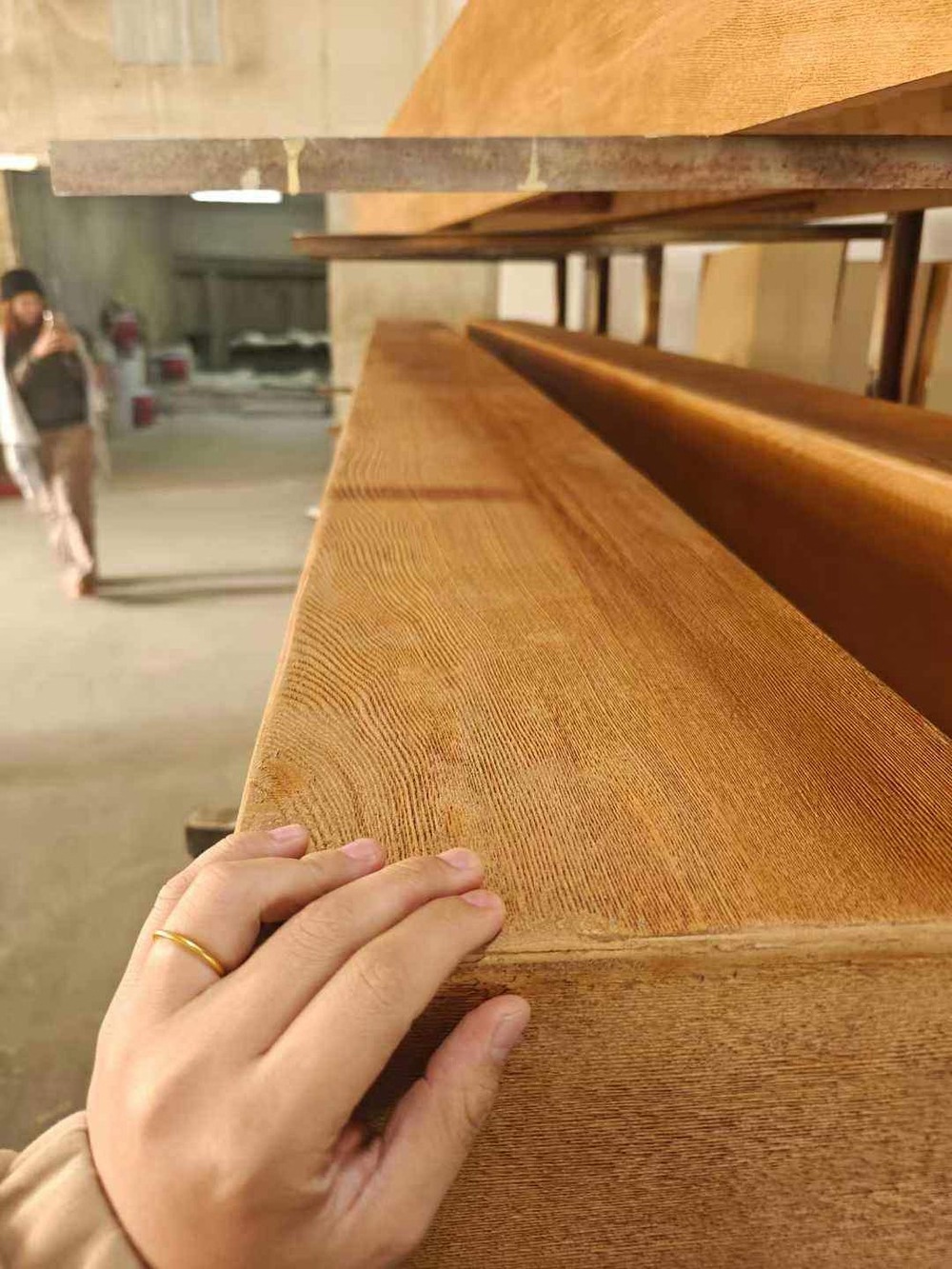
The phrase "synthetic plastic wood texture" sounds like it should describe something artificial and unconvincing. In practice, the modern version of this product is one of the most visually accurate faux wood surfaces on the market. The texture is molded from real timber, captured at high resolution, and reproduced consistently across every beam in a production run. The result is a decorative beam that looks like solid timber from across the room and holds up to close inspection in a way that older faux products could not.
The key to understanding why these beams look so good is to understand how the texture is made. It is not a printed pattern on a smooth surface. It is a three-dimensional mold of real wood grain, with every ridge, knot, and grain line transferred into the foam surface. Light hits the texture the same way it would hit real wood, creating the same kind of shadows and highlights that define a natural timber appearance.

How the Texture Is Created
The manufacturing process for synthetic wood texture PU beams starts with a master timber beam that has the desired grain pattern, knot density, and surface character. That master is used to create a mold, which is then used to produce hundreds or thousands of identical beams.
The Master Pattern
Master patterns are often created by skilled woodworkers who prepare a timber beam specifically for the molding process. The wood is dried to a precise moisture content, sanded to a consistent surface, and finished with stains or sealants that match the final product appearance. Knots and character marks are added deliberately to create the level of visual interest desired for the finished beam.
Some manufacturers use reclaimed timber as the master. Old barn beams, weathered dock pilings, and salvaged industrial timbers all have character that is difficult to replicate with new wood. The molded texture captures that character in detail, then reproduces it consistently across the entire production run.
The Mold
The mold is typically cast in silicone or a similar flexible material. The flexibility lets the mold release from the cured foam without damaging the delicate grain pattern. For deeper textures, the mold is reinforced with a rigid backing that holds the shape during the casting process.
A high-quality mold can produce thousands of beams before it needs to be replaced. The texture remains consistent throughout the life of the mold, which is why every beam from a production run looks identical. That consistency is one of the major advantages over real timber, where every piece is unique and a renovation project often involves hours of sorting through stock to find pieces that match.
The Casting Process
The casting process itself is straightforward but carefully controlled. The mold is treated with a release agent, then a base coat of color is applied to the mold cavity. The two-part polyurethane resin is mixed and poured into the mold, where it expands to fill the cavity and cures into a rigid foam. The beam is removed from the mold after a short curing period, trimmed to its final dimensions, and finished with additional coats of color and sealant.
The base coat that is applied to the mold is what gives the beam its color. By tinting the base coat rather than the foam itself, the texture reveals the underlying color in a way that mimics how natural wood grain shows through stained finishes. Dark grain lines receive more pigment, lighter areas receive less, and the overall effect is much more realistic than a uniform-colored foam with a printed grain pattern.
Texture Categories and Their Uses
Not all synthetic wood textures are created equal. Different textures suit different design styles and applications.
Smooth Sanded Texture
Smooth sanded texture mimics timber that has been planed and lightly sanded. The grain is visible but subtle, and there are no deep gouges or rough patches. This texture works well in modern, transitional, and Scandinavian interiors where clean lines and minimal visual noise are the design goals.
Smooth textures also tend to age better visually because there are fewer crevices for dust and grime to collect. In commercial applications where cleaning is a regular concern, smooth textures are the practical choice.
Open Grain Texture
Open grain texture shows more pronounced grain lines, with the subtle ridges and valleys that characterize freshly milled oak, ash, or pine. The texture is more visually interesting than smooth sanded but still relatively easy to clean. Open grain is the most versatile category and works in traditional, craftsman, farmhouse, and transitional interiors.
Rough Sawn Texture
Rough sawn texture replicates the surface of timber that has been cut with a bandsaw or circular saw. The surface shows visible saw marks, occasional tear-out, and a generally more rustic character. This texture suits barnwood, farmhouse, and industrial interiors.
The deep texture of rough sawn surfaces creates dramatic shadow play under directional lighting. It also shows dust more readily than smoother textures, which is worth considering for high-touch applications.
Hand Hewn Texture
Hand hewn texture mimics timber that has been shaped with hand tools like axes, adzes, and chisels. The surface shows irregular facets, axe marks, and a generally sculptural quality. This texture suits historical renovations, lodge-style interiors, and craftsman homes that emphasize traditional craftsmanship.
Hand hewn texture is the most visually distinctive of the four categories and the most difficult to match with real timber. A real hand hewn beam can cost many times what a synthetic version costs, which is why the faux version is so popular for renovation projects.

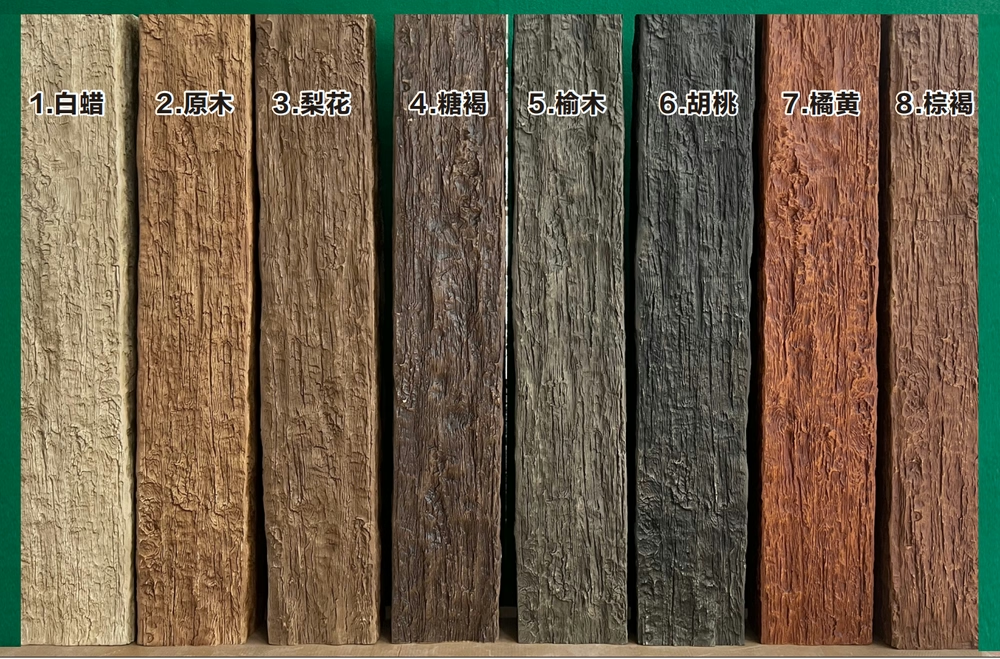
Finish Options and Color Stability
The molded texture is the foundation, but the finish determines how the beam looks once it is installed and how well it holds up over time.
Factory Stained Finishes
Most synthetic wood texture PU beams ship with a factory-stained finish. The stain is applied in multiple coats, with hand-rubbed techniques used to enhance the natural variation in the molded texture. The result is a beam that looks like it has been stained by a skilled finisher, with darker pigment in the recessed grain lines and lighter color on the raised surfaces.
Factory finishes are more consistent than field-applied stains because they are applied in a controlled environment with consistent materials and techniques. They are also more durable, because the manufacturer can use commercial-grade sealants that are not typically available to consumers.
Painted Finishes
Painted faux wood beams are popular for modern interiors where a solid white or colored beam is the design intent. The paint covers the grain pattern partially but does not eliminate it; the texture still shows through, creating a more interesting surface than a flat painted board.
Factory-painted beams use a multi-coat process that includes primer, color coat, and protective topcoat. The finish is tough enough to resist scuffing and staining in normal use, and it can be touched up with manufacturer-supplied paint if it does get damaged.
Custom Color Matching
For projects that require a specific color, most manufacturers offer custom color matching. Send a sample of the desired color, and the factory will produce a batch of beams tinted to match. Custom colors add a few weeks to lead time and a modest upcharge per beam, but they make it possible to coordinate the beams with existing millwork, furniture, or brand standards.
Color Stability Over Time
Color stability depends on the environment. Interior beams with minimal UV exposure can hold their color for decades without measurable change. Beams under skylights or near large windows will gradually lighten in the spots that receive the most direct sun. Covered exterior applications use UV-stabilized topcoats that slow the fading significantly but do not eliminate it.
Color change is not necessarily a problem. Many faux timber finishes are designed to age gracefully, with a gradual shift toward a more weathered appearance that suits the intended aesthetic. Beams that are expected to maintain a specific color over many years should be specified with UV-resistant topcoats and installed away from direct sunlight where possible.
Structural and Performance Characteristics
Synthetic wood texture PU beams are not structural members. They are decorative elements that carry their own weight and, in some cases, limited additional loads.
Load Capacity
The beams can support lightweight items like pendant lights, hanging plants, or small ceiling fans when the load is transferred to the supporting structure behind the beam. Heavy loads like large chandeliers or porch swings require reinforcement at the time of installation. Threaded inserts, wood backer blocks, or surface-mounted brackets can be used to distribute the load.
Impact Resistance
The closed-cell foam core resists denting and impact better than open-cell foam or low-density alternatives. Most interior applications will not see impacts severe enough to damage the beam, but in commercial settings or high-traffic residential areas, the higher-density formulations are worth specifying.
Fire Performance
Synthetic wood texture PU beams are available with a range of fire ratings. Standard products carry a Class C rating under ASTM E84. Fire-retardant formulations achieve Class B or Class A ratings and are required for many commercial applications. Beams that will be installed in areas with strict fire codes should be specified with the appropriate rating from the factory rather than treated in the field.

Choosing the Right Texture for Your Project
The texture choice is ultimately a design decision, but a few practical considerations can help narrow the field.
For modern and minimalist interiors, smooth or lightly textured finishes keep the beam from competing with other design elements. For traditional and craftsman interiors, open grain or hand hewn textures add the visual weight those styles demand. For farmhouse and industrial interiors, rough sawn textures feel authentic to the architectural vocabulary.
Lighting also plays a role. Smooth textures reflect light evenly and suit spaces with abundant natural light. Deep textures create more shadow play and benefit from directional lighting that emphasizes the surface variation.
Synthetic plastic wood texture PU faux decorative beams have come a long way from the printed foam products of previous decades. The combination of deep molded texture, consistent factory finishes, and durable polyurethane construction makes them a practical choice for projects where authentic appearance and long-term performance both matter.
Technical References
ASTM standards cited in every specification
Test Data
Lab results from internal testing program
Updated 2026
Reviewed against current product specs