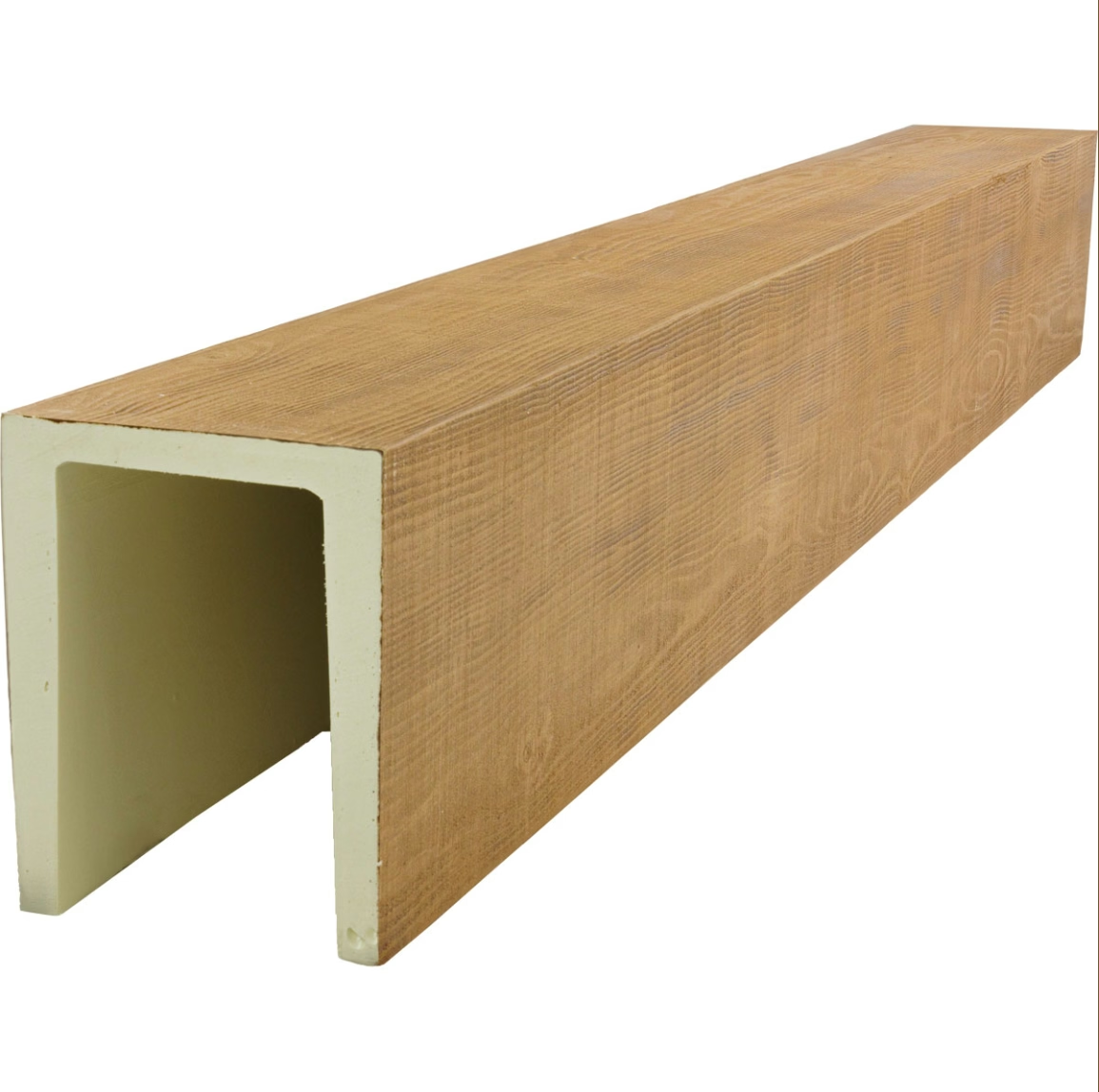
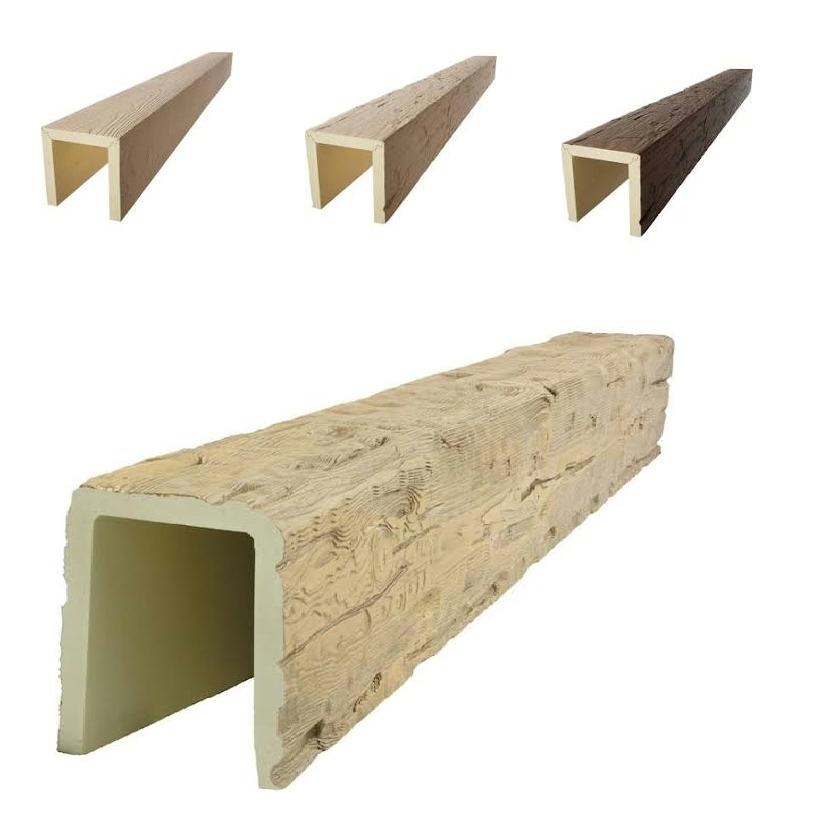
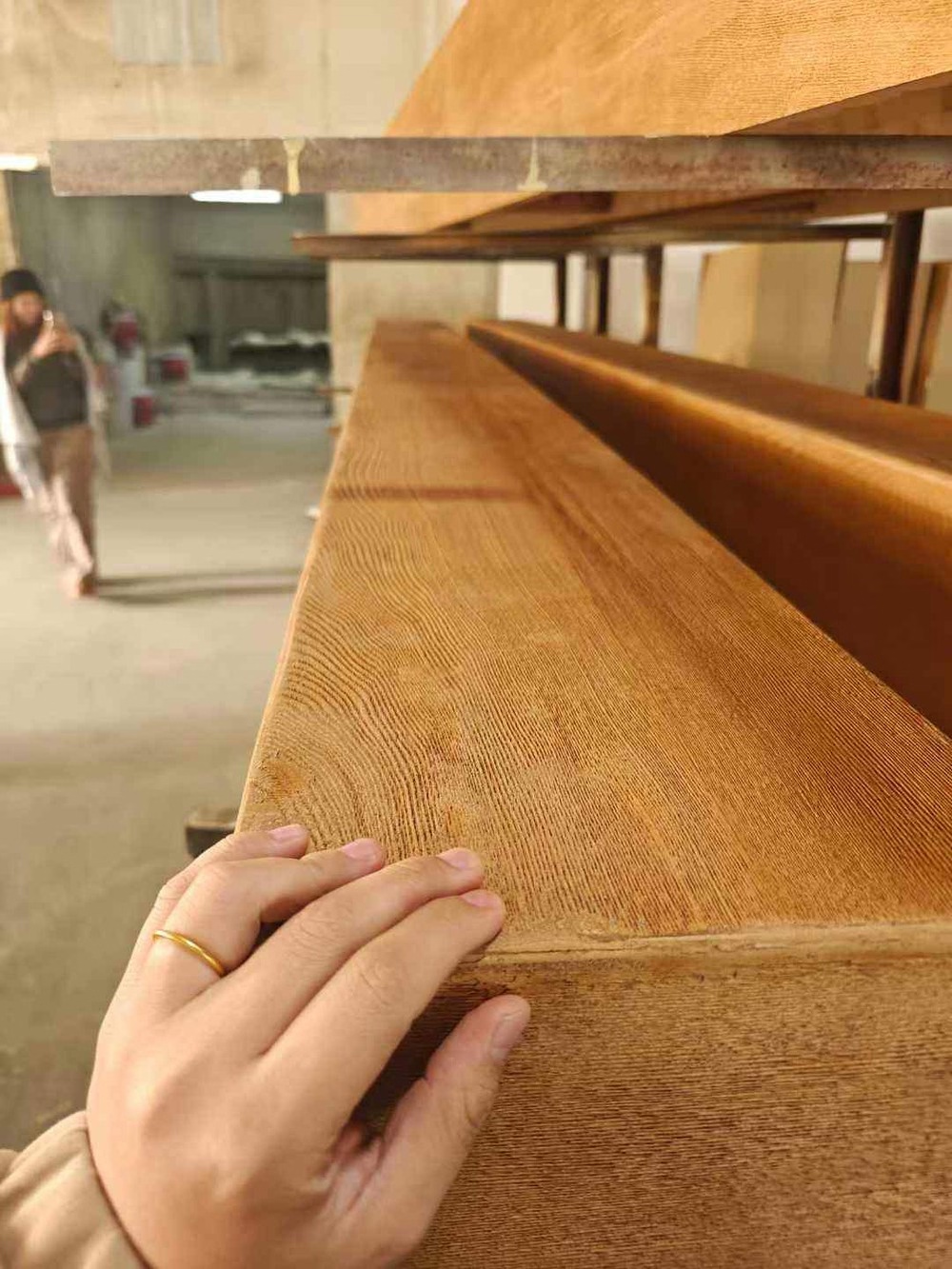
The phrase "long-lasting interior use" gets thrown around in product marketing more than almost any other claim in building materials. Synthetic PU faux wood beams earn that claim in a way that most products do not. They are designed to be installed once and looked at for the next thirty years without requiring any attention beyond an occasional wipe-down. That kind of service life is rare in any material, and it is the primary reason PU beams have become the default choice for projects where the goal is a timber appearance without the lifetime commitment to maintenance.
The longevity of synthetic PU beams comes from a combination of material properties, manufacturing quality, and installation practices. Understanding each of those factors helps specifiers and homeowners make decisions that ensure the beams actually live up to the long-life promise.

What Synthetic PU Actually Is
Synthetic PU is shorthand for synthetic polyurethane, a polymer formed by the reaction of polyols with diisocyanates. The reaction produces a foam that can be formulated with a wide range of densities, cell structures, and surface characteristics. For faux wood beams, the formulation is tuned to produce a rigid closed-cell foam with a hard outer skin and a consistent internal structure.
The closed-cell structure is what gives the material its longevity. Each cell is sealed off from its neighbors, so water cannot migrate through the foam even if the outer surface is compromised. That property is what allows the beams to be used in kitchens, bathrooms, and other interior spaces with elevated humidity without absorbing moisture or developing mold.
The hard outer skin is the second key factor. It resists denting, scratching, and abrasion in ways that softer foam products cannot. A typical interior PU beam can withstand the occasional bump from a ladder, the impact of a falling object, or the abrasion of being touched repeatedly without showing significant wear.
Comparison to Other Synthetic Materials
PU is one of several synthetic materials used in faux beam construction. Each has different longevity characteristics.
PVC beams are less expensive and completely waterproof, but they are softer and more prone to denting. They also tend to yellow over time when exposed to UV light, even through windows. Their longevity in interior applications is good but not exceptional.
Fiberglass beams are extremely durable and can last for many decades, but they are significantly more expensive and heavier than PU. They also require specialized installation. For most interior applications, the additional cost of fiberglass is difficult to justify.
High-density polyurethane hits the sweet spot between PVC and fiberglass. It is more durable than PVC, more affordable than fiberglass, and easier to install than either. For long-lasting interior use, it is the most balanced option.
Factors That Determine How Long a PU Beam Lasts
The rated lifespan of a PU beam is 30 years or more for most interior applications, but the actual lifespan depends on several factors.
Density and Formulation
Higher density foams last longer than lower density foams under the same conditions. The denser formulation resists impact damage better, holds fastener threads more securely, and tolerates the small stresses that accumulate over decades of building movement.
Formulation additives also matter. UV stabilizers, fire retardants, and impact modifiers all add to the longevity of the material. Standard interior formulations include most of these additives, but specifiers should verify the specific formulation when longevity is a primary concern.
Surface Finish Quality
The factory finish on a PU beam is its primary defense against the environment. A high-quality finish includes multiple coats of stain or paint, a protective topcoat, and a sealing layer that closes off the surface against moisture and contamination. Cheaper finishes with fewer coats wear faster and may need to be refreshed within a decade.
Specifying factory-finished beams from a reputable manufacturer is the best way to ensure long-lasting finish quality. Field-applied finishes are more variable and rarely match the durability of factory finishes.
Installation Quality
Even the best beam will fail prematurely if it is installed incorrectly. Inadequate blocking, improper fasteners, skipped caulk joints, and poor surface preparation all shorten the lifespan of the installation. Following the manufacturer's installation guidelines and using the recommended accessories is essential for long-term performance.
Environmental Conditions
Interior environments are generally benign, but some conditions accelerate the aging of PU beams. Direct sunlight through skylights or large windows can fade the finish over many years. Kitchens and bathrooms with poor ventilation expose the beams to higher humidity levels. Rooms with significant temperature swings, like unheated sunrooms or seasonal cabins, stress the material more than climate-controlled spaces.
For applications where these conditions are present, specify UV-stabilized formulations, marine-grade finishes, and higher-density foam. The small additional cost is worth the extended service life.
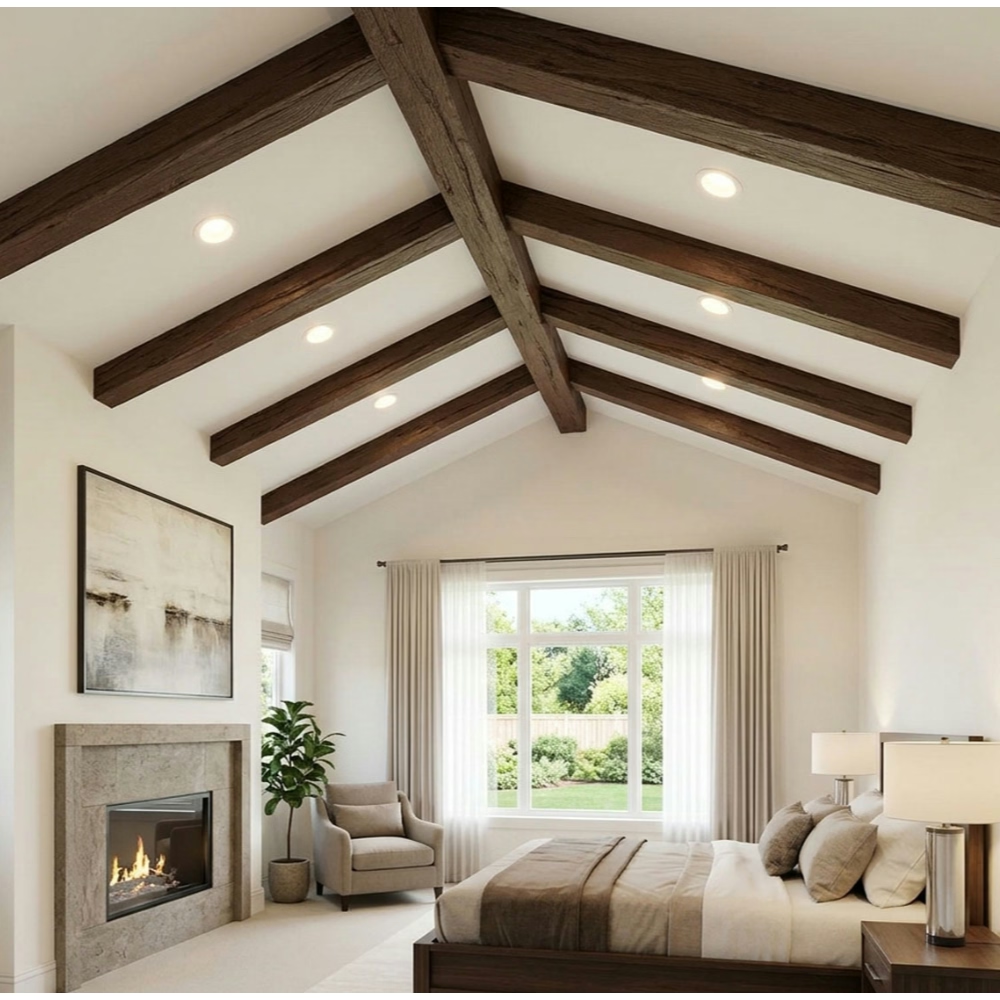
Performance Characteristics Over Time
A PU beam that has been in service for twenty years should look almost identical to the day it was installed, assuming it was specified and installed correctly. The performance characteristics that matter most for long-term interior use are color stability, dimensional stability, and surface integrity.
Color Stability
Interior PU beams with factory finishes hold their color remarkably well. Most products carry warranties of 10 years or longer against significant color shift under normal interior lighting conditions. In practice, the actual color shift over 20 to 30 years is minimal in most interior environments.
The exceptions are beams installed in direct sunlight. South-facing windows, skylights, and glass doors can expose beams to UV radiation that gradually lightens the finish. The effect is slow and even, often described as a gentle patina rather than fading, but it is noticeable when compared to a beam that has been in the same room but away from direct sun.
Dimensional Stability
Dimensional stability is one of the material's strongest characteristics. PU foam does not expand and contract with humidity the way wood does. It does not swell when the humidity rises or shrink when the building's heating system dries the air out in winter. The dimensions of the beam at installation are the dimensions it will have for the life of the installation.
That stability shows up in the joints between sections and the seams between the beam and the ceiling. Joints that are tight at installation stay tight for decades. Ceiling lines that are clean at installation do not open up over time as the framing moves seasonally.
Surface Integrity
The closed-cell foam core and the factory finish work together to maintain surface integrity. The foam resists denting and impact damage. The finish resists staining, scuffing, and chemical attack from common household substances. Together, they keep the beam looking new for far longer than most interior finishes.
When surface damage does occur, it is usually localized and repairable. A dent can be filled with a manufacturer-supplied patch and touched up with matching finish. A scuff can be buffed out or repainted. A stain can often be removed with a mild detergent and a soft cloth. Major damage is rare and usually the result of an unusual event rather than normal wear.

Comparing Long-Term Costs
The initial cost of a synthetic PU beam is higher than some alternatives and lower than others. The long-term cost picture is more nuanced.
Initial Investment
Synthetic PU beams typically cost more than PVC beams and less than solid timber beams. The exact price depends on the size, finish, and quantity ordered, but a rough comparison for a standard residential beam puts PU at about 60 to 80 percent of the cost of a comparable solid timber beam.
Installation Costs
Installation costs for PU beams are generally lower than for solid timber because the material is lighter and easier to handle. A two-person crew can install most residential PU beams in a fraction of the time it would take to install solid timber of the same dimensions. That labor savings often offsets the higher material cost.
Maintenance Costs
This is where PU beams distinguish themselves. Solid timber beams require periodic refinishing, especially in interior environments with significant sun exposure. The cost of refinishing a room full of solid timber beams every 10 to 15 years can exceed the initial cost of the beams themselves. PU beams require no refinishing over their service life, which represents a substantial long-term saving.
Total Cost of Ownership
Over a 30-year service life, the total cost of ownership for PU beams is typically lower than for any alternative except PVC, which has its own longevity limitations. The combination of moderate initial cost, low installation cost, and near-zero maintenance cost makes PU the most economical choice for long-lasting interior use.

Where Long-Lasting PU Beams Make the Most Sense
Some applications benefit more than others from the longevity of PU beams.
Primary Residences
Homeowners who plan to stay in their homes for decades want materials that look good for the duration. PU beams deliver that without requiring the periodic refinishing that solid timber demands.
High-End Rentals and Vacation Properties
Properties that are rented out or used as vacation homes benefit from low-maintenance materials. PU beams let owners maintain a high-quality interior appearance without the ongoing maintenance demands of real timber.
Commercial Interiors
Hotels, restaurants, offices, and retail spaces all benefit from materials that look good for many years without disrupting business for refinishing. PU beams are widely specified in commercial interiors for that reason.
Historic Renovations
Renovating a historic home often requires new beams to match existing timber that cannot be disturbed. PU beams can be specified in profiles and finishes that match historic timber without the cost or ethical concerns of using old-growth wood.
The long-lasting nature of synthetic PU faux wood beams is not a marketing claim. It is a property of the material that has been demonstrated across decades of installations in every climate and every type of interior space. For projects where longevity matters, PU beams are one of the most reliable choices available.
Technical References
ASTM standards cited in every specification
Test Data
Lab results from internal testing program
Updated 2026
Reviewed against current product specs