An exterior beam lives a harder life than an interior one. It bakes in summer sun, freezes in winter cold, gets drenched by sideways rain, and absorbs whatever the wind blows its way. Real timber handles that abuse by developing a weathered patina that some people love and others do not. Synthetic timber style exterior polyurethane faux beams offer a third option: the visual warmth of timber with the weather resistance of a material that was engineered from the start to live outside.
The exterior-rated category of faux beams is a specific product line, not just a standard interior beam used outdoors. The foam formulation, surface coating, and installation hardware are all designed for the additional stresses of exterior environments. Understanding what makes an exterior beam different from an interior beam is essential for any project that pushes beyond the walls of the house.

What Makes a Polyurethane Beam Exterior-Rated
The difference between interior and exterior polyurethane beams starts with the foam core and continues through every layer of the product.
Foam Density and Cell Structure
Exterior beams use a higher-density foam than interior products. The additional density resists denting from hail, falling branches, and other impact events that are more common outside than in. It also provides more material around fastener threads, which matters in applications where the beam is exposed to wind loads that try to pull the fasteners out.
The cell structure is also tighter in exterior formulations. Tighter cells mean less air space within the foam, which translates to less room for water to migrate if the surface coating is ever breached. Even with the best coating, every exterior surface gets scratched eventually. The tighter cell structure ensures that a scratch does not become a water entry point.
UV-Stabilized Topcoats
The single biggest difference between interior and exterior faux beams is the topcoat. Interior beams typically use a water-based acrylic coating that looks great under artificial light but breaks down quickly under UV exposure. Exterior beams use a UV-stabilized topcoat that absorbs or reflects the damaging wavelengths in sunlight.
The topcoat is what determines how long the beam holds its color. Premium exterior formulations use automotive-grade clear coats that carry 10-year or longer warranties against significant color shift. Budget formulations use marine-grade varnishes that perform well but typically need to be refreshed every 5 to 7 years.
Base Sealers and Edge Treatment
Exterior beams receive a base sealer that closes off the foam cells at the surface. The sealer is applied after the color coats but before the topcoat, and it serves as a secondary defense against moisture intrusion. For beams that will be cut to length on site, the cut edges need to be sealed with a manufacturer-supplied edge sealer before installation. Unsealed cut edges can absorb moisture at the exposed cells, leading to swelling and finish failure at the joint.
Suitable Applications for Exterior Faux Beams
Exterior-rated faux beams are designed for specific applications where the conditions are demanding but not extreme.
Covered Porches and Verandas
Covered porches and verandas are the ideal application. The roof overhead provides primary protection from rain and sun, while the open sides allow airflow that prevents the heat and humidity buildup that damages other materials. Beams under a veranda roof can last for decades with minimal maintenance.
Eaves and Overhangs
Beams mounted under eaves and overhangs receive similar protection to veranda beams, with the additional benefit of being higher off the ground and less exposed to splash-back from rain. Eave beams are often smaller in cross-section than porch beams, but they need the same weather resistance.
Pergolas With Slatted Roofs
Pergolas with slatted or lattice roofs expose the beams to more direct weather than fully covered applications. Polyurethane faux beams handle this exposure well, particularly when the pergola is positioned to allow airflow and quick drying after rain. Open-roof pergolas in consistently wet climates may require more frequent inspection and maintenance.
Garage Door Headers and Entry Beams
Decorative beams above garage doors and entryways add curb appeal without requiring maintenance every few years. The beams are partially protected by the overhang of the roof above and receive good airflow. They are visible from the street, so the consistent factory finish of faux timber pays off in curb appeal.
Applications to Avoid
Polyurethane faux beams should not be used in fully exposed outdoor applications without any overhead protection. Direct sun and rain will degrade even the best exterior formulations faster than they would degrade a properly protected installation. They also should not be used in ground-contact applications, submerged installations, or environments with continuous exposure to standing water.
Installation Differences for Exterior Applications
Exterior installations require additional attention to a few details that do not matter as much indoors.
Fastener Selection
Stainless steel fasteners are essentially mandatory for exterior faux beam installations. Standard zinc-plated screws will corrode within a few seasons in outdoor conditions, leaving rust streaks down the face of the beam and compromising the structural integrity of the connection. Hot-dipped galvanized fasteners are an acceptable alternative in less corrosive environments.
The fastener spacing should also be tighter than for interior installations. Wind loads on exterior beams are higher than the static loads on interior beams, and additional fasteners provide a margin of safety against pull-out during high-wind events. Most manufacturers recommend reducing the spacing by about 25 percent for exterior applications.
Flashing and Water Management
Water that gets behind a faux beam and stays there will eventually cause problems, even with the best exterior formulations. Proper flashing above the beam, sloping top surfaces where applicable, and drip edges at the terminations all help direct water away from the beam and the structure behind it.
For beams that mount directly against a wall or fascia, kick-out flashing at the bottom edge of the beam prevents water from wicking back toward the structure. This is the same flashing detail used for other exterior mounted elements, and it integrates naturally with the beam installation.
Caulk and Sealant Selection
The caulk used at exterior beam joints must be specifically formulated for outdoor exposure. Standard latex caulk will soften and lose adhesion within a few seasons. Pure silicone caulk works well but does not accept paint, which limits touch-up options. The best choice for most exterior faux beam installations is a paintable urethane or hybrid polymer caulk rated for outdoor exposure.
Apply caulk to every joint between the beam and the surrounding structure, as well as any splices between beam sections. Tool the caulk smooth before it skins over, and inspect the joints annually for signs of failure. Failed caulk joints are the most common source of water intrusion in exterior faux beam installations.
Ventilation Behind the Beam
Exterior beams should never be mounted in a way that traps moisture against the structure behind them. Leave a small gap at the top of the beam or use spacers to maintain airflow between the beam and the mounting surface. That airflow lets the structure dry out after rain and prevents the buildup of moisture that leads to rot, mold, and finish failure.

Color and Finish Choices for Exterior Use
The right finish for an exterior faux beam depends on the design intent and the environmental conditions.
Weathered Finishes for Low Maintenance
Weathered gray, driftwood, and aged cedar finishes are popular for exterior applications because they are designed to look the way real timber looks after years of exposure. Any additional weathering or color shift that occurs over time blends into the intended appearance rather than looking like fading or wear.
These finishes are also the most forgiving of the maintenance schedule. When the beam does need to be refreshed, the touch-up paint blends into the weathered character rather than standing out as a repair.
Saturated Finishes for Higher Maintenance
Rich walnut, deep mahogany, and dark stained finishes create a dramatic visual impact that suits certain architectural styles. They also show weathering more obviously than lighter finishes. The dark pigments break down under UV exposure faster than the lighter pigments, and any fading is immediately visible against the original color.
These finishes require more diligent maintenance. Annual inspection and refresh of the topcoat every 5 to 7 years will keep them looking good. Skipping the maintenance schedule results in noticeable fading within a decade.
White and Painted Finishes
Painted faux beams work well for colonial, Victorian, and craftsman exterior styles. White is the most common color, and it holds up reasonably well with the right topcoat formulation. Like dark finishes, white shows dirt and mildew more easily than mid-tone colors, but it can be cleaned and refreshed without losing the character of the finish.
Long-Term Performance Expectations
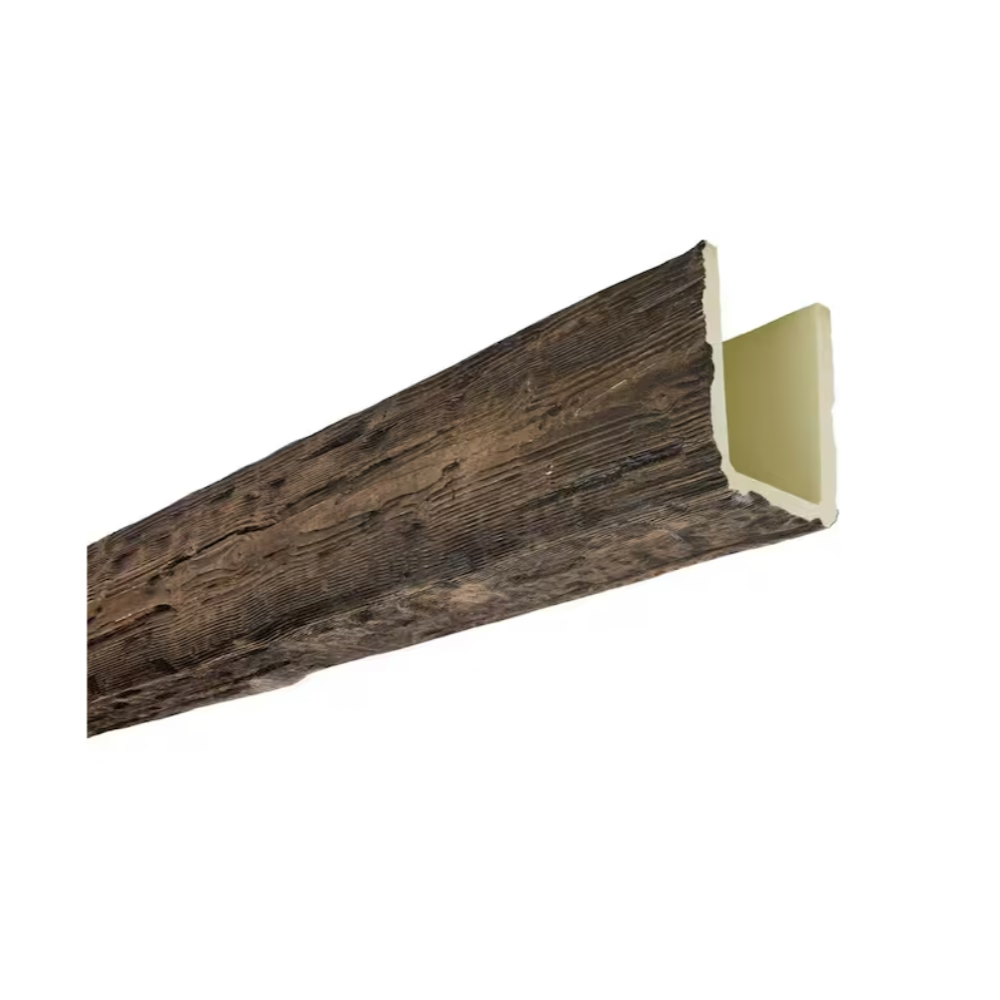
A properly specified and installed exterior polyurethane faux beam should provide 15 to 25 years of service in covered applications before requiring significant maintenance. Beams in more exposed applications may need attention sooner.
Routine Maintenance
Annual inspection should focus on the caulk joints, the topcoat condition, and any signs of water intrusion. A gentle cleaning with a mild detergent and a soft brush removes surface dirt and biological growth. Any failed caulk should be cut out and replaced.
Periodic Refinishing
The topcoat on an exterior faux beam typically needs to be refreshed every 7 to 12 years, depending on the exposure and the product specification. The refresh involves light sanding, cleaning, and application of a compatible topcoat. The process takes a few hours per beam and does not require removal of the beam from the structure.
Major Restoration
If the beam is neglected and the finish fails significantly, a more intensive restoration may be required. The process involves sanding back to the foam surface, reapplying the base color coats, and refinishing with a fresh topcoat. Major restoration is more expensive than routine maintenance but much less expensive than beam replacement.
Exterior synthetic timber style polyurethane faux beams bring the warmth and visual weight of wood to outdoor living spaces without the maintenance demands that make solid timber impractical for many applications. Properly specified and installed, they provide decades of service with minimal attention.
Technical References
ASTM standards cited in every specification
Test Data
Lab results from internal testing program
Updated 2026
Reviewed against current product specs


