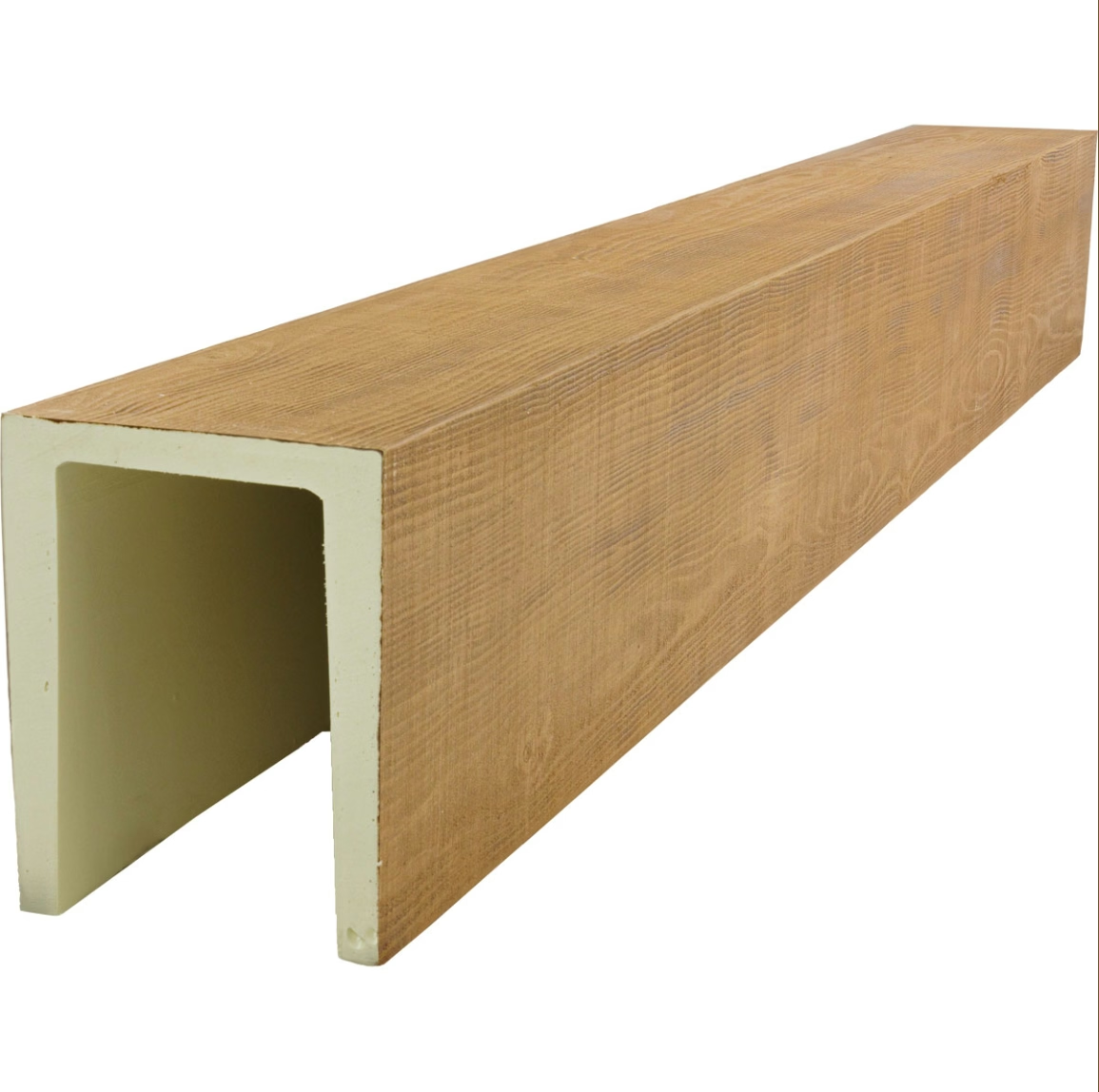
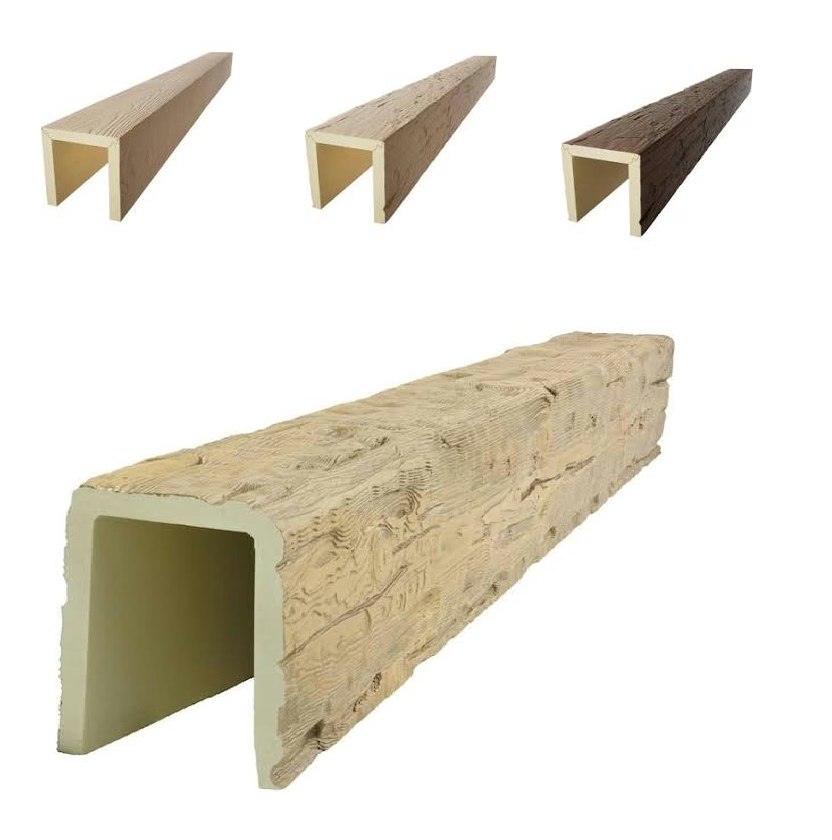
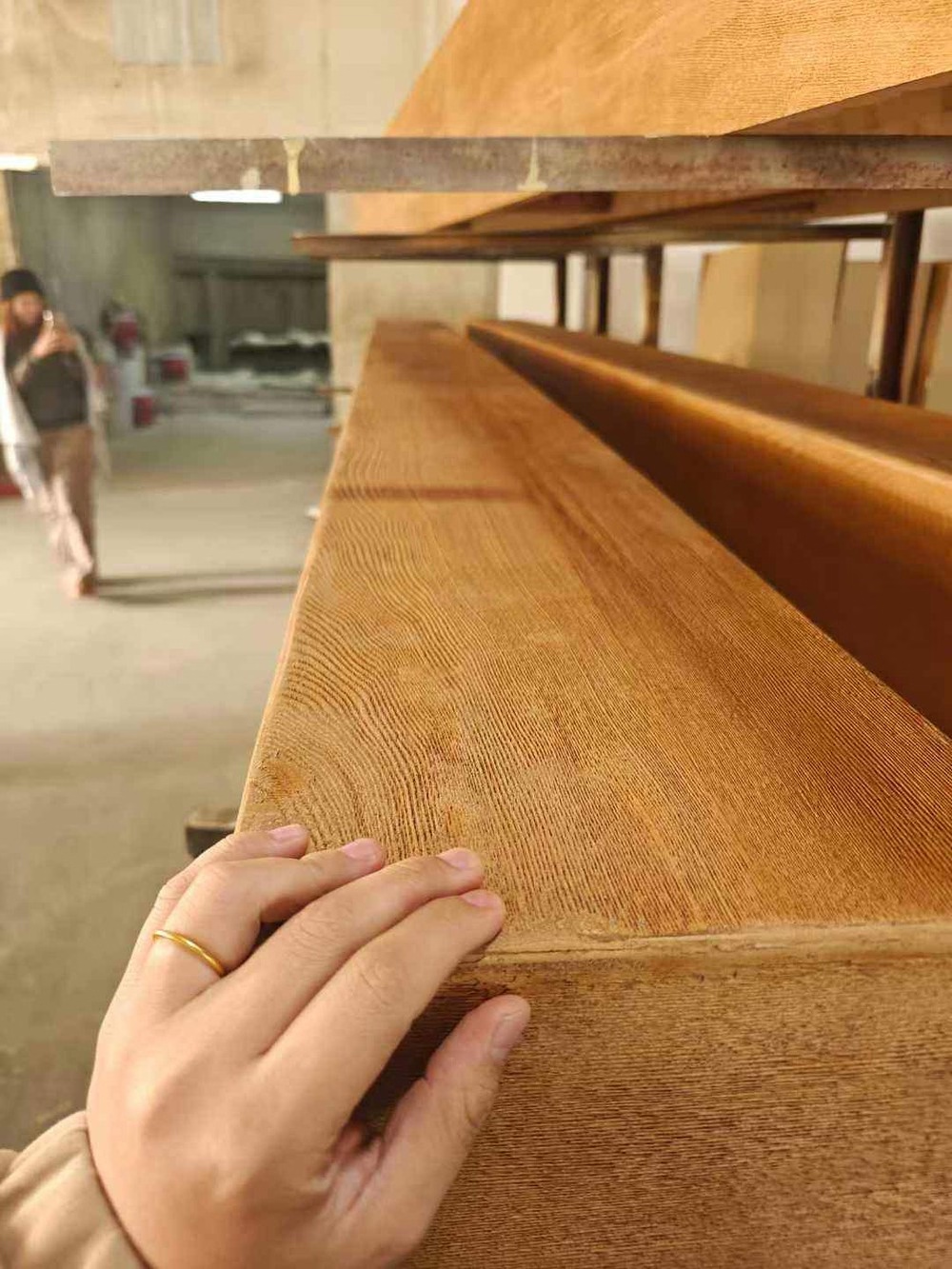
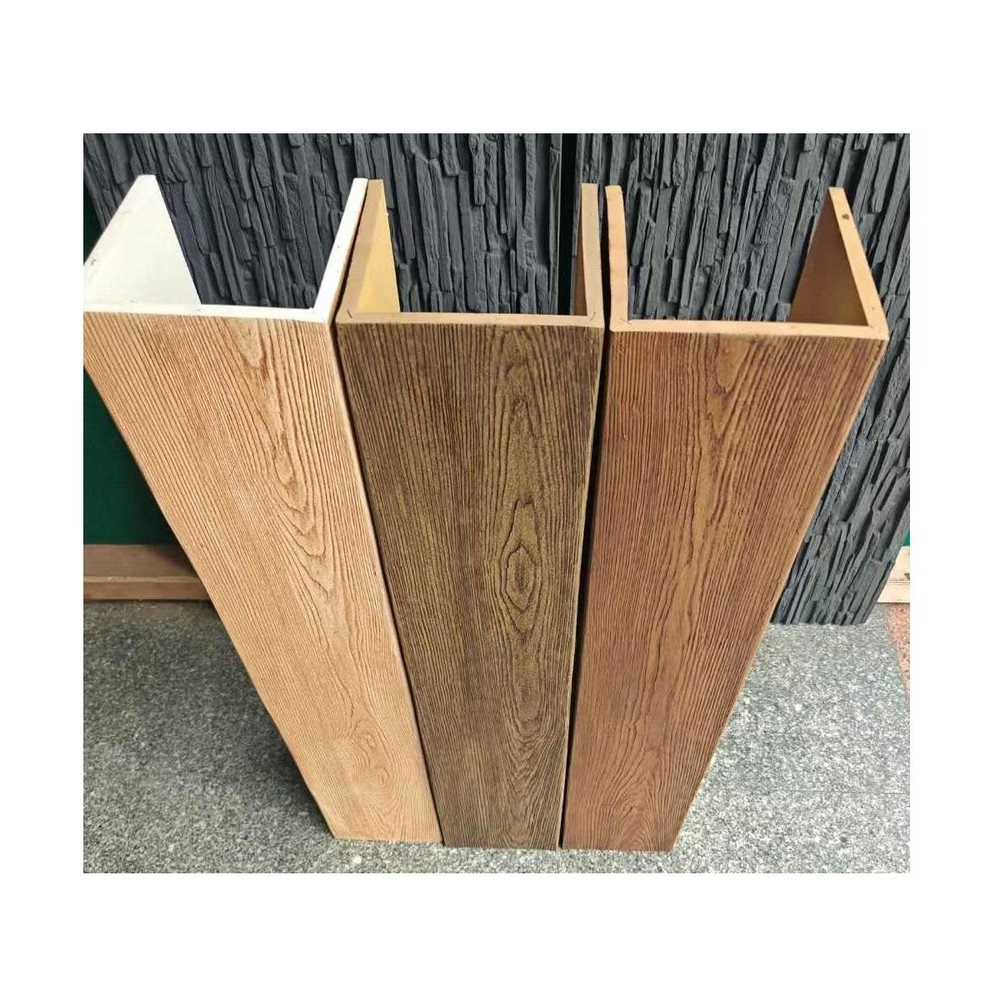
The construction industry has gotten comfortable with a particular kind of compromise. Designers want the look of heavy timber, but the budget rarely cooperates with solid sawn beams. For years, the workaround was to use thin veneer wraps or to skip the beams altogether and rely on paint techniques to suggest the look. Polyurethane faux beams have changed that equation. A realistic beam profile, finished in a convincing wood tone, can be specified for a fraction of the cost of solid timber, and the result is durable enough for both homes and commercial interiors.
Understanding the Real Cost of Faux Beams
The sticker price of a faux beam tells only part of the cost story. A fair comparison has to include the freight, the installation labor, the finishing labor, and the long-term maintenance. When all of those variables are added up, polyurethane beams frequently come in at less than half the total cost of the solid wood alternative. The savings are even more dramatic on longer spans, where solid timber would require expensive engineered lumber or special freight handling.
The installation labor piece deserves attention. A solid timber beam might require two or three installers, a beam lift, and several hours of work. A comparable polyurethane beam can usually be carried by one person and installed in well under an hour. On a project with multiple beams, the labor savings add up quickly. Contractors who have not worked with faux beams before are often surprised by how much installation time they save.
Where the Savings Come From
The economics of faux beams are rooted in three structural advantages. The raw material is cheaper than sawn timber. The manufacturing process is repeatable, which drives down production costs at scale. And the finished product is far lighter, which slashes freight and handling costs. None of these advantages compromise the end result. A well-made polyurethane beam looks like a beam, feels substantial once installed, and lasts for decades.
Where Costs Can Creep Up
The base cost of the beam is only the starting point. Custom finishes, custom lengths, and unusual profiles can push the price higher. So can rush orders, oversized packaging for international shipments, and specialty hardware for unusual mounting conditions. Designers working with tight budgets should think about which of these add-ons are essential and which can be trimmed. A standard profile with a stock finish is almost always the most affordable option, and the visual difference between stock and custom is often smaller than expected.
Comparing Beam Options Across Price Tiers
The faux beam market includes products at several distinct price points, and understanding the differences helps buyers make smart decisions. Entry-level beams use lower-density foam, simpler profiles, and basic finishes. They look fine from a distance and in photos but can show their limitations on close inspection or in demanding environments. For budget renovations, rental properties, or spaces where the beam is purely decorative, entry-level products can be a perfectly reasonable choice.
Mid-range beams improve on density, profile detail, and finish quality. They typically accept stain more evenly, hold detail at corners and joints better, and feel more substantial when handled. For most residential projects and many commercial interiors, mid-range products hit a sweet spot between cost and quality. The visual upgrade over entry-level products is noticeable, and the price premium is moderate.
Premium beams use the highest density foam, the most detailed molds, and the most sophisticated finishing systems. They are designed for high-visibility commercial spaces, luxury residential projects, and applications where the beams will be inspected up close. The price reflects the additional manufacturing care, and the result is a beam that is genuinely difficult to distinguish from solid timber.

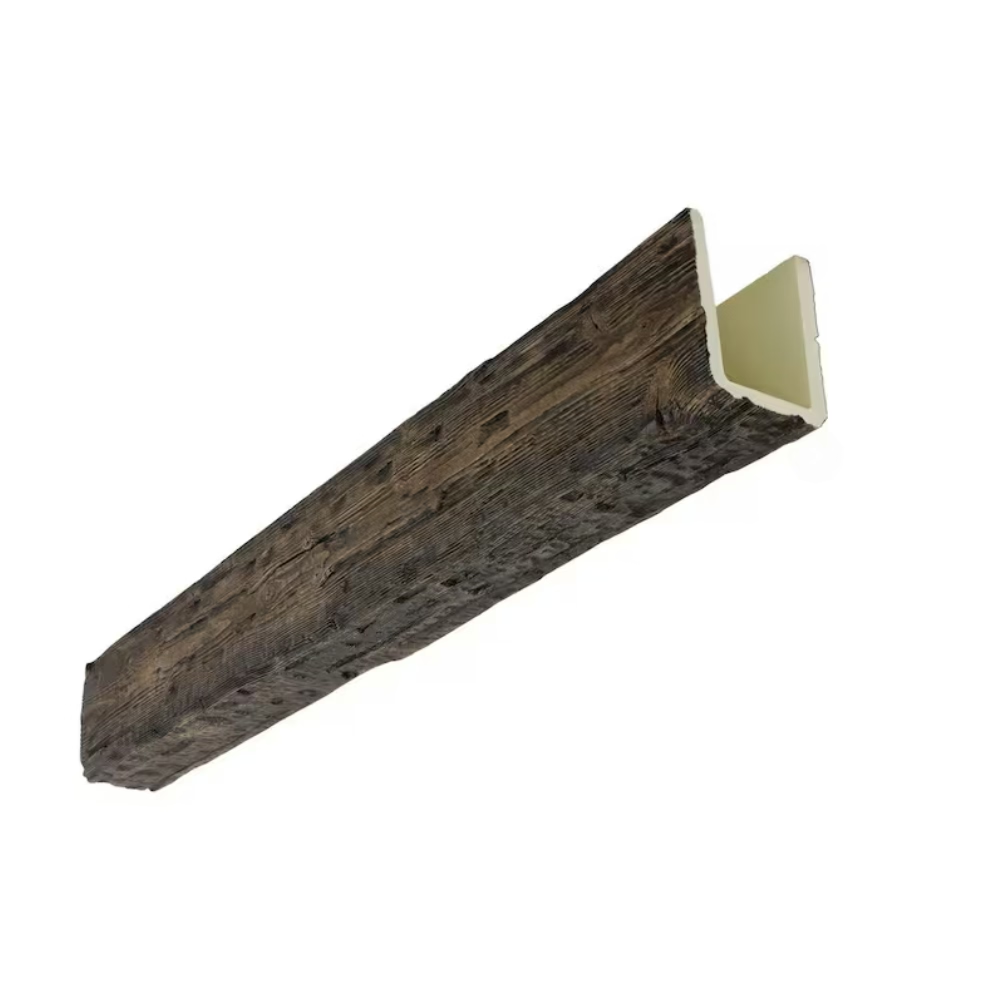
Choosing the Right Beam for Residential Projects
Residential buyers typically prioritize appearance, ease of installation, and compatibility with the rest of the home's finishes. Budget often matters, but it is rarely the only consideration. A kitchen remodel that includes new cabinetry, countertops, and flooring already has a lot of moving pieces, and the beams need to integrate smoothly with those decisions.
For living rooms and great rooms, where the beams are a major visual element, mid-range products tend to deliver the best balance. The beams will be visible from many angles, including from below as occupants relax on the sofa. A convincing grain pattern and a well-matched finish pay off in these spaces.
For bedrooms and secondary rooms, where the beams are more of an accent than a centerpiece, entry-level products can be a smart choice. They still add character and warmth, and the budget savings can be redirected to other finishes or furnishings.
Kitchen and Bath Considerations
Kitchens and bathrooms are challenging environments for any ceiling material. Moisture, grease, and frequent cleaning all take a toll. Faux beams handle these conditions better than solid wood, but it is still worth choosing a product with a robust factory-applied or field-applied finish. Avoid placing beams directly above cooking surfaces where heat and steam concentrate, and confirm that any cleaning products used elsewhere in the room are compatible with the beam finish.
Matching Beams to Existing Woodwork
In a renovation, the new beams rarely exist in isolation. They sit alongside existing flooring, stair treads, doors, and window trim. Getting the finish right requires a careful color match, and that is harder than it sounds. Wood tones shift under different lighting conditions, and a stain that looks perfect in the sample crate can read too red, too orange, or too gray once it is up on the ceiling next to existing cherry floors or oak cabinets. Sample boards evaluated on site, in the actual room, at the actual time of day, are the only reliable way to confirm a match.
Choosing the Right Beam for Commercial Projects
Commercial buyers bring a different set of priorities. Durability under heavy use, code compliance, and lifecycle cost often matter more than upfront price. A beam that costs a bit more but lasts thirty years with minimal maintenance is usually a better commercial value than a cheaper beam that needs to be replaced or refinished within a decade.
For high-traffic commercial spaces like restaurants, hotels, and retail stores, mid-range and premium products are usually the right call. The beams will be seen by thousands of customers, and the cost of a premature replacement far exceeds the price difference between a budget beam and a quality one. For back-of-house commercial spaces where the beams are out of customer view, entry-level products can be a sensible budget choice.
Code and Compliance Considerations
Commercial projects face stricter code requirements than residential ones. Fire ratings, seismic anchoring, and accessibility clearances can all affect beam specification. Confirm with the manufacturer that the specified beam carries the appropriate fire classification for the occupancy type. Confirm with the local building department that the proposed mounting method meets seismic requirements in regions where they apply. And confirm with the design team that the beam layout does not interfere with required ceiling heights, sprinkler coverage, or lighting layouts.
Getting the Best Value From Your Beam Investment
A few practical strategies help buyers extract maximum value from a faux beam budget. First, order slightly more material than the linear footage strictly required. Offcuts and mistakes happen, and a small overage purchased with the original order is far cheaper than a rush reorder later. Second, consider stock finishes before custom ones. Manufacturers offer their stock finishes at lower prices and shorter lead times, and the visual quality is often indistinguishable from a custom match.
Third, think about installation logistics before the order is placed. Beams that need to be installed in a tight space, at an awkward height, or around complex ceiling geometry may justify the additional cost of factory pre-cutting. And fourth, coordinate the beam delivery with the rest of the ceiling trade work. Beams that arrive too early get bumped, scratched, or lost in the shuffle. Beams that arrive on time and are installed promptly look better and last longer.
The economics of faux beams continue to improve as manufacturing scales up and competition drives down prices. For projects where the design calls for the look of timber but the budget calls for something more affordable, polyurethane beams are a credible, durable, and attractive solution. They are not the right choice for every project, but for a wide range of residential and commercial applications, they deliver exactly what they promise.
Technical References
ASTM standards cited in every specification
Test Data
Lab results from internal testing program
Updated 2026
Reviewed against current product specs