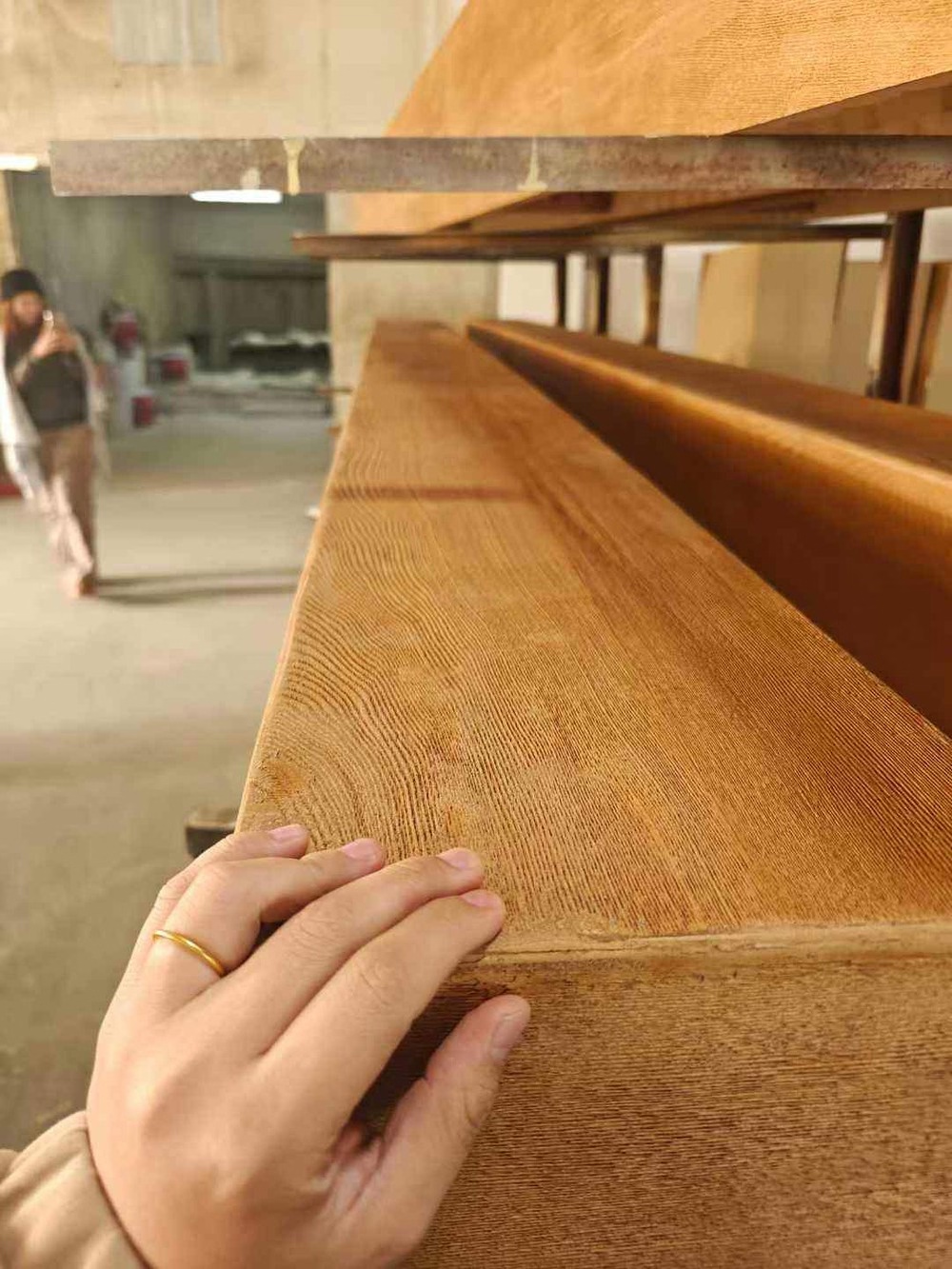
Weatherproofing is the defining characteristic of an external grade faux timber beam. Interior beams can tolerate moderate humidity and limited UV exposure. Exterior beams face the full range of weather conditions that any building material can encounter. Polyurethane beams engineered for external service have to perform under all of these conditions without significant degradation.
The engineering required for true weatherproof performance is substantial. The material formulation, the foam structure, the finish system, and the installation details all contribute to the weatherproof properties of the finished beam. Suppliers who specialize in external grade beams have invested in all of these areas to deliver products that perform reliably in outdoor service.
What Weatherproof Really Means
Weatherproof is a specific technical term that describes a material that resists the penetration of water under normal weather conditions. A truly weatherproof beam can withstand rain, snow, ice, and humidity without allowing water to penetrate into the material or the structure behind it.
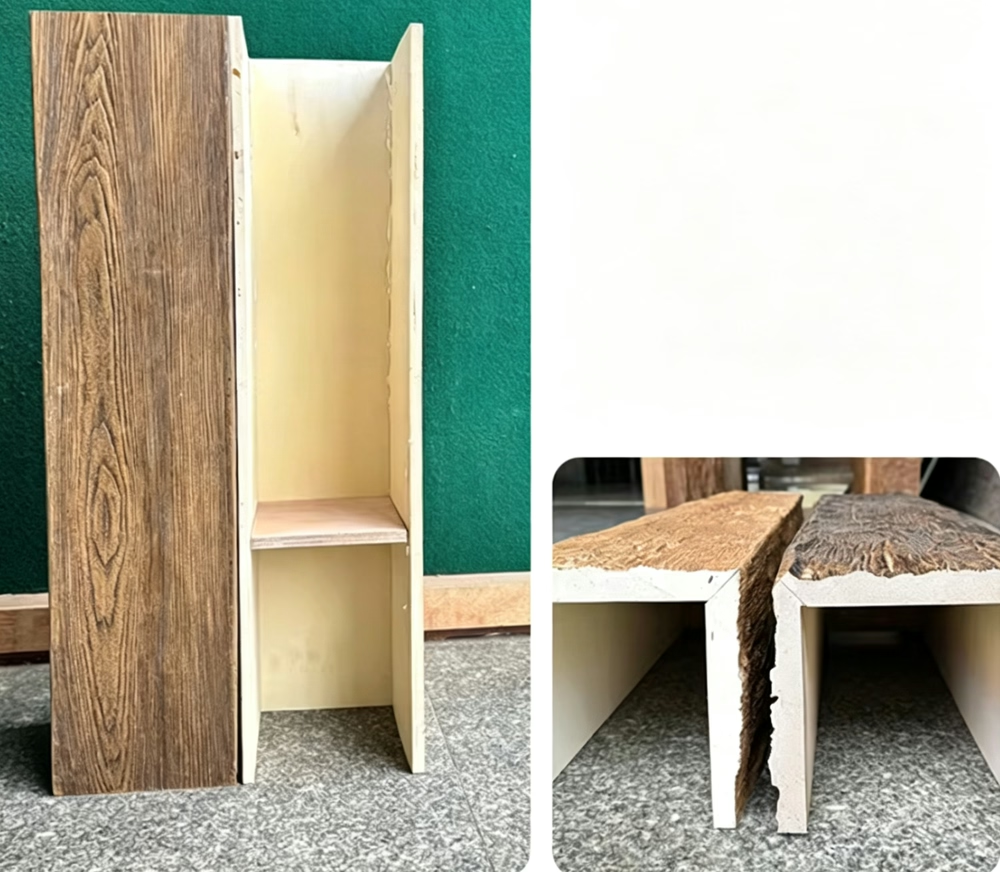
Polyurethane beams achieve weatherproof performance through the closed-cell structure of the foam. The cells are not connected to each other, which means that water cannot migrate through the foam even under pressure. The foam does not absorb water, so the weight of the beam does not change with weather conditions.
The surface finish contributes additional weatherproof performance. The finish system is designed to shed water rather than absorb it. The topcoat is formulated with hydrophobic properties that cause water to bead on the surface rather than penetrate. The result is a beam that remains dry even under direct rainfall.
For installations where water exposure is particularly severe, additional weatherproofing measures can be added during installation. Drip edges, flashing, and sealant joints can be incorporated to direct water away from critical areas. These measures are standard practice in exterior construction and are equally applicable to faux timber beam installations.
The Difference Between Weather-Resistant and Weatherproof
Weather-resistant and weatherproof are not the same thing. Weather-resistant materials can tolerate exposure to weather without immediate failure, but they may absorb water, degrade over time, or require regular maintenance to maintain their performance. Weatherproof materials provide long-term protection against water penetration under normal conditions without regular maintenance.
Standard exterior grade faux timber beams are typically weather-resistant. They can handle outdoor exposure without immediate failure, but they may show some degradation over many years of service. The finish may require periodic renewal, and the material may need to be inspected for any signs of water damage.
Premium weatherproof beams are engineered to a higher standard. The material formulation, the foam structure, and the finish system are all designed for permanent outdoor installation. The beams do not require periodic maintenance beyond basic cleaning. The finish maintains its protective properties for many years without renewal.
The price difference between weather-resistant and weatherproof beams reflects the enhanced specifications. The additional cost is usually modest compared to the overall project budget, but the performance benefits are significant for installations where the beams are exposed to severe weather conditions.
Material Formulation for External Service
The polyurethane formulation for external grade beams includes specific additives that are not present in interior formulations. These additives address the challenges of outdoor service and contribute to the long-term performance of the beams.
UV inhibitors are among the most important additives. UV radiation is the primary cause of finish degradation in outdoor applications. The inhibitors absorb or reflect UV radiation before it can damage the underlying layers. Premium external grade beams include multiple layers of UV protection for maximum durability.
Cold-temperature flexibility additives prevent the foam from becoming brittle at low temperatures. In cold climates, the foam must remain flexible enough to handle thermal cycling without cracking. The additives maintain the foam's flexibility across a wide temperature range.
Hot-temperature stability additives prevent the foam from softening at high temperatures. In hot climates or in direct sun exposure, the foam must maintain its structural integrity without deforming. The additives maintain the foam's rigidity at elevated temperatures.
Water-repellent additives enhance the natural water resistance of the closed-cell foam. The additives cause any water that contacts the foam to bead on the surface rather than penetrate. This property is particularly valuable at cut edges or damaged areas where the closed-cell structure may be compromised.
The Finish System for Weatherproof Performance
The finish system on external grade beams is the most important factor in weatherproof performance. The finish protects the foam from UV radiation, sheds water, and maintains the appearance of the beam over decades of service.
The primer is the first layer of the finish system. It bonds to the foam and provides a stable surface for subsequent layers. The primer must be compatible with both the polyurethane foam and the base coat. Premium external grade beams use primers specifically formulated for polyurethane substrates.
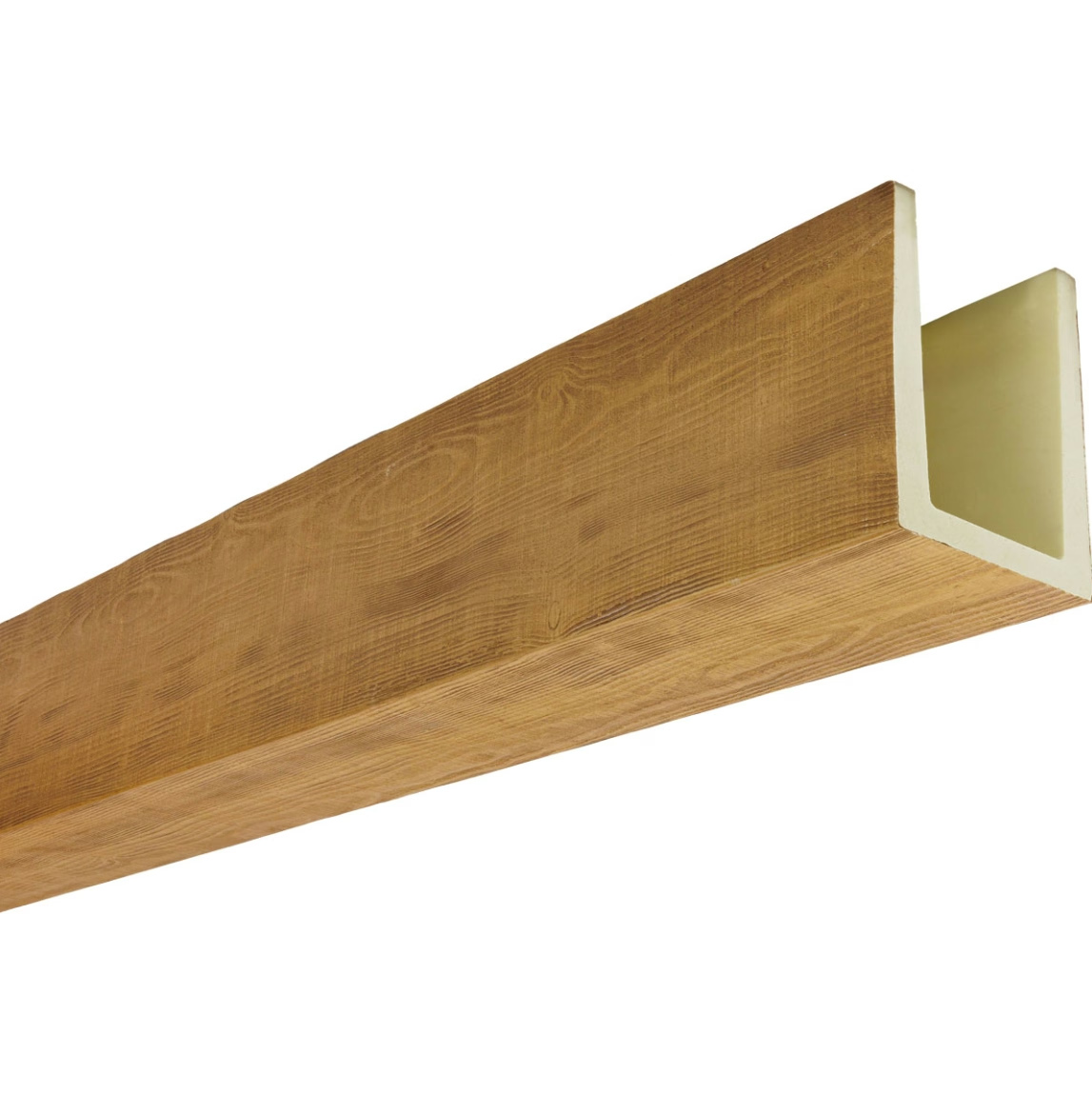
The base coat provides the color and texture of the beam. The base coat includes the pigments that give the beam its wood-like appearance and the texture agents that create the grain pattern. The base coat must be UV-stable to prevent fading and water-resistant to prevent damage from moisture.
The glaze layer adds depth and character to the finish. The glaze is applied over the base coat and creates the variations in color that make the beam look like natural wood. The glaze must be compatible with the base coat and must not interfere with the protective properties of the topcoat.
The topcoat is the final layer of the finish system and the primary barrier against weather. The topcoat must be UV-resistant, water-repellent, and abrasion-resistant. Premium external grade beams use topcoats formulated specifically for outdoor exposure with the highest levels of UV protection and water repellency.
Installation in Weather-Exposed Applications
The installation of weatherproof beams requires attention to details that are not critical for interior applications. These details ensure that the beams perform as expected over the life of the installation.
The mounting hardware must be appropriate for exterior service. Stainless steel or hot-dipped galvanized fasteners resist corrosion and prevent rust staining on the beam surface. The fasteners should be sized to handle the expected wind loads and any snow or ice loads that may apply to the installation.
The mounting points should be sealed to prevent water from penetrating behind the beam. Sealant or flashing can be applied at the mounting points to direct water away from the structure. The sealing is particularly important at the top of the beam, where water can pool during rainfall.
The joints between beam sections should be finished to prevent water intrusion. Color-matched filler or trim pieces can be applied at the joints to create a weatherproof seal. The joints should be inspected periodically to confirm that the seal remains intact.
The transitions between the beams and adjacent surfaces should be finished to prevent water from being directed into the structure. Proper flashing, sealant, and trim details at the transitions ensure that water is shed away from the building rather than into it.
Working With Existing Structures
For installations on existing structures, the condition of the substrate affects the performance of the weatherproof beams. The substrate should be inspected before installation to identify any issues that need to be addressed.
Rotting or damaged framing should be repaired or replaced before the beams are installed. The new framing should be treated with preservative to extend its service life. Any loose or corroded fasteners should be replaced.
The sheathing or other surface material behind the beams should be intact and weatherproof. Any gaps, holes, or damaged areas should be repaired before the beams are installed. The repair ensures that the structure behind the beams remains protected even if water somehow penetrates the beam installation.
The flashing and weatherproofing details of the existing structure should be inspected and upgraded as needed. The beam installation is an opportunity to address any weatherproofing deficiencies that may have developed over the life of the structure. The additional cost of weatherproofing upgrades is modest compared to the long-term benefits.
Performance in Specific Weather Conditions
External grade weatherproof beams are designed to perform across a wide range of weather conditions. The specific performance varies with the conditions, but the beams maintain their weatherproof properties under virtually any normal weather scenario.
Heavy rainfall is a common test for weatherproof performance. The closed-cell foam does not absorb water, the finish sheds water from the surface, and the joints prevent water intrusion. Even under sustained heavy rain, the beams remain dry and the structure behind them is protected.
Snow and ice accumulation presents a different challenge. The weight of accumulated snow can stress the mounting hardware. The formation of ice can damage the finish if the ice expands or contracts. Premium beams are designed to handle snow loads through proper mounting, and the finish is formulated to resist ice damage.
Wind-driven rain is particularly challenging because the rain is forced into small gaps that would otherwise be protected. The sealant at the mounting points and the joints is critical for performance under wind-driven rain. Premium installations include additional sealing measures at the most vulnerable points.
Intense sun exposure tests the UV resistance of the finish. Premium external grade beams maintain their color and finish integrity under years of intense sun exposure. The UV inhibitors in the finish absorb or reflect the radiation before it can damage the underlying layers.
Climate-Specific Recommendations
Different climates present different challenges for weatherproof beams. Premium suppliers offer formulations and recommendations tailored to specific climate conditions.
Tropical climates require maximum UV protection and mildew resistance. The humidity and intense sun create challenging conditions that demand the highest levels of protection. Premium tropical formulations include enhanced UV inhibitors and mildew-resistant additives.
Desert climates require thermal stability and UV protection. The extreme temperature swings and intense sun exposure can stress materials that are not specifically formulated for these conditions. Premium desert formulations include additives that maintain flexibility across wide temperature ranges.
Cold climates require cold-temperature flexibility and snow load capacity. The freezing temperatures and potential snow accumulation demand materials that remain flexible and hardware that can handle the additional load. Premium cold-climate formulations include additives that prevent brittleness at low temperatures.
Coastal climates require salt-spray resistance and corrosion protection. The salt air and salt spray can corrode metal components and damage some finishes. Premium coastal formulations include additives that resist salt damage and recommendations for corrosion-resistant hardware.
Maintenance Requirements
External grade weatherproof beams require minimal maintenance compared to real timber or lower-grade faux beams. The maintenance requirements are limited to periodic cleaning, occasional inspection, and rare touch-up.
Annual cleaning removes dirt, pollen, and other contaminants that can accumulate on outdoor surfaces. Mild soap and water with a soft brush is usually sufficient for cleaning. Pressure washing is generally not recommended because the high pressure can damage the finish.
Periodic inspection identifies any issues before they become serious problems. The inspection should look for cracks, chips, fading, mildew, and any other signs of deterioration. The inspection should also check the sealant at the mounting points and joints. Any issues should be addressed promptly to prevent further damage.
Touch-up may be necessary occasionally to address minor damage. Touch-up kits from the manufacturer allow small repairs to be made by property maintenance staff. The touch-up should follow the manufacturer's recommendations for color matching and application technique.
The total maintenance cost over a 20-year period is typically much lower than for real timber. The savings come from reduced cleaning frequency, no refinishing requirements, and no replacement of rotted or damaged sections. The maintenance plan can be simple and infrequent.
The Long-Term Value of Weatherproof Construction
External grade weatherproof beams represent a significant investment in long-term performance. The initial cost is higher than commodity products, but the return comes through decades of reliable service with minimal maintenance. The cost per year of service is low, and the total cost of ownership is favorable compared to alternatives.
For property owners who want the timber appearance without the maintenance burden, weatherproof faux beams are the practical choice. The beams deliver the aesthetic that designers want with the performance that property owners require. The combination of appearance, performance, and value makes weatherproof faux beams the preferred choice for exterior applications in any climate.
As the technology continues to evolve, weatherproof beams will likely offer even better performance. Enhanced UV protection, longer-lasting finishes, and improved material formulations are all areas of ongoing development. The result is a beam that maintains its appearance for longer and delivers better value over the life of the installation. For designers and property owners who want the best possible performance from their exterior beam installation, weatherproof construction remains the standard that defines premium quality.
Technical References
ASTM standards cited in every specification
Test Data
Lab results from internal testing program
Updated 2026
Reviewed against current product specs