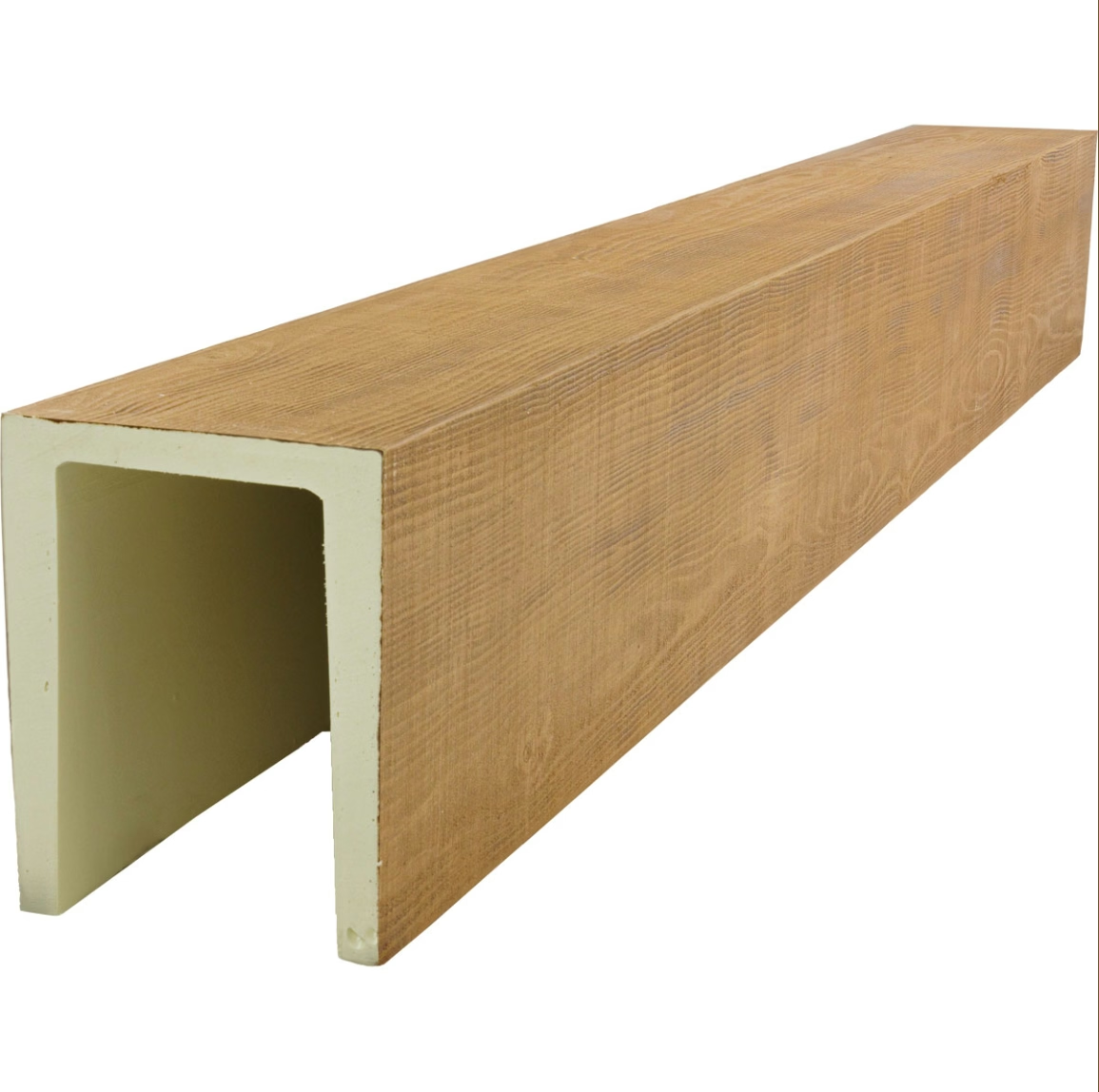
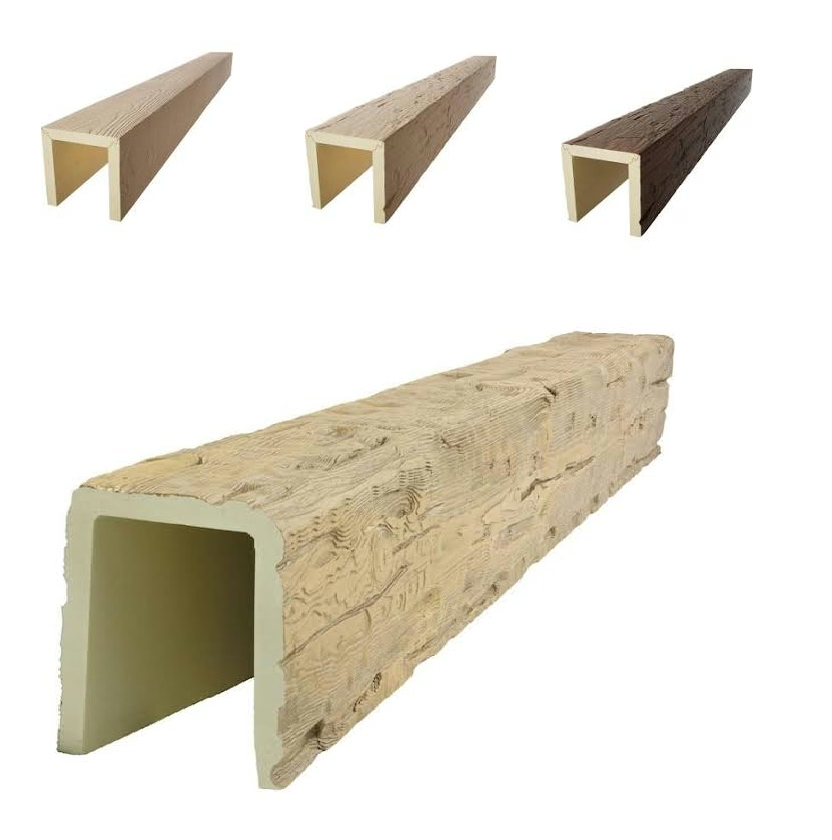
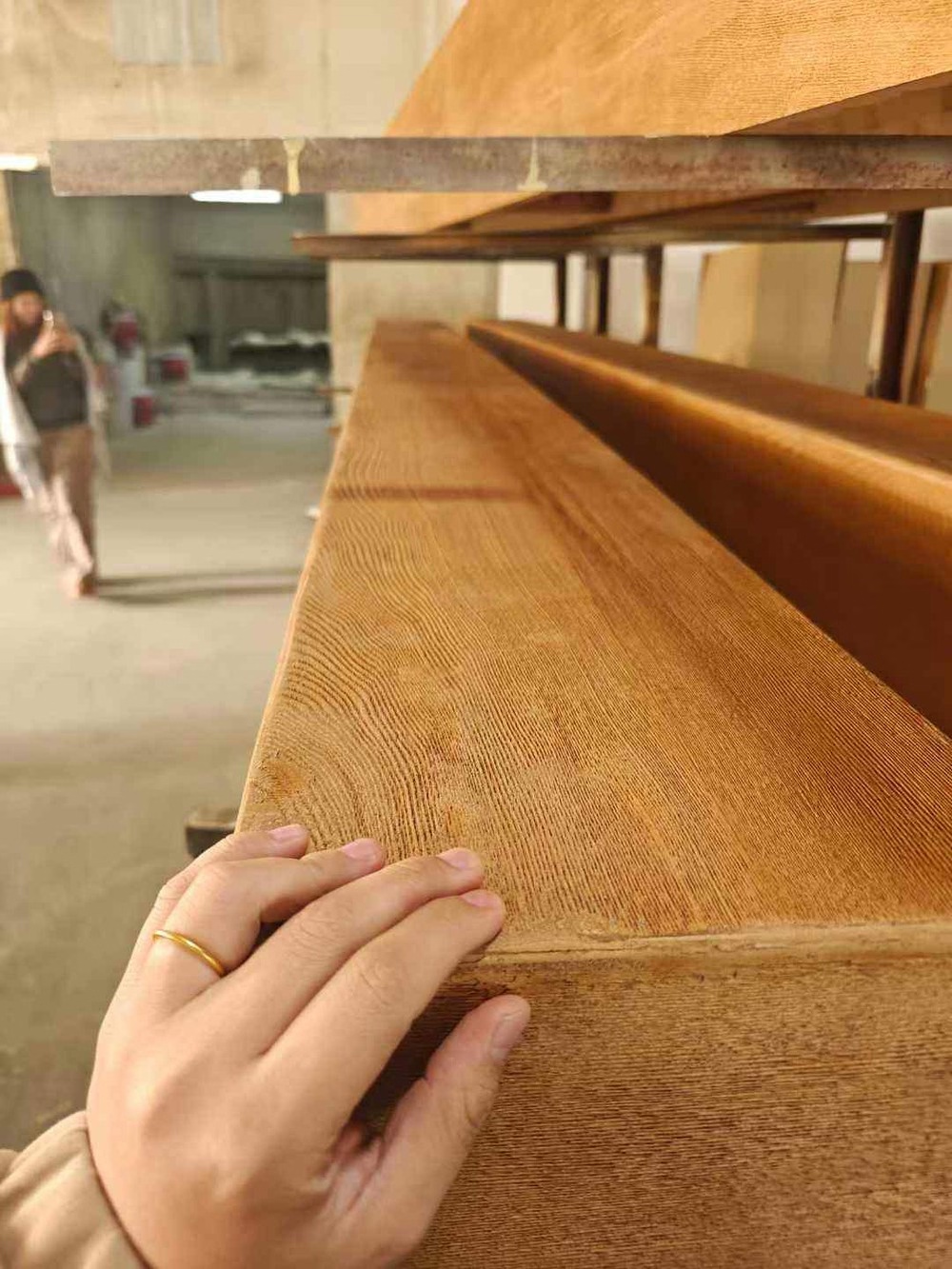
Color consistency across an entire ceiling beam installation is one of the most visible markers of quality. Beams that match each other in tone, depth, and warmth read as a unified design. Beams that vary noticeably from one to the next read as a collection of mismatched parts, regardless of how good each individual beam looks.
Factory pre-staining is the most reliable way to achieve color consistency. The stain is mixed in batches large enough to cover the entire order, applied in a single production run by workers using consistent technique, and cured under controlled conditions. The result is beams that look like they were cut from the same piece of timber.
For projects with many beams, or for projects where the beams are a focal design element, pre-stained consistency is not a luxury. It is a baseline expectation that the project cannot afford to fall short of.
The factory staining process
Factory pre-staining starts with stain formulation. The factory's color lab creates a stain mix that matches the target color, whether that color is specified by the buyer's reference sample or chosen from the factory's standard color card. The formulation includes the base color, any accent colors, and any modifiers that affect how the stain interacts with the polyurethane substrate.
Surface preparation precedes the stain application. The cast beam is sanded smooth, primed to create a uniform base, and sometimes lightly textured to receive the stain. The texture matters because polyurethane foam has a relatively smooth surface that does not absorb stain the way wood does. A properly prepared surface accepts the stain evenly and produces a consistent color.
Stain application is the core of the process. Most factories use spray equipment to apply the stain in thin, even coats. The spray technique is calibrated to deposit the right amount of stain in each pass, with overlap patterns that ensure full coverage without flooding the surface. Skilled operators control the spray pattern, the gun distance, and the gun speed to produce consistent results.
Multiple stain coats are common for richer or more complex finishes. Each coat is allowed to flash off and partially cure before the next is applied. The result is a depth of color that single-coat applications cannot achieve. For multi-tone finishes, different colors might be applied in sequence, with each color adding character to the overall appearance.
Topcoat application seals the stain and protects it from physical and environmental damage. The topcoat is typically a clear polyurethane or acrylic that does not significantly alter the stained color. Multiple thin topcoats produce a more durable finish than a single thick coat.
How factory staining differs from on-site staining
The most important difference is environmental control. Factory staining happens in a space with stable temperature, controlled humidity, and filtered air. These conditions produce predictable stain behavior and consistent results. On-site staining happens in variable conditions that affect how the stain applies, how it absorbs, and how it cures.
The second important difference is equipment. Factory spray equipment is commercial grade, well-maintained, and operated by trained personnel. On-site spray equipment is often rental grade, less precisely calibrated, and operated by workers with varying levels of experience. The factory equipment produces a more uniform application.
The third important difference is batch consistency. A factory stain batch can be sized to cover an entire order, ensuring that every beam receives stain from the same mix. On-site staining typically uses multiple cans or batches that might have slight variations, even from the same product line. The factory approach eliminates this source of inconsistency.
Common stain colors for faux wood beams
Traditional wood tones form the foundation of most factory stain menus. Walnut, oak, cherry, mahogany, and pine are widely available in multiple variations. The variations within each species allow buyers to select a specific tone that matches their project requirements.
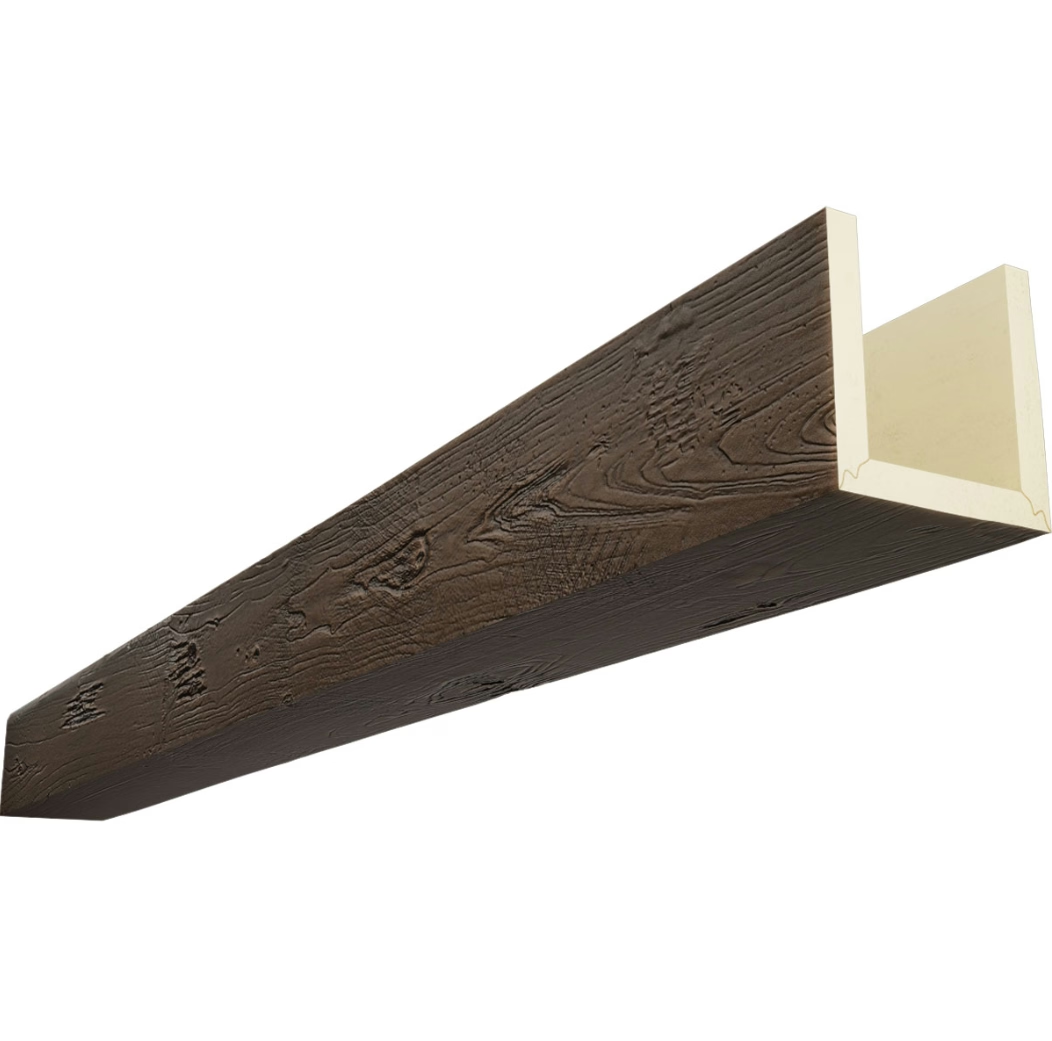
Weathered and aged tones are increasingly popular. Driftwood gray, barnwood, weathered oak, and reclaimed timber finishes mimic the appearance of wood that has aged naturally over decades. These finishes often require multiple stain colors and glaze washes to produce the layered, complex appearance of truly aged wood.
Painted and opaque finishes are less common but available. Whitewash, pickled, and cerused finishes cover the wood appearance partially or completely while still showing some grain texture. These finishes are popular in coastal, farmhouse, and Scandinavian design styles.
Custom stain colors are available from most factories but typically require larger orders to justify the formulation work. The custom process involves color matching, sample production, and approval before the production run. The setup cost is real but amortizes across the order.
How to specify the stain color correctly
The specification should reference the factory's standard color code rather than a descriptive name. Names like "weathered oak" or "barnwood" can mean different things at different factories. The color code refers to a specific formulation that the factory can replicate precisely.
The specification should include an approved reference sample. The sample can be a piece of actual wood, a finish card from another product, or a color chip from a paint manufacturer. The factory's color matching team uses the reference to develop or verify the stain formulation.
The specification should include the sheen level. The same stain color can look dramatically different under a matte, satin, or semi-gloss topcoat. Specifying the sheen ensures that the finished beam matches the design intent.
The specification should include any finish requirements for the stained beam, such as UV protection for exterior applications or enhanced durability for high-traffic installations. These requirements affect the topcoat formulation and sometimes the stain formulation as well.
Communicating color tolerance
Every stain formulation has some inherent variability. Even a factory-applied stain will show slight variation between batches or between sections of a large order. The question is how much variation is acceptable.
Most factories can hold a tolerance of one to two delta E units, which is the threshold where most observers cannot perceive a difference. Tighter tolerances are possible but add cost because they require more careful process control and sometimes higher reject rates.
Buyers should specify the acceptable tolerance in the purchase agreement. Without a specified tolerance, disputes about color consistency become matters of opinion rather than fact. A documented tolerance protects both sides and provides a clear standard for acceptance or rejection.
The tolerance specification should also include the conditions under which the color is evaluated. Color appearance changes under different lighting, so the evaluation should be done under standardized lighting conditions. The factory's QC lighting is one option; a lighting booth with controlled color temperature is another.
Production runs and color consistency
A single production run produces the most consistent color across an entire order. The factory mixes enough stain to cover the run, applies the stain in a single session or a closely scheduled series of sessions, and finishes the run before moving on to other orders.
For larger orders that exceed a single production run's capacity, the factory should plan for multiple runs with the same stain mix. The stain mix might need to be split into multiple containers, but all containers should be filled from the same original mix. This approach maintains color consistency across runs that happen on different days.
For ongoing orders over months or years, color consistency becomes more challenging. The stain formulation might drift slightly as raw materials change, equipment wears, or operators change. A factory with strong color matching maintains reference samples and re-formulates as needed to keep the color consistent with previous runs.
Buyers who place recurring orders should request a current production sample for comparison against the previous order. The current sample should match the previous order within the agreed tolerance. If it does not, the buyer has the opportunity to reject the new batch before production proceeds.
What causes color drift in factory production
Raw material variation is the most common cause of color drift. Stain pigments come from natural and synthetic sources, and the pigment lots vary slightly from shipment to shipment. A factory that maintains close relationships with its pigment suppliers can manage this variation; a factory that sources pigments based purely on price will see more drift.
Equipment wear is the second most common cause. Spray nozzles wear, altering the spray pattern. Pumps degrade, changing the flow rate. Filters clog, affecting the spray consistency. Regular equipment maintenance minimizes these effects but does not eliminate them.
Operator technique is the third most common cause. Different operators have slightly different application techniques, even when they are trained on the same process. The variation is usually small, but on a large order, the cumulative effect can shift the color noticeably.
Environmental conditions are the fourth most common cause. Temperature and humidity in the finishing area affect how the stain flows, how it absorbs, and how it cures. The factory's environmental controls should minimize this variation, but seasonal changes sometimes push conditions outside the optimal range.

Evaluating pre-stained samples
Sample evaluation is the buyer's opportunity to verify color and finish quality before placing a full order. The sample should be evaluated under several conditions to ensure it will perform as expected in the actual installation.
The first evaluation condition is the lighting in the room where the beam will be installed. The sample should be viewed under the actual lighting, whether that is natural light, incandescent, LED, or a combination. Color appearance can shift significantly between lighting types.
The second evaluation condition is the distance from which the beam will typically be viewed. The sample should be viewed from the same distance and angle that the installed beam will be viewed from. Color variations that are invisible up close might be noticeable from across a room, and vice versa.
The third evaluation condition is in comparison to other materials in the space. The sample should be placed next to flooring, furniture, cabinetry, or other elements that will be in the same room. The beam should complement these materials, not clash with them.
The fourth evaluation condition is over time. Color appearance can shift slightly as the finish fully cures in the first days or weeks after application. The sample should be re-evaluated after it has had time to cure completely, before final approval.

Common pre-stained finish problems
The most common problem is color mismatch between the approved sample and the production run. The sample was a slightly different shade than the production run, even though both were produced from the same formulation. This is usually within acceptable tolerance but can be disappointing if the buyer expected an exact match.
The second common problem is uneven stain absorption across the beam surface. Some areas of the beam absorb more stain than others, creating blotchy or streaked appearance. This is usually a surface preparation issue and indicates that the beam was not properly primed or sanded before staining.
The third common problem is finish defects in the topcoat. Orange peel, runs, sags, and dust inclusions in the topcoat affect the appearance of the stained color beneath. The stain might be perfect, but the topcoat imperfections make the beam look flawed.
The fourth common problem is color shift after installation. The beam looks correct at installation but appears different a few weeks or months later. This can be due to continued curing, UV exposure, or interaction with other materials in the space.
Working with the factory on color matching
The factory's color matching team is the buyer's primary resource for achieving the right pre-stained color. The team includes color specialists who understand pigment behavior, stain chemistry, and application techniques. Engaging this team early in the project produces better results than engaging them only when a problem arises.
Providing clear reference samples is the foundation of good color matching. The reference might be a piece of actual wood that the buyer wants to match, a finish card from another product, or a paint chip. The clearer the reference, the more accurate the match.
Allowing time for the color matching process is also important. Rushing the factory to produce a sample in 24 hours usually produces a less accurate match than allowing the standard 3 to 5 days for proper color development. The extra time up front saves time and money later by reducing the need for re-dos.
Approving samples in writing is the final step. The written approval confirms that the buyer and the factory agree on the target color. The approval should reference the specific sample by date, identification number, or other unique identifier so there is no ambiguity about what was approved.
The economics of pre-stained beams
Pre-stained beams cost more than unfinished beams from the same factory. The premium covers the stain materials, the labor to apply the stain and topcoat, and the factory's quality control for the finish. The premium typically ranges from $10 to $40 per beam, depending on the finish complexity.
For projects with many beams, the pre-stain premium is amortized across more pieces and is easier to justify. For projects with few beams, the premium might represent a meaningful percentage of the total beam cost, and the value of pre-staining should be weighed against on-site staining alternatives.
For projects with strict color requirements, pre-staining is almost always the right choice regardless of the project size. The factory finish is more consistent than on-site finishing, and the buyer avoids the risk of color drift between beams finished at different times by the same on-site finisher.
Pre-stained PU faux wood beams represent the practical choice for projects where color consistency matters. The factory process produces results that on-site finishing cannot reliably match, and the cost premium is reasonable for the quality improvement. For buyers who value both the visual result and the project efficiency, pre-stained is the clear winner.
Technical References
ASTM standards cited in every specification
Test Data
Lab results from internal testing program
Updated 2026
Reviewed against current product specs