
Most homeowners who install decorative ceiling beams expect the color they chose on day one to still look like the color they chose five or ten years later. That sounds simple, but it's surprisingly difficult to achieve with materials that aren't engineered specifically for color stability. Faux wood beams manufactured from high-grade polyurethane behave very differently in this regard compared to stained timber, painted MDF, or vinyl wraps, and the difference becomes obvious in rooms where sunlight streams across the ceiling for hours each day.
What Fade-Proof Actually Means for Polyurethane Beams
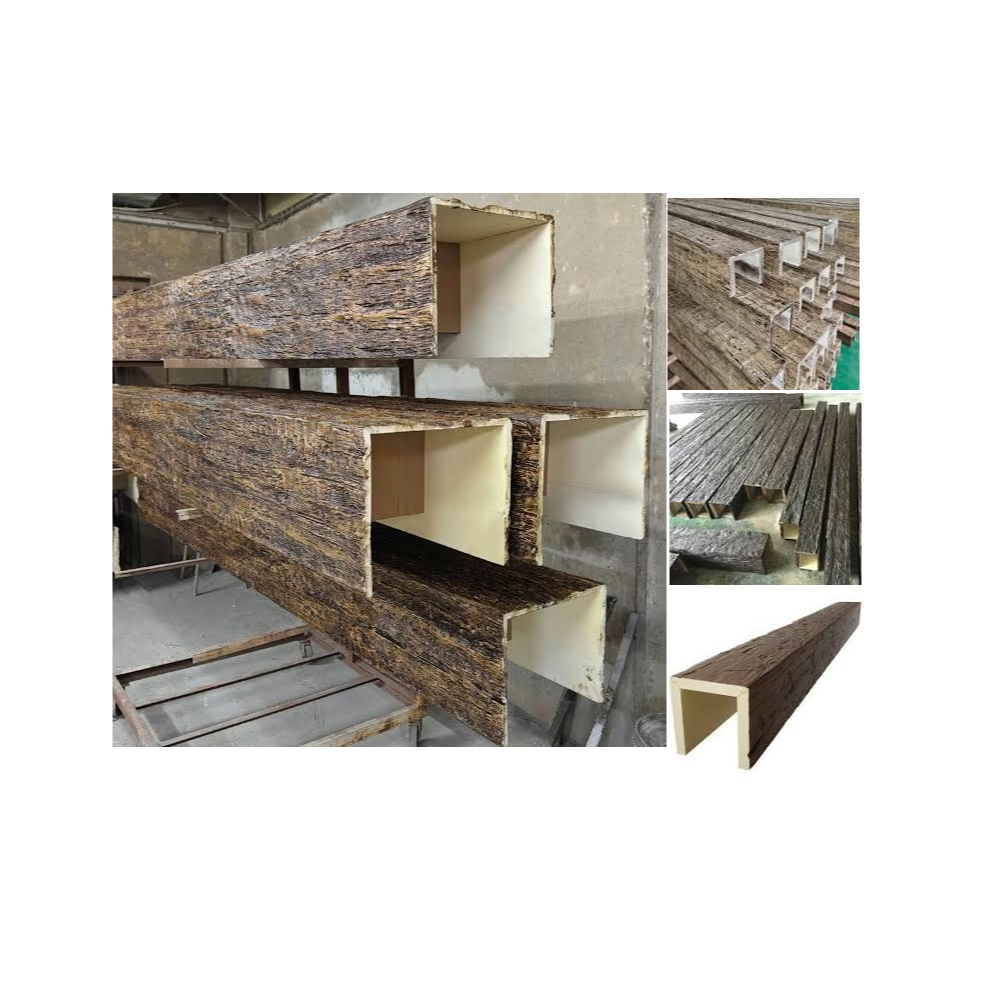
When manufacturers describe polyurethane beams as fade-proof, they are referring to the pigment's integration into the polymer matrix rather than a surface coating. The color is dispersed throughout the foam structure during molding, which means the beam carries the same tone from outer surface to interior wall. Even if a beam is later nicked, scraped, or sanded for a repair, the freshly exposed material beneath still matches the surface appearance.
This is a fundamentally different mechanism from how timber or coated products hold color. Stained wood carries most of its pigment in the surface layer and gradually oxidizes as that layer weathers. Painted surfaces chalk, peel, and yellow with time. Polyurethane beams, by contrast, are essentially immune to those failure modes in normal indoor environments. The pigment is locked into the material at the molecular level.
Pigment Selection and UV Absorbers
Factory-grade polyurethane beams designed for color longevity incorporate two complementary systems. The first is high-quality inorganic pigment, typically iron oxide or titanium dioxide based, which has inherently excellent lightfastness ratings on the wool scale and resists photochemical breakdown. The second is a package of UV absorbers and hindered amine light stabilizers blended into the resin before molding. These additives intercept UV radiation and neutralize the free radicals that would otherwise initiate polymer degradation.
The combination produces a beam that can sit in direct sun through a south-facing window for years without measurable color shift. In accelerated weathering tests, premium PU beams typically show less than one Delta E unit of color change after the equivalent of many years of indoor exposure, which is below the threshold that the human eye can reliably detect.
Indoor Color Stability vs Outdoor Demands
It's worth distinguishing between fade-proof ratings for indoor use and the more demanding requirements of outdoor exposure. Indoor sunlight is filtered through window glass, which removes most UVB radiation and a significant portion of the more damaging short-wavelength UVA. Polyurethane beams rated for indoor color stability are engineered for exactly these conditions, and they perform exceptionally well.
Outdoor beams face a much harsher radiation spectrum along with moisture cycling, temperature swings, and biological exposure. Indoor-rated products should not be substituted for outdoor applications. But within their intended environment, an indoor fade-proof beam will keep its appearance essentially unchanged for the lifetime of the installation.
What Homeowners Actually Notice
The most common complaint about decorative beams that don't hold color is uneven fading. One section near a window lightens noticeably while a section around a corner stays at the original tone. This patchwork effect makes the entire ceiling look older than it is and is almost impossible to fix without repainting the affected areas. Polyurethane beams sidestep this problem entirely because they don't fade unevenly in the first place.
Over the long term, this translates into predictable maintenance planning. A homeowner who installs fade-proof indoor beams can budget around essentially zero color maintenance for the first fifteen to twenty years, and even after that, any touch-up work blends invisibly because the underlying material matches.
Practical Implications for Residential Projects
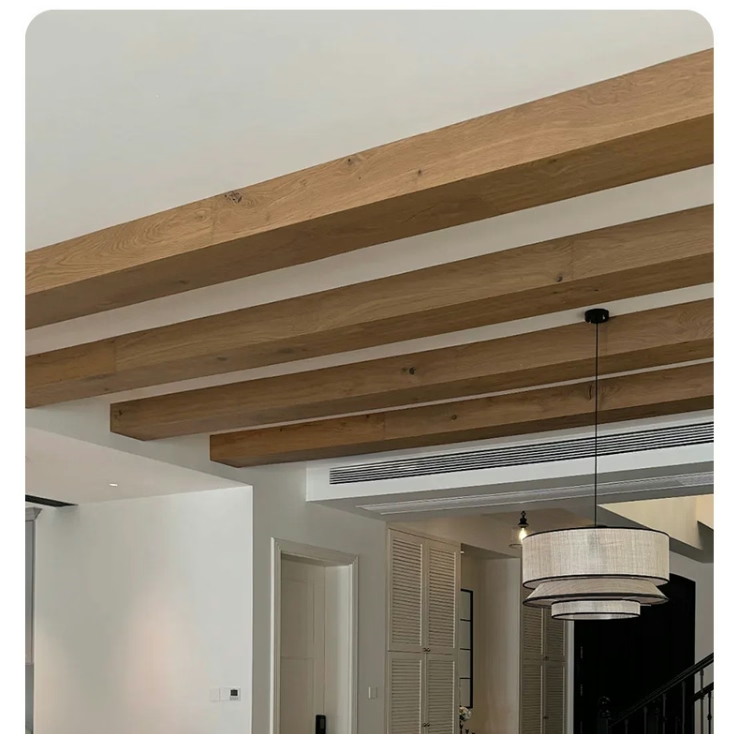
For specifiers and homeowners, fade-proof performance changes how you approach beam selection in rooms with significant glazing. Sunrooms, conservatories, kitchens with skylights, great rooms with floor-to-ceiling windows, and stairwells with skylights above all present challenging light environments. Polyurethane beams rated for indoor color stability handle these conditions without the typical lifecycle costs of stained timber.
The practical benefit isn't only aesthetic. Many wood species used for decorative beams are harvested from old-growth forests or slow-growth sources specifically because their grain and color are stable. Polyurethane beams offer comparable visual stability without that resource cost, and they arrive ready to install with no sealing, staining, or finishing required.
Choosing the Right Fade-Proof Beam
When evaluating products, look for manufacturers who publish accelerated weathering data rather than relying on vague marketing language. A genuine fade-proof indoor beam should come with documentation of UV exposure testing, pigment lightfastness ratings, and ideally a written warranty covering color stability for a defined period.
Ask specifically about the pigment system. Inorganic iron oxide pigments in warm tones and titanium dioxide whites are the standard for high-performance products. If a manufacturer can't describe their pigment package or UV additive system, that's a meaningful signal. The best suppliers are happy to walk through the chemistry because it's a key selling point.
Installation Considerations for Color Consistency
Even with a fade-proof beam, a few installation practices help preserve color uniformity across the ceiling. Store beams in the room for at least 48 hours before installation so they equilibrate to ambient humidity and temperature. This prevents any minor expansion or contraction from creating visible joints or gaps that could read as color inconsistencies at the seams.
When joining multiple beams, use color-matched touch-up kits from the manufacturer rather than generic fillers. These kits contain the same pigment system as the beams themselves and maintain the fade-proof warranty. Off-brand fillers may match initially but will diverge over time.
If the design includes both PU beams and adjacent real-wood elements like window casings or flooring, remember that those elements will continue to age naturally even if the beams stay perfectly stable. This is rarely a problem in practice, but it's worth considering when selecting beam tones that should harmonize with surrounding timber for many years.
Long-Term Value and Lifecycle Thinking
The economic argument for fade-proof indoor polyurethane beams goes beyond the initial purchase price. Traditional timber beams require periodic refinishing in sun-exposed rooms, typically every three to seven years depending on the species and finish. Each refinishing cycle adds labor, materials, and disruption to daily life. Over a thirty-year horizon, those cycles represent a substantial hidden cost that polyurethane beams simply don't impose.
For commercial applications like hotel lobbies, restaurant interiors, and retail showrooms, the case is even stronger. Refinishing decorative beams in a busy public space means closing sections of the venue, working around guests or customers, and managing the visual disruption of half-finished ceilings. Color-stable beams eliminate that cycle entirely. The maintenance budget can be redirected to other priorities.
The result is a ceiling feature that performs exactly as it did the day it was installed, year after year, with no surprises and no scheduled refinishing. That's the practical meaning of fade-proof, and it's a meaningful upgrade over older generations of decorative beam materials.
Technical References
ASTM standards cited in every specification
Test Data
Lab results from internal testing program
Updated 2026
Reviewed against current product specs


