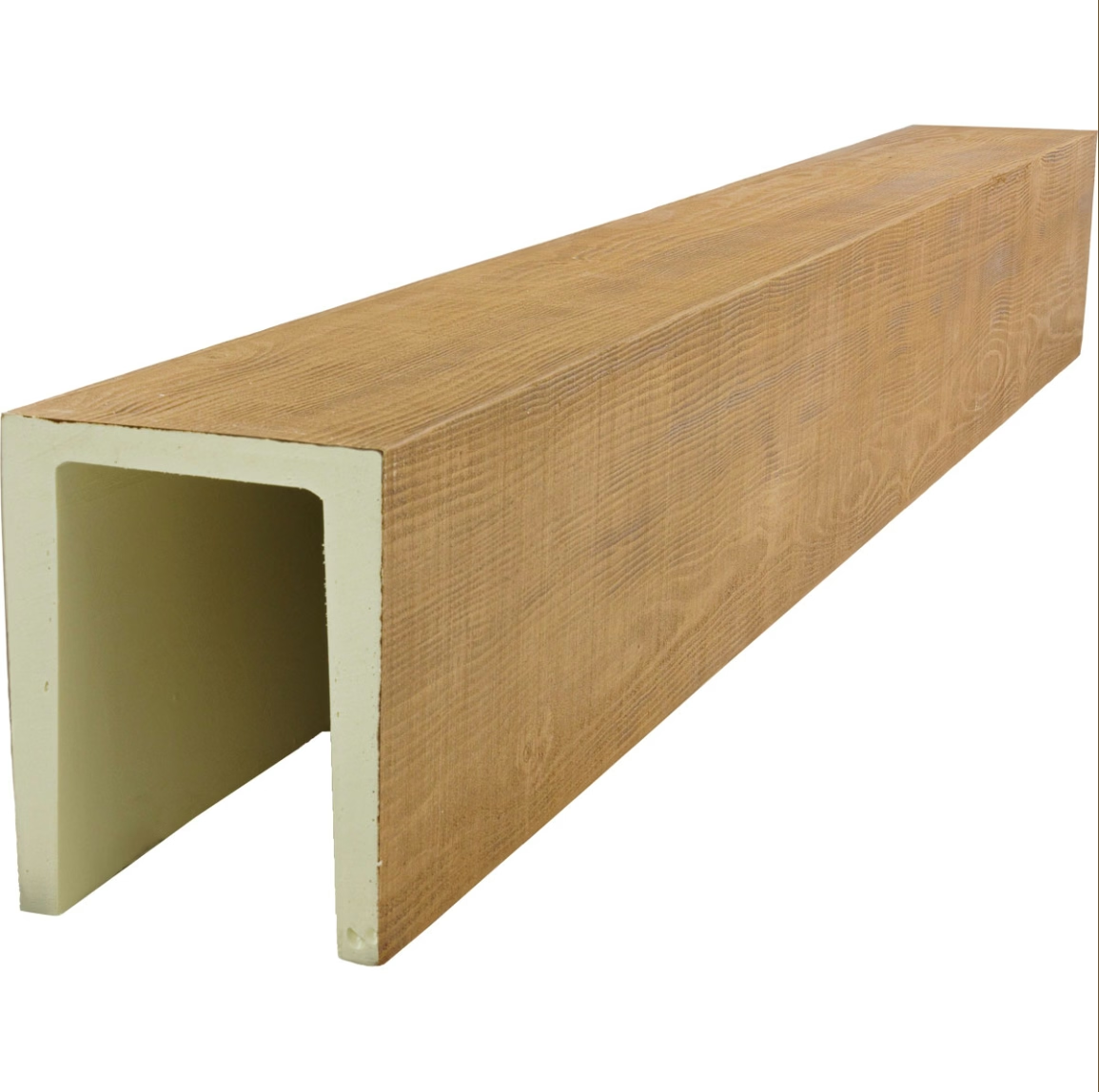
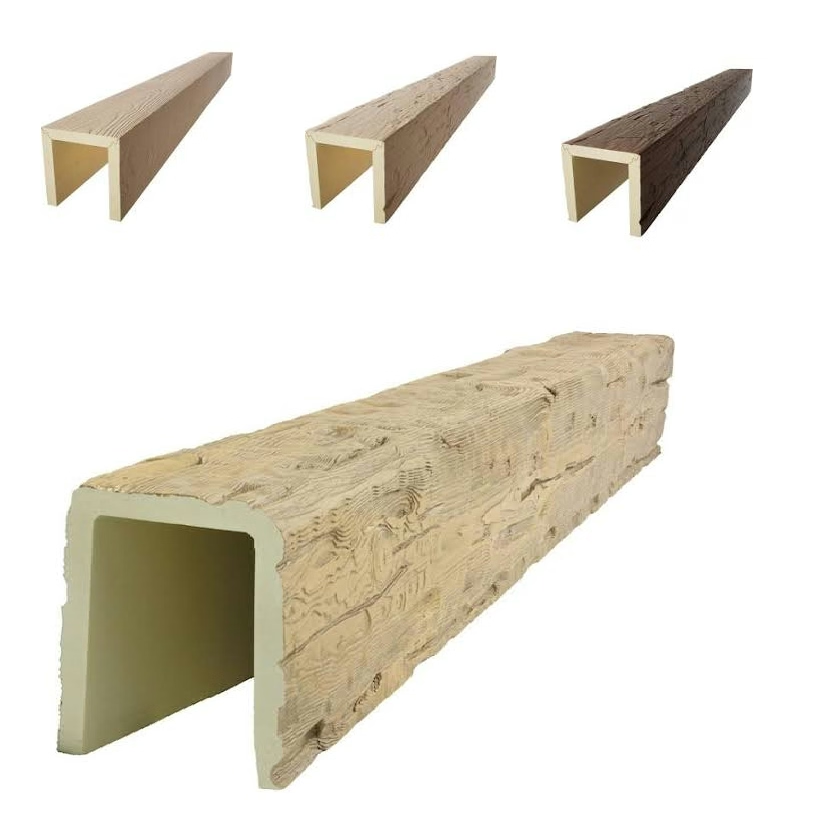
The short answer is yes, the majority of commercial faux wood beams sold for architectural use today are made from polyurethane foam. The slightly longer answer is that the term polyurethane foam covers a wide range of material formulations, and the specific grade used for faux beams is engineered quite differently from the flexible foam in cushions or the spray foam used for insulation.
What Polyurethane Foam Means in Beam Manufacturing
Polyurethane foam in beam production starts as a liquid resin system. Two chemical components, typically a polyol blend and an isocyanate, are combined in precise ratios along with catalysts, surfactants, blowing agents, and any number of performance additives. The mixture is then poured or injected into a closed mold that has the shape and surface texture of the finished beam.
Inside the mold, the liquid expands as the blowing agents generate gas and the polymerization reaction proceeds. The expansion fills the mold cavity completely, after which the material cures into a rigid cellular structure. The result is a beam with a solid outer skin and a closed-cell foam interior. This is what gives polyurethane faux beams their characteristic combination of light weight and structural rigidity.
Closed-Cell vs Open-Cell Structure
For faux wood beam applications, manufacturers almost exclusively use closed-cell foam formulations. The cells in the foam are discrete bubbles with intact walls, which means the material doesn't absorb water the way open-cell foam does. This matters for outdoor applications, bathrooms, kitchens, covered patios, and any environment where humidity or occasional moisture exposure is expected.
Open-cell foam, in contrast, has interconnected cells that can wick water and hold it within the structure. Open-cell foam is occasionally used for purely decorative indoor beams in low-humidity environments because it's slightly cheaper to produce, but it's generally avoided for any beam that needs to perform reliably across conditions.
Density and Weight Considerations
Polyurethane faux beams come in a range of densities, typically from about 160 kilograms per cubic meter at the light end up to 480 kilograms per cubic meter or higher for premium products. Density directly affects three performance characteristics: weight, rigidity, and impact resistance.
Lower density beams are lighter and easier to handle during installation, but they show dents and dings more readily if struck or leaned on. Higher density beams feel more like solid wood, hold fasteners more securely, and resist impact damage better, but they add more weight to the ceiling structure and require more careful handling during installation.
For most residential and light commercial applications, mid-range densities between 240 and 320 kilograms per cubic meter offer the best balance. The beams feel substantial without being excessively heavy, and they handle normal installation stresses without damage. Higher densities are typically specified for high-traffic commercial environments where impact resistance matters more than installation weight.
Why the Skin Layer Matters
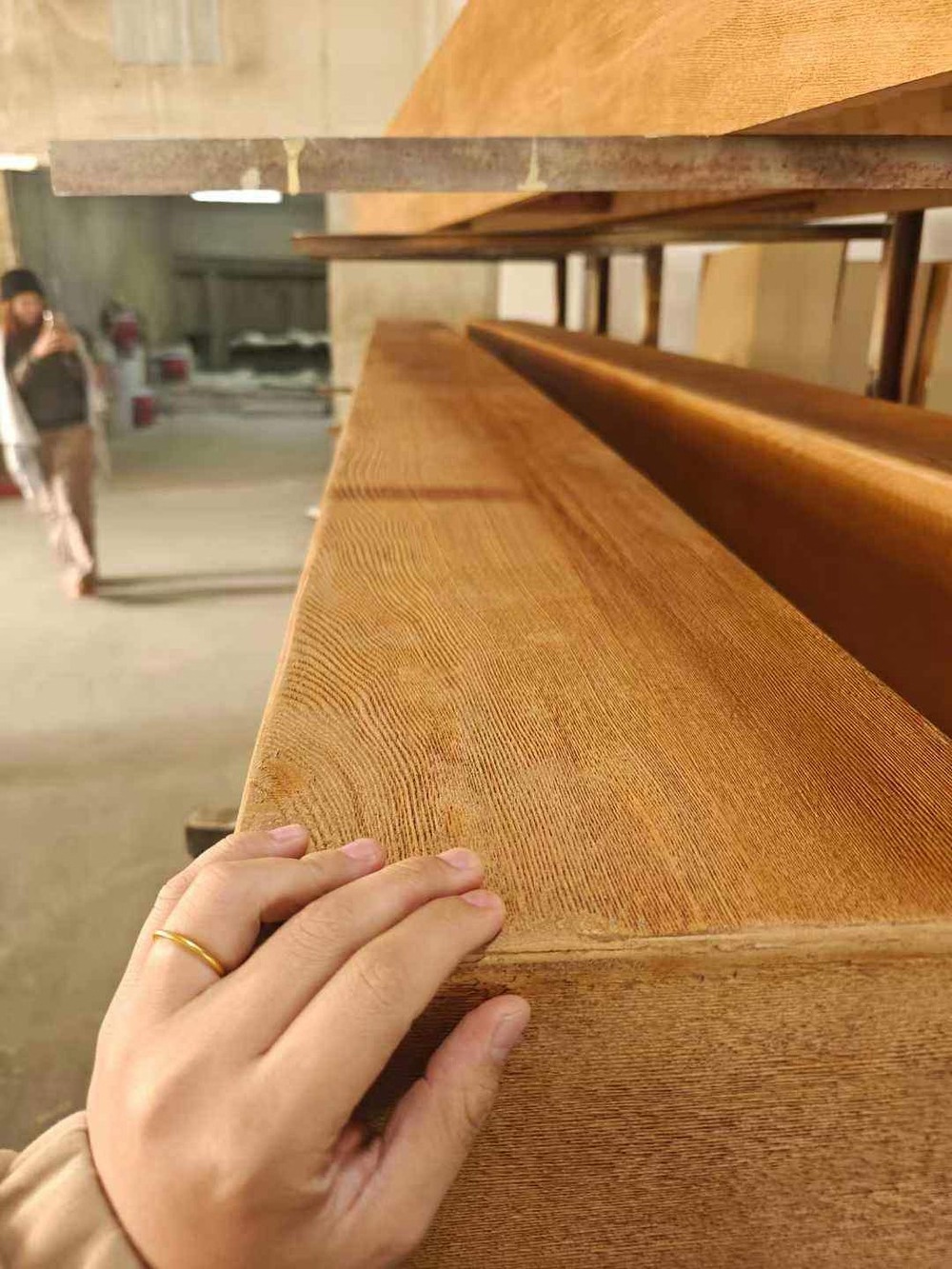
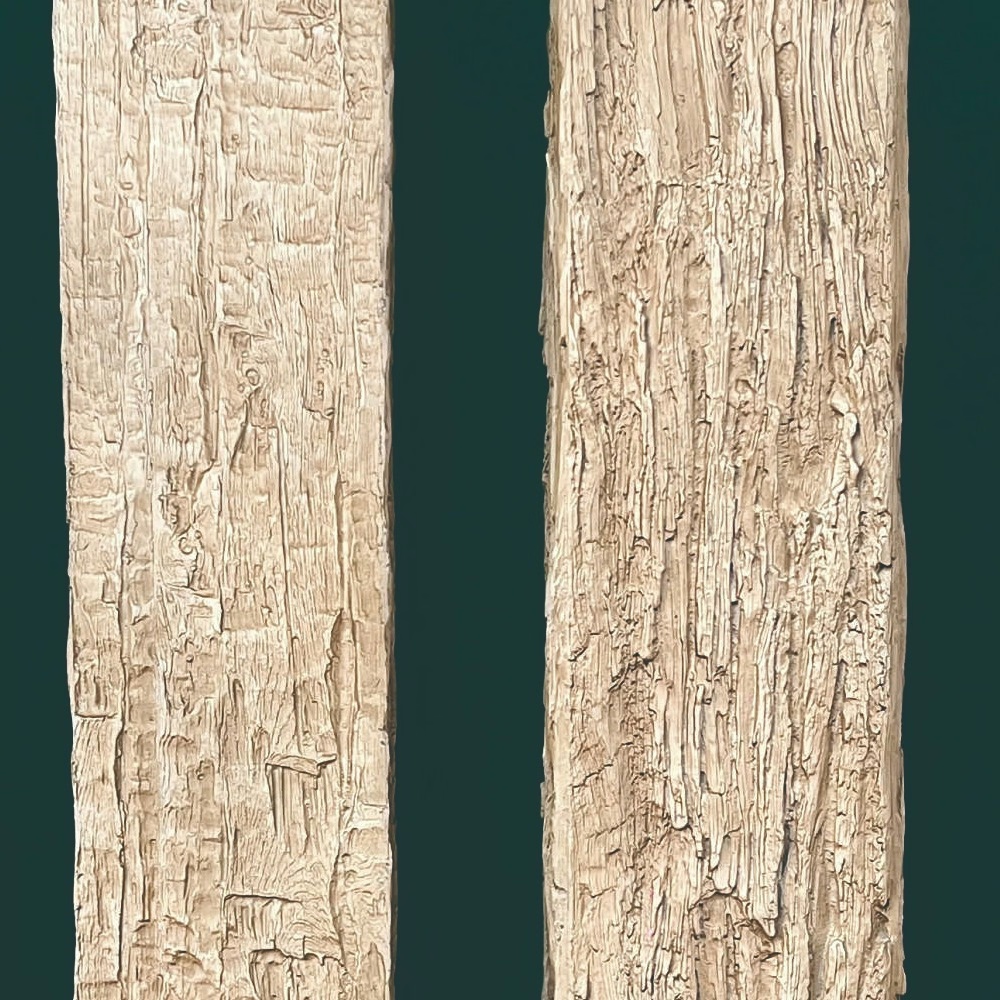
The surface skin on a polyurethane beam is fundamentally different from the foam core. During the molding process, the material in immediate contact with the mold surface cures under higher pressure and slightly different conditions than the interior, producing a denser outer layer that carries the wood grain texture and color.
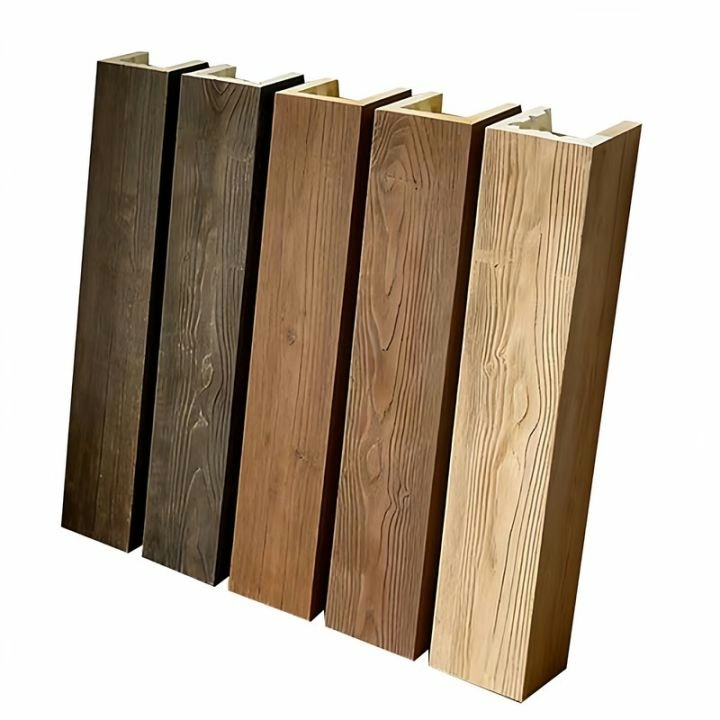
This skin is what makes the beam look and feel like wood rather than foam. It receives the pigment layer, the grain embossing, and any hand-applied finishing details. A thicker, denser skin generally produces a more convincing wood appearance and better impact resistance at the surface. A thin skin can show the foam texture beneath if scratched or worn.
Premium beam manufacturers control skin thickness carefully through mold design and process parameters. Lower-cost products may have thinner, less consistent skins that are more vulnerable to surface damage. This is one of the meaningful quality differences between price tiers in the faux beam market.
Common Misconceptions About Polyurethane Foam Beams
Several misconceptions persist about polyurethane foam beams that are worth addressing directly. The first is that they're fragile. In reality, a properly manufactured polyurethane beam handles more impact than many real-wood alternatives, particularly soft woods like cedar or pine. The foam structure absorbs energy rather than splitting or cracking the way wood does.
The second misconception is that polyurethane foam is environmentally harmful. Modern formulations have largely moved away from the older blowing agents that contributed to ozone depletion, and the polymer itself is inert and stable once cured. It doesn't off-gas significantly in service and can be recycled in some specialty programs. For projects where environmental impact is a key consideration, manufacturers can provide documentation of their specific formulations and any relevant certifications.
The third misconception is that foam beams can't be repaired. In fact, polyurethane foam accepts patching and filling more readily than wood does. Small dents, drill holes, and surface scratches can be filled with manufacturer-supplied repair compounds, sanded, and touched up with matched pigment. The repaired area blends invisibly when done correctly.
How to Verify a Beam Is Polyurethane
For buyers who need to confirm the composition of a beam they're considering, several practical tests work. A polyurethane beam sounds duller and warmer when tapped than a hollow wood or hollow plastic alternative. A small sample can be tested with a solvent like acetone, which will soften polyurethane but won't affect real wood. Manufacturers also provide technical data sheets that specify density, composition, and any relevant test results.
For commercial specification, request the manufacturer's material safety data sheet and any third-party test reports. These documents should confirm the resin system, density range, fire performance classification, and other properties that affect how the beam performs in service. Reputable manufacturers supply this documentation routinely, and the absence of it is a meaningful signal about product quality.
Selecting the Right Polyurethane Beam for Commercial Use
For commercial projects, the right polyurethane beam balances density, skin quality, fire rating, and appearance against project budget. Higher-traffic environments typically justify denser beams with thicker skins. Projects with strict fire codes require documented fire performance ratings, which most major polyurethane beam products carry through intumescent additives or specialized formulations.
Color stability matters for commercial projects that need to maintain appearance over many years without refinishing. UV-stable pigment systems and surface treatments extend the time before any color maintenance is needed. For projects with both indoor and outdoor components, UV-grade formulations designed for dual use simplify specification.
Working with a manufacturer or supplier who can document these characteristics makes commercial specification considerably easier than sourcing from generic importers who may not be able to provide detailed technical information. The documentation also becomes part of the project record, which protects both the specifier and the installer if questions arise later.
Technical References
ASTM standards cited in every specification
Test Data
Lab results from internal testing program
Updated 2026
Reviewed against current product specs