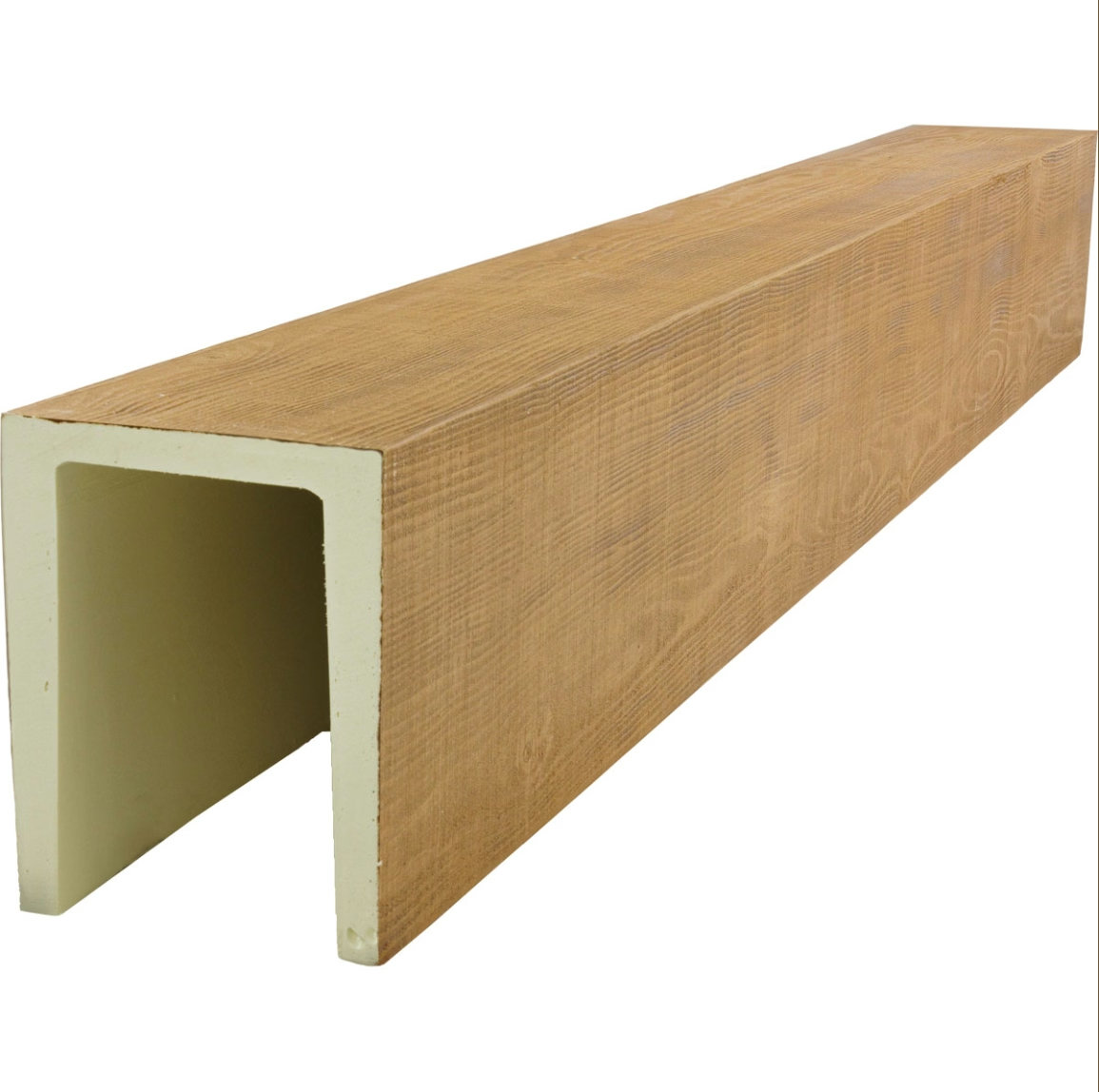
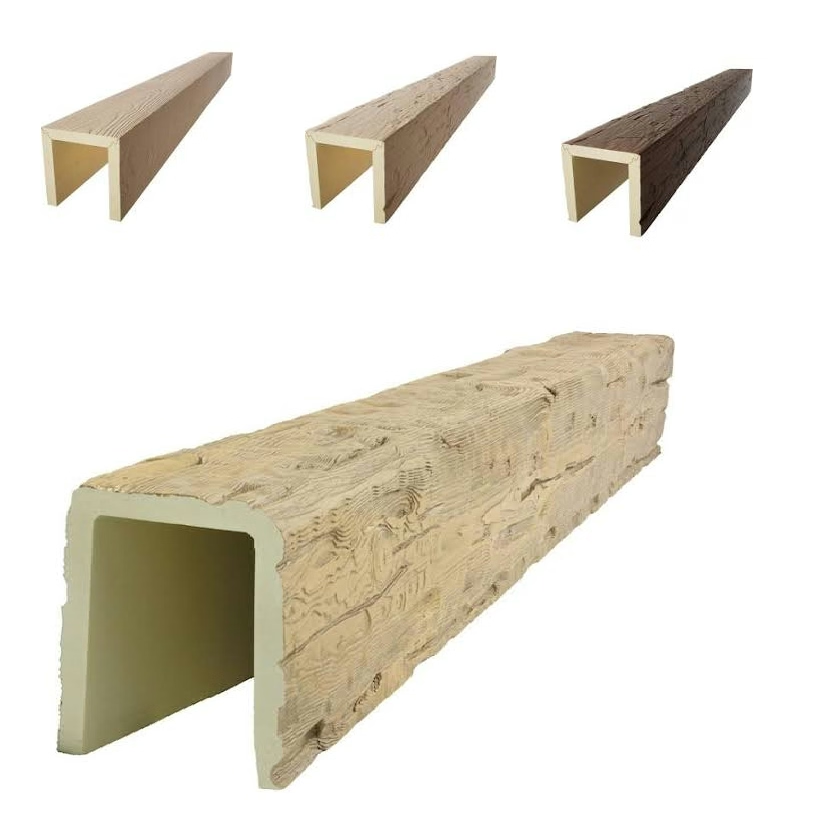
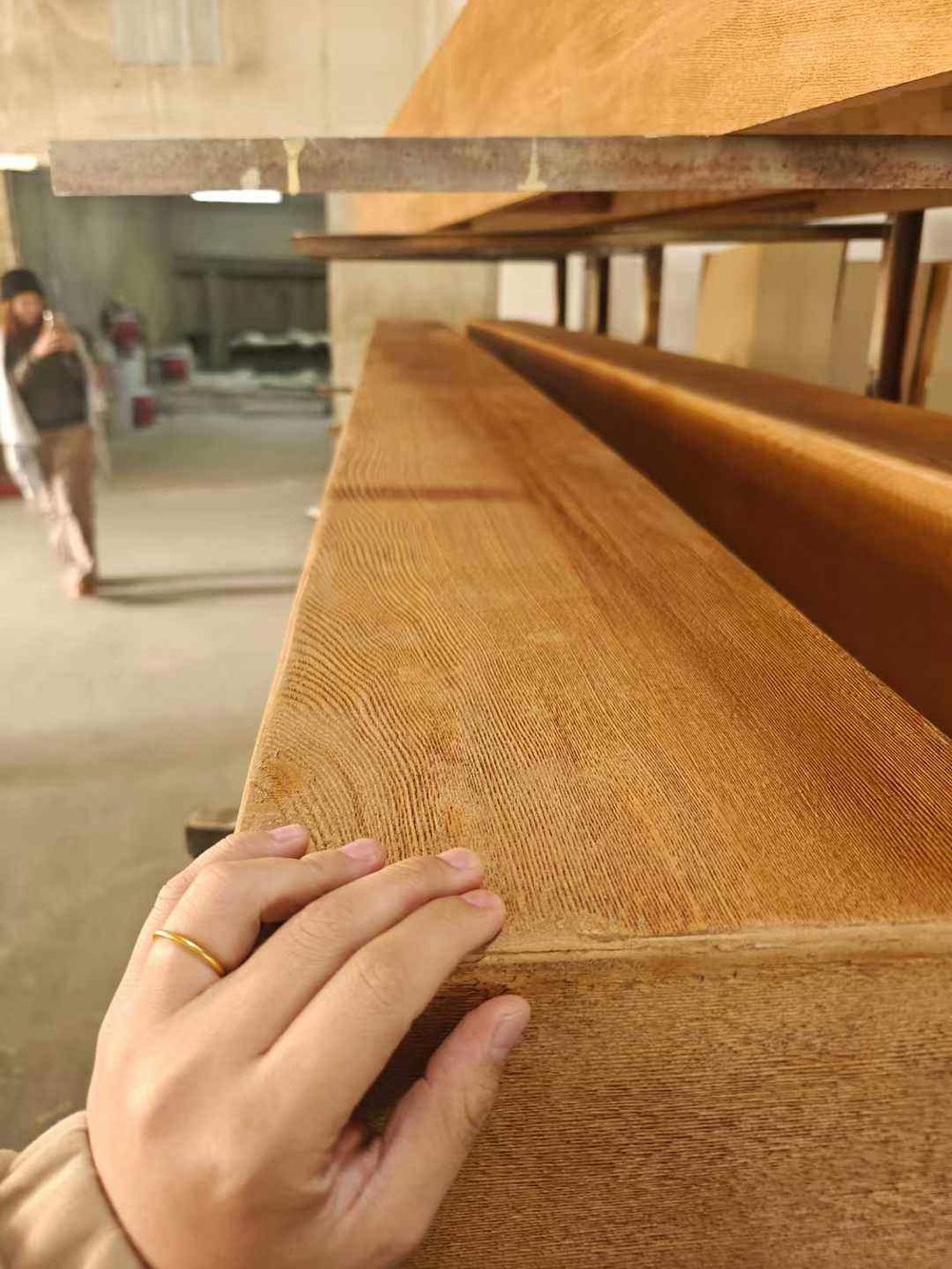
One of the most compelling advantages of polyurethane faux wood beams over natural timber is their remarkably low maintenance requirement. Real wood beams require periodic resealing, are vulnerable to moisture damage and insect infestation, and can develop cracks or warping as environmental conditions change. Polyurethane faux beams sidestep all of these concerns through the inherent properties of the material. But low maintenance does not mean no maintenance. A minimal amount of regular care ensures that polyurethane beams retain their appearance and structural integrity for the life of the installation, making them one of the most durable ceiling treatments available.
This guide covers the full range of maintenance needs for polyurethane faux beams, from routine cleaning to environmental considerations to damage repair. Whether you are a homeowner maintaining beams in your own home or a property manager responsible for beams in a commercial installation, the principles are the same: be gentle, be consistent, and address problems early.
Understanding Polyurethane as a Material
Polyurethane is a polymer that can be formulated to mimic the appearance and texture of natural wood while offering superior performance characteristics. It is lightweight, dimensionally stable, moisture-resistant, and immune to insect damage. The surface of a quality polyurethane beam is sealed during the manufacturing process, creating a non-porous surface that resists staining and is easy to clean.
The dimensional stability of polyurethane is particularly valuable in ceiling applications. Unlike natural wood, which expands and contracts with changes in humidity and temperature, polyurethane beams remain exactly the same size regardless of environmental conditions. This means no gaps between beams and ceiling, no joint separation, and no warping or twisting over time. The beams you install today will look exactly the same in twenty years, assuming basic maintenance is observed.
Routine Cleaning Methods
For most installations, routine cleaning of polyurethane faux beams is straightforward and requires no specialized products. Dust accumulation on ceiling beams is inevitable — it collects on all horizontal surfaces — but it is easily managed with a soft microfiber cloth or a duster with an extended handle designed for ceiling cleaning.
The recommended routine is simple: dust the beams with a microfiber cloth or duster at the same frequency as other ceiling surfaces in the home, typically once a month or whenever the ceiling is otherwise being cleaned. For beams in kitchens, where grease and cooking odors can lead to a film buildup, cleaning frequency may need to increase to every two weeks.
For more thorough cleaning, a soft cloth dampened with water and a small amount of mild dish soap is sufficient. Wipe the beam surface gently, following the grain direction, and then wipe dry with a clean cloth. Avoid abrasive cleaners, scouring pads, or harsh chemicals, as these can damage the beam's surface finish over time. Products containing bleach, ammonia, or petroleum solvents should never be used on polyurethane beams.
In commercial settings such as restaurants or hotels, where beams may be exposed to cooking grease, tobacco smoke, or high humidity, a more robust cleaning protocol is warranted. A solution of warm water and a few drops of dish soap applied with a soft cloth, followed by a clean water rinse and immediate drying, handles most contaminants effectively. For stubborn grease buildup, a small amount of isopropyl alcohol on a soft cloth can be used as a spot treatment, but it should be tested on an inconspicuous area first to ensure it does not affect the finish.
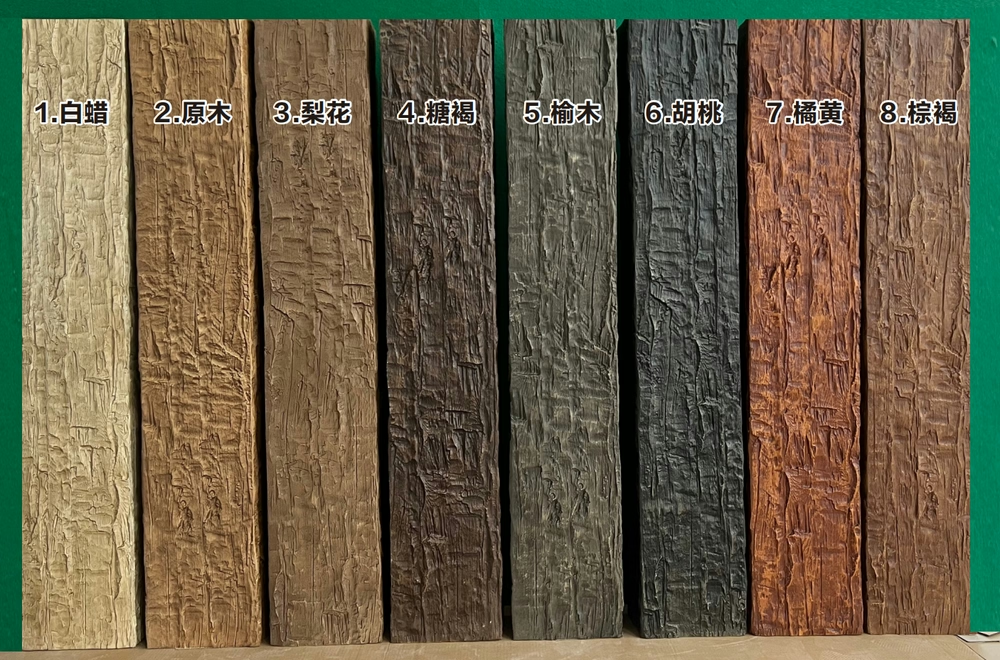
Environmental Considerations
While polyurethane is highly resistant to moisture, extreme environmental conditions can affect the appearance of beam installations over very long periods. Prolonged exposure to direct ultraviolet light — possible in rooms with large skylights or glass walls — can cause gradual fading of the beam finish, particularly in lighter wood tones. Quality polyurethane beam manufacturers address this through UV-stable finishes, but the possibility of gradual change over decades should be acknowledged.
In rooms with consistently high humidity — such as indoor pools, spa facilities, or poorly ventilated bathrooms — the beam surfaces may develop a slight surface condensation during temperature transitions. This condensation is not harmful to the polyurethane itself but should be wiped dry to prevent water spots from forming on the surface finish. A periodic application of a silicone-free polish designed for polyurethane surfaces can help maintain the finish's water resistance and visual clarity.
Temperature extremes are not typically a concern for interior polyurethane beams. The material performs reliably across the full range of interior temperature conditions found in residential and commercial buildings. However, beams installed in unheated spaces such as covered porches or three-season rooms may be subject to more significant temperature fluctuations, and the mounting hardware should be checked periodically to ensure the fasteners remain secure as the surrounding structure expands and contracts.
Repairing Surface Damage
Minor surface damage to polyurethane faux beams — small scratches, scuff marks, or chips at the edges — can be repaired effectively with materials available from hardware stores. The key is matching the repair material to the beam's finish.
For scratches that penetrate the surface color but do not affect the beam's structural integrity, a color-matched wood touch-up pen or stain marker in the appropriate shade fills the scratch and restores the appearance. Apply the stain carefully, allow it to dry completely, and then buff gently with a soft cloth to blend the repair with the surrounding surface.
For small chips or cracks at beam edges, a two-part epoxy wood filler or a polyurethane-safe caulk can fill the damaged area. After the filler has cured, sand it smooth with fine-grit sandpaper — 320 grit or higher — and apply a color-matched stain to blend the repair. In most cases, the repair will be barely visible once complete, particularly if it is located on a less prominent surface of the beam.
Larger areas of damage, such as a section of the beam that has been cracked or broken, may require replacement of the affected beam rather than repair. For this reason, it is advisable to order a small quantity of extra beam material — even a single full-length beam — at the time of the original installation. This provides a repair source for future damage without requiring a new order that may have color or finish variations from a different production batch.

Periodic Inspection and Hardware Maintenance
Even though polyurethane beams themselves require minimal maintenance, the mounting hardware that secures them to the ceiling should be checked periodically. Over time, building movement, humidity changes, and the weight of the beams themselves can cause fasteners to loosen slightly. An annual inspection — or a check whenever you notice any change in the beam's appearance or position — ensures that the installation remains secure.
Check the beam ends and mounting points for any visible gaps between the beam and the ceiling plane. If a gap has developed, it can usually be corrected by driving additional screws or nails through the beam flange and into the blocking behind the ceiling. For box beams or U-channel beams that have shifted slightly, a construction adhesive applied to the contact surfaces and clamped or weighted while it cures restores a tight fit.
In commercial installations, these inspections should be documented as part of the facility's regular maintenance program. A quarterly visual check of all beam installations, with any necessary adjustments made promptly, prevents small issues from becoming larger problems and extends the useful life of the installation indefinitely.
Long-Term Appearance Retention
The combination of routine cleaning, environmental awareness, and periodic hardware inspection ensures that polyurethane faux beams will look as good in twenty years as they did on the day of installation. Unlike real wood, which requires ongoing maintenance and eventually shows its age through weathering and wear, a properly maintained polyurethane beam is a permanent design feature that continues to contribute beauty and value to the space.
For trade buyers, communicating these maintenance realities to customers is important for setting expectations. The low-maintenance nature of polyurethane beams is a genuine selling point, but customers should understand what "low maintenance" means in practice — not "no maintenance," but a manageable, predictable care routine that is far simpler than the alternative.
Technical References
ASTM standards cited in every specification
Test Data
Lab results from internal testing program
Updated 2026
Reviewed against current product specs