A product catalog does more than list items for sale. For building materials, the catalog functions as a reference document that travels between designers, contractors, and clients throughout the planning and specification process. It introduces the product line to new audiences, serves as a specification reference during design, and supports material selection conversations in meeting rooms around the world.
Faux beam manufacturers typically maintain their catalogs as downloadable PDF files, making them easy to share and reference across teams and devices. A well-designed catalog becomes an extension of the manufacturer's brand and a valuable tool for everyone involved in the project.
What a Complete Catalog Includes
A thorough faux wood beam catalog covers several categories of information that buyers need at different stages of the project. The product overview introduces the manufacturer's brand, manufacturing philosophy, and the range of products offered. This section sets expectations about quality, customization options, and the manufacturer's overall capabilities.
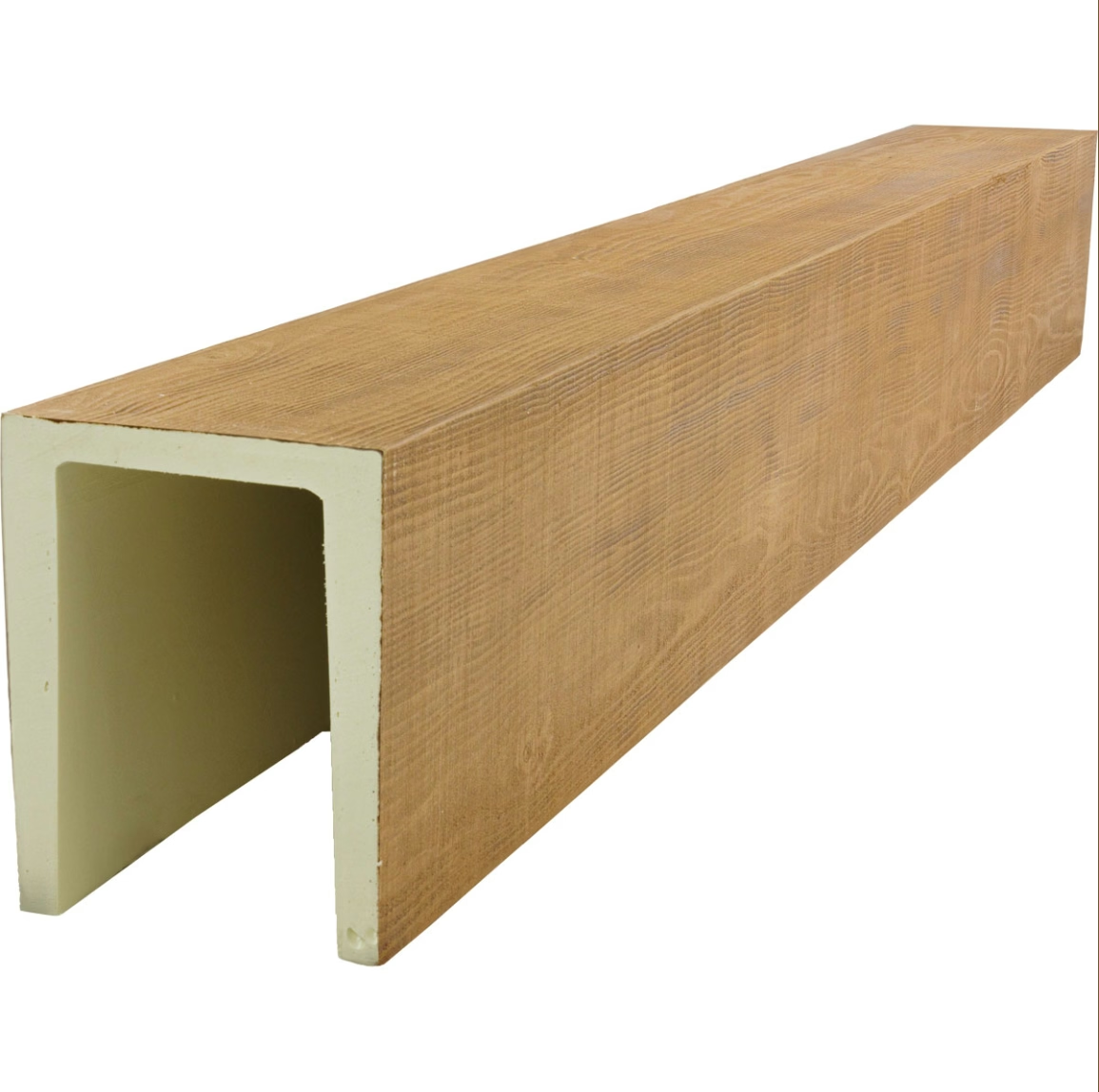
The profile section presents each beam profile available in the catalog, with detailed drawings showing the cross-section geometry, dimensions, and recommended applications. Each profile is typically accompanied by a product photograph showing the beam installed in a real space, which helps buyers visualize how the profile will look in their own projects.
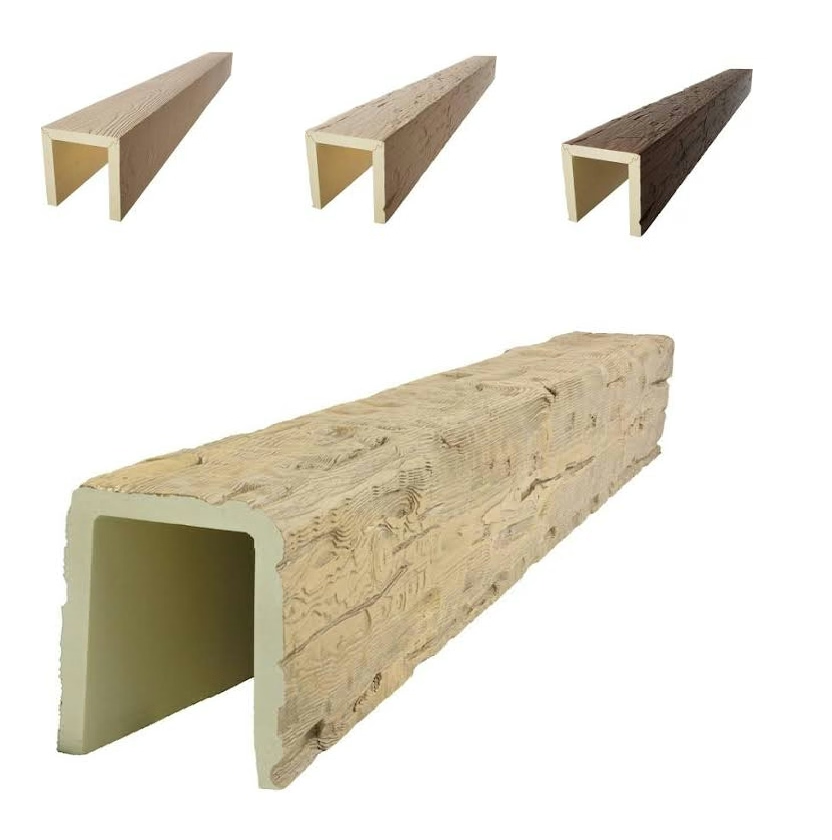
The finish section displays the available color and texture options. Finishes are shown on actual beam samples rather than digital representations, because color and texture are difficult to communicate accurately through digital media alone. The catalog may include close-up photographs that reveal the grain detail and surface character of each finish option.
The technical specifications section provides the data that design professionals need for their drawings and specifications. Dimensions, weight per linear foot, fire ratings, material composition, and recommended installation hardware all appear in this section. For commercial projects, this technical data often becomes part of the formal submittal package.
The installation guidance section offers best practices for handling, cutting, mounting, and finishing the beams. While not a substitute for detailed installation instructions, the catalog guidance provides a useful overview that helps contractors plan their approach.
The ordering information section explains how to specify products, request quotes, and place orders. For buyers unfamiliar with the manufacturer's processes, this section is often the most practical part of the catalog.
Navigating a Modern Digital Catalog
Most contemporary catalogs are designed for digital viewing first and printed viewing second. The PDF format allows readers to click between sections, zoom into detailed photographs, and search for specific keywords. Hyperlinks connect related sections, such as a profile drawing that links to the compatible mounting hardware.
This digital-first approach reflects how design professionals actually use catalogs. A designer searching for a specific profile uses the search function rather than flipping through physical pages. A contractor checking the recommended fastener type clicks from the profile page to the hardware page without scrolling.
For users who prefer printed references, the catalog is formatted to print clearly on standard paper sizes. The layout adjusts to accommodate both screen viewing and printed page layout, though some digital features are obviously unavailable in the printed version.
Some manufacturers offer multiple catalog formats to suit different audiences. A consumer-facing catalog emphasizes the visual appeal of the products and provides basic selection guidance. A trade catalog targets design professionals with detailed specifications, technical drawings, and bulk ordering information.
Using the Catalog in Design Presentations
Designers often include catalog pages in client presentations to help clients visualize the available options. The photograph-heavy layout of most catalogs works well for this purpose, because clients can see how the beams look in actual installations rather than imagining them from abstract descriptions.
Presenting catalog pages alongside material samples from other sources creates a comprehensive material board for client review. The designer can show the beam profile, the finish color, the compatible hardware, and the recommended installation method all from a single source, which streamlines the conversation.
For commercial projects with formal design packages, the catalog is often included as an appendix that documents the proposed materials. This inclusion supports the approval process by giving reviewers a clear reference for what is being proposed, and it provides documentation for the project record.
Catalog Updates and Version Control
Manufacturers update their catalogs periodically to reflect new product introductions, discontinued items, and revised specifications. The most current catalog is always available on the manufacturer's website, and earlier versions are typically archived for reference.
Design professionals working on long-term projects should check the catalog publication date before specifying products. A specification written from an outdated catalog may reference products that have been discontinued or modified, which can create confusion during procurement. The catalog's revision date is usually printed on the cover or the copyright page.
For projects with phased installations that span multiple years, the designer should note which catalog version was used for the original specification. Subsequent orders can then be compared against the same version to ensure consistency, or they can be updated to the current version with appropriate documentation of the change.
Some manufacturers provide catalog update notifications to subscribers, alerting them when a new version is released. This service is particularly valuable for design firms that maintain a reference library of manufacturer catalogs and need to keep their materials current.
Catalogs as Educational Resources
Beyond their role as product references, catalogs serve an educational purpose for buyers who are new to faux beams. The introductory sections often explain the material composition, the manufacturing process, and the advantages of polyurethane over alternative materials. This background helps buyers understand why certain products are priced differently, why specific installation methods are recommended, and how the products compare to traditional timber.
For homeowners considering a DIY project, the catalog provides a level of professional guidance that supports confident decision-making. The technical specifications, while detailed, are presented in a format that non-professionals can understand with some effort. The installation guidance section often includes tips that help DIYers avoid common mistakes.
Design students find catalogs valuable as references for understanding product categories, material specifications, and industry conventions. The way a manufacturer organizes its catalog reflects how the industry thinks about the product, and studying several catalogs side by side provides insight into the range of options available in the market.
Selecting the Right Catalog Version
Manufacturers often produce different catalogs for different markets or product lines. A North American catalog may include profiles and finishes that differ from those in a European catalog, reflecting regional preferences and building code requirements. Downloading the catalog that matches the project location ensures that the reference information is relevant.
Some manufacturers offer region-specific catalogs that include pricing in local currencies, dimensions in local units, and installation guidance tailored to local construction practices. These regional editions are particularly useful for international buyers who may not be familiar with the conventions of the source country.
For large commercial projects, a project-specific catalog can sometimes be requested. This customized version includes only the products relevant to the project's specification, which simplifies the selection process for the design team. The customized catalog may also include project-specific pricing and lead time information that supports procurement planning.
Catalogs and Complementary Sample Services
The catalog serves as the broad reference, while physical samples provide the detailed verification. Most manufacturers offer both resources, and they work together to support the buyer's decision-making process. The catalog introduces the range of options and helps narrow down the selection, while the samples confirm the final choice in physical form.
Design professionals typically use the catalog first to identify candidate products and then request samples of those products to evaluate in detail. This two-step process is efficient because it allows the designer to focus sample requests on a manageable shortlist rather than requesting samples of every available product.
For buyers who rely primarily on catalogs without requesting samples, the manufacturer's return and exchange policies provide a safety net. Most reputable manufacturers allow returns of full-size products that do not match expectations, though the buyer typically pays return shipping. The sample process is preferable because it catches mismatches before the full order ships.