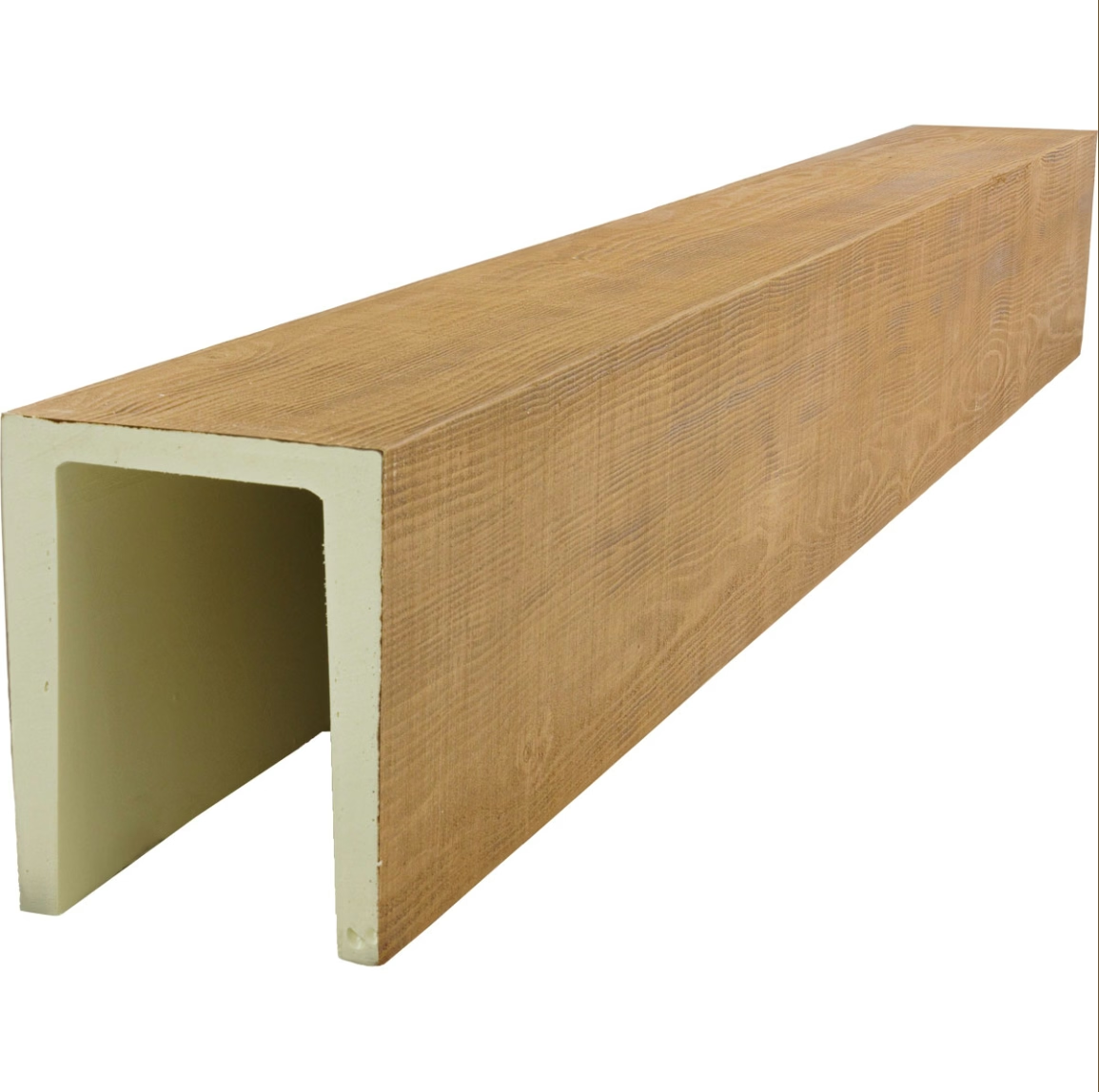
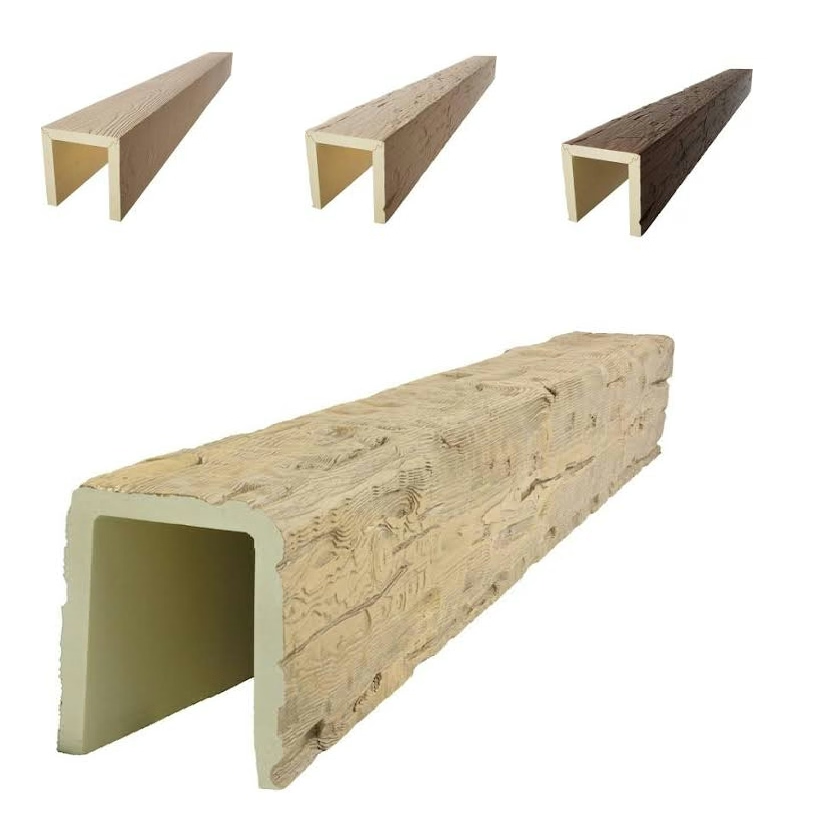
The premium tier of faux wood ceiling beams occupies a specific position in the market. These products are designed for projects where the ceiling is a focal point of the design, where close inspection is expected, and where the budget supports a higher level of material quality. Premium beams typically feature deeper grain texture, more refined finish options, enhanced durability characteristics, and greater attention to detail in the manufacturing process.
Evaluating whether the premium tier is appropriate for a given project requires hands-on examination. The differences between standard and premium products are sometimes subtle in photographs but become obvious when the two are held side by side. A sample request is the most reliable way to make this comparison.
What Makes a Beam Premium
Several characteristics distinguish premium faux wood beams from their standard counterparts. The first is grain detail. Premium products use higher-resolution mold textures that capture finer grain features, including subtle grain patterns, growth ring variations, and surface irregularities that contribute to a realistic wood appearance. Standard products often have simpler textures that look convincing from a distance but reveal their synthetic nature under close inspection.
The second characteristic is finish quality. Premium beams receive multiple coats of finish, with careful attention to color consistency and surface smoothness. The finish may include hand-applied glazes or highlights that create depth and variation in the color. Standard beams typically receive a single automated finish coat, which is consistent but lacks the dimensional quality of premium finishes.
The third characteristic is material density. Premium beams use a higher-density polyurethane formulation that feels heavier and more solid in the hand. This density contributes to durability, sound dampening, and a more authentic feel when the beam is installed. Standard beams use a lighter formulation that reduces cost and shipping weight but feels less substantial.
The fourth characteristic is dimensional precision. Premium beams are manufactured to tighter tolerances, which means the profile geometry is more consistent from piece to piece and the joints between sections are tighter. This precision is particularly important for installations where multiple beam sections meet at corners or junctions.
Sample Contents for Premium Evaluation
A premium sample kit typically contains more elements than a standard sample kit because there is more to evaluate. The main sample section is usually longer than the standard equivalent, often 16 to 24 inches, to provide a better view of the texture continuity and grain pattern along the length of the beam.
The kit may include multiple finish options so the buyer can compare them against each other and against the project materials. Premium finishes often come in coordinated collections, such as a set of warm tones for traditional interiors or a set of weathered tones for coastal designs. Seeing the collection as a set helps the buyer understand the range and choose the most appropriate option.
A premium sample kit sometimes includes a cross-section sample that reveals the internal construction of the beam. The cross-section shows the wall thickness, the hollow core, and any internal features such as wire routing channels or reinforcement ribs. This internal view helps the buyer understand how the beam will perform during installation and over its service life.
Documentation for premium samples is typically more detailed than for standard samples. The specifications include the same basic data but add details such as the exact finish formulation, the texture depth measurement, the UV resistance rating, and the expected service life under specified conditions. For commercial projects with formal submittal requirements, this detailed documentation supports the specification process.
Where Premium Beams Make the Greatest Difference
Premium beams are most appropriate in settings where the ceiling is a significant design feature and where the occupants will be in close proximity to the beams. Residential great rooms with vaulted ceilings, master bedroom suites with exposed beam accents, formal dining rooms, and upscale restaurant interiors all benefit from the refined appearance of premium products.
In these settings, the beams are often viewed from multiple angles and at various distances. Premium products maintain their convincing appearance across these viewing conditions, while standard products may look flat or synthetic under close inspection. The investment in premium materials pays off in the form of a ceiling that elevates the entire space rather than merely covering it.
Commercial settings with high visibility, such as hotel lobbies, resort reception areas, executive office suites, and luxury retail stores, also benefit from premium beams. The ceiling in these spaces is part of the brand experience, and premium materials communicate quality and attention to detail. The additional cost of premium beams is offset by the contribution they make to the overall design impression.
Evaluating Premium Samples
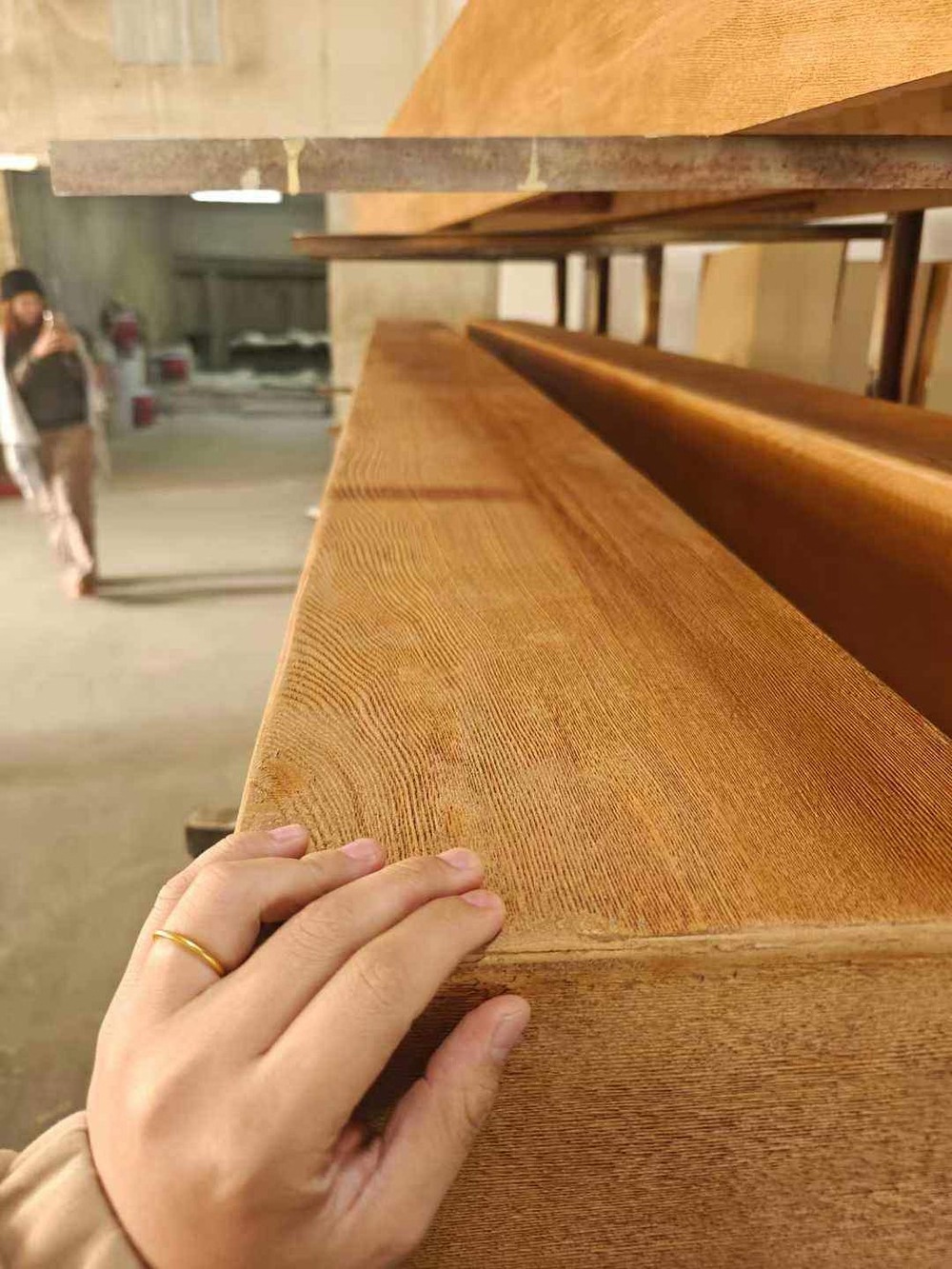
The evaluation process for premium samples involves closer scrutiny than for standard samples. The buyer examines the surface texture under bright lighting to verify that the grain detail is sharp and consistent. The buyer runs fingers across the surface to feel the texture depth and the finish smoothness. The buyer examines the edges and ends of the sample to check for any manufacturing irregularities.
Color evaluation involves comparing the sample against project materials under multiple lighting conditions. Premium finishes often include subtle variations that are only visible under certain lighting angles. The buyer rotates the sample and observes how the finish appearance changes, looking for the warm highlights and cool shadows that create a sense of depth in the wood appearance.
For projects where the beams will be installed alongside other wood elements, the premium sample is placed next to those elements to verify coordination. Real wood cabinetry, for example, has natural color variations that the beam finish should complement rather than exactly match. Premium finishes, with their hand-applied elements, tend to coordinate more naturally with real wood than standard finishes do.
The buyer also evaluates the sample's response to handling. Premium beams should feel solid and substantial, with a finish that does not show fingerprints or smudges readily. The sample can be gently flexed to demonstrate the material's resilience without damage, which is a useful indicator of how the beam will perform during installation.
Comparing Standard and Premium Side by Side
Many buyers find it useful to request both standard and premium samples for direct comparison. Placing the two samples side by side reveals the differences more clearly than evaluating each one in isolation. The comparison highlights the grain detail, the finish quality, the color depth, and the overall material character that distinguish premium products from standard ones.
The comparison also supports budget conversations with clients. A designer can show the client both samples and explain the cost difference, allowing the client to make an informed decision about whether the premium upgrade is justified for the project. Seeing the actual samples makes this conversation much more productive than relying on verbal descriptions or photographs.
For projects with mixed budgets, the comparison can guide the decision to use premium beams in primary spaces and standard beams in secondary spaces. The design intent is preserved where it matters most, while the budget is respected across the entire project.
Premium Samples and Long-Term Performance
Premium samples also support evaluation of long-term performance characteristics. While a short-term test cannot replicate years of service, the sample's response to UV exposure, humidity, and temperature variation provides useful indicators. Premium products typically include UV inhibitors and stabilizers that the buyer can verify by reviewing the material datasheet.
Some manufacturers offer accelerated aging tests that demonstrate how the premium beam will look after years of service. These tests involve exposing samples to intense UV light, heat, and humidity for a defined period and then comparing the aged samples against unaged controls. While not a perfect predictor of real-world performance, the tests provide useful comparative information.
For commercial projects with extended warranties, the manufacturer may provide documentation of the premium product's expected service life under specified conditions. This documentation supports the warranty terms and provides the buyer with confidence that the premium investment will deliver long-term value.
The premium sample service ultimately gives buyers the information they need to decide whether the higher cost of premium beams is justified for their specific project. The hands-on evaluation, supported by detailed documentation and manufacturer consultation, produces decisions that are based on real material characteristics rather than assumptions.