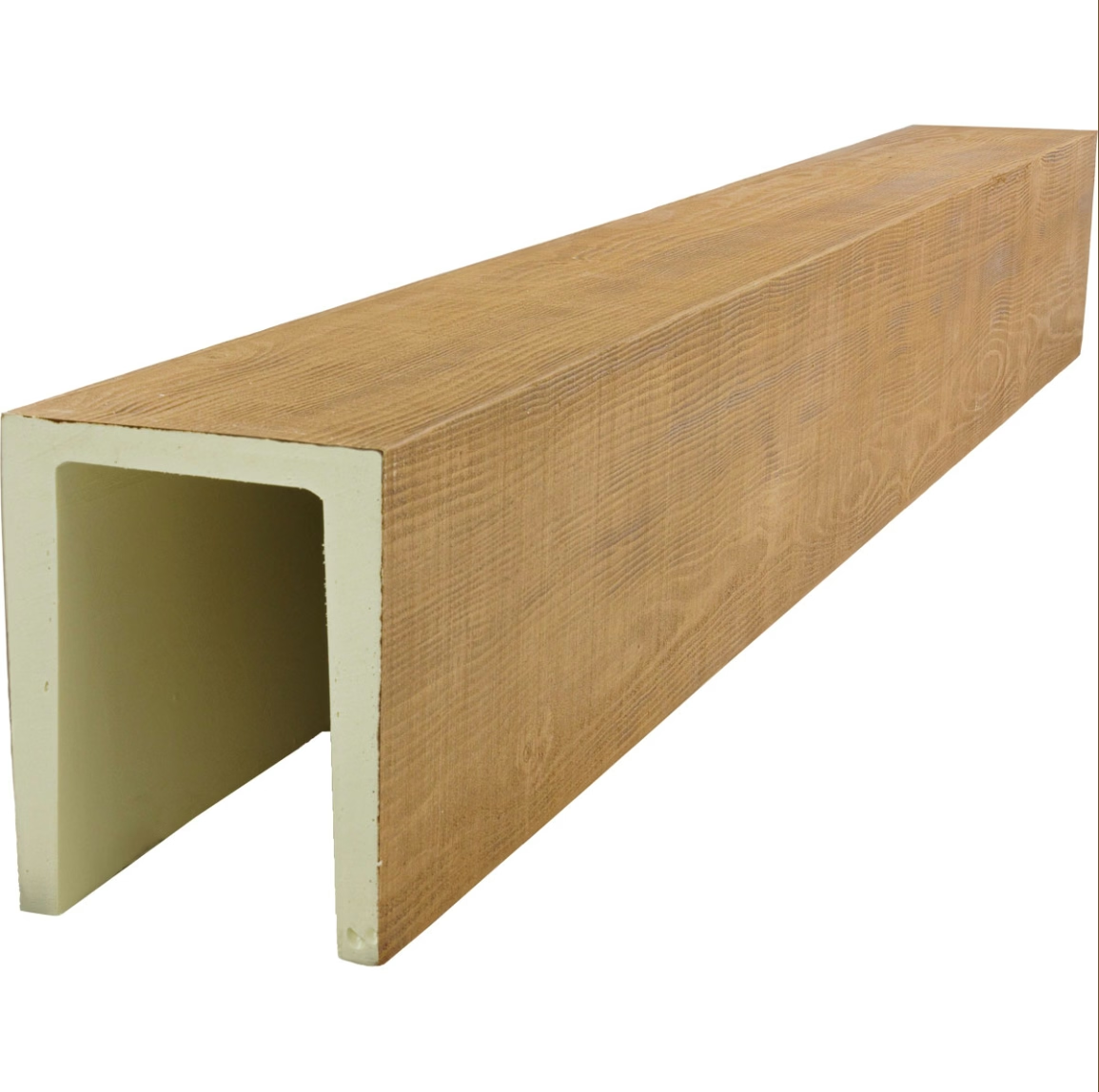
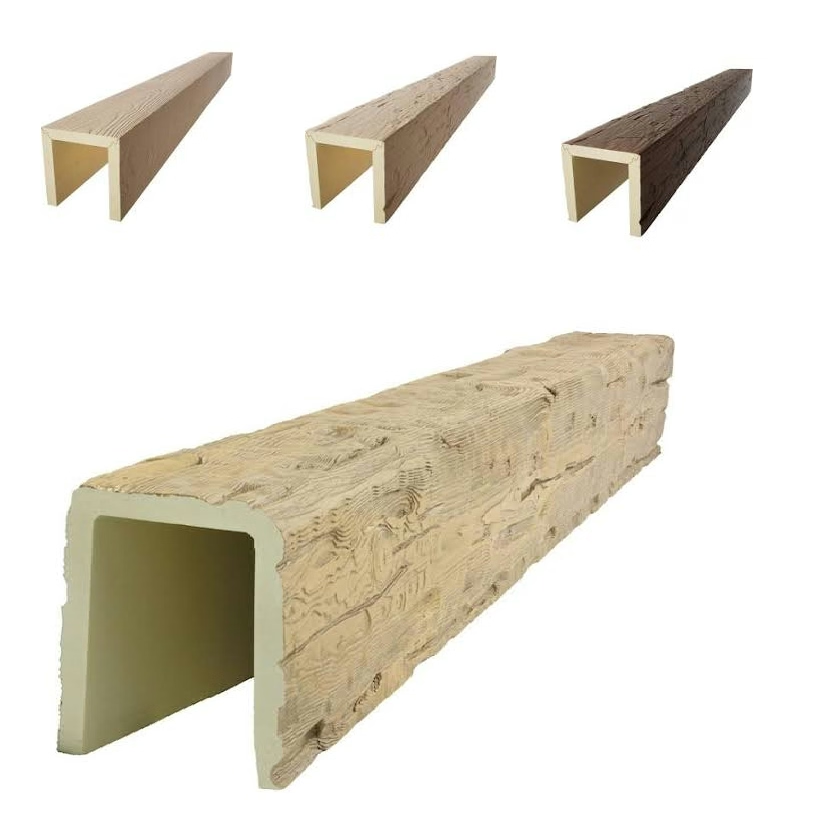
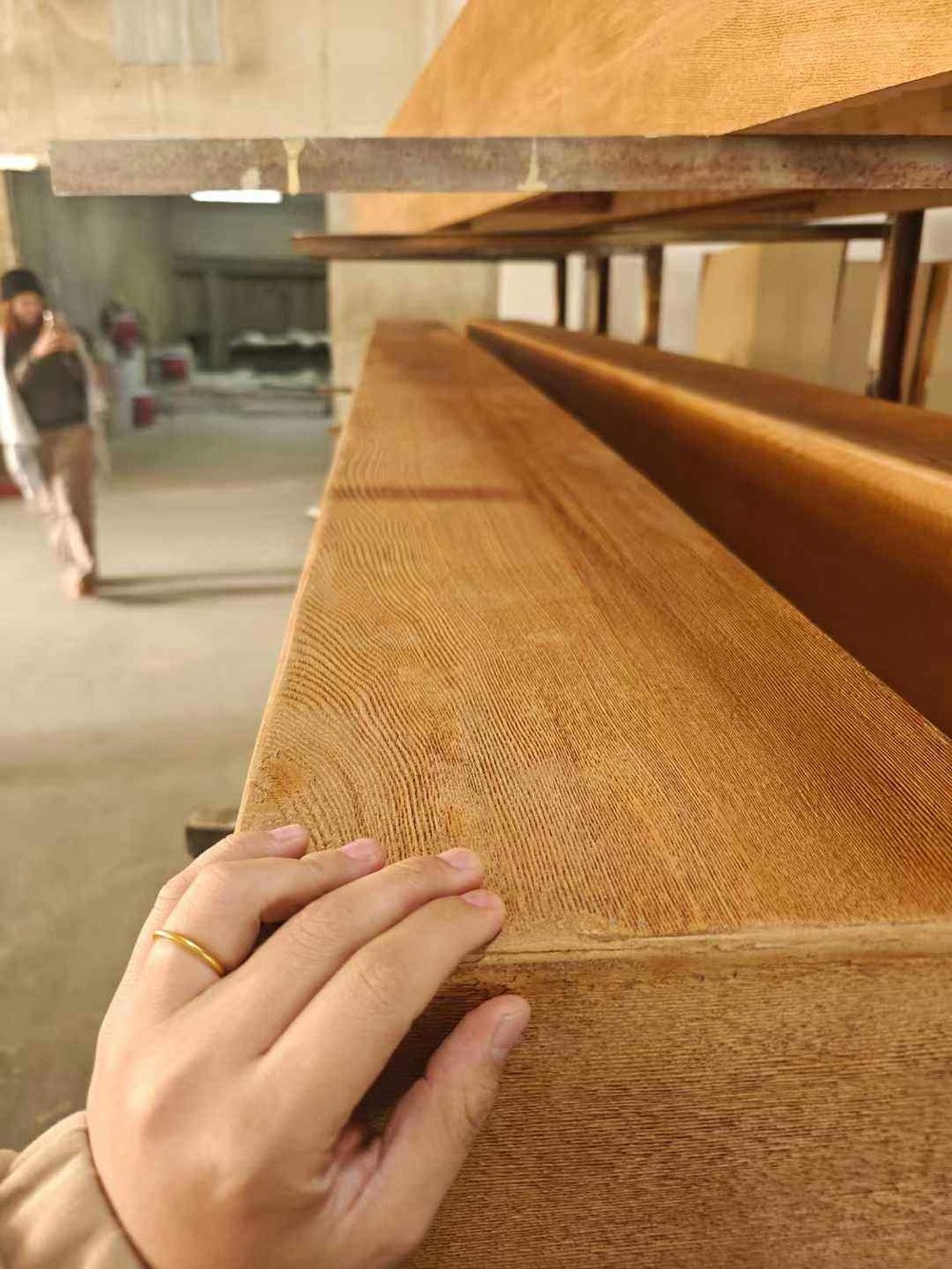
A contractor in Minnesota, Quebec, or Hokkaido has a specific worry when picking an exterior beam. They have watched real timber split along the grain after a few winters. They have seen composite products blister and peel. They want to know whether polyurethane faux wood can really handle the cold, and they want to see data, not adjectives.
This article is written for that contractor. It walks through what freeze-thaw stability means at a material level, what tests actually predict real-world performance, and what to look for in a spec sheet.

The mechanism of freeze-thaw damage
Water gets into a material in three ways. It migrates through the bulk if the material is porous. It wicks into cracks and joints through capillary action. It sits on the surface and gets pulled in by hydrostatic pressure during a freeze.
When that water freezes, it expands by roughly 9 percent and exerts pressures up to 200 MPa locally inside a confined space. The pressure is relieved either by pushing the surrounding material outward (causing cracks) or by ejecting some of the ice out of the cavity.
In real timber, the cell structure is open and connected. Water migrates freely through the end grain. The first few freeze-thaw cycles do little visible damage. After 20 to 30 cycles, surface checking starts. After 60 to 80 cycles, deep cracks appear along the grain.
In polyurethane, the cells are closed and the water cannot migrate through the bulk. Damage only happens if water gets into a surface defect, sits there, and freezes. Quality exterior-grade products are designed so the skin does not develop those defects within the expected service life.
What makes a PU beam freeze-thaw stable
Three formulation and process factors matter most. First, the skin must remain elastomeric at low temperatures. A skin that gets brittle at -15°C will micro-crack under thermal contraction, and those cracks become water entry points. Quality skins are tested to remain flexible at -30°C or below.
Second, the bond between the skin and the core must survive thermal cycling. Polyurethane foam and polyurethane skin expand and contract at slightly different rates. If the bond is weak, the skin delaminates and water gets into the gap.
Third, the pigment and topcoat system must not chalk off under UV exposure combined with freeze-thaw. UV-damaged pigment creates a porous surface that absorbs water.
These three factors are why a generic interior-grade PU beam is not freeze-thaw stable even if the underlying chemistry is similar. The differences are in additive packages, skin thickness, and quality control during co-extrusion.
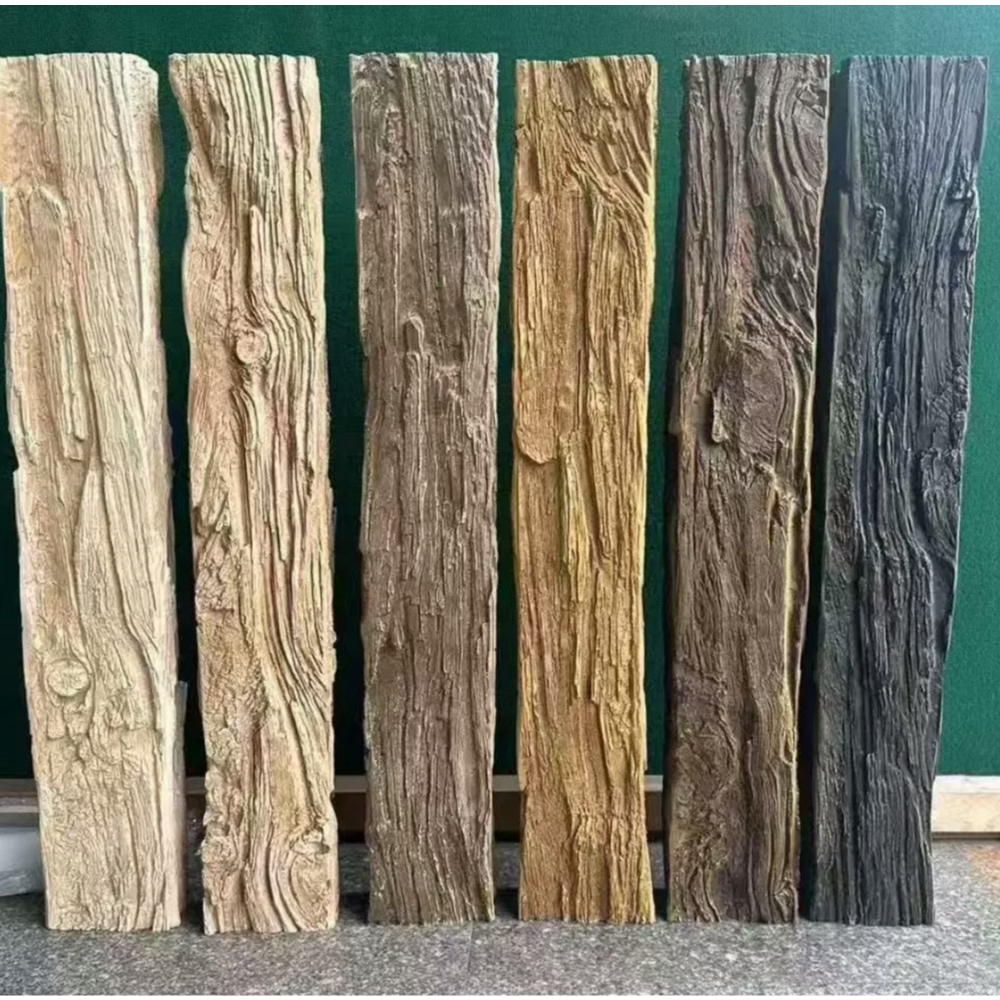
Reading a freeze-thaw test report
The most common accelerated tests are ASTM C666 (concrete), ASTM D6944 (coatings and sealants), and ISO 2155. None of these is specifically written for faux wood beams, so the manufacturer adapts the protocol.
A meaningful test cycles between -20°C and +20°C with the sample fully submerged or under a water spray during the thaw phase. The number of cycles varies by manufacturer. 100 cycles is the bare minimum for a meaningful claim. 300 cycles is a strong claim. 500 or more cycles is exceptional.
After cycling, the report should include visual inspection, mass change (water uptake), and sometimes a flexural test to confirm the beam has not lost mechanical integrity. A beam that has gained 3 percent or more water mass has failed, even if it looks fine on the surface.
A good spec sheet also references a separate UV exposure test, because freeze-thaw and UV damage interact. A beam that survives 300 freeze-thaw cycles in the dark may fail in half that if it has been UV-damaged first.
Field performance versus lab data
Lab data is helpful, but it is not the same as field performance. A few things to keep in mind when interpreting test reports.
Lab tests use pristine samples. Field products get scratched during transport and installation. A small scratch can be the entry point that defeats an otherwise good formulation.
Lab tests often run faster thermal cycles than real weather. Real cold-climate cycles may be slow enough that ice crystals have time to migrate outward. Fast lab cycles are a worst case in some ways and a best case in others.
Lab tests usually do not account for dirt, biological growth, or pollution. These can change the surface chemistry over years.
For a critical project, the best move is to ask the supplier for references in a climate similar to yours. A beam with 8 years of proven performance on a ski resort in Vermont is a better predictor than any lab report.
Where freeze-thaw stable beams make sense
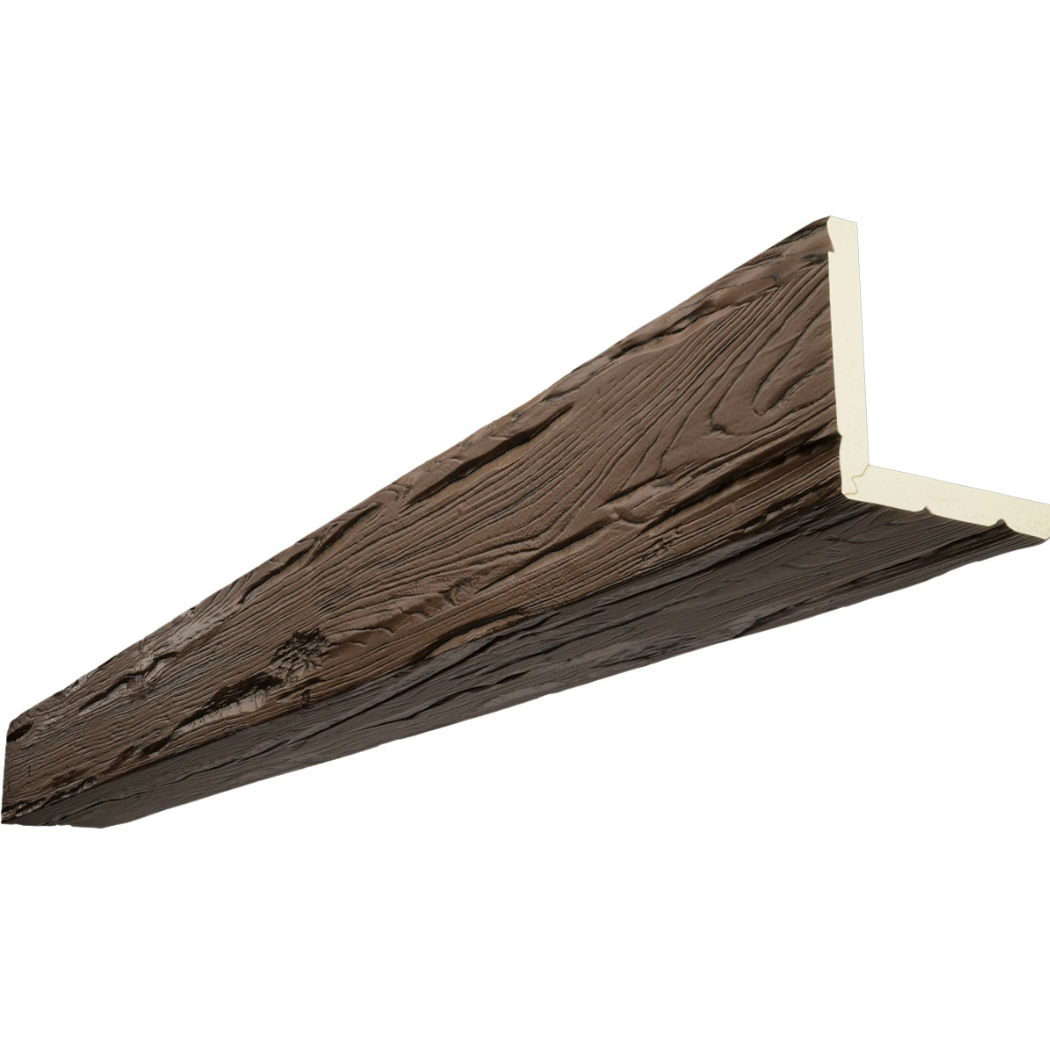
Mountain lodges and ski resorts have obvious need. So do lake houses in regions with severe winters. Highway rest areas and travel plazas in northern climates often use these beams for entrance canopies that need to look good year-round without constant maintenance.
Religious buildings and civic projects in cold regions are another segment. A parish hall or community center budget rarely supports a major refinishing every few years, and the beams are often a key design feature that the community expects to remain attractive.
Industrial and agricultural buildings in cold storage, processing, or livestock are a less obvious but growing segment. Faux timber softens the look of a working building without the maintenance liability of real wood.
Installation details that protect the warranty
Even the best beam fails early if installed poorly. The installation manual typically requires stainless or hot-dip galvanized fasteners because standard zinc-plated screws can corrode within a few seasons in a wet environment, and the rust stain bleeds into the foam.
End caps and joint covers must be sealed with the manufacturer's approved sealant. A common shortcut is to use generic silicone, which may not adhere to the polyurethane skin. The beam then wicks water through the unsealed joint.
Ground clearance matters. Exterior-grade PU beam should not sit in standing water or be installed where snow piles against it for the whole winter. A 50 to 100 mm clearance from the deck or finished grade extends the service life significantly.
What to put in the maintenance plan
A freeze-thaw stable beam is not zero maintenance, but the maintenance is light. An annual wash with a mild detergent and a soft brush removes salt, dirt, and biological growth. A visual inspection for any damage from winter ice or fallen branches is good practice.
A topcoat refresh every 5 to 8 years keeps the color fresh and adds a fresh sacrificial layer of UV protection. The product is usually a water-based acrylic or polyurethane coating that the maintenance team can roll or spray on without specialized equipment.
For a property manager, this is a much easier plan than the sanding, staining, and sealing that real timber demands every 2 to 3 years in the same climate.
A final note for specifiers
Freeze-thaw stability is one of the more honest claims in the building products industry because the test protocols are well established and the failures are visible. If a manufacturer cannot produce a meaningful test report from a recognized lab, treat the claim with skepticism. If they can, the product is genuinely worth specifying in cold climates.
For the right project, a freeze-thaw stable PU beam delivers the warm look of timber with a maintenance profile that fits a modern facility budget.

Technical References
ASTM standards cited in every specification
Test Data
Lab results from internal testing program
Updated 2026
Reviewed against current product specs