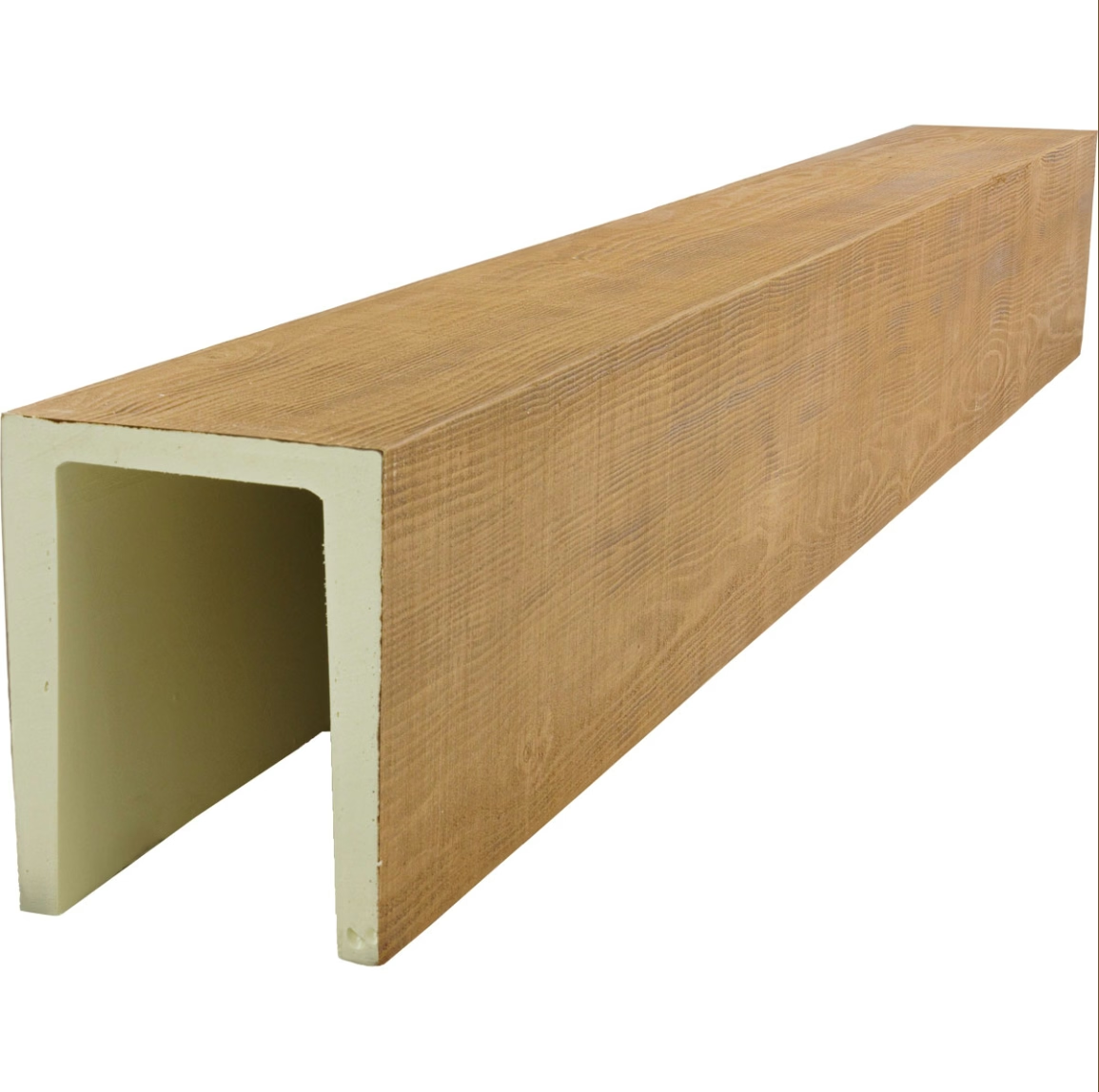
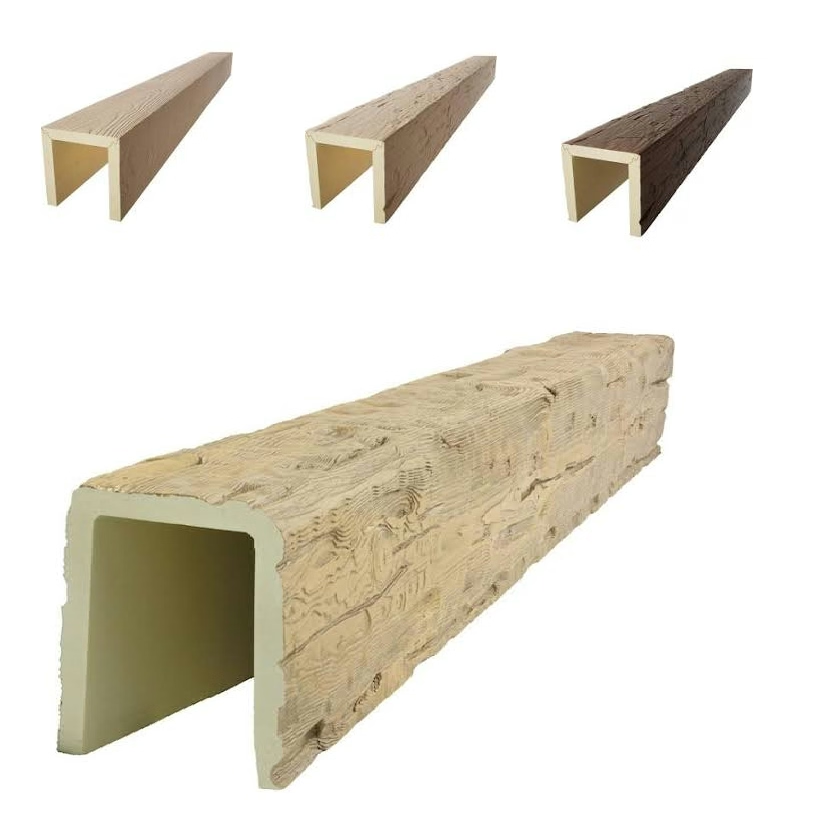
A faux wood beam with a glossy finish gives itself away the moment light hits it. The plastic-like sheen signals "this is not real wood" before the viewer has even registered the colour or the grain. For designers and homeowners who want the warmth of a timber ceiling without the maintenance of actual wood, the gloss-free matte finish is what closes the visual gap.
The matte trend in faux wood finishes is not about being trendy. It is about being accurate. Real wood, in most of the finishes that designers prefer today, does not shine. A freshly sanded oak beam, an oiled walnut beam, a reclaimed pine beam that has been waxed rather than varnished — none of them have a glossy surface. They have a soft, light-absorbing quality that reads as natural, organic, and authentic. A matte faux beam finish replicates that quality in polyurethane.
Why Gloss Reads as Fake
Gloss is associated in our visual culture with plastic, with manufactured surfaces, with newness. It signals "this was made in a mould yesterday." A high-gloss faux wood beam triggers that signal immediately, even for a viewer who has never thought about faux wood consciously. The product becomes a stand-in rather than a simulation.
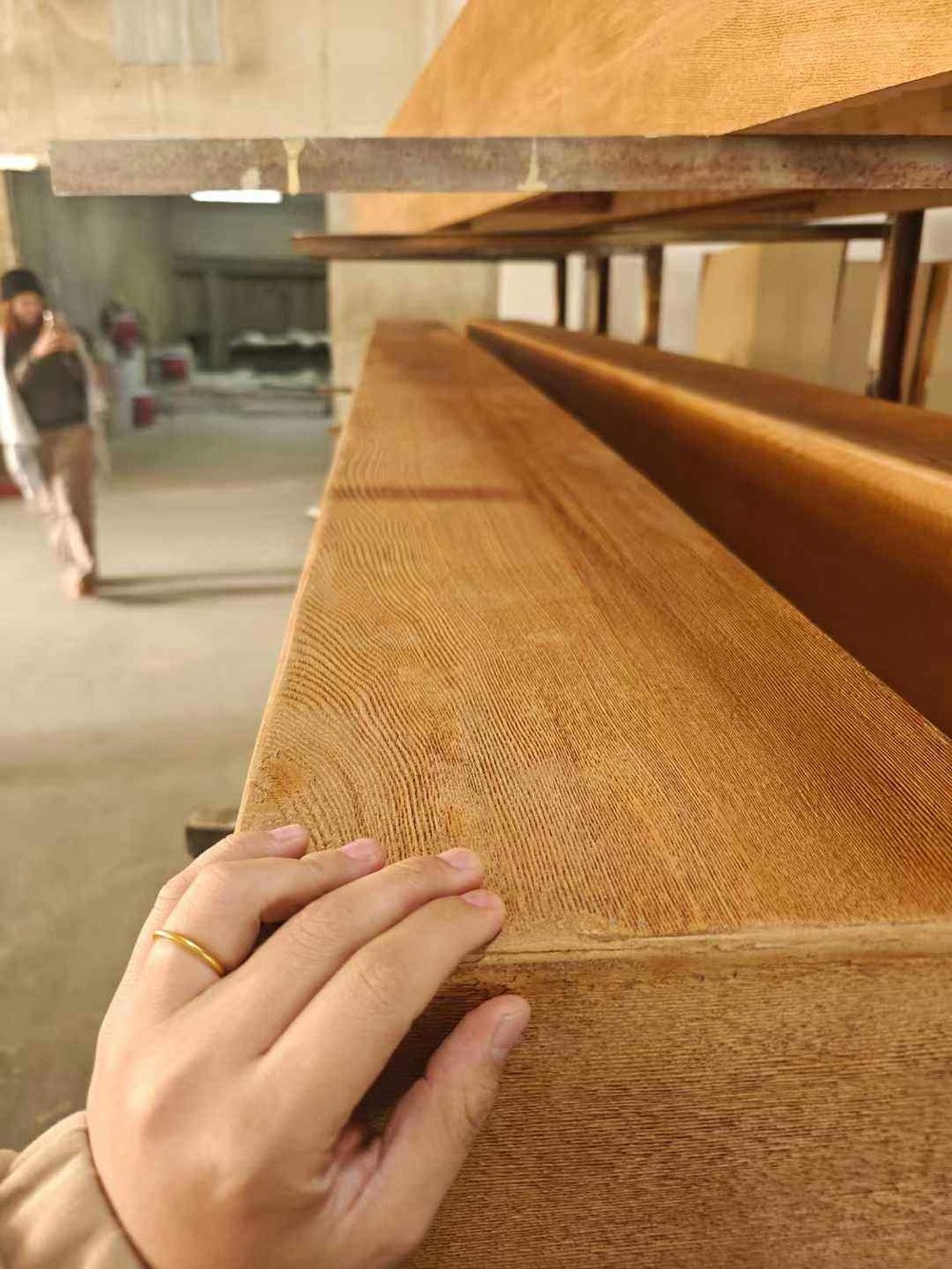
Matte surfaces read differently. They absorb light rather than reflecting it, and that absorption is what real wood does. The visual effect is one of softness, of depth, of a surface that has been touched by hand and finished with care. The same faux beam profile, finished in matte rather than gloss, looks like a different category of product.
The Technology Behind the Matte Finish
Producing a matte finish on a polyurethane beam is not as simple as leaving out the gloss. A matte coating has to be formulated with specific additives that scatter the light, and it has to be applied in a controlled environment to achieve a consistent effect. Too much matting agent and the surface looks chalky; too little and the gloss returns. The formulation has to be balanced for the specific resin system being used.
The application process is also more demanding. A matte coating tends to show application imperfections more clearly than a gloss coating, because there is no reflective surface to hide minor inconsistencies. A skilled applicator, working in a clean environment with calibrated spray equipment, can produce a uniform matte surface. An inexperienced applicator will leave lap marks, orange peel, or uneven sheen.
Some manufacturers have invested in in-mould coating, where the finish is applied to the mould before the polyurethane is cast. This produces an exceptionally consistent finish with strong adhesion, because the coating becomes part of the beam surface rather than sitting on top of it. In-mould matte finishes are the premium option in the category, and they look the most natural.
Pairing Matte With the Right Colour
A matte finish changes the way colour reads. The same wood-tone pigment looks slightly different in matte than in gloss, because the way light interacts with the surface is different. A deep walnut, for example, looks richer and more saturated in matte than in gloss, because the light absorption brings out the depth of the pigment.
This is why the colour formulation has to be developed alongside the finish. A pigment that was designed for a gloss coating will not look the same in a matte coating, and the colourist has to adjust the formulation to account for the change. The best faux beam manufacturers have a colour laboratory where they develop and test the pigments and finishes together, rather than treating them as separate decisions.
Where Matte Beams Work Best
Matte timber replica beams are the right choice in almost any interior where the design intent is to evoke natural materials. Farmhouse kitchens, rustic living rooms, modern farmhouse bedrooms, mountain cabins, coastal retreats, and Scandinavian-inspired spaces all benefit from the authenticity of a matte finish. The beams look like they belong, rather than looking like they were added as a decorative afterthought.
Matte also works well in commercial spaces where the design is meant to feel warm and inviting. Boutique hotels, farm-to-table restaurants, independent bookshops, and co-working spaces all use matte faux beams to create the kind of atmosphere that glossy finishes would undermine. The matte finish supports the brand story rather than competing with it.
The Maintenance Difference
A matte finish has practical advantages beyond the visual effect. A gloss surface shows every fingerprint, every water spot, every dusting mark. A matte surface hides them. In a busy household with children, in a restaurant with constant cleaning, or in a hotel where the housekeeping team is constantly wiping down surfaces, a matte beam is much easier to keep looking good.
Cleaning matte beams also requires less care. Gloss surfaces can be dulled by harsh cleaners, leaving permanent streaks that catch the light. Matte surfaces are more forgiving, and standard household cleaners will not damage the finish when used as directed.
The Cost of a Quality Matte Finish
A quality matte finish is not the cheapest option in the faux beam market. The formulation is more expensive, the application is more demanding, and the in-mould option adds a step to the manufacturing process. Buyers who compare prices strictly on a per-piece basis will see the matte premium, and they will sometimes choose the gloss alternative to save money.
For projects where the visual quality of the beam is important, the matte premium is a worthwhile investment. The beam will look better, last longer in appearance, and contribute more to the overall design of the space. The few extra dollars per piece translate to a much more successful project, and to a much happier end customer.
A Realistic Alternative
The goal of a faux wood beam is to be a realistic alternative to the real thing, and the matte finish is the most important factor in achieving that goal. The texture of the grain, the depth of the colour, the way the beam ages over time — all of these contribute to the realism, but the matte finish is the foundation. A well-made matte timber replica beam is the closest the polyurethane category has come to a true simulation of natural wood.
Technical References
ASTM standards cited in every specification
Test Data
Lab results from internal testing program
Updated 2026
Reviewed against current product specs