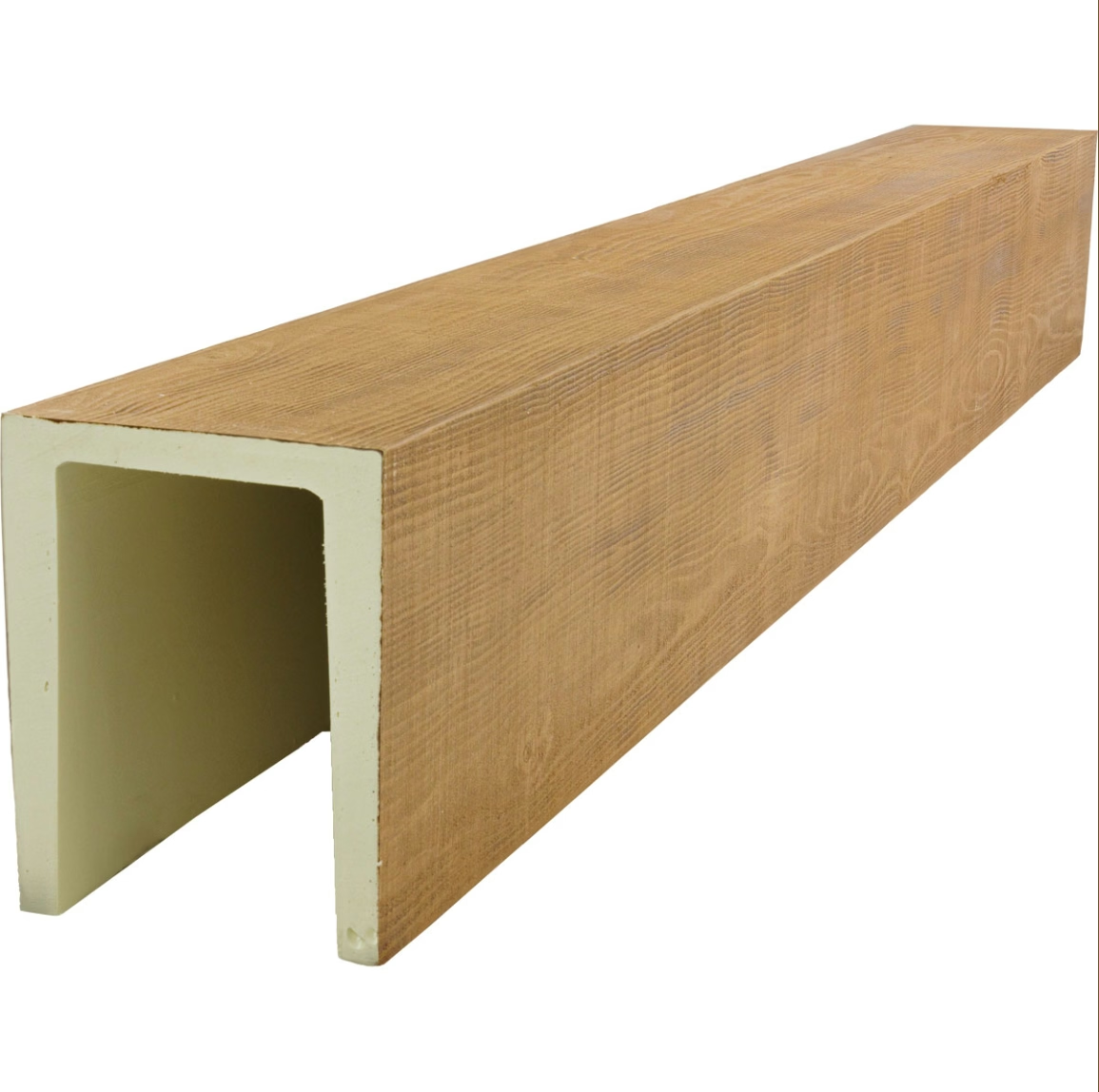
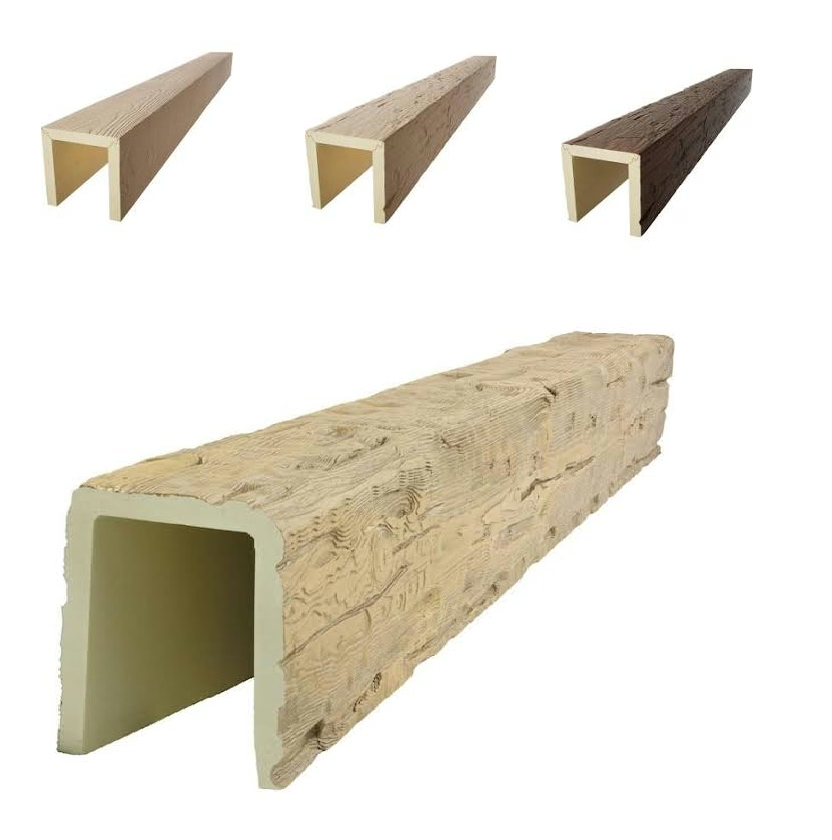
There is a difference between a beam that looks like timber and a beam that feels like timber. The visual sense is one part — the eye sees grain, color, and texture. The tactile sense is another part — the hand feels density, surface variation, and warmth. Together, they create what designers call the authentic timber feel.
Achieving that feel with polyurethane is harder than achieving the look alone. The texture can be molded into the surface, but the weight, the temperature, and the acoustic response are all different from solid wood. Designers and homeowners who prioritize the authentic timber feel should understand exactly what they are getting from a polyurethane beam and what compromises come with the lighter material.
This article explores what makes timber feel authentic, how polyurethane mimics that feel, and where the differences are most and least noticeable.
The multisensory nature of authentic timber feel
Timber feel is a multisensory experience. Several senses contribute to the perception of timber as authentic.
Visual texture is the first cue. The eye reads the surface pattern, the depth of the grain, the color variation, and the irregularities of the wood. A surface that looks like timber reads as timber.
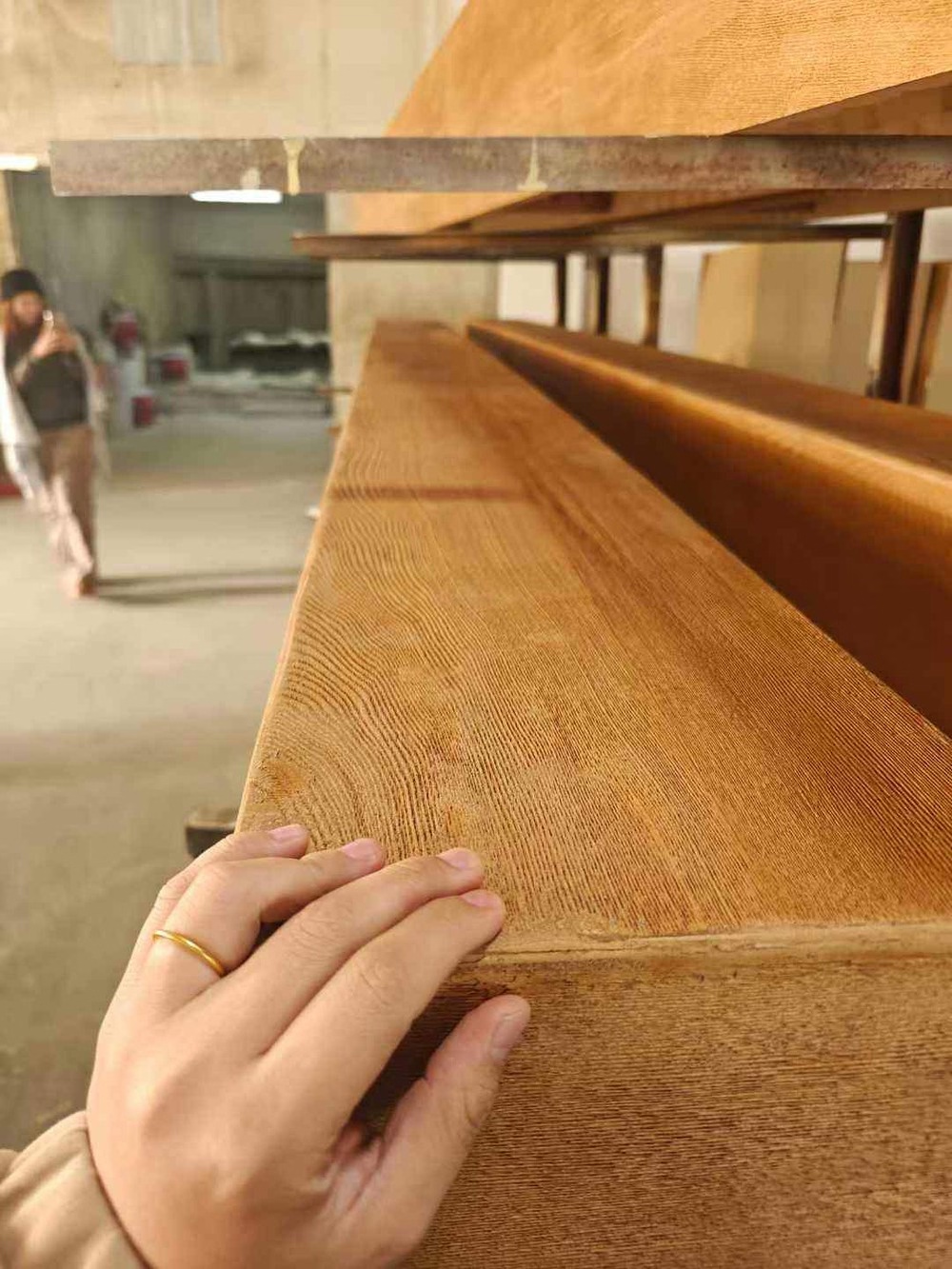
Tactile response is the second cue. The hand feels the surface when it touches the beam, picks up the slight warmth of the material, feels the grain pattern under the fingers, and senses the density of the wood. A surface that feels like timber reinforces the visual cue.
Acoustic response is a less obvious cue. Real timber makes a particular sound when knocked or struck — a solid, resonant thump that conveys density and structure. Hollow materials make a different sound — duller, more muffled. The acoustic cue contributes to the perception of authenticity for anyone who raps on the beam.
Thermal response is another cue. Real timber feels cool to the touch because wood conducts heat away from the hand at a particular rate. Polyurethane feels warmer because it is a better insulator. The temperature difference is small but perceptible when touching the beam.
Weight is also part of the feel. A heavy beam hangs in the room with a different presence than a light beam. The eye may not be able to detect the actual weight, but the spatial impression of weight contributes to the perceived authenticity.
The visual and tactile cues are the most important. Most people experience timber feel through those senses, with the acoustic, thermal, and weight cues providing secondary confirmation. Polyurethane beams score well on visual and tactile cues but lose points on the others.
How polyurethane mimics timber visually
The visual mimicry of timber by polyurethane is well-established in the industry.
Surface texture is captured through high-resolution molding. Modern mold-making techniques preserve grain detail at sub-millimeter resolution. The eye sees the grain pattern, the texture depth, and the color variations exactly as they would appear on real timber.
Color and finish are applied in factory-controlled conditions. Multi-step finishes with base coats, glaze coats, and topcoats create depth and variation that field-applied finishes cannot easily replicate. The colors are matched to specific wood species or to aged versions of those species.
Pattern variation across multiple beams is consistent because they are molded from the same master pattern. The visual impression is that of a uniform set of timber beams rather than mismatched individual pieces.
Light interaction with the surface mimics timber. The matte or satin finish that most polyurethane beams receive absorbs and reflects light similarly to real timber. Glossy finishes, if specified, look more like finished furniture than structural timber.
The visual cue is the strongest part of the polyurethane timber feel. A well-finished polyurethane beam reads as timber at first glance, at conversational distance, and from across the room.

How polyurethane mimics timber tactilely
The tactile mimicry is more limited but still significant.
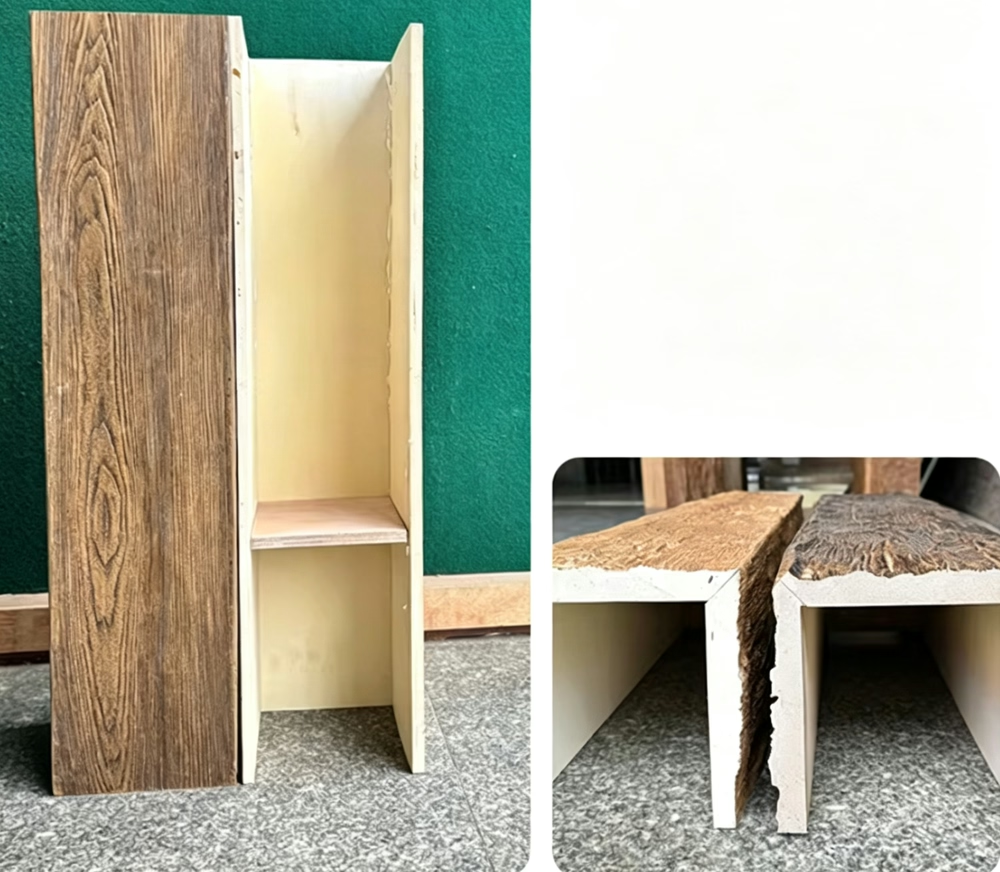
Surface texture is preserved by the molding process. The hand feels the grain pattern, the texture depth, and the surface variations as it would on real timber. The texture is where polyurethane beams score best in the tactile category.
Density of surface is somewhat lower than wood. The hand pressing on a polyurethane beam feels the surface compress slightly, which wood does not do. This is a subtle difference that most people do not consciously notice but that affects the overall sense of solidity.
Temperature response differs from wood. Polyurethane feels warmer to the touch than wood because the foam insulates the hand's heat rather than conducting it away. The difference is detectable but not dramatic.
Acoustic response differs significantly. Knocking on a polyurethane beam produces a dull sound rather than the resonant thump of real wood. This is the cue that most often reveals the material as not authentic timber.
For projects where tactile feel matters most — rooms where visitors will be encouraged to touch the beams, or bars and restaurants where patrons lean against the beams — the differences may be important. For projects where the beams are primarily visual elements overhead, the differences are less significant.
Where the differences matter most
The differences between polyurethane and real timber are most noticeable in certain situations.
Bars and restaurants where patrons handle the beams directly. A hand running along the bottom of an overhead beam feels the surface clearly, and the warmth difference becomes apparent. The acoustic response is also audible in a quiet bar where people talk under the beams.
Hospitals and healthcare facilities where the materials are expected to perform like wood. Specifiers in healthcare sometimes expect materials to behave like wood in terms of fire performance, washability, and durability. Polyurethane is rated differently from wood in these applications.
High-end residential projects where authenticity is paramount. Owner's representatives may inspect beams closely and may run their hands across the surface to verify the material. Polyurethane fails the close inspection if authenticity is the criterion.
Exhibition or museum settings where the educational message includes material identity. Reproductions in museum displays sometimes need to be labeled clearly to avoid misleading visitors about what they are touching.
For most residential and commercial applications, the differences between polyurethane and real timber are not significant because the beams are viewed primarily from a distance and the surface feel, while different, is still wood-like.
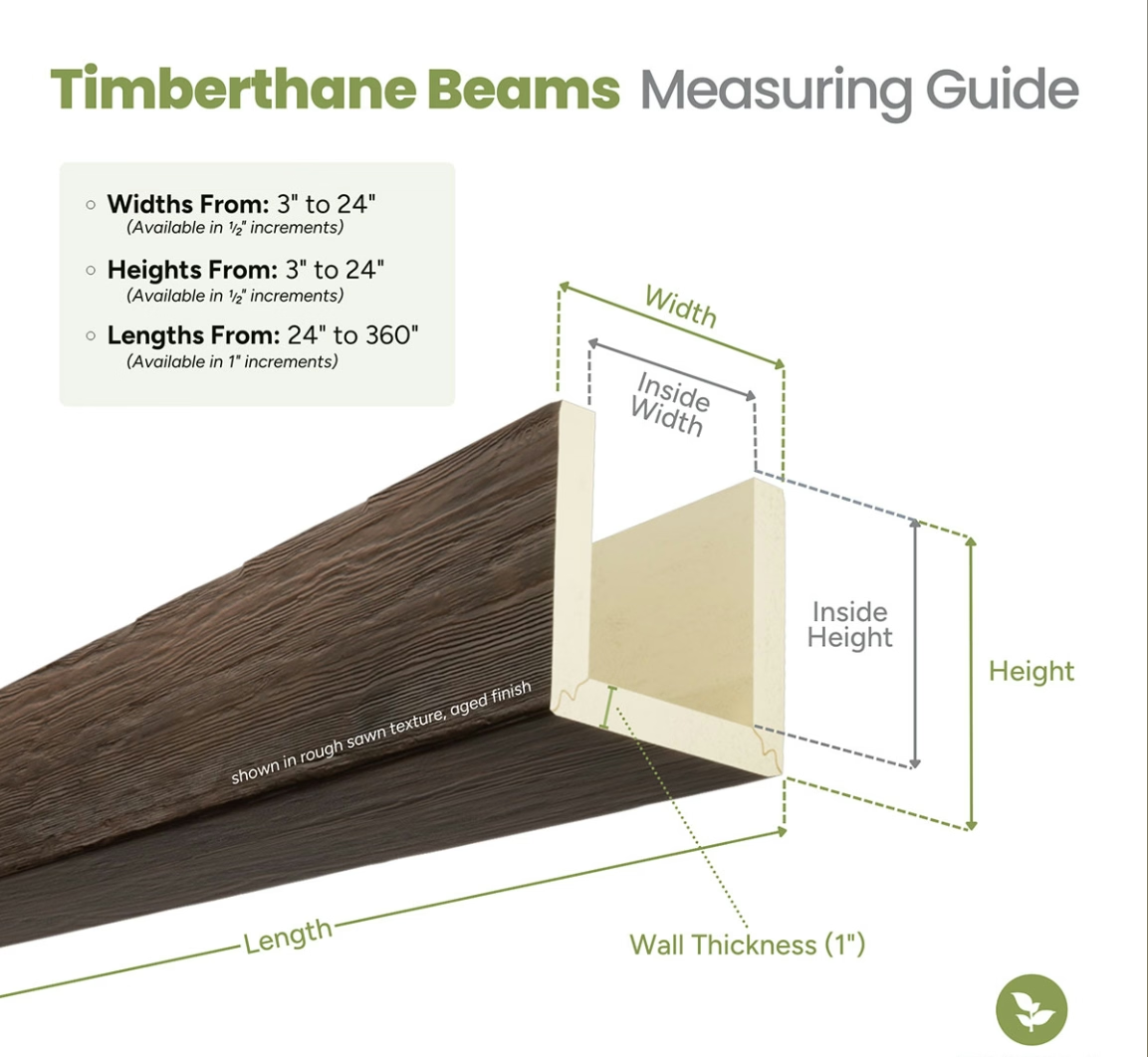
Honest specification of polyurethane beams
Designers specifying polyurethane beams should be honest about the material in two senses.
The first honesty is technical. Specifications should describe the material accurately. Describing polyurethane beams as "solid timber" or "real wood" is misleading. The accurate description identifies the material as polyurethane or engineered polyurethane composite with a timber-look finish. This protects the buyer from misunderstanding and protects the seller from misrepresentation claims.
The second honesty is aesthetic. Specifications should not overstate the authenticity of the timber feel. Phrases like "indistinguishable from real timber" or "perfect timber simulation" set expectations that the product cannot meet in all senses. More honest phrases might be "visual appearance of timber" or "tactile surface resembling worked wood." These phrases describe what the product actually delivers.
The trend in the industry is toward honest specification as buyers become more sophisticated about material identification. Manufacturers that clearly identify their products as polyurethane or engineered polymer builds are positioned well for buyers who want to know exactly what they are purchasing.
Designing for the strengths of polyurethane
Rather than treating polyurethane as a lesser substitute for real timber, designers can lean into the strengths of the material.
Weight savings enable installations that solid timber cannot support. Long spans without intermediate support, large cross-sections on vaulted ceilings, and overhead beams in spaces with limited structural reserve all become practical with polyurethane.
Dimensional consistency ensures clean installations. Solid timber varies in width, depth, and straightness. Polyurethane is uniform across every section. Designers can specify precise dimensions and trust that the installed product will match.
Finish consistency across multiple beams makes large projects manageable. A ceiling with eight hand-hewn polyurethane beams looks intentional rather than mismatched. The visual rhythm across the ceiling reads as designed rather than as a collection of disparate pieces.
Customization is more accessible. Custom textures, custom sizes, and custom finishes are available from polyurethane manufacturers at lead times and costs that are practical for most projects. The same customizations in solid timber would be prohibitive in cost or lead time.
Low maintenance is a long-term benefit. Polyurethane beams do not require periodic refinishing, do not develop cracks at the ends, and do not collect moisture in ways that support mold or insects. The decades-long service life of polyurethane beams with minimal maintenance is one of the strongest arguments for the material.
Where real timber still wins
Despite the advantages of polyurethane, there are situations where real timber is the right choice.
Projects where weight and authenticity are integral to the design. A building that is structurally designed for heavy timber can afford the cost and complexity of solid timber. The authenticity of the material supports the overall design intent.
Structurally necessary beams. Real timber continues to be the proper choice for structural applications where the beam actually carries load. Polyurethane can wrap a structural beam but cannot replace one in load-bearing applications.
Heritage restoration projects. Restoration of buildings on historic registers often requires matching the original materials exactly. Solid timber is necessary in these projects regardless of cost.
Museums and exhibits where material authenticity is the point. Educational settings that discuss timber as a material should use real timber in the visual and tactile demonstrations.
Bespoke high-end residences where no compromise is acceptable. Buyers with unlimited budgets sometimes specify solid timber for the absolute authenticity of the material. Polyurethane serves most budgets but cannot serve the unrestricted wallet.
Polyurethane as a parallel material category
The most useful framing of polyurethane beams is not as a substitute for real timber but as a parallel category with its own characteristics.
Polyurethane beams are appropriate for projects that want the visual and partial tactile character of timber without the weight, cost, and complexity. Real timber is appropriate for projects that need full material authenticity and can support the practical demands.
The two material categories serve different markets and different design intents. Specifying the right material for the project starts with understanding what the project actually needs.
For most residential projects and a significant share of commercial projects, the visual and tactile cues of polyurethane beams satisfy the design intent. The acoustic, thermal, and weight cues either do not matter or are actively beneficial. The result is a beam that looks, feels mostly, and behaves like timber in the ways that matter most.
For projects that need the full timber experience at any cost, real timber remains available. The two material categories coexist in the market and serve the industry as a whole.
Technical References
ASTM standards cited in every specification
Test Data
Lab results from internal testing program
Updated 2026
Reviewed against current product specs