
When architects began specifying polyurethane beams for restoration projects in the early 2000s, skeptics questioned whether anything could replicate the soul of aged timber. Two decades later, the answer sits in showrooms worldwide—molded polyurethane beams that capture not just the visual appearance of wood, but the subtle imperfections that give timber its character. The precision molding process has evolved from crude reproductions to remarkably sophisticated creations that even seasoned woodworkers struggle to distinguish from the real thing.
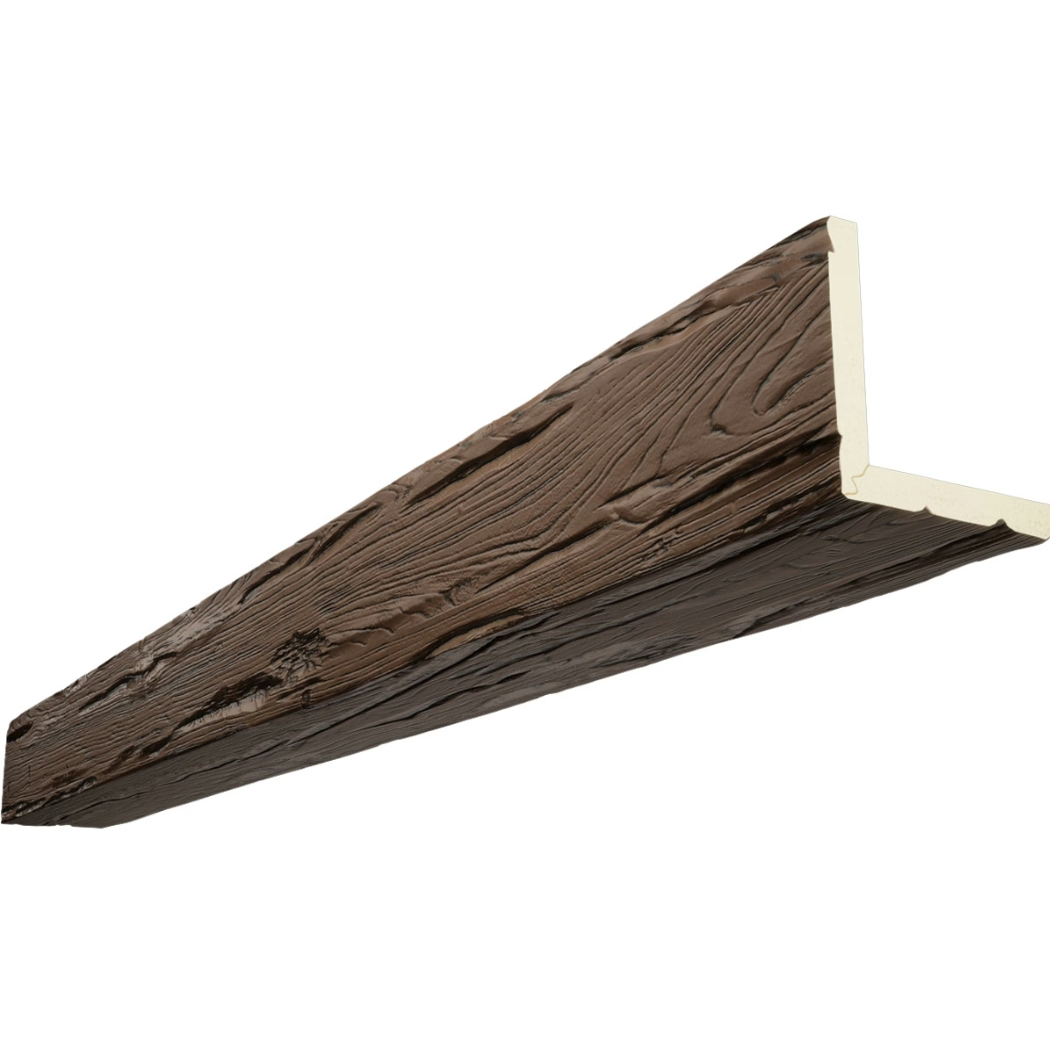
The manufacturing process begins with carefully selected master patterns sourced from antique structural timbers. These original pieces, often salvaged from historic barns and industrial warehouses, carry the marks of their history—nail holes, saw kerfs, and the gentle undulation of centuries-old growth rings. Skilled craftsmen create silicone molds that capture every detail at microscopic levels. When liquid polyurethane is injected into these molds under controlled pressure and temperature, the resulting beam emerges with grain patterns, texture variations, and surface characteristics that mirror natural wood with startling accuracy.
Understanding the Precision Molding Technology
The technology behind architectural molded beams has advanced significantly beyond simple replication. Modern formulations use high-density polyurethane with modified chemical structures that resist moisture absorption, insect damage, and UV degradation. Unlike natural timber, which requires ongoing maintenance to prevent rot and warping, polyurethane beams maintain their dimensions and appearance for decades without intervention. This stability proves particularly valuable in challenging environments such as coastal properties, swimming pool enclosures, and outdoor structures exposed to fluctuating weather conditions.
Surface preparation during molding includes the application of specialized primers that promote adhesion for finish coatings. Manufacturers can produce beams with factory-applied primers, stain grades ready for custom coloring, or fully finished surfaces in standard or custom colors. The ability to apply any wood stain or paint directly to the beam surface provides designers with unprecedented flexibility in matching existing décor or creating contrasting elements within a space.
The density of precision-molded beams typically ranges from 30 to 50 pounds per cubic foot, depending on the specific formulation and intended application. This lightweight nature dramatically simplifies handling and installation compared to solid timber or reconstituted wood products. A single installer can maneuver beams that would otherwise require two or three workers, reducing labor costs and installation time significantly.
Design Applications Across Project Types
Restaurant interior designers have embraced molded polyurethane beams as a cost-effective method for creating rustic dining environments without the structural complications of genuine timber. Exposed beam ceilings, feature walls, and bar counters finished with faux wood elements establish warm, inviting atmospheres that encourage lingering. The material's resistance to moisture makes it suitable for kitchen environments where steam and humidity would accelerate deterioration in natural wood.

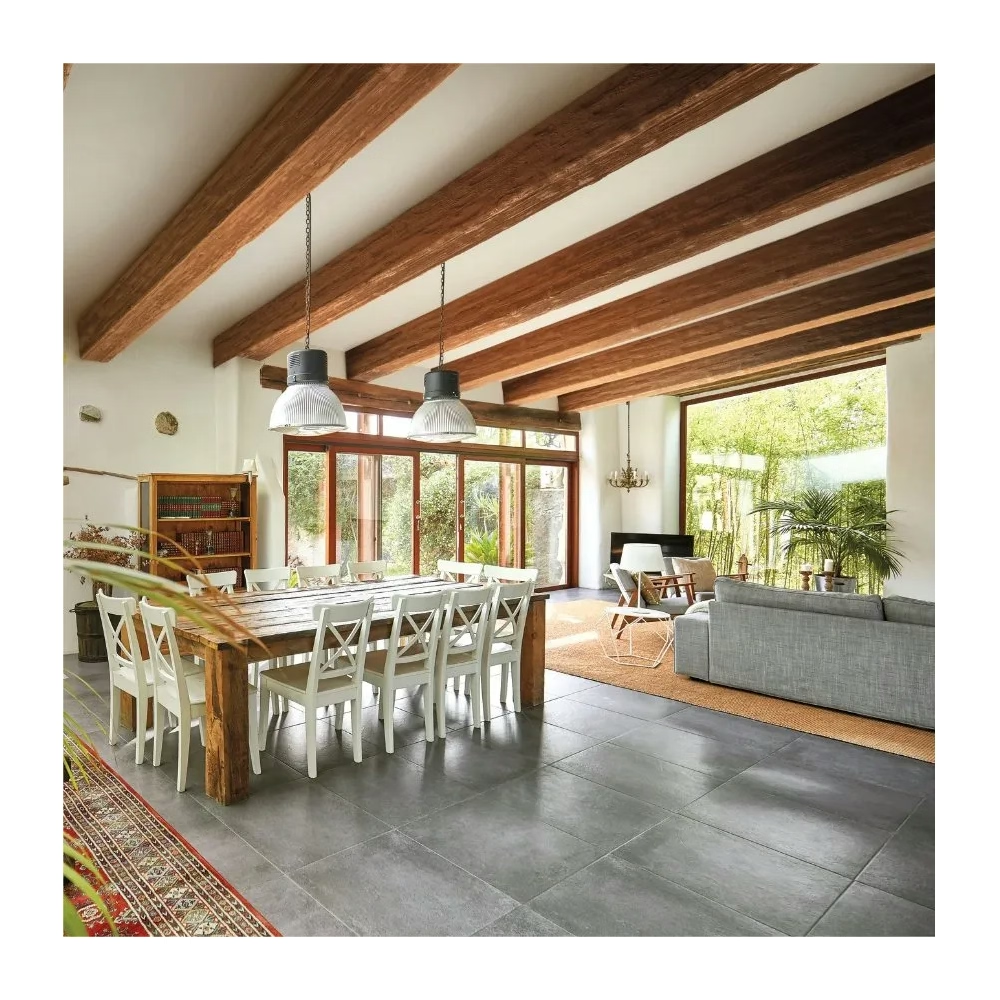
Residential applications extend from great rooms and living areas to outdoor living spaces and covered porches. Homeowners seeking the cabin aesthetic without the cabin maintenance find polyurethane beams an attractive solution. Vaulted ceilings benefit particularly from the lightweight construction, as heavy timber would impose unacceptable loads on roof structures not designed for solid wood support.
Commercial office spaces utilize these beams to introduce warmth into otherwise sterile environments. Coffered ceiling installations, reception desk accents, and partition elements create visual interest without the acoustic complications of natural materials. The fire-rated formulations available from quality manufacturers meet commercial building codes, expanding the range of permissible applications in public spaces.
Installation Best Practices for Optimal Results
Successful beam installation requires attention to substrate preparation and mounting methodology. The supporting structure must provide adequate attachment points capable of supporting the beam weight plus any additional loads such as lighting fixtures or ceiling fans. Cleat systems, lag screws, and construction adhesive work together to ensure secure attachment that withstands the test of time.
Alignment during installation requires careful measurement and marking before any permanent attachment. Unlike natural wood, which can be planed or sanded to correct minor discrepancies, polyurethane beams must be fitted precisely from the start. Pre-fitting all beams before applying adhesive allows adjustments without wasted material or time.
Seaming joints where beams meet at corners or intersections require specialized techniques to achieve seamless appearance. Backer blocks, fiberglass mesh reinforcement, and flexible caulking compounds designed for polyurethane substrates ensure connections remain hidden and structurally sound. Filling and finishing these joints demands patience and attention to detail that distinguishes professional installations from amateur attempts.
Temperature considerations during installation affect adhesive curing and surface finishing. Most manufacturers recommend installation in temperatures between 50 and 90 degrees Fahrenheit for optimal results. Cold temperatures slow curing while excessive heat accelerates it beyond workable windows, potentially compromising bond strength.
Evaluating Quality and Selecting Suppliers
Not all molded polyurethane beams meet equal standards of quality and authenticity. Prospective buyers should request samples before committing to large purchases, examining grain depth, surface texture, and color consistency across multiple pieces. High-quality beams exhibit consistent density without voids, bubbles, or surface imperfections visible under proper lighting.
Warranty coverage provides insight into manufacturer confidence in their products. Reputable suppliers offer warranties ranging from 5 to 25 years depending on the product line and intended application. Commercial installations typically require longer warranty periods given the difficulty and cost of future replacement.
Lead time and inventory availability affect project scheduling significantly. Stock items ship within days while custom configurations may require several weeks for production and finishing. Large projects benefit from early engagement with suppliers to coordinate delivery schedules that align with construction phases and avoid site storage complications.
Technical support from manufacturers and distributors varies considerably across the industry. Suppliers who provide installation guidelines, technical specifications, and responsive customer service demonstrate commitment to customer success that extends beyond the initial transaction. This support proves invaluable when encountering unique site conditions or design challenges requiring creative problem-solving.
Cost Analysis and Project Budgeting
Initial material costs for polyurethane beams typically exceed those of dimensional lumber or oriented strand board replicas. However, total project cost analysis frequently favors polyurethane when considering finishing requirements, maintenance obligations, and replacement timelines. Natural wood requires sealing, staining, or painting before installation and ongoing maintenance throughout its service life.
Labor savings during installation often offset higher material costs. The lightweight nature of polyurethane reduces handling time and allows faster installation by smaller crews. Eliminating the need for heavy equipment such as forklifts or cranes further reduces project costs, particularly in locations with limited site access or restrictive working conditions.
Long-term financial benefits emerge from the extended service life and minimal maintenance requirements of quality polyurethane products. When properly installed, these beams provide decades of service without the repair, refinishing, or replacement cycles associated with natural wood. This durability proves especially valuable in commercial applications where downtime for maintenance translates directly to revenue loss.
Project budgeting should account for not just material and installation costs, but also finishing supplies, mounting hardware, and any structural preparation work required to support beam installation. Comprehensive quotes from experienced contractors help ensure accurate budgeting that avoids unpleasant surprises during construction.
Technical References
ASTM standards cited in every specification
Test Data
Lab results from internal testing program
Updated 2026
Reviewed against current product specs


