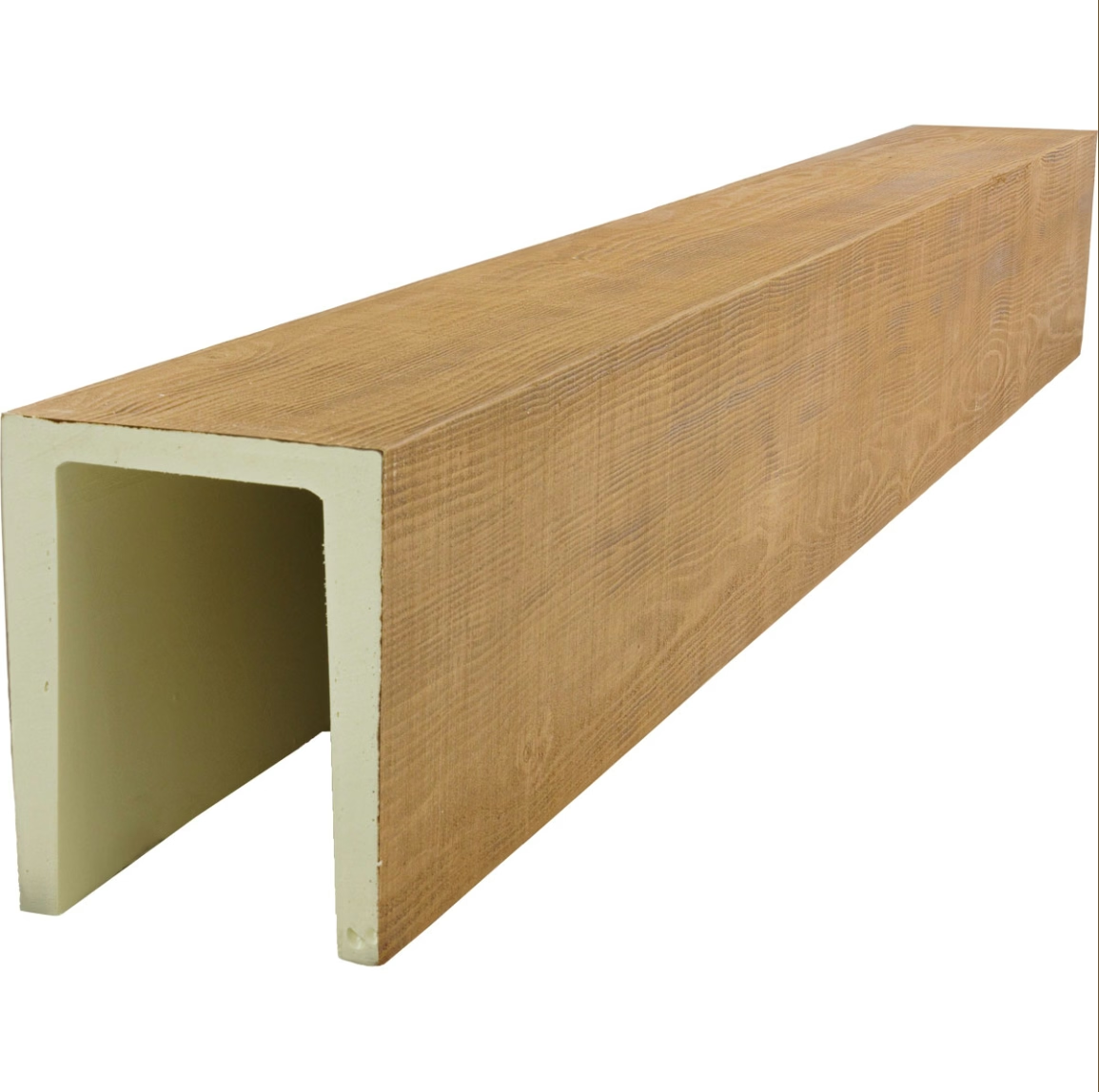
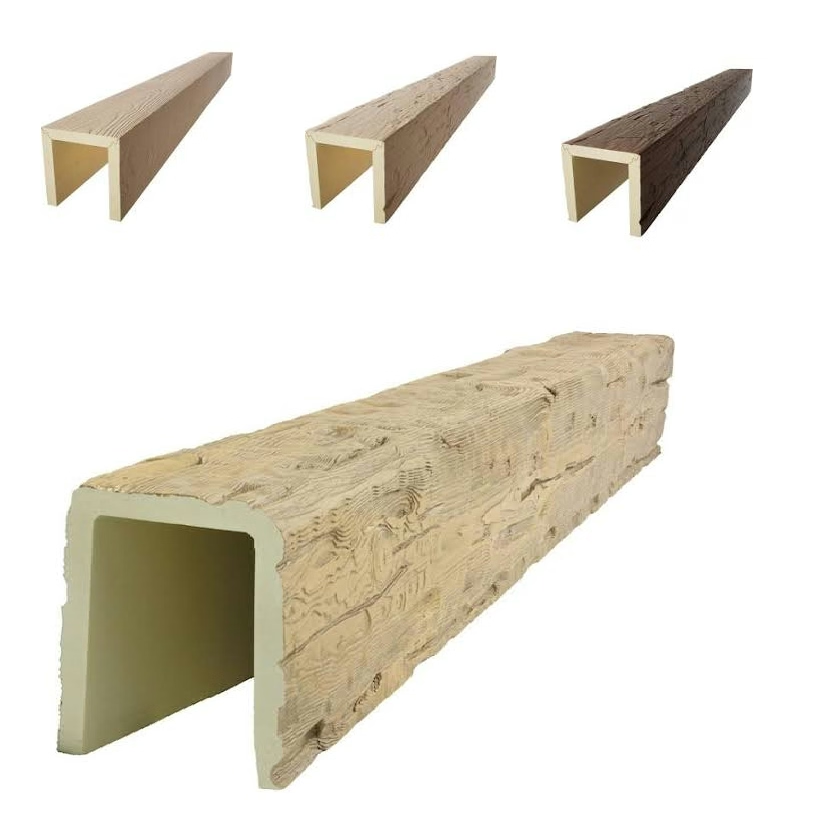
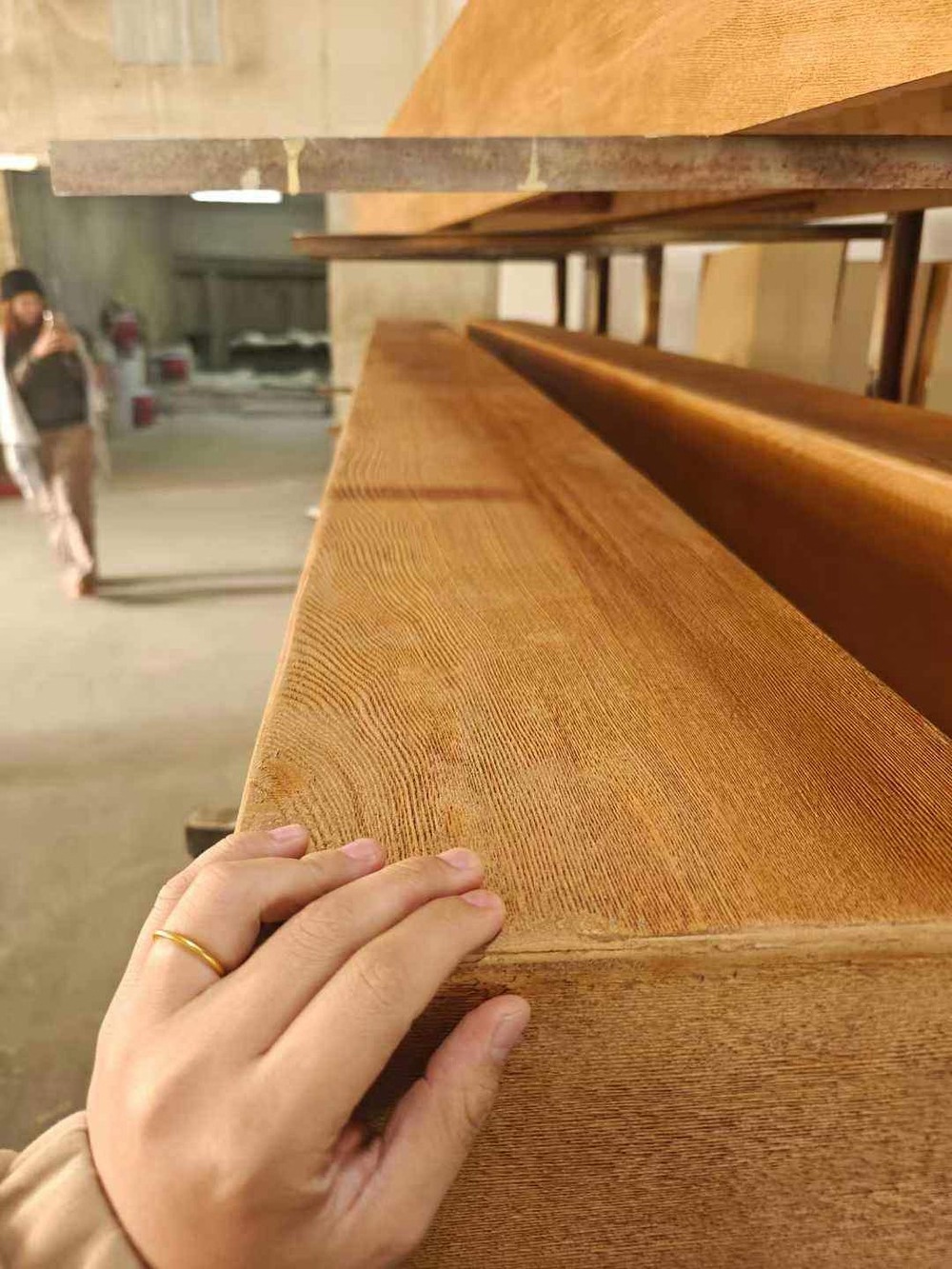
The transformation of China's manufacturing sector over the past three decades has reshaped countless industries, and decorative building materials prove no exception. What began as low-cost replication of Western designs has evolved into sophisticated domestic capabilities that increasingly lead global innovation in polyurethane faux wood products. Visiting a modern Chinese beam factory reveals production capabilities that rival or exceed those found anywhere else in the world.
Modern facilities span hundreds of thousands of square feet, organized into specialized production zones that handle everything from raw material mixing to final packaging. Automated systems transport workpieces between stations, maintaining precise environmental conditions throughout the production process. Temperature-controlled mixing rooms ensure consistent chemical reactions during the critical curing phase, eliminating variables that compromise product consistency.
Production Process and Manufacturing Technology
Raw material preparation begins with careful weighing and mixing of polyurethane components. Modern factories use computer-controlled mixing systems that dispense ingredients with precision measured in grams, ensuring consistent density and reaction characteristics across production batches. Formula variations create different beam properties suited to specific applications, from lightweight decorative products to structural configurations capable of supporting significant loads.
Molding operations employ both traditional silicone mold techniques and advanced rotational molding processes. Silicone molding suits high-detail applications where surface texture authenticity takes priority, while rotational molding produces hollow-core beams with excellent dimensional stability at reduced material costs. The choice between methods depends on the specific product requirements and cost targets established for each market segment.
Curing chambers provide controlled environments where freshly molded beams complete their chemical transformation. Temperature, humidity, and air circulation are carefully maintained to ensure complete curing without introducing internal stresses that might cause warping or cracking. Modern factories monitor these conditions continuously, with automated systems adjusting parameters to maintain optimal curing profiles.
Surface finishing operations add the visual characteristics that distinguish premium products from commodity alternatives. These operations include primer application, texture enhancement, stain simulation, and protective coating. Each stage involves quality checks that identify defects before products advance to subsequent processing, minimizing waste and ensuring consistent final quality.
Quality Assurance Systems and Standards
Reputable Chinese factories implement comprehensive quality management systems based on international standards. ISO 9001 certification provides a framework for documented procedures, process control, and continuous improvement. Factories serving North American and European markets often pursue additional certifications that address region-specific requirements and customer expectations.

Incoming material inspection verifies that raw ingredients meet specification requirements before entering production. Chemical composition verification, density testing, and physical property assessment ensure that raw material variations do not propagate into finished product inconsistencies. This upstream control proves more effective than inspection-based quality assurance that only catches problems after production is complete.
In-process quality monitoring occurs at critical production stages, with statistical process control techniques identifying trends that might indicate emerging problems. Real-time data collection enables immediate corrective action when parameters drift beyond acceptable ranges, preventing defective products from advancing through subsequent processing stages.
Finished product testing evaluates samples from each production batch against established specifications. Physical property tests measure density, hardness, impact resistance, and dimensional accuracy. Environmental testing exposes samples to temperature extremes, humidity cycles, and UV exposure that simulate long-term service conditions. Fire testing verifies compliance with applicable building codes for commercial applications.

Supply Chain Considerations for International Buyers
Logistics planning for importing polyurethane beams from Chinese factories requires attention to factors that differ significantly from domestic sourcing. Lead times measured in weeks rather than days necessitate accurate forecasting and careful scheduling coordination.缓冲 inventory strategies help manage the variability inherent in international supply chains while avoiding excessive carrying costs.
Shipping options include less-than-container-load consolidation services that aggregate smaller orders with other buyers to fill shipping containers efficiently. Full containerload shipments offer economies of scale for larger orders but require sufficient volume commitment to justify the inventory investment. Understanding these tradeoffs helps buyers optimize their sourcing strategies based on order volumes and cash flow considerations.
Import duty rates and regulatory requirements vary by destination country and product classification. Polyurethane beams typically enter under Harmonized Tariff Schedule classifications that determine duty rates applicable to decorative building materials. Professional customs brokers help navigate these requirements while ensuring compliance with labeling, testing, and documentation standards.
Payment terms for international transactions require careful management given the distance and time between order placement and delivery. Letter of credit arrangements provide security for both parties, though they involve banking fees and documentation requirements. Open account terms offered by established suppliers reduce transaction costs but require confidence in the buyer's creditworthiness and payment reliability.
Evaluating and Selecting Factory Partners
Factory audits provide firsthand assessment of manufacturing capabilities, quality systems, and organizational competence. Comprehensive audits evaluate production equipment, process controls, documentation practices, and workforce capabilities. Third-party inspection services offer cost-effective alternatives for buyers unable to conduct their own audits, providing objective assessment based on established criteria.
Communication capabilities and language proficiency affect working relationships with Chinese suppliers. Factories with dedicated export divisions employ staff fluent in English and familiar with international business practices. These teams bridge cultural differences and navigate the documentation requirements that international transactions demand.
Engineering and design support capabilities distinguish premium suppliers from basic manufacturers. Suppliers who contribute to product development, suggest design improvements, and offer custom configuration options provide value beyond simple production capacity. This collaborative approach often yields better outcomes than transactional supplier relationships focused exclusively on price.
Financial stability assessment helps ensure long-term supply reliability for strategic partnerships. Factory audits can include evaluation of financial indicators, customer concentration, and business continuity planning. Suppliers with diversified customer bases and healthy financial positions offer greater assurance of continued availability compared to marginal operations vulnerable to market fluctuations.

Building Successful Long-Term Partnerships
Successful international supplier relationships develop through consistent communication, fair dealing, and mutual commitment to continuous improvement. Regular video conferences maintain connection between teams separated by time zones and distance. Quarterly business reviews assess performance metrics, address emerging issues, and identify opportunities for collaboration.
Product development collaboration leverages the manufacturing expertise of Chinese factories while incorporating market insights from buyers who understand end-customer requirements. Joint investment in new product development creates proprietary offerings that differentiate both parties in their respective markets. Such collaboration transforms transactional suppliers into strategic partners contributing to competitive advantage.
Cultural awareness enhances relationship effectiveness by fostering understanding of how business practices, decision-making processes, and communication styles differ between trading partners. Taking time to understand Chinese business culture and sharing knowledge of your own cultural context builds mutual respect that supports productive collaboration.
Continuous improvement initiatives address quality enhancement, cost reduction, and process efficiency in ways that benefit both parties. Sharing performance data, discussing improvement opportunities, and implementing agreed changes builds momentum toward operational excellence. These incremental advances compound over time, creating sustainable competitive advantages that single transactional exchanges cannot achieve.
Technical References
ASTM standards cited in every specification
Test Data
Lab results from internal testing program
Updated 2026
Reviewed against current product specs