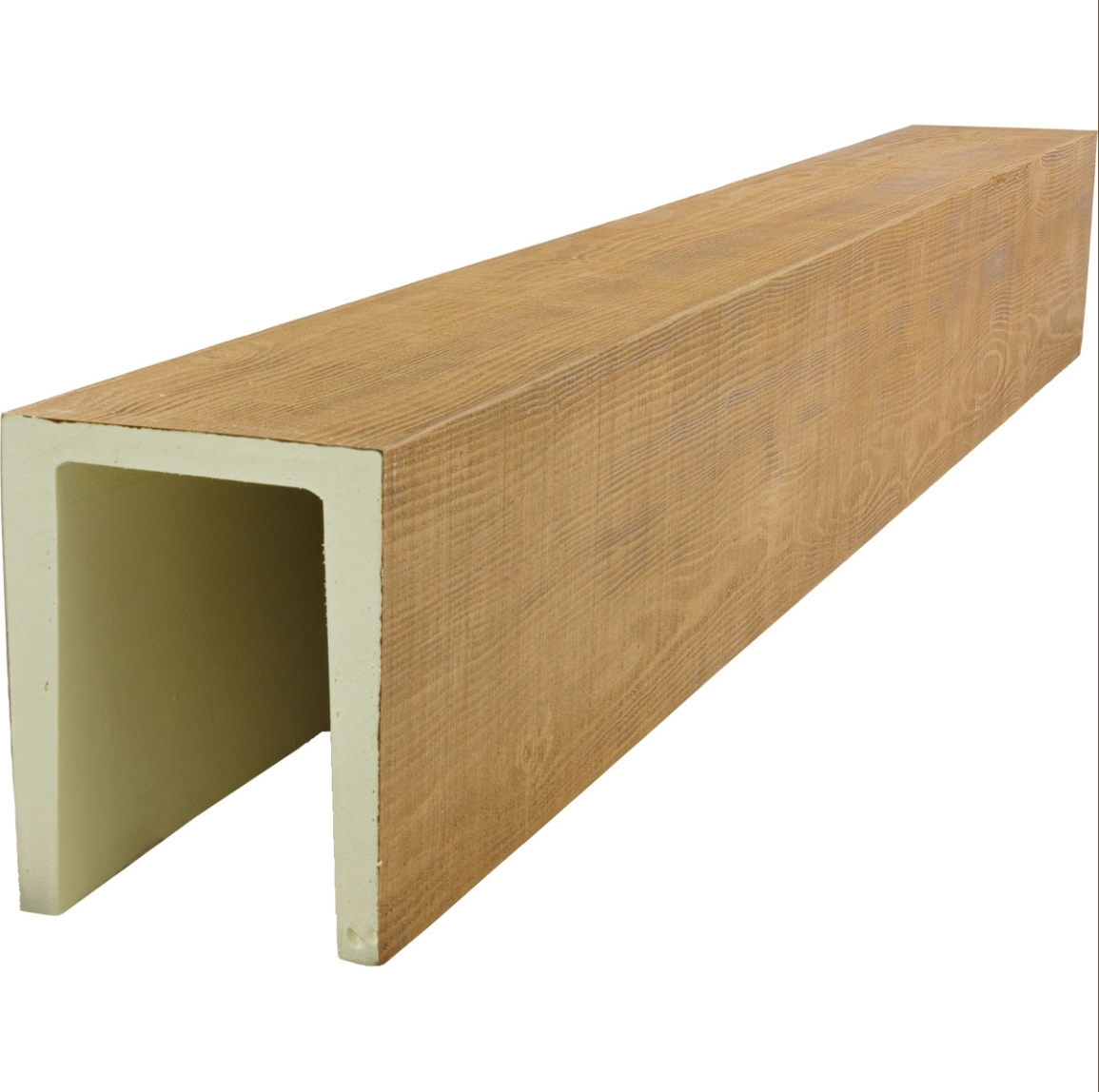
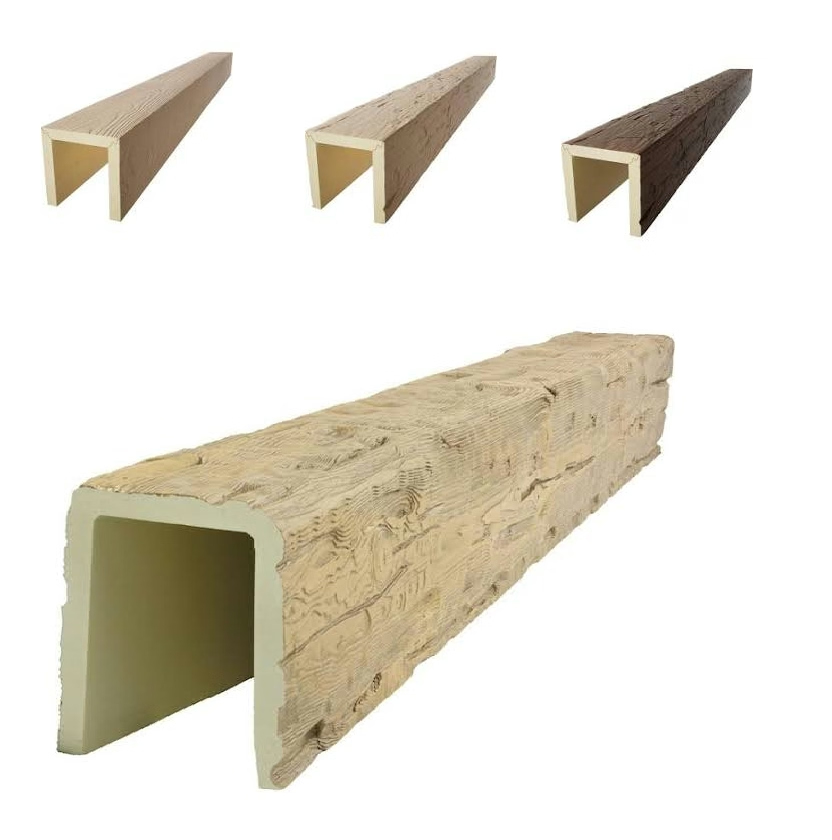
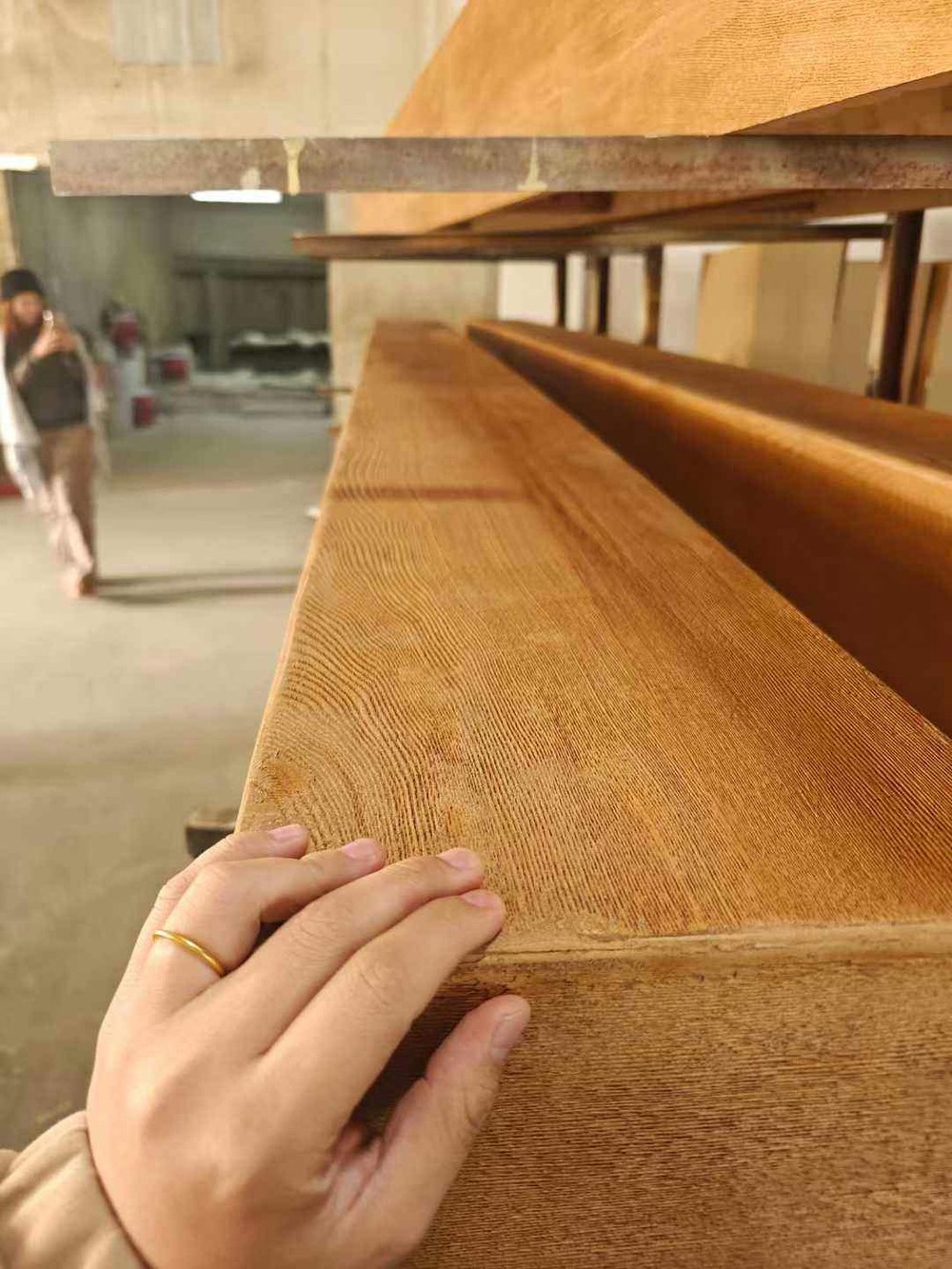
The debate between natural and synthetic materials in construction has raged for decades, with passionate advocates on each side claiming moral and practical superiority. In the specific context of decorative ceiling beams, the discussion has evolved from philosophical preference toward evidence-based evaluation as polyurethane products have matured. Modern high-quality faux beams no longer merely imitate timber aesthetics—they frequently outperform their natural counterparts in the characteristics that matter most for successful installations.
Historically, synthetic alternatives earned legitimate criticism for appearing artificial, failing to capture wood's organic character, and degrading rapidly under environmental stress. Those criticisms no longer apply to premium products from established manufacturers. The gap between authentic timber appearance and synthetic reproduction has narrowed to the point where even experienced woodworkers struggle to identify the difference without close examination. Meanwhile, synthetic materials have developed performance advantages that natural wood cannot match without ongoing intervention.
The choice between solid timber and quality faux alternatives depends on specific project requirements, budget constraints, and performance expectations. Understanding the genuine tradeoffs—not the exaggerated claims from either camp—enables decisions that serve project goals effectively.
Appearance and Aesthetic Considerations
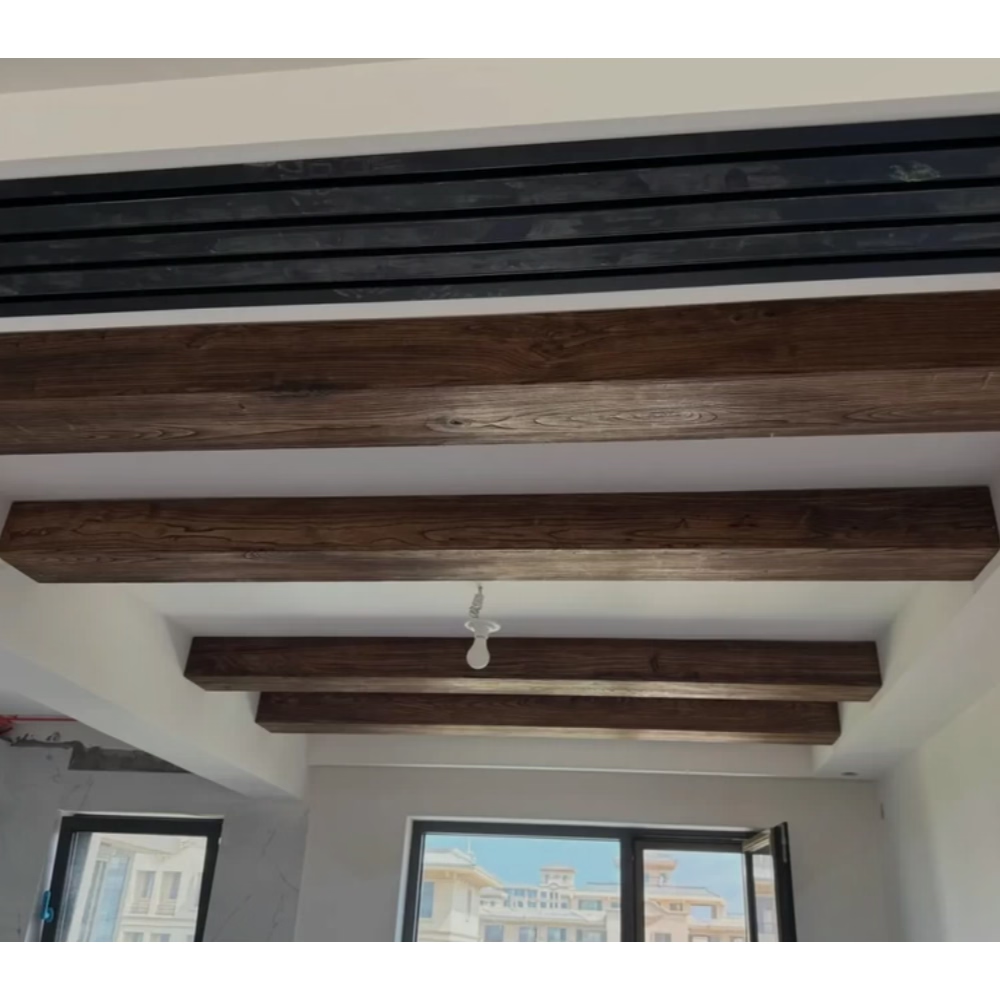
Visual authenticity in premium faux beams begins with meticulous attention to surface detail. High-resolution scanning of genuine antique timbers captures grain patterns, checking, and wear marks that reproduce authentic character. Advanced molding techniques transfer these details to synthetic surfaces with fidelity that approaches perfect replication. The result provides aesthetic satisfaction that satisfies all but the most discriminating observers.
Color consistency across beam installations eliminates the variations inherent in natural wood products. Timber beams exhibit color differences between pieces—even beams cut from the same tree show contrasting grain patterns and tonal variations. Polyurethane production creates consistent coloration across unlimited quantities, enabling installations where all beams match precisely. This consistency proves particularly valuable in contemporary designs where uniformity supports the intended aesthetic.
Profile variety available in synthetic beams exceeds what natural wood can economically provide. Custom profiles, complex shapes, and unusual dimensions can be produced without the specialized milling and tooling costs that make custom timber beams prohibitively expensive. Design flexibility expands dramatically when budget constraints on profile complexity disappear.
Surface texture in quality faux beams captures the subtle imperfections that give wood its character. Knots, checks, and grain variations distribute across surfaces in patterns that appear natural rather than repetitive. Unlike early synthetic products with obviously artificial uniformity, modern premium beams create the impression of genuine timber without the imperfections that might compromise structural integrity in natural wood.
Performance and Durability Comparison
Moisture resistance distinguishes polyurethane from natural wood in humid environments. Timber absorbs atmospheric moisture, swelling, warping, and eventually rotting when exposed to sustained humidity. Polyurethane absorbs essentially no moisture, maintaining dimensions and surface integrity regardless of environmental conditions. This resistance makes synthetic beams ideal for bathrooms, pool enclosures, and coastal applications where timber would deteriorate rapidly.
Insect resistance eliminates pest concerns that complicate timber specification. Termites, carpenter ants, and wood-boring beetles cause billions of dollars in damage annually to wooden structures. Polyurethane provides no food source for these pests, eliminating treatment requirements and damage risks that timber installations must manage. This advantage proves particularly valuable in geographic areas where termite pressure creates ongoing maintenance obligations.

Fire performance in modern faux beams can exceed natural wood through specialized formulations. Fire-rated polyurethane formulations resist ignition and limit flame spread, meeting commercial building code requirements that natural wood cannot satisfy without chemical treatment. The availability of certified fire-rated products expands the application range for synthetic beams into environments where timber cannot be legally installed.
Thermal stability prevents the movement and distortion that timber exhibits under temperature cycling. Natural wood expands and contracts with temperature changes, sometimes enough to stress connections and create gaps. Polyurethane maintains dimensions across temperature ranges, providing stable appearance and secure attachment throughout seasonal cycles. This stability simplifies installation and ensures long-term joint integrity.
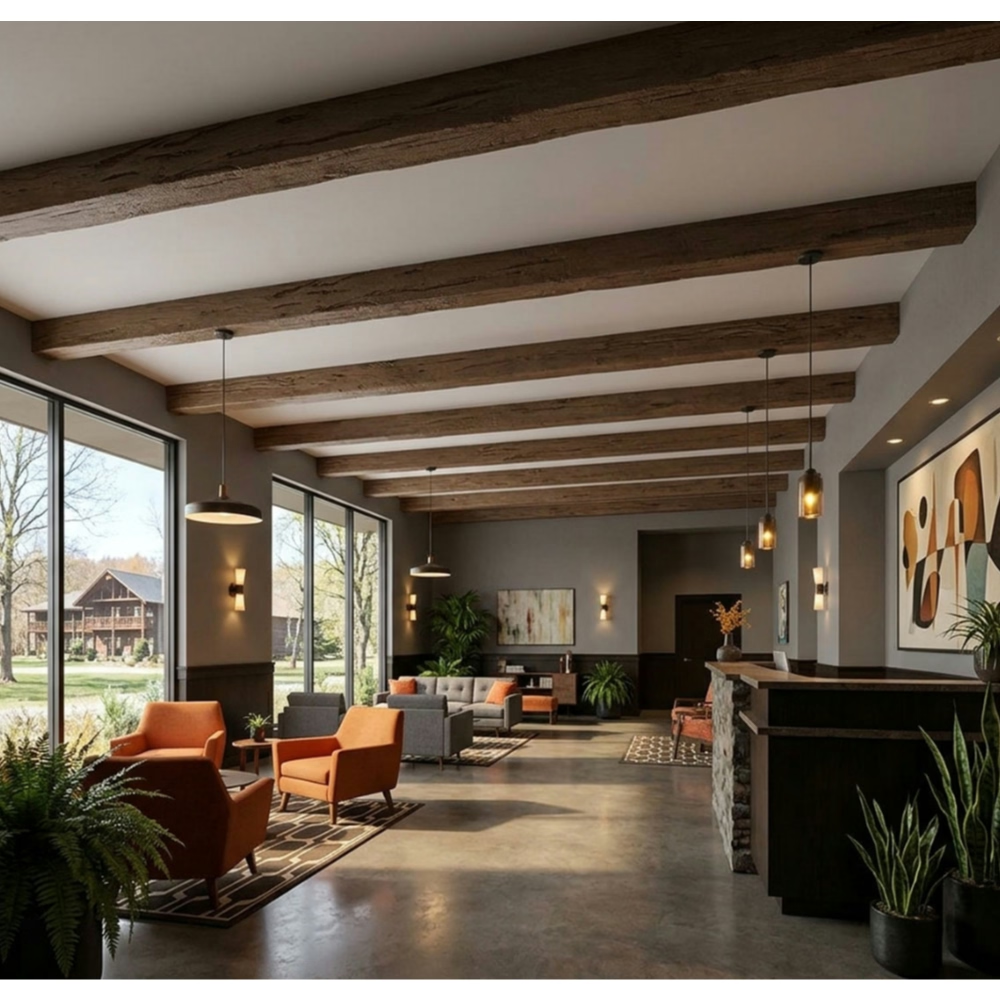
Installation and Handling Differences
Weight reduction in polyurethane beams transforms installation logistics. A twelve-foot solid timber beam might weigh two hundred pounds or more, requiring multiple workers and mechanical lifting equipment. An equivalent-appearing polyurethane beam weighs perhaps thirty pounds, installable by a single person using common tools. This weight difference eliminates structural reinforcement requirements that timber installations often demand.
Dimensional consistency in manufactured beams simplifies layout and fitting. Natural timber exhibits bow, twist, and cupping that complicate installation and may require extensive shimming or planing to achieve acceptable results. Polyurethane beams arrive with consistent dimensions that mount directly to framing without adjustment. This predictability accelerates installation and ensures professional results.
Hollow-core construction in many polyurethane beams provides cable and piping routing without compromising appearance. Running electrical wiring, low-voltage cables, or HVAC ductwork through beam cavities enables clean installations that eliminate exposed conduit and junction boxes. Timber beams would require extensive modification to achieve equivalent routing capability.
Fastening methods for polyurethane beams utilize standard construction hardware with specialized anchors suited to synthetic materials. Adhesive bonding, lag screws, and construction adhesive work together to create secure connections that resist removal forces. Installation guidelines from manufacturers provide specific recommendations for different substrates and loading conditions.
Long-Term Maintenance and Lifecycle Costs
Maintenance requirements for polyurethane beams are minimal compared to timber alternatives. Natural wood requires periodic inspection for pest activity, moisture damage, and finish deterioration. Affected areas need sanding, refinishing, or replacement to maintain appearance and structural integrity. Polyurethane beams require only occasional cleaning to maintain their appearance indefinitely.
Finish longevity in quality faux beams exceeds natural wood performance. Factory-applied finishes bond to polyurethane surfaces with exceptional adhesion, resisting chipping, peeling, and fading that plague site-finished timber. When touch-up becomes necessary, polyurethane accepts standard wood-finishing products without the preparation required for aged timber.
Replacement considerations favor polyurethane when damage occurs. The consistency of manufactured products means replacement beams match original installations exactly, eliminating the search for matching timber that natural wood damage requires. Rapid availability from distributors reduces the downtime between damage occurrence and repair completion.
Lifecycle cost analysis incorporating maintenance, replacement, and performance factors typically favors quality polyurethane over natural wood. Initial cost savings combine with reduced maintenance investment and extended service life to produce favorable lifetime economics. The specific comparison depends on application conditions and quality level of products compared, but synthetic alternatives frequently demonstrate compelling cost advantages.
Making the Right Choice for Specific Applications
Historic restoration projects may require authentic timber to maintain compliance with preservation standards. When restoration guidelines mandate specific materials, the aesthetic superiority of natural wood may justify the additional cost and maintenance obligations. Understanding applicable requirements before material selection prevents costly specification changes later.
Structural applications where beams bear loads may favor natural timber or engineered wood products depending on engineering requirements. Decorative polyurethane beams are not designed for structural loading, though they can span considerable distances when properly supported. Consultation with structural engineers clarifies whether synthetic beams satisfy load requirements for specific installations.
Budget constraints often favor synthetic alternatives when project economics drive decisions. The combination of lower material cost, reduced installation expense, and minimal maintenance creates favorable economics that enable budget allocation to other project priorities. When aesthetic satisfaction from quality faux beams meets project requirements, the economic advantage becomes decisive.
Environmental considerations create divided conclusions depending on how lifecycle impacts are weighted. Natural wood sequesters carbon throughout its service life while polyurethane production involves petroleum-derived chemicals. However, wood harvesting affects forest ecosystems while synthetic production does not. Neither material offers clear environmental superiority, making this factor less decisive than practical performance considerations.
Technical References
ASTM standards cited in every specification
Test Data
Lab results from internal testing program
Updated 2026
Reviewed against current product specs