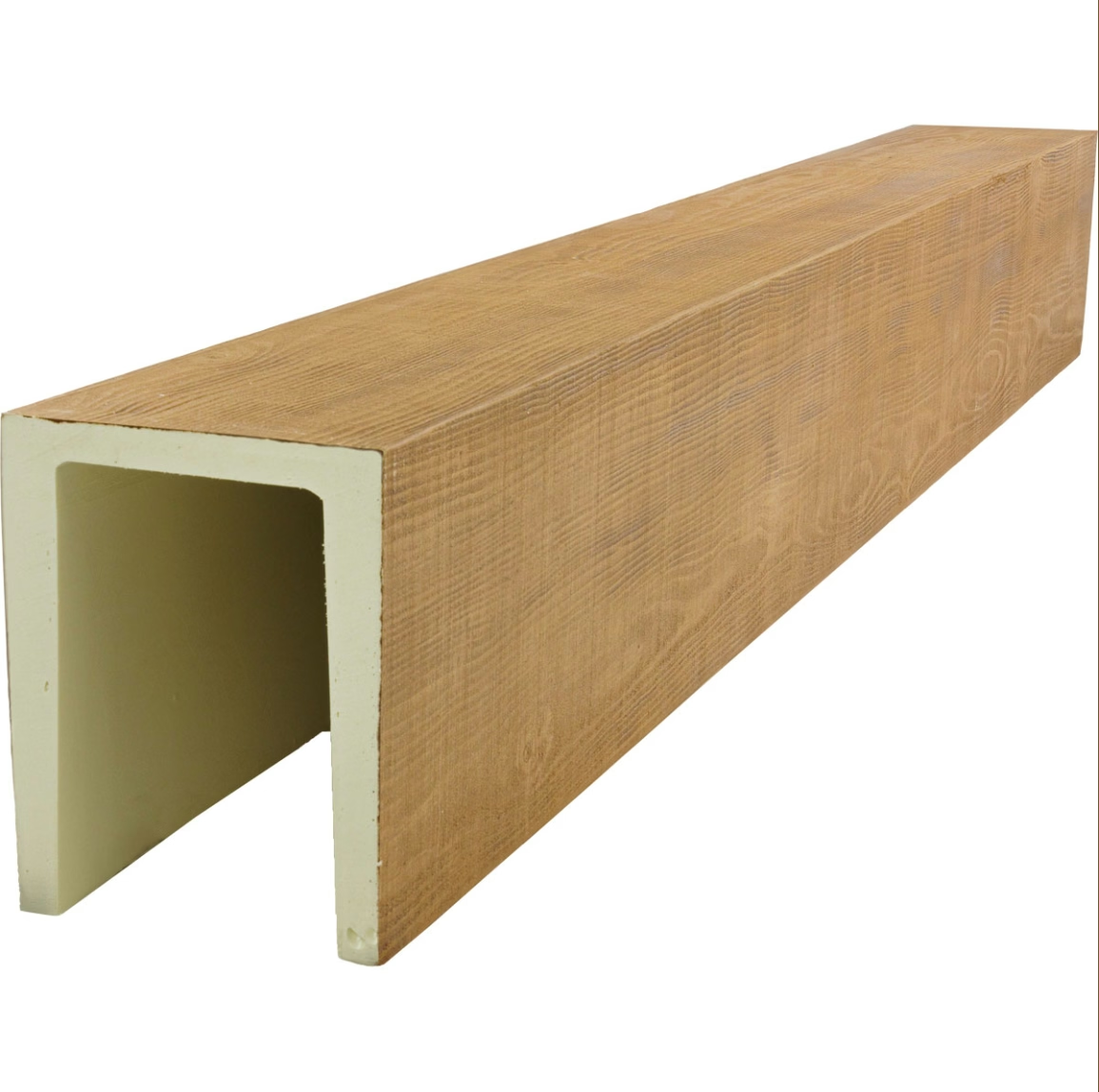
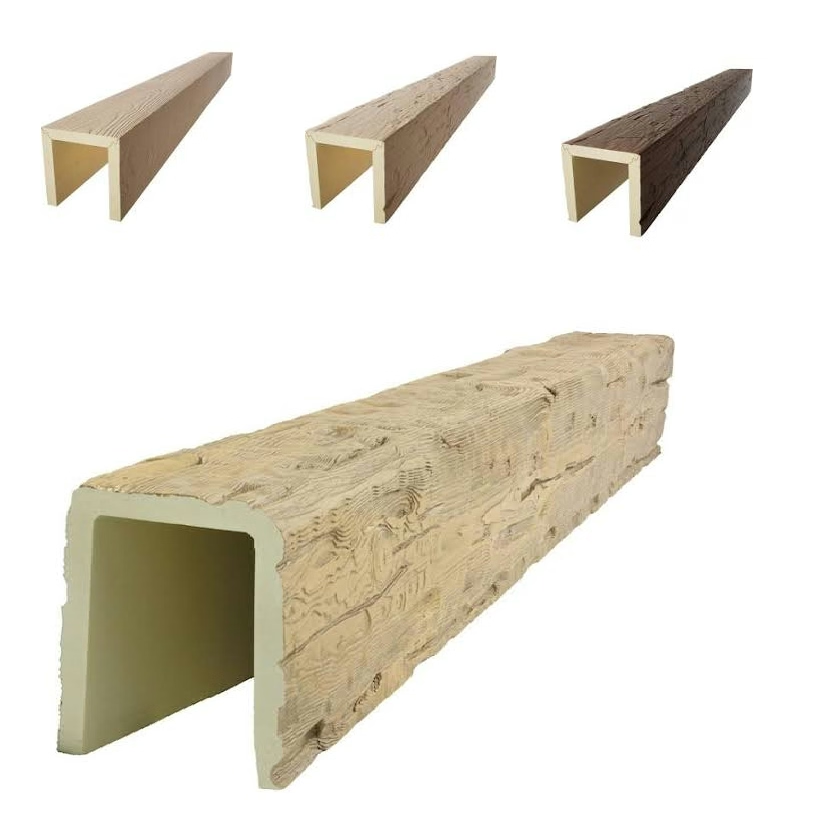
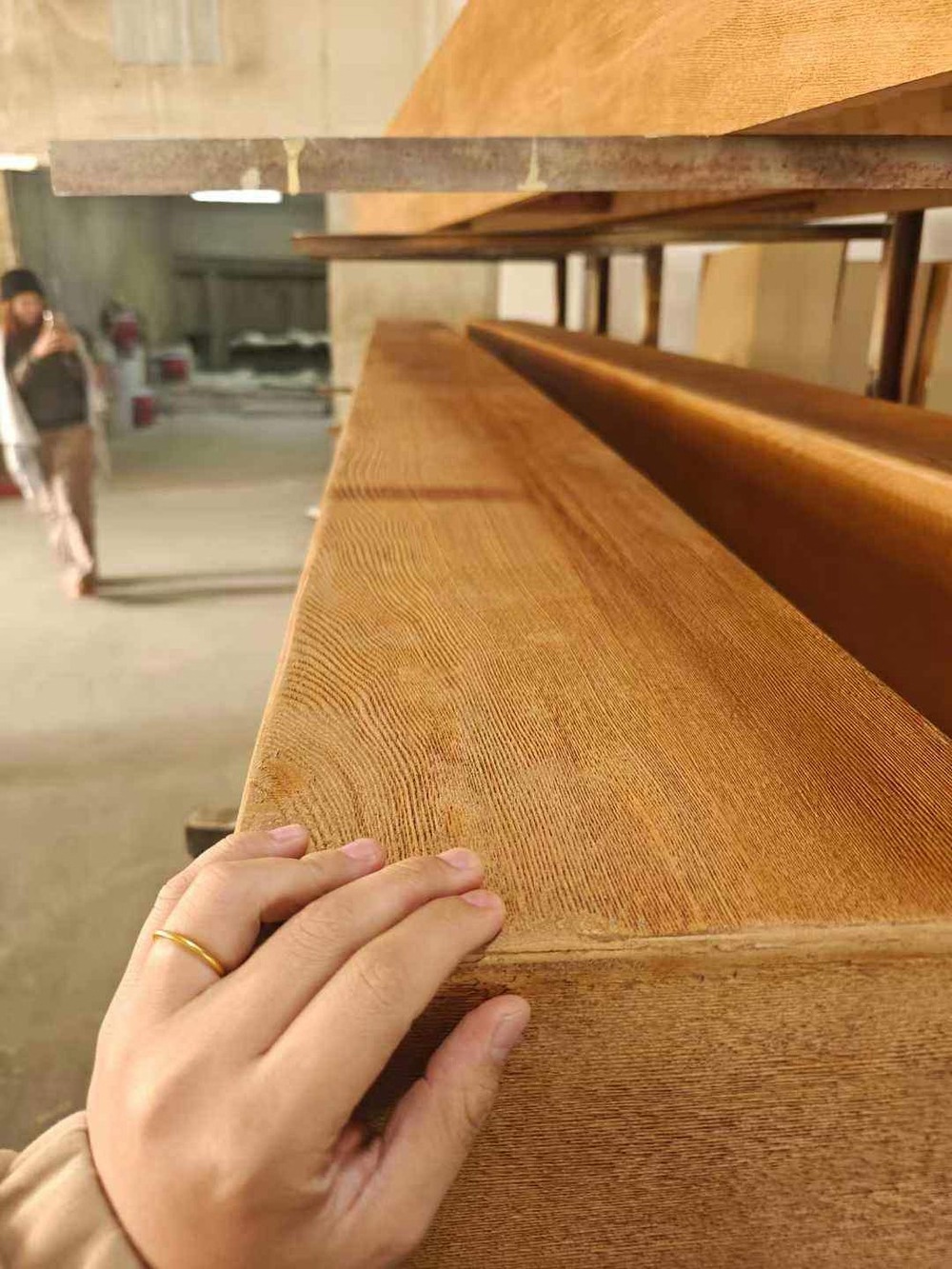
The beams in that conference room had survived three corporate reorganizations, two rebranding initiatives, and countless coffee spills from nervous presenters. Installed when the building opened two decades ago, they showed no indication of the retirement that HR had suggested during space redesign discussions. The facilities manager had documented their condition: no yellowing, no cracking, no joint separation, no evidence of the degradation that plagues lesser materials. The redesign team scrapped their replacement plans and specified cleaning rather than removal.
Longevity in construction materials transcends environmental benefit and enters financial territory that building owners understand instinctively. Products that require replacement after five years represent different investments than those serving reliably for twenty or thirty years. When lifecycle costs enter the calculation, initial price differences often reverse, with higher-quality products proving more economical despite their upfront premium.
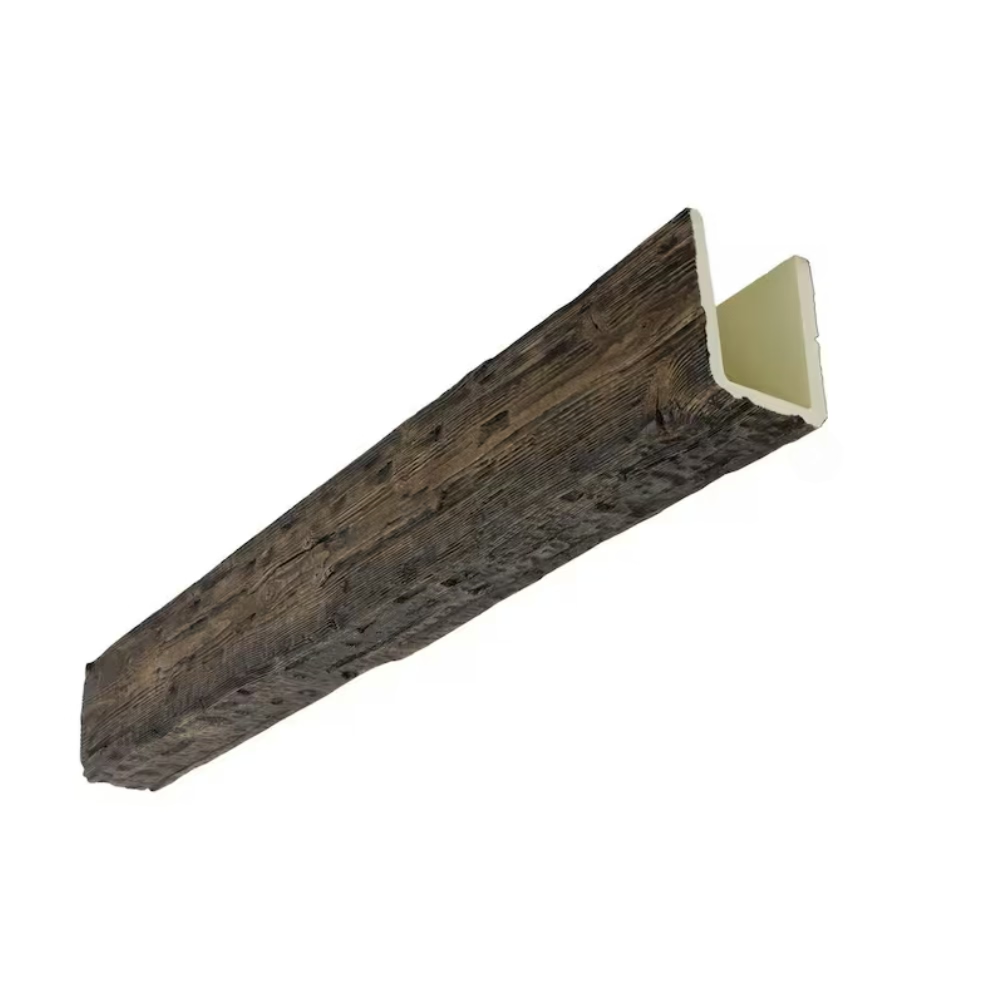
Polyurethane faux wood beams occupy favorable positions in longevity comparisons with natural wood and competing synthetic materials. The specific factors driving their durability enable informed selection that maximizes service life for specific applications.
Material Properties Driving Longevity
Chemical composition of quality polyurethane formulations resists degradation mechanisms that compromise alternative materials. UV stabilizers prevent the photo-oxidation that causes yellowing and surface chalking in inadequately protected products. Impact modifiers enable the flexibility that prevents cracking under thermal stress. Fire retardant packages slow combustion if ignition occurs, providing valuable escape time.
Density and cell structure in manufactured beams affect both durability and appearance retention. High-density formulations resist impact damage and maintain surface integrity despite handling and cleaning. Closed-cell structures prevent moisture infiltration that would cause delamination or biological growth. These material properties distinguish premium products from economy alternatives.
Finish adhesion to polyurethane substrates exceeds what wood and many other materials accept. The smooth, non-porous surface that polyurethane presents after proper preparation bonds with primers and topcoats at a molecular level. This adhesion prevents the peeling and flaking that plagues poorly adhered finishes on natural wood and some composite materials.
Dimensional stability throughout environmental cycling maintains the tight joints and secure attachments that characterize professional installations. Materials that expand and contract with temperature and humidity changes create stress at connections that eventually produces visible gaps and compromised attachments. Polyurethane's minimal movement preserves installation integrity indefinitely.
Environmental Resistance Capabilities
Moisture resistance proves critical in applications ranging from bathrooms to pool enclosures to exterior installations. Natural wood absorbs water, swelling, warping, and eventually rotting when wet conditions persist. Polyurethane absorbs essentially no moisture, maintaining dimensions and surface quality regardless of humidity exposure. This resistance eliminates the primary failure mode that compromises wood installations.
Thermal cycling resistance prevents damage that occurs when materials move through freeze-thaw cycles. Water absorbed into wood or porous composites expands when freezing, creating internal pressures that crack, delaminate, and ultimately destroy materials. Non-absorbent polyurethane ignores these pressures entirely, surviving temperature extremes that damage more vulnerable alternatives.
UV resistance in quality formulations prevents the solar degradation that limits outdoor service life of many materials. Ultraviolet radiation breaks chemical bonds in polymers, causing surface embrittlement, chalking, and eventual structural failure. UV stabilizers incorporated into premium formulations absorb or block harmful radiation, extending service life dramatically.
Chemical resistance enables survival in challenging environments where incidental exposure to cleaning agents, fuels, or other aggressive substances might occur. Quality polyurethane tolerates common chemicals without surface attack or structural compromise, expanding the application range to include garage, workshop, and commercial kitchen environments.
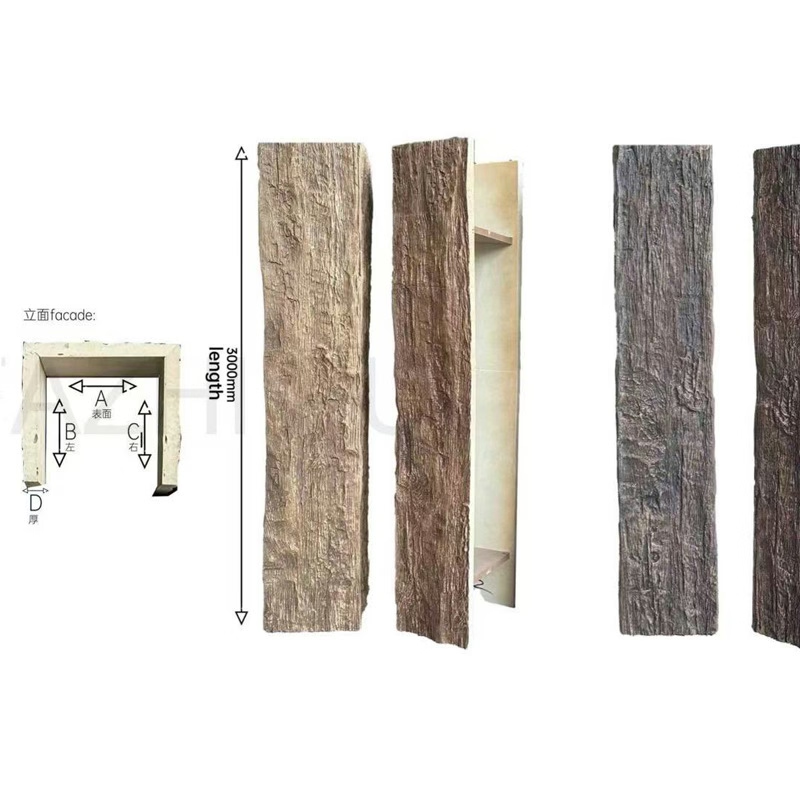
Maintenance Requirements for Extended Service
Routine cleaning preserves appearance without demanding specialized care. Mild soap and water removes accumulated dust, fingerprints, and environmental residues. Harsher cleaners appropriate for commercial environments may be used without concern for surface damage. This cleanability simplifies maintenance while ensuring that beams can be restored to like-new condition when needed.
Inspections should verify continued secure attachment and surface integrity at intervals appropriate for the installation environment. Commercial applications may warrant quarterly inspection while residential installations might be reviewed annually. These inspections identify emerging issues before they develop into problems requiring extensive remediation.
Touch-up and repair capabilities enable restoration when damage occurs despite the durability advantages that polyurethane provides. Minor scratches and scuffs can be filled, sanded, and refinished using standard wood finishing techniques. More significant damage may require section replacement, which quality suppliers can often accomplish using matching materials from original production records.
Protective measures that prevent damage extend service life further. Padding beneath fixtures mounted to beams, careful handling during furniture rearrangement, and prompt attention to water exposure all contribute to appearance retention. These simple practices cost nothing yet yield significant benefits over extended service periods.

Factors That Compromise Longevity
Quality variation among manufacturers creates products with vastly different longevity expectations. Bargain-priced beams often represent economy formulations that sacrifice durability for cost reduction. The initial savings evaporate when premature replacement becomes necessary. Careful product evaluation before purchase prevents this false economy.
Improper installation creates vulnerabilities that eventually manifest as failures. Inadequate attachment, insufficient adhesive coverage, and improper joint preparation all create weak points that may not be apparent immediately. Following manufacturer installation guidelines ensures that inherent material durability translates to actual installation performance.
Environmental extremes beyond product design parameters cause failures that specification should have prevented. Products rated for interior use fail rapidly when installed outdoors. Fire-rated formulations are necessary in commercial applications where code compliance requires flame resistance. Matching product capabilities to application requirements prevents failure from specification errors.
Physical damage from impacts, excessive loads, or misuse exceeds material capabilities regardless of inherent durability. Beam surfaces resist normal wear but can be gouged, cracked, or broken by sufficient force. Protective measures and appropriate application prevent damage that exceeds material limits.
Selecting Products for Maximum Service Life
Manufacturer reputation provides insight into quality consistency that individual product evaluation cannot reveal. Companies with established track records have demonstrated ability to produce durable products over time. Their reputation investment creates incentive for continued quality that protects brand value.
Warranty coverage indicates manufacturer confidence in product longevity. Longer warranties suggest products designed for extended service. Warranty terms and conditions reveal what coverage actually means—comprehensive protection against failure or limited coverage that leaves gaps.
Independent testing documentation verifies manufacturer performance claims. Third-party certification for fire resistance, durability, and other relevant characteristics provides assurance that marketing claims reflect actual capabilities. Products with documented testing deserve more confidence than those relying solely on promotional descriptions.
Sample evaluation before bulk purchase enables direct assessment of quality attributes that specifications cannot capture. Surface texture, weight, and finish quality can be evaluated through examination of actual products. This investment prevents disappointment when bulk orders arrive and reveals issues while returns remain possible.
Technical References
ASTM standards cited in every specification
Test Data
Lab results from internal testing program
Updated 2026
Reviewed against current product specs