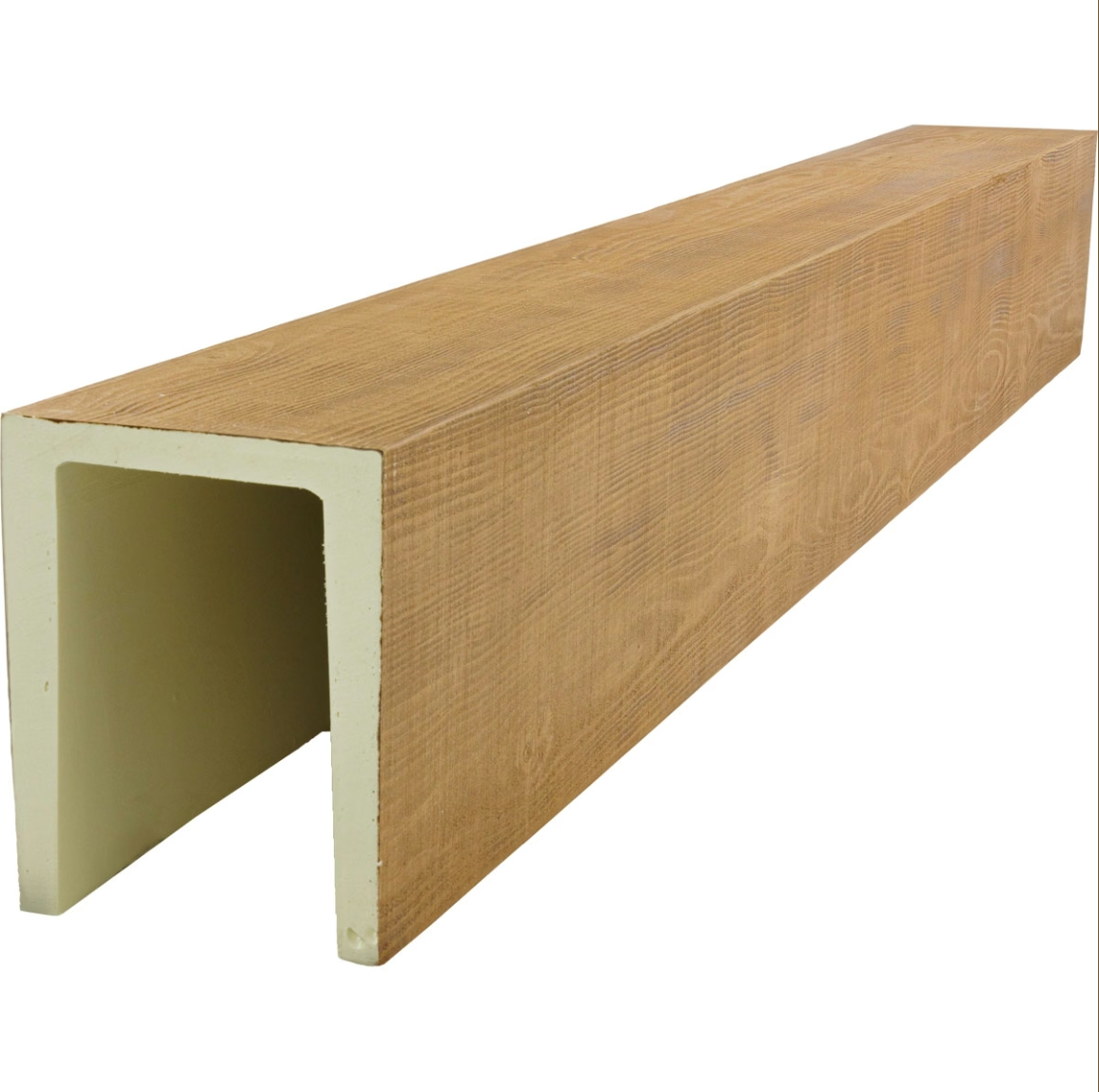
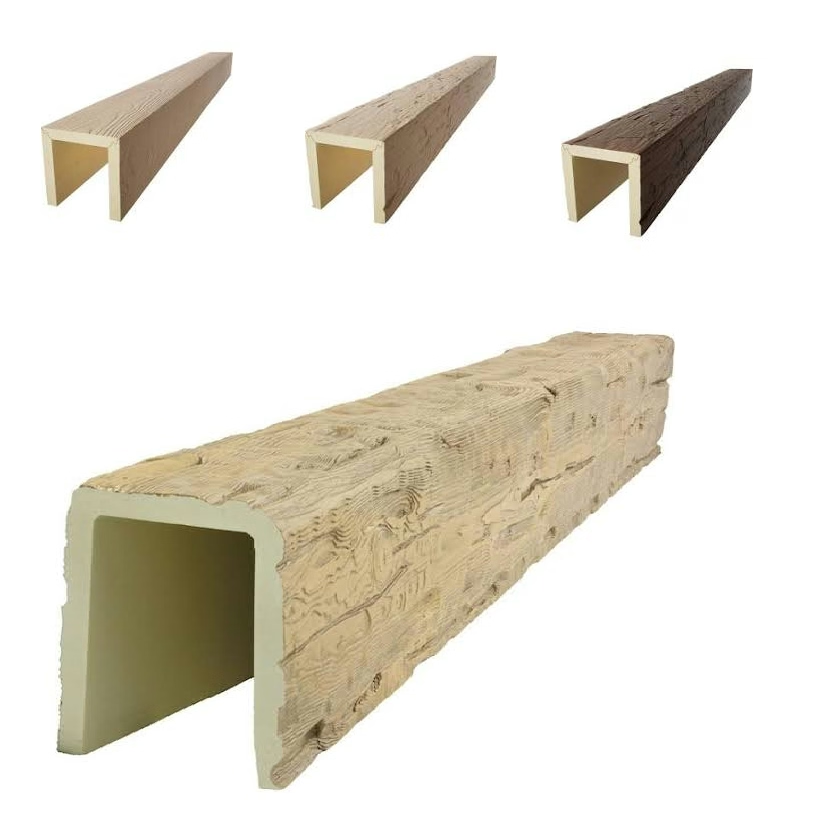
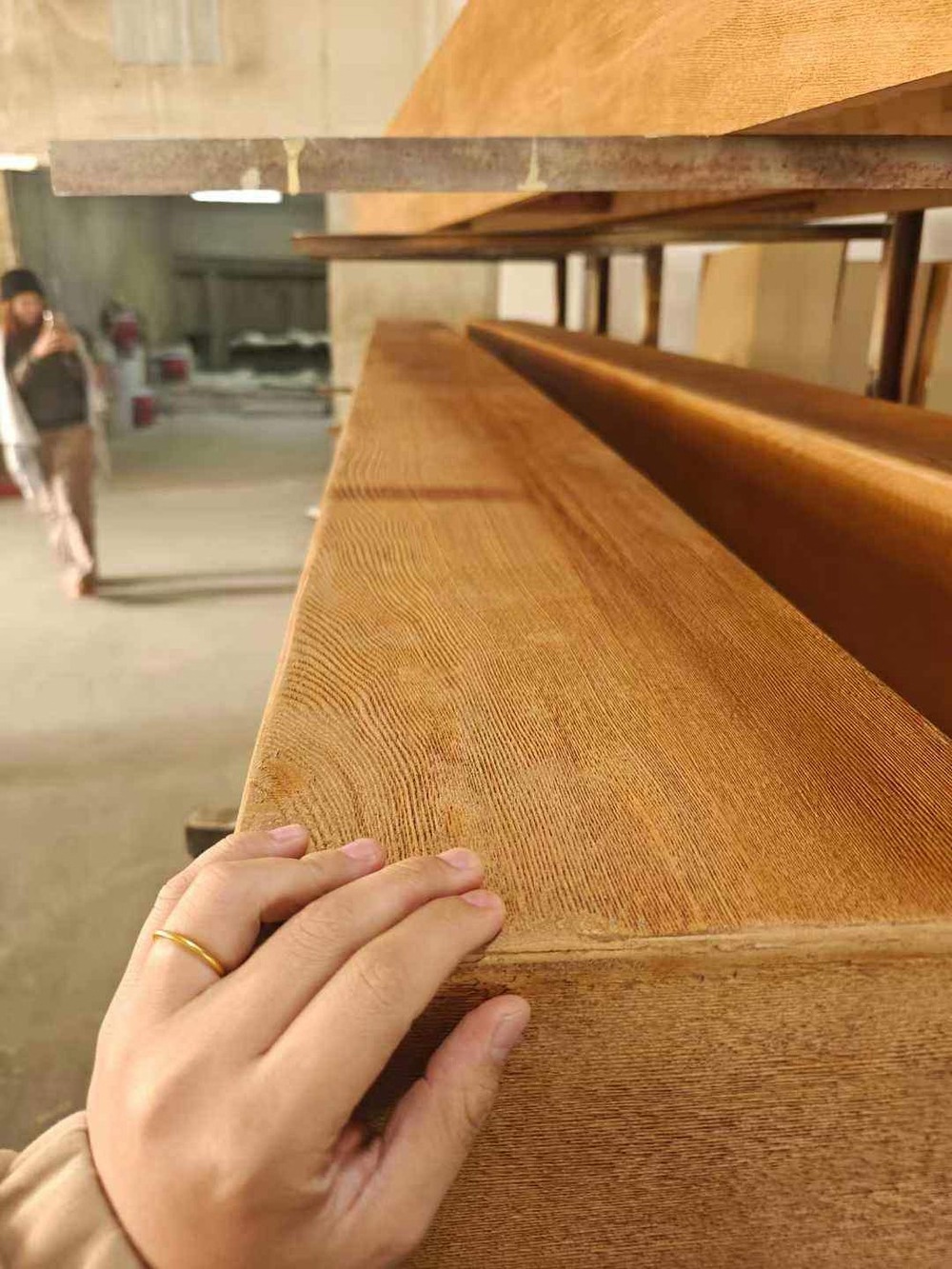
The chemical formula that transforms liquid precursors into solid polyurethane dates back to 1937, when German chemist Otto Bayer first synthesized the material. What began as a replacement for rubber during wartime shortages has evolved into one of the most versatile material families in modern manufacturing. Polyurethane appears in furniture cushioning, automotive components, building insulation, and—increasingly—in decorative architectural products that challenge assumptions about what synthetic materials can accomplish.
Understanding polyurethane requires moving beyond the stereotype of cheap plastic that early synthetic products earned. Modern formulations achieve properties that natural materials cannot match, enabling applications that earlier generations of builders could not have imagined. The chemistry that makes these properties possible reveals why polyurethane beams perform as they do.
Material properties drive performance characteristics that affect installation, appearance, and longevity. Specifying products without understanding the material science behind them risks mismatch between expectations and actual performance. This knowledge enables informed selection and successful outcomes.
Polyurethane Chemistry Fundamentals
Polyurethane synthesis combines polyols with diisocyanates in reactions that produce the urethane linkages defining the material family. Variations in precursor chemistry, catalyst selection, and processing conditions create products with vastly different properties. The same basic chemistry produces rigid foam insulation and soft cushioning foam, demonstrating the range that formulation adjustments enable.
Density variations in finished products range from less than two pounds per cubic foot for ultra-light foam to over fifty pounds per cubic foot for structural formulations. Beam applications typically occupy the middle range, balancing weight considerations against durability requirements. Higher density formulations resist impact and maintain surface integrity better than lighter alternatives.
Closed-cell versus open-cell foam structure affects moisture resistance and insulation properties. Closed-cell foams trap gas in discrete cells that prevent moisture transmission, providing moisture resistance essential for beam applications. Open-cell foams allow moisture passage that would compromise beam performance in challenging environments.
Additive packages customize formulations for specific performance requirements. UV stabilizers prevent solar degradation, fire retardants slow combustion, and impact modifiers improve toughness. These additions increase cost but enable performance that unmodified formulations cannot provide.
Physical Properties and Performance
compressive strength in polyurethane beam formulations determines resistance to crushing forces that might compress or distort installed beams. Quality formulations maintain dimensions despite reasonable compressive loads, ensuring that incidental contact does not permanently deform surfaces. This property enables applications where beams might experience unexpected loads.

Flexural strength enables beams to span distances without excessive deflection that would compromise appearance or indicate structural inadequacy. While polyurethane beams are not structural elements, they must maintain shape across spans that installation requires. Formulation selection ensures adequate flexural performance for intended spans.
Thermal expansion in polyurethane occurs at rates higher than wood but lower than many plastics. This expansion must be accommodated through installation methods that prevent stress buildup that could compromise joints or attachments. Understanding thermal movement enables installation practices that ensure long-term performance.
Thermal conductivity affects how beams respond to temperature differences between their surfaces. Unlike wood, which provides some insulation value, polyurethane conducts heat relatively efficiently. This conductivity may affect surface temperature and condensation behavior in some applications.
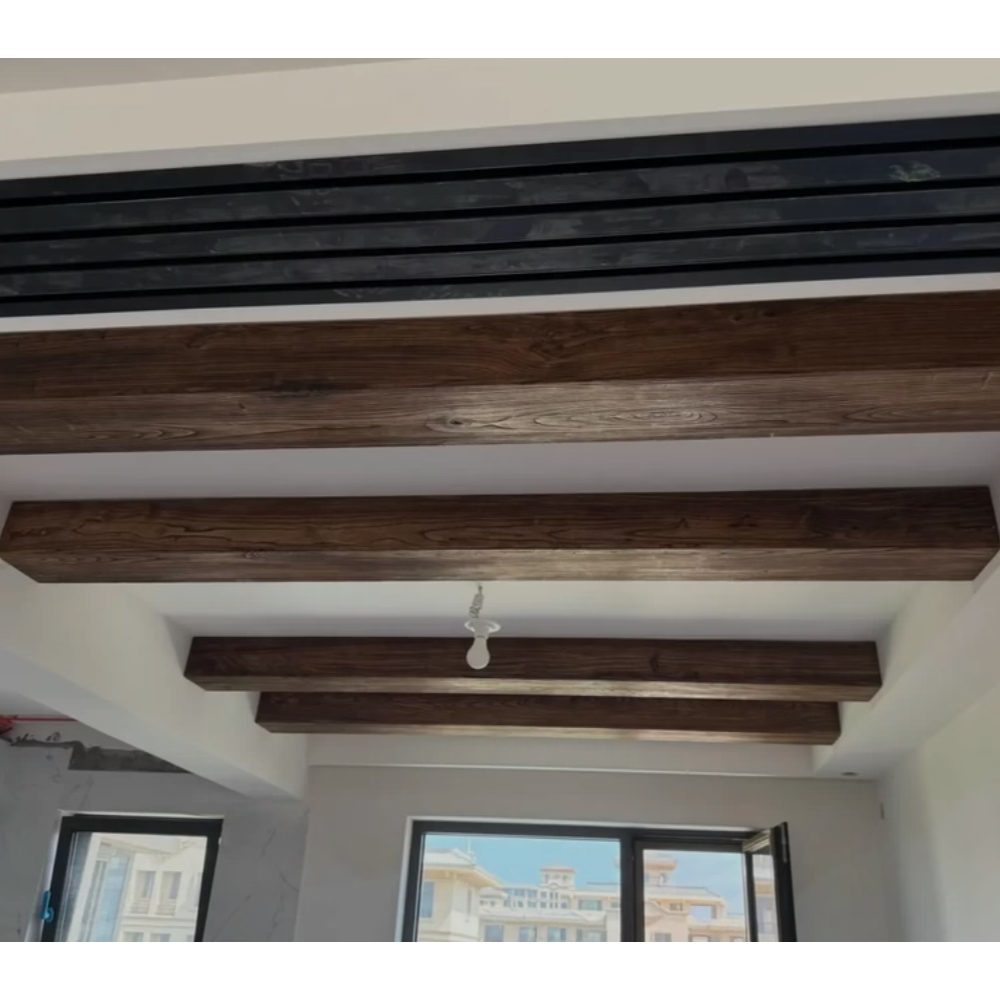
Surface Characteristics and Finishing
Surface smoothness in molded polyurethane products reflects the precision of original molds. High-quality molds produce smooth surfaces that require minimal preparation before finishing. Economy molds may introduce surface imperfections that demand remediation before acceptable appearance can be achieved.
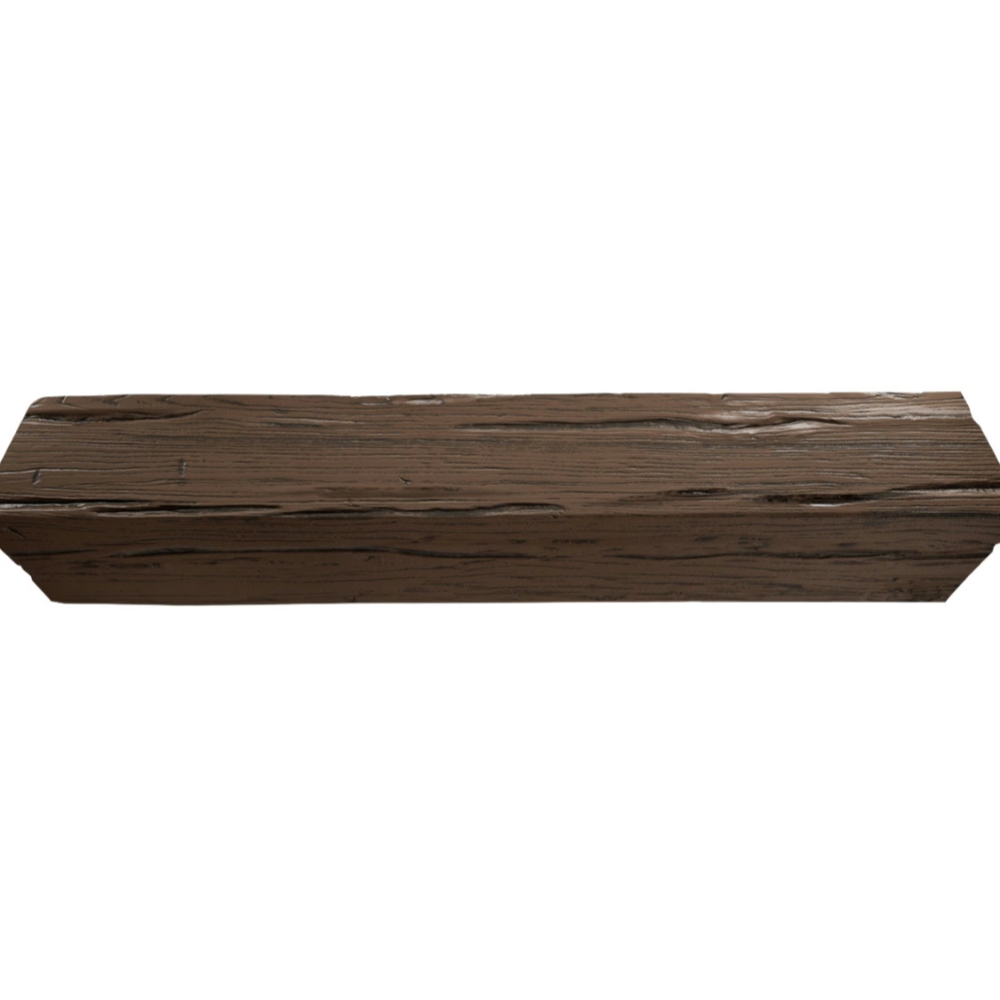
Grain reproduction in wood-grain products captures authentic patterns from scanned or hand-carved master surfaces. The fidelity of this reproduction determines how convincingly faux beams replicate genuine timber. Premium products achieve reproduction quality that casual observation cannot distinguish from real wood.
Finish adhesion to polyurethane requires surface preparation appropriate to the non-porous nature of the material. Sanding with fine grit, cleaning to remove release agents, and appropriate primer application all contribute to finish bonding. Following finishing guidelines ensures that applied finishes remain attached throughout service life.
Paintable and stainable options enable customization that matches surrounding décor or achieves specific design objectives. Factory-finished products provide consistent appearance without site finishing labor. Selection between these options depends on project requirements, available skills, and customization needs.
Environmental Considerations
Production environmental impact of polyurethane includes petrochemical precursors and energy-intensive manufacturing processes. However, the durability that quality products achieve extends service life significantly, offsetting production impacts through reduced replacement frequency. Lifecycle assessment considering production, use, and disposal provides accurate comparison with alternatives.
Recycling possibilities for polyurethane products remain limited compared to more established recyclable materials. However, research into chemical recycling methods continues, and some manufacturers incorporate recycled content into formulations. These developments may improve end-of-life options for polyurethane products.
Indoor air quality considerations for interior applications require attention to emissions that some polyurethane products may release. Quality manufacturers provide low-VOC formulations suitable for interior use, with appropriate certification documentation. Products without such certification may introduce concerns in sensitive applications.
Disposal considerations at end-of-life affect overall environmental impact. Landfill disposal of polyurethane produces no recoverable value, while incineration with energy recovery provides some benefit. Planning for eventual disposal during specification helps ensure responsible end-of-life management.
Quality Variations Among Products
Formulation differences among manufacturers create products with significantly different performance characteristics despite similar appearance. Price competition pressure may push manufacturers toward formulations that sacrifice performance for cost reduction. Understanding manufacturer reputation and product specifications helps buyers avoid disappointment.
Density verification through weight measurement or testing confirms that products meet specifications. Subtle differences in density affect performance in ways that visual inspection cannot detect. Independent testing services can verify density and other properties when documentation alone seems insufficient.
Accelerated aging testing simulates long-term exposure to identify formulation weaknesses before products reach customers. Products with documented aging test results provide assurance that short-term evaluation cannot offer. This documentation helps distinguish quality products from those that merely look good initially.
Warranty coverage reflects manufacturer confidence in formulation durability. Comprehensive warranty coverage indicates products designed for extended service, while limited warranty suggests formulations that may not perform as expected. Warranty terms deserve attention during product evaluation.
Technical References
ASTM standards cited in every specification
Test Data
Lab results from internal testing program
Updated 2026
Reviewed against current product specs