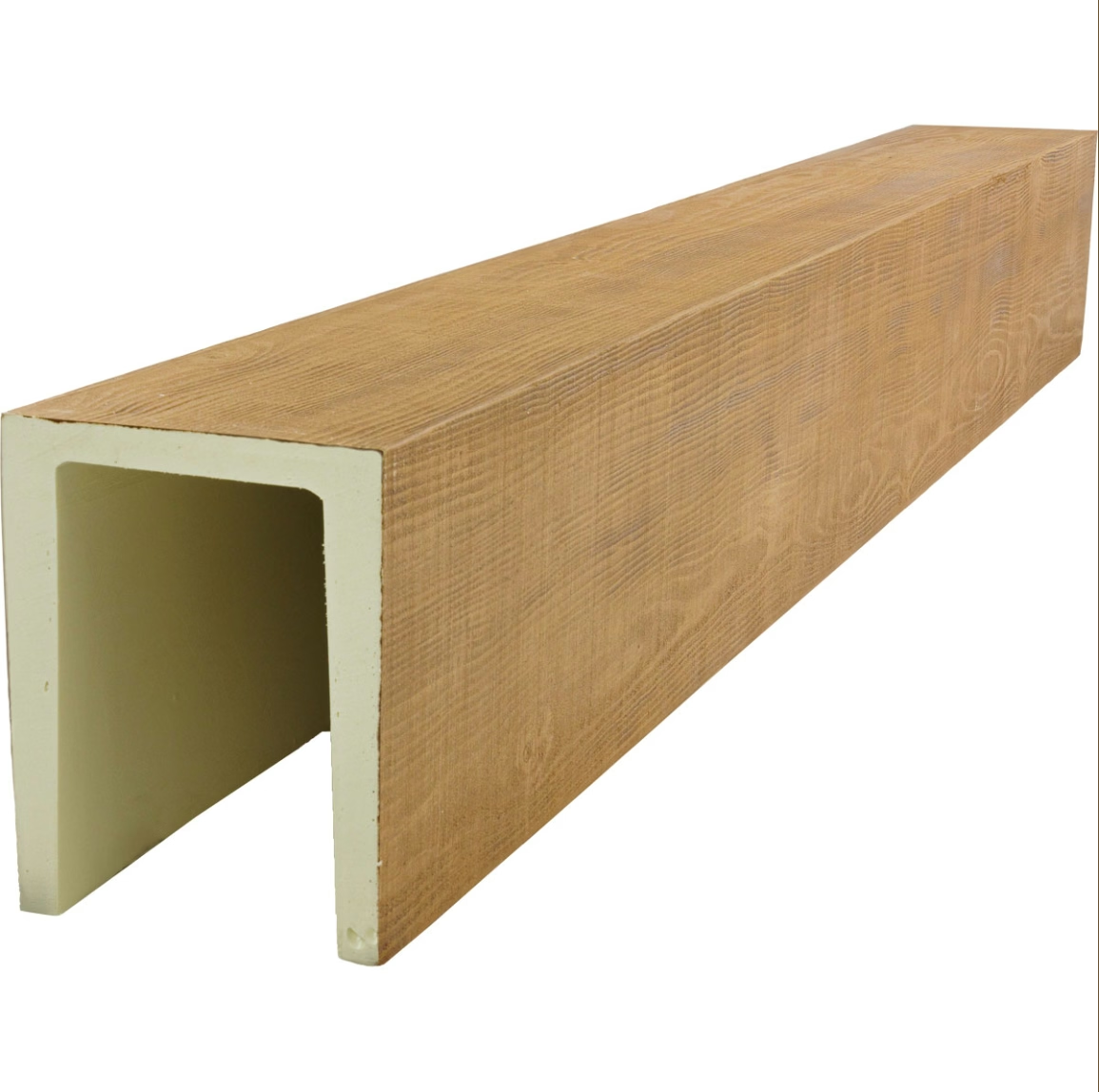
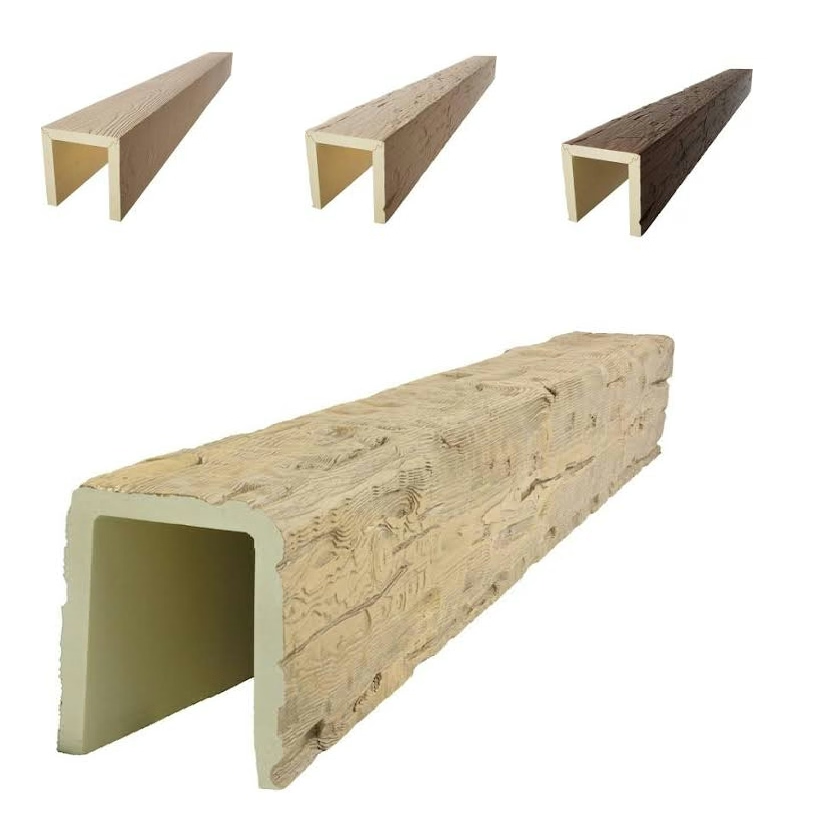
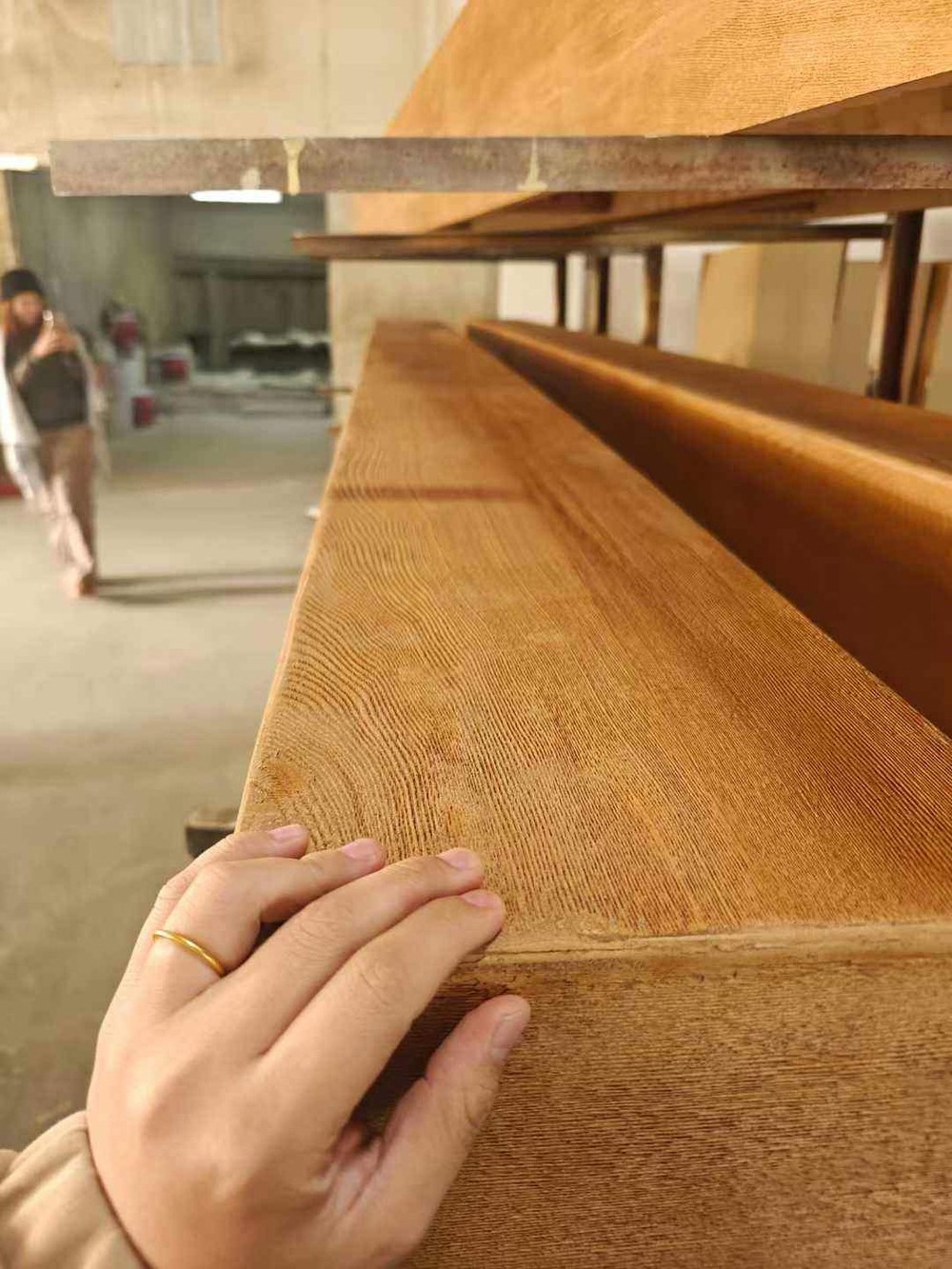
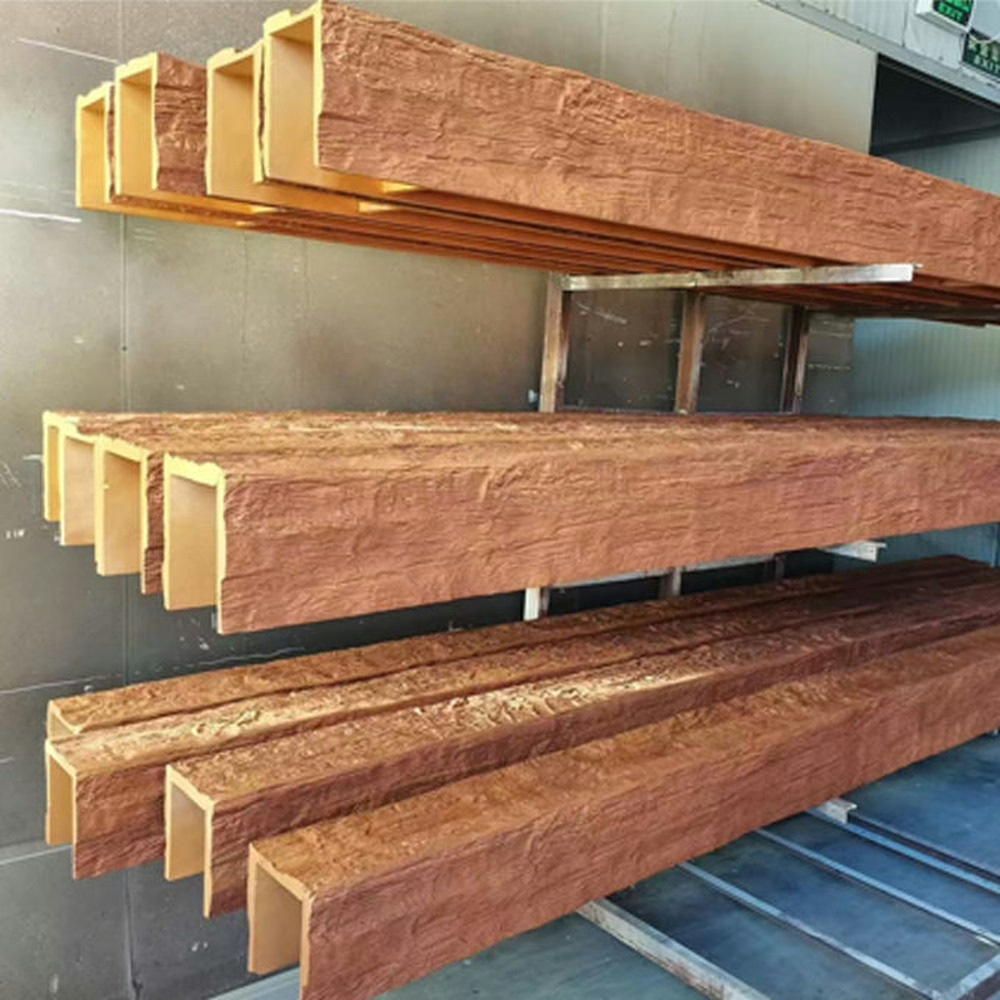
The casting process represents a fundamental manufacturing approach that allows polyurethane to assume virtually any shape with precision and consistency. When applied to imitation wood beam production, casting technology enables replication of complex profiles, fine details, and surface textures that would be impossible to achieve through machining or other manufacturing methods. The result is a product category that has redefined what's possible in decorative beam aesthetics.
Understanding casting technology helps professionals appreciate why modern imitation wood beams achieve simulation quality that earlier products could not approach. The transformation of liquid polyurethane into solid beam forms through controlled chemical reaction creates opportunities for surface detail that subtractive manufacturing simply cannot match. This understanding informs better specification decisions and more productive collaboration with manufacturers.
The versatility of casting extends beyond simple profile replication to include integral features, composite constructions, and custom formulations that address specific application requirements. Manufacturers who master casting technology can offer capabilities that expand design possibilities rather than constrain them through standardized catalog limitations.
The Polyurethane Casting Process Explained
Casting begins with liquid polyurethane components that are precisely measured and thoroughly mixed according to formulations optimized for specific performance requirements. The mixing process must be controlled carefully because proper blending determines the final material properties that beams will exhibit in service. Variations in mixing technique produce inconsistent results that quality manufacturers work to prevent.
Mold preparation follows mixing and must be completed before the chemical reaction begins. Mold surfaces are treated with release agents that allow finished pieces to separate cleanly without damaging either the product or the tooling. Surface preparation of the mold cavity determines what surface quality the finished beam will exhibit, making this step critical for appearance quality.
Pouring and filling techniques affect the density, void content, and surface quality of finished beams. Air entrapment during pouring creates internal voids that weaken structural properties and external blemishes that affect appearance. Quality casting employs techniques that minimize air inclusion and ensure complete filling of all mold details.
Curing and demolding follow the initial chemical reaction, but full property development may require additional time as the material continues cross-linking and stabilizing. Premature handling can damage partially cured beams, while extended cure times reduce production efficiency. Finding the optimal balance between these factors requires process expertise that experienced manufacturers possess.

Advantages of Cast Polyurethane for Beam Production
Design freedom represents the most significant advantage that casting provides. Complex profiles, undercuts, and intricate details present no manufacturing obstacles when casting techniques are employed. This freedom allows designers to pursue ambitious aesthetic intentions without compromise due to manufacturing constraints.
Consistency across production runs ensures that every beam meets the same quality standards as samples and specifications. Unlike natural timber or machined products where each piece varies, cast polyurethane beams are essentially identical within tolerance. This predictability simplifies specification and installation while ensuring client satisfaction.
Surface quality from casting often exceeds what post-casting finishing can achieve economically. The mold surface directly determines the beam surface, meaning that tooling quality directly translates to product quality. Investment in high-quality tooling produces beams with superior surface characteristics that require minimal finishing attention.
Material properties in cast polyurethane can be tailored through formulation adjustments that would be impossible with other manufacturing approaches. Density, flexibility, rigidity, and other characteristics respond to formulation changes that experienced manufacturers implement routinely. This flexibility supports optimization for specific application requirements.
Applications Where Casting Technology Excels
Architectural salvage reproduction uses casting to recreate details from damaged or missing original elements. When historic buildings require beam replacement that must match surviving originals, casting technology allows faithful reproduction that might be impossible through conventional woodworking. The ability to capture existing details and transfer them to production tooling enables preservation work that would otherwise be impractical.
Custom profile development for unique applications benefits from casting's design freedom. Projects requiring specific proportions, unusual details, or proprietary aesthetics can work with manufacturers to develop custom tooling that produces exactly what the design requires. This customization capability distinguishes professional products from commodity alternatives.
Decorative features beyond simple beam profiles benefit from casting technology that can incorporate integral details. Crown moldings, corbels, end caps, and junction pieces can all be cast as complete assemblies rather than assembled from separate components. This integral approach improves both appearance and structural integrity compared to multi-piece constructions.
Mass production of complex profiles becomes economically practical through casting technology. Once tooling is developed, per-unit costs remain essentially constant regardless of profile complexity. This cost structure means that ambitious designs that would be prohibitively expensive through custom woodworking become affordable when cast in polyurethane.
Quality Considerations for Cast Beam Specification
Tooling quality directly determines product quality in cast polyurethane production. Well-maintained tooling produces consistent results indefinitely, while worn or damaged tooling degrades progressively. Professional specification should address tooling condition and maintenance practices as quality indicators.
Material density affects both structural performance and appearance quality in cast beams. Higher density formulations provide superior rigidity and damage resistance but increase weight and material cost. Matching density to application requirements optimizes the balance between performance and economy.
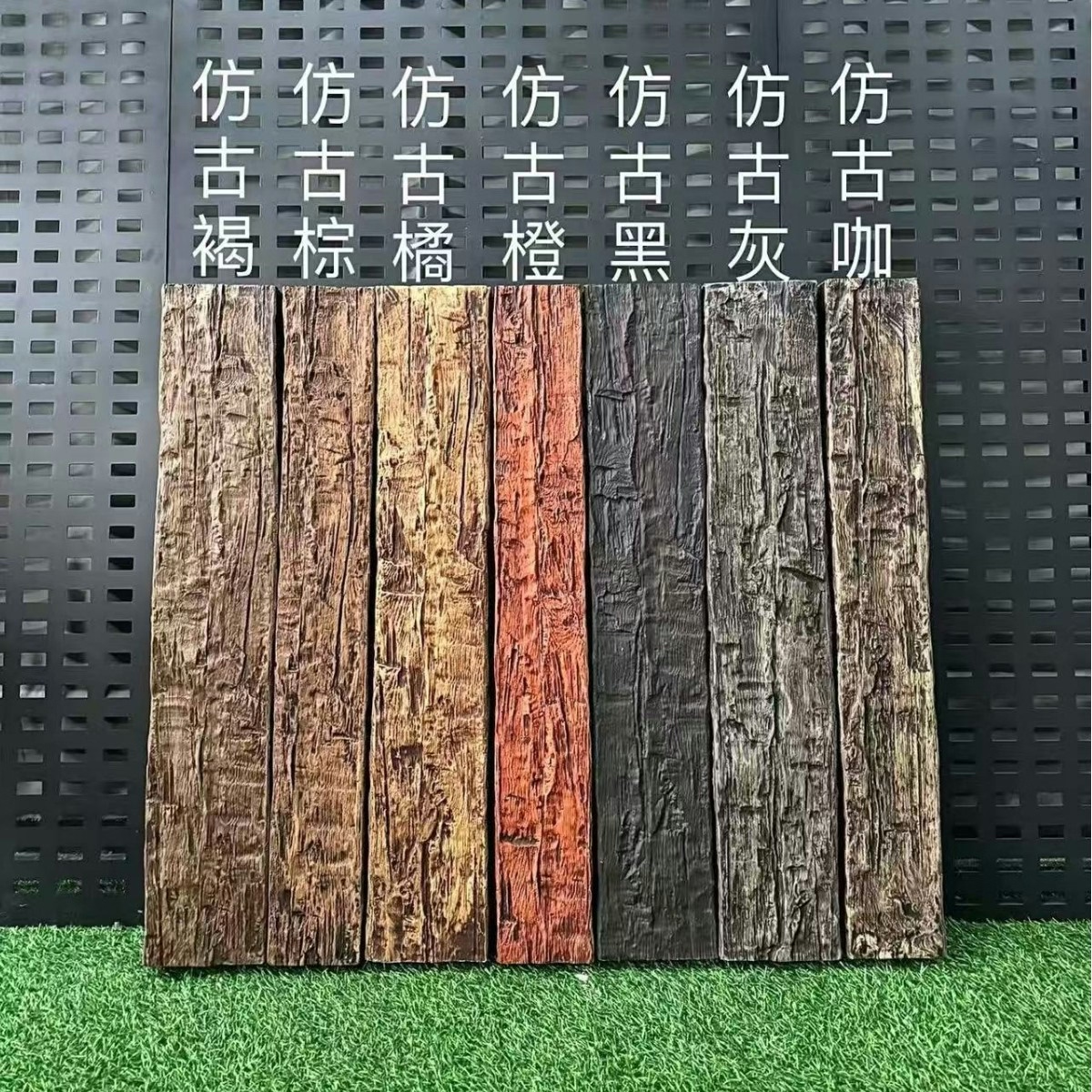
Surface finish options range from as-cast textures to fully machined surfaces depending on product grade and intended application. Understanding what finish quality to expect from specific products prevents disappointment when materials arrive. Premium products typically feature excellent as-cast surfaces, while economy products may require additional finishing work.
Post-casting operations like machining, drilling, or finishing affect final appearance and fit. Quality manufacturers control these operations carefully to maintain the consistency that casting provides. Inconsistent post-casting work undermines the precision that the casting process achieved.
Installation Practices for Cast Beams
Handling cast polyurethane beams requires attention to their specific characteristics rather than assumptions based on timber or other materials. The material cuts cleanly but may chip if handled roughly during installation. Proper technique and appropriate hardware ensure successful outcomes.
Mounting systems for cast beams often differ from timber installations due to the material's different properties. Adhesive attachment works well with polyurethane but requires appropriate products designed for the material. Mechanical fastening requires attention to fastener type and spacing to ensure secure connections.
Finishing cast beams after installation may be necessary for seamless appearance in some applications. Caulking at joints, touch-up of minor damage, and color matching all require products and techniques appropriate for cast polyurethane. Manufacturer guidance helps identify optimal finishing approaches.
Long-term care of cast polyurethane beams involves simple cleaning and periodic inspection rather than the refinishing that natural wood requires. This maintenance simplicity represents one of the material's significant advantages over timber alternatives.
Technical References
ASTM standards cited in every specification
Test Data
Lab results from internal testing program
Updated 2026
Reviewed against current product specs