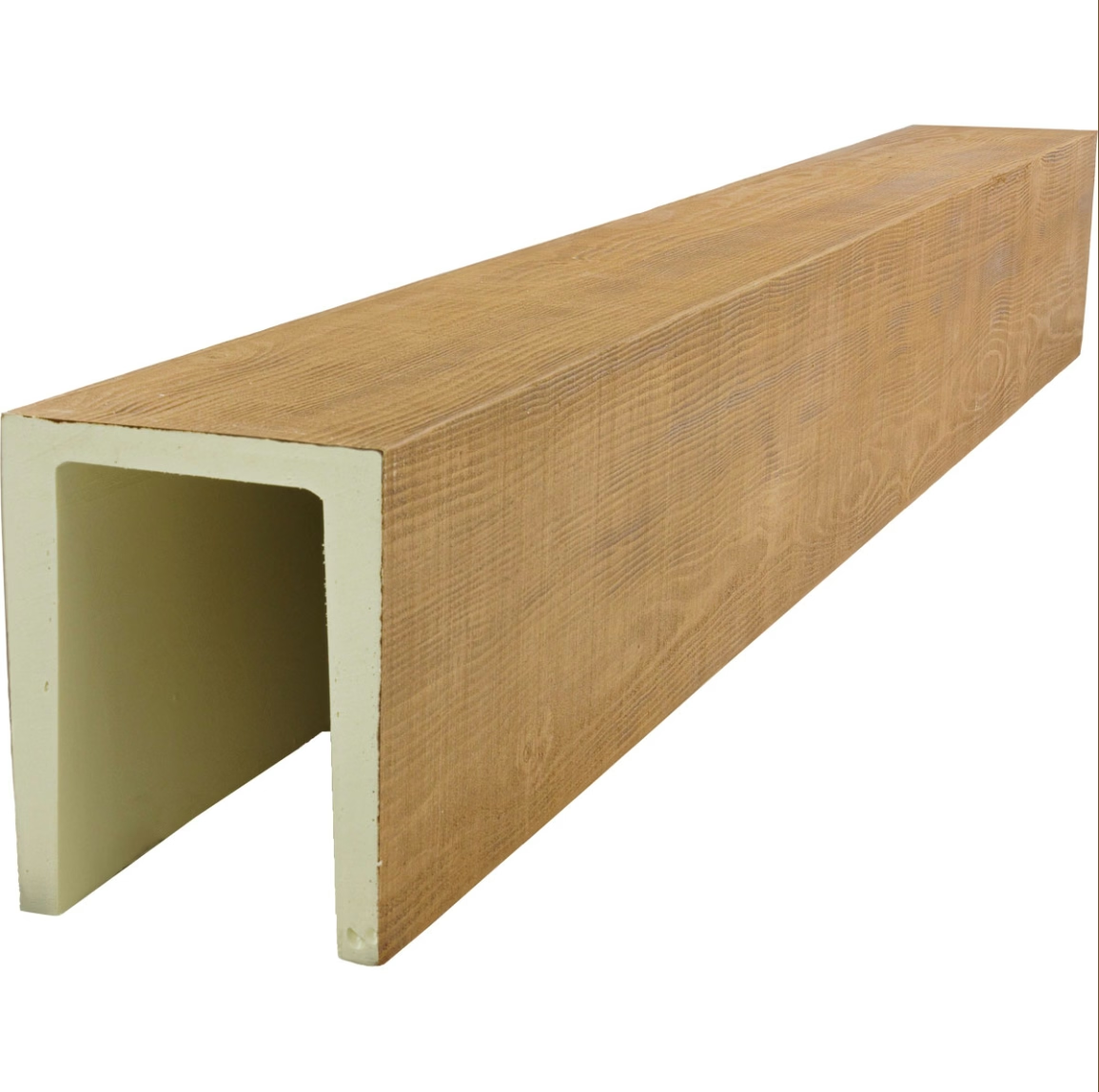
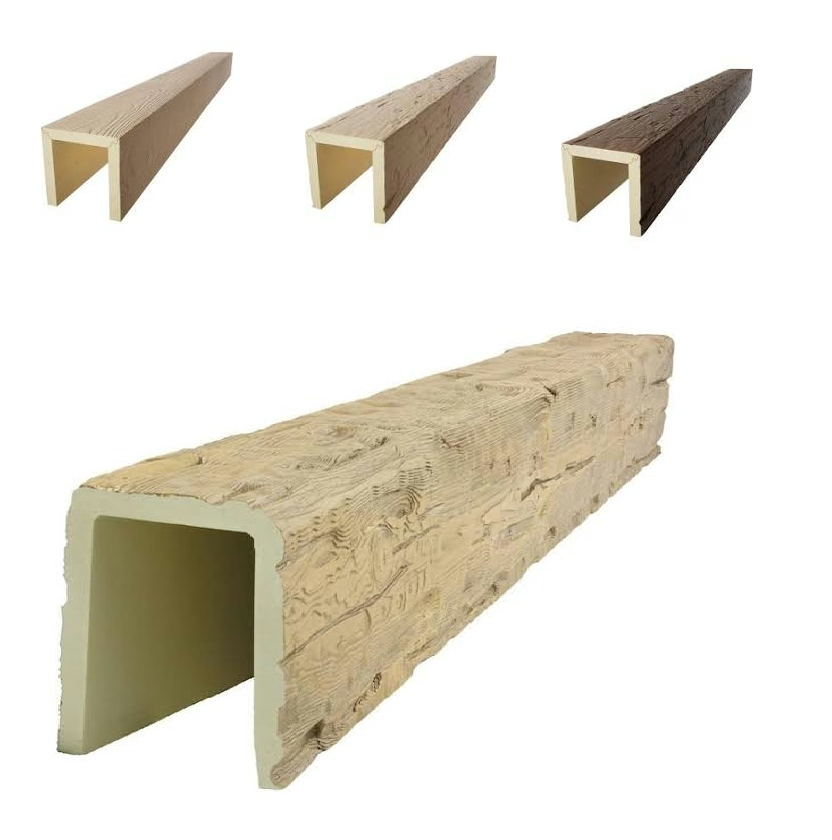
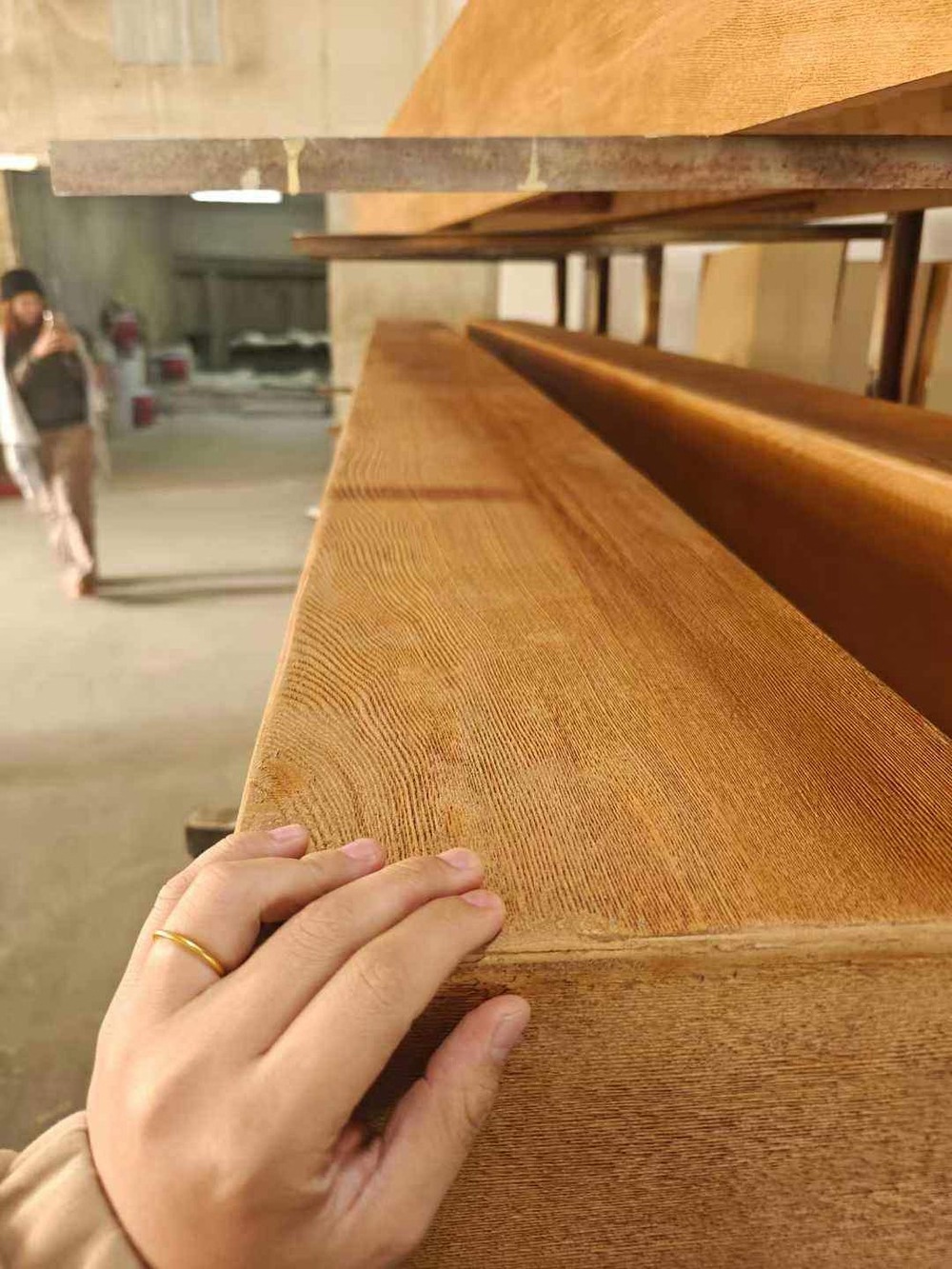
The search for convincing wood replacement has occupied materials scientists and product developers for decades, driven by the consistent demand for timber aesthetics combined with practical requirements that natural wood struggles to satisfy. High-simulation polyurethane faux timber represents the culmination of this development effort, achieving simulation quality and practical performance that earlier products could only approach. Understanding what distinguishes these modern products helps professionals specify them knowledgeably.
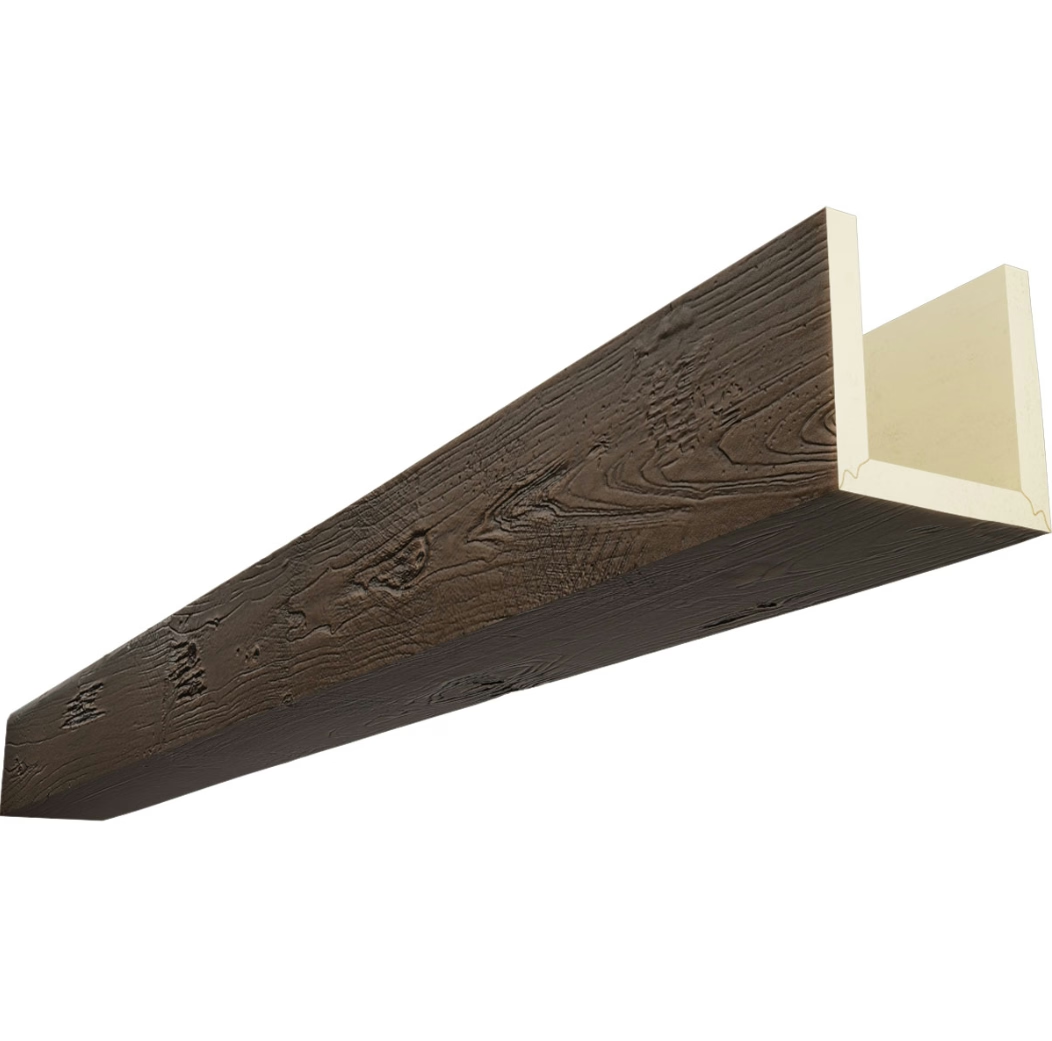
Lifelike wood replacement implies more than superficial appearance matching. Genuine wood offers specific tactile qualities, weight characteristics, acoustic properties, and aging behaviors that contribute to its overall perception. Modern faux timber addresses these factors systematically, creating products that replicate wood comprehensively rather than merely suggesting it visually.
The practical advantages of polyurethane over natural timber extend beyond simple convenience to include genuine performance improvements that benefit building owners and occupants. Moisture resistance, dimensional stability, durability under demanding conditions, and maintenance simplicity all recommend these materials for applications where natural timber would require ongoing attention and eventual replacement.
Advances in Wood Simulation Technology
Three-dimensional surface scanning captures wood characteristics with precision that traditional mold-making cannot achieve. High-resolution scans preserve fine detail including tiny grain variations, subtle surface irregularities, and exact knot configurations. This digital capture enables production tooling that reproduces original wood features with unprecedented accuracy.
Computer-aided design extends scanning capabilities by allowing modification and enhancement of captured wood characteristics. Designers can adjust grain patterns, modify knot appearance, and refine surface textures to achieve ideal aesthetic results. This digital workflow accelerates product development and enables continuous improvement of simulation quality.
Multi-layer finishing systems build up visual complexity that single-coat applications cannot achieve. Each layer contributes color, depth, and visual interest that combine to create convincing wood appearance. The controlled application of these layers distinguishes premium faux timber from simple painted products.
Quality control technology ensures consistency between scanning originals and finished products. Automated inspection systems verify that every piece meets specifications for surface quality, color consistency, and dimensional accuracy. This systematic approach to quality management produces the uniformity that professional applications require.

Performance Advantages Over Natural Wood
Moisture resistance eliminates the dimensional instability that natural wood exhibits in humid environments. Swelling, shrinking, warping, and checking all result from moisture interaction that polyurethane completely avoids. This stability ensures that installations maintain appearance and fit regardless of environmental conditions.
Insect and fungal resistance provides durability that natural wood cannot match without chemical treatment. Termites, borers, and wood-decaying fungi pose no threat to polyurethane, expanding the range of environments where wood aesthetics can be used safely. This resistance proves particularly valuable in geographic regions where wood-destroying organisms are prevalent.
Thermal insulation properties inherent to polyurethane foam provide functional benefits that solid timber cannot offer. The cellular structure that gives foam its rigidity also resists heat transfer, contributing to overall building thermal performance. This characteristic adds value beyond pure aesthetics.
Fire-retardant formulations address the combustibility concerns that affect natural wood in many building applications. Specialty products achieve ratings that untreated timber cannot match, making them suitable for applications where building codes require fire-resistant materials. This capability expands the market for wood-aesthetic treatments in code-regulated construction.
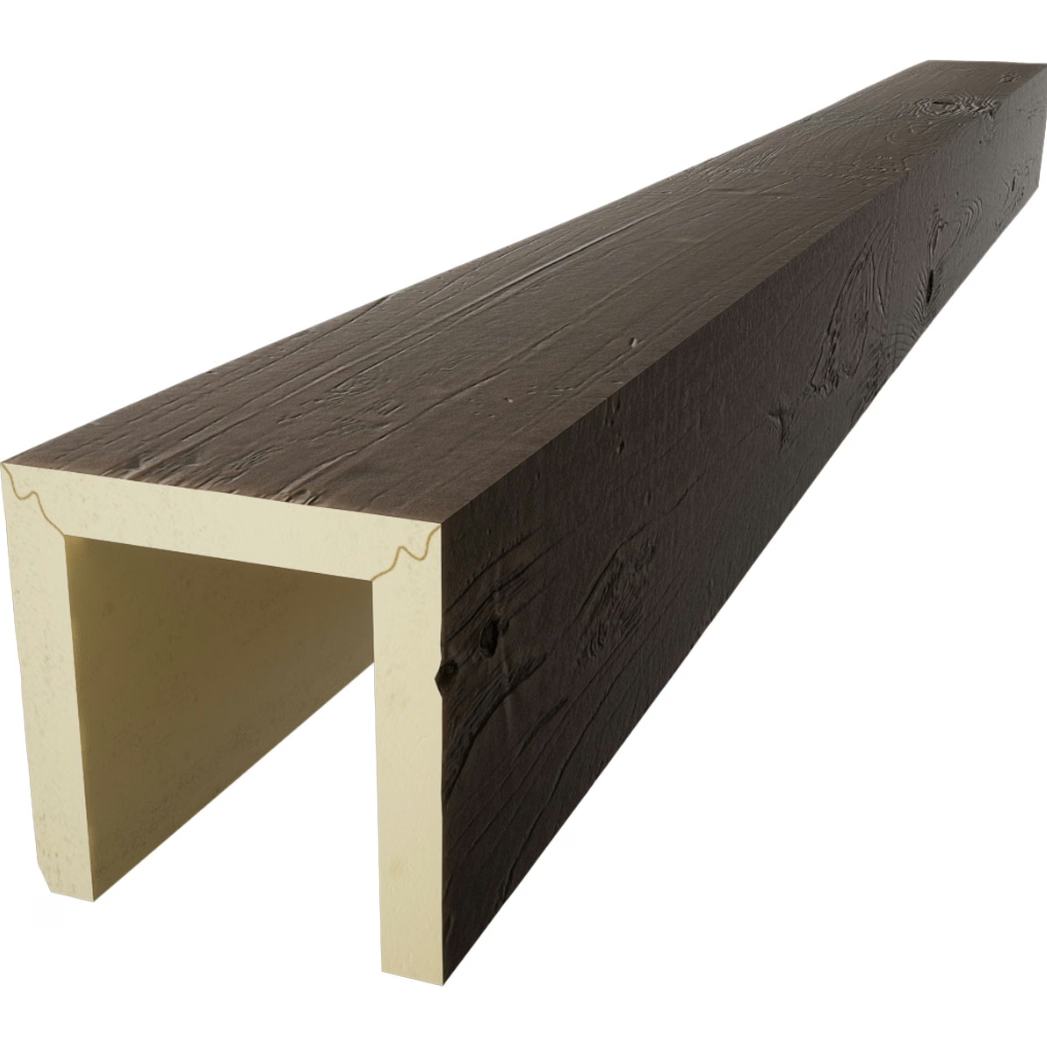
Application Categories for Lifelike Replacement
Complete timber beam replacement in historic buildings where original timbers have deteriorated allows preservation of visual appearance while providing modern structural performance. This application requires close attention to matching original appearance while meeting current building code requirements.
New construction timber aesthetics eliminate the structural complications that genuine timber introduces. Architects can design with wood appearance while specifying materials that install easily, maintain appearance without intervention, and provide reliable long-term performance. This design freedom expands the creative possibilities for timber-inspired architecture.
Renovation projects benefit from faux timber when existing conditions preclude genuine wood. Limited structural capacity, moisture conditions, or access constraints might make natural timber impractical despite aesthetic desire. Faux timber addresses these constraints while achieving the visual goals that motivate the specification.
Commercial applications requiring consistent appearance across large installations favor faux timber's manufacturing consistency. Unlike natural wood where each piece varies, faux products arrive identical to specifications and samples. This predictability simplifies specification and ensures uniform appearance throughout extensive installations.
Economic Considerations for Wood Replacement
Initial cost comparison between faux and genuine timber varies by species, quality level, and project scope. Premium faux products may approach exotic hardwood pricing while providing superior performance characteristics. More commonly, faux timber offers significant cost advantages over quality natural alternatives.
Installation cost differences often exceed material cost differences in total project economics. Faux timber's lightweight nature reduces handling labor, while consistent dimensions simplify fitting. These installation efficiencies compound throughout the project, frequently producing larger savings than material cost differences alone.
Maintenance cost comparison favors polyurethane over natural wood decisively. Where genuine timber requires periodic refinishing, sealing, and repair, faux timber needs only routine cleaning. These maintenance savings continue throughout the service life, often exceeding initial cost differences within a few years.
Replacement and repair costs for damaged elements also favor faux timber. Replacement pieces arrive matching original specifications exactly, while repairs use compatible materials that integrate seamlessly. Natural wood repairs may require refinishing entire surfaces to achieve consistent appearance.
Selection Guidance for Professional Specification
Defining project requirements before beginning product search focuses the specification process effectively. Aesthetic standards, performance requirements, budget constraints, and maintenance capabilities all influence appropriate product selection. This self-knowledge prevents both over-specification and disappointing compromises.
Sample evaluation provides essential information that specifications and photographs cannot convey. Physical examination reveals appearance quality, weight characteristics, and surface feel that determine whether products will satisfy project requirements. Professional specifiers request samples routinely before committing to purchases.
Manufacturer evaluation distinguishes quality producers from budget competitors. Experience, reputation, technical capability, and customer support all vary across suppliers. Building relationships with established manufacturers provides access to expertise that improves project outcomes beyond mere product quality.
Installation contractor selection affects final results as much as product selection. Contractors experienced with faux timber installation bring techniques and familiarity that ensure proper handling and mounting. Verifying contractor experience before engagement prevents problems that product quality alone cannot solve.
Technical References
ASTM standards cited in every specification
Test Data
Lab results from internal testing program
Updated 2026
Reviewed against current product specs