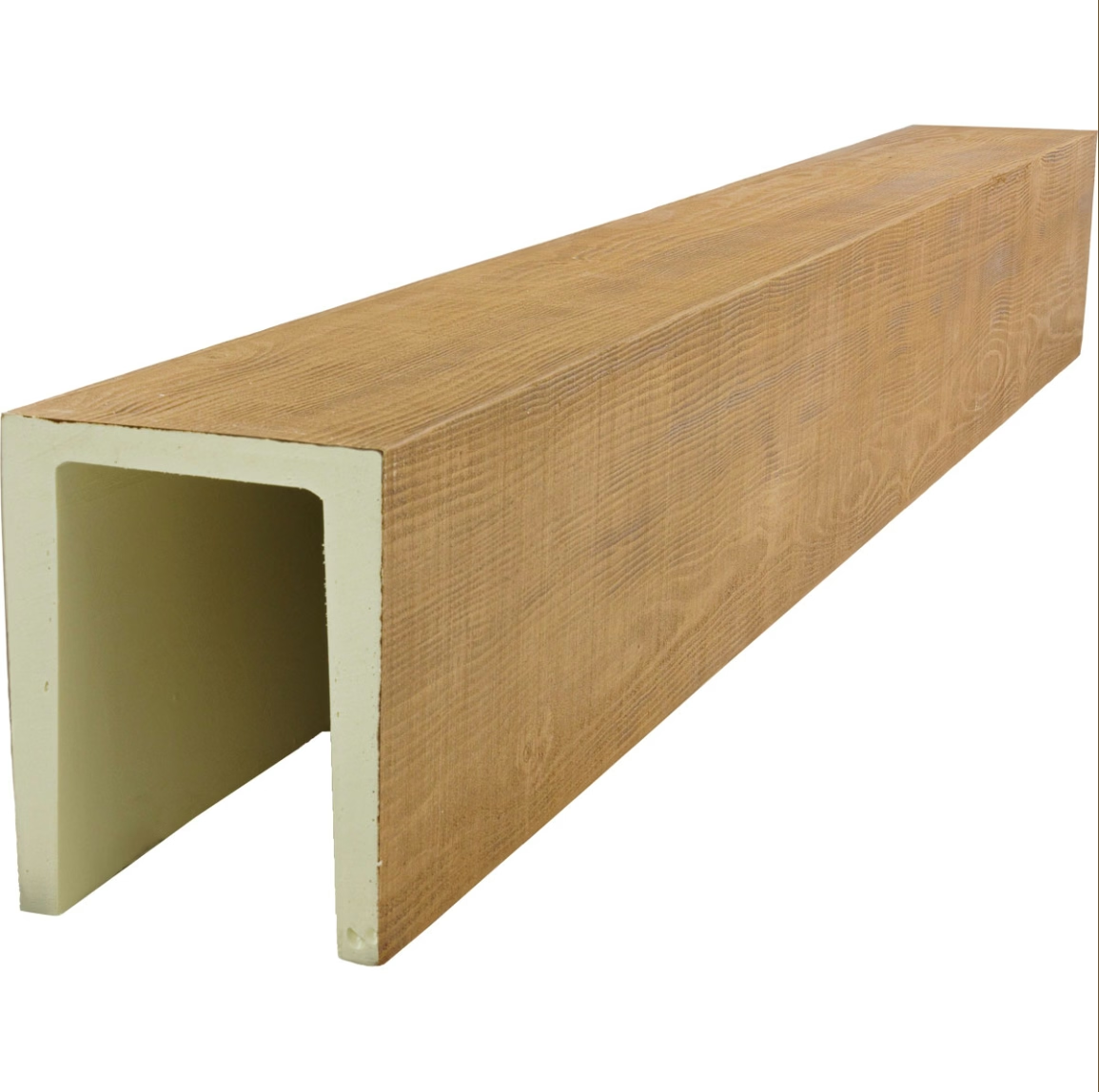
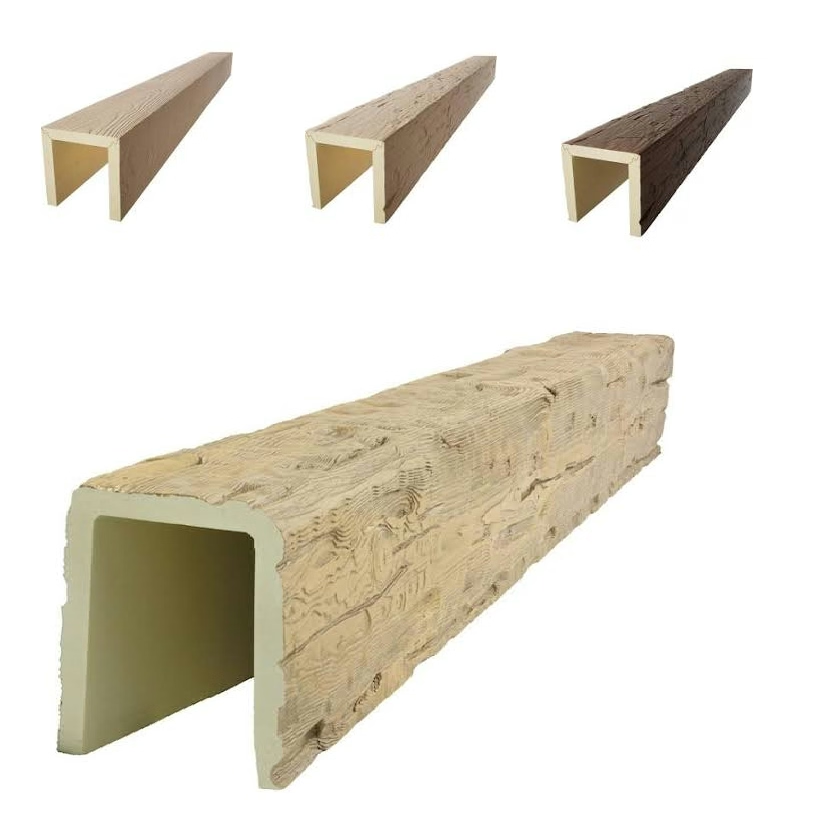
The term "polymer" in construction materials refers to materials composed of large molecules formed through chemical synthesis, encompassing a broad range of products from plastics to advanced composites. Polyurethane occupies a prominent position within this category when the application requires wood-like aesthetics with engineered performance. The polymer foundation provides the material characteristics that distinguish modern imitation wood from earlier synthetic alternatives.
Understanding the polymer basis of quality imitation wood beams helps explain their performance advantages and limitations. Unlike natural materials whose properties derive from biological processes, polymers can be precisely engineered to achieve specific characteristics. This engineering control enables products optimized for the demanding requirements of architectural applications.
The science of polymer simulation has advanced dramatically alongside manufacturing technology, producing results that genuinely challenge the appearance of natural materials. Surface detail reproduction, color depth, and textural authenticity all reflect deep understanding of what makes wood visually distinctive. The combination of this aesthetic achievement with practical polymer advantages creates products worthy of professional consideration.
Polymer Technology in Wood Simulation
Molecular engineering of polyurethane formulations determines the fundamental properties that finished beams exhibit. Hardness, flexibility, density, and thermal behavior all trace to the chemical structure that polymerization creates. Formulators adjust molecular weight, cross-link density, and additive packages to optimize products for specific applications.
The cellular structure within polyurethane foam develops during the chemical reaction that transforms liquid components into solid material. Control of cell size, cell wall thickness, and cell uniformity affects density, rigidity, and surface quality. These microstructural characteristics distinguish quality products from budget alternatives that may look similar but perform differently.
Surface skin formation during production creates the dense outer layer that accepts finishing and resists damage. This skin develops through careful control of mold temperature, material flow, and cure conditions. Quality skin formation requires process expertise that budget manufacturers may lack, explaining why surface quality varies so significantly across products.
Additive technology extends polymer capabilities beyond what base formulations provide. UV stabilizers protect against environmental degradation, fire retardants address safety requirements, and impact modifiers improve durability. Quality products incorporate appropriate additive packages for their intended applications.

Performance Characteristics of Polymer Beams
Weight efficiency in polymer beams results from the low density that cellular structure provides while maintaining adequate rigidity. This efficiency simplifies handling, reduces mounting requirements, and enables applications where heavy materials would be impractical. The performance-to-weight ratio achievable with quality polyurethane represents genuine engineering achievement.
Dimensional stability under environmental stress distinguishes quality polymer beams from materials that warp, shrink, or expand with changing conditions. The closed-cell structure minimizes moisture absorption while molecular stability prevents the thermal movement that affects some materials. This stability ensures long-term fit and appearance that natural wood struggles to match.
Durability under impact and wear reflects the toughness that engineering can build into polymer formulations. Quality beams resist the dents, scratches, and surface damage that would require repair or replacement in natural wood. This durability translates to reduced maintenance and longer service life.
Chemical resistance enables polymer beams to withstand cleaning agents, atmospheric pollutants, and environmental exposure that would affect natural materials. This resistance expands the range of environments where wood aesthetics can be implemented safely, including demanding applications where natural wood would deteriorate rapidly.
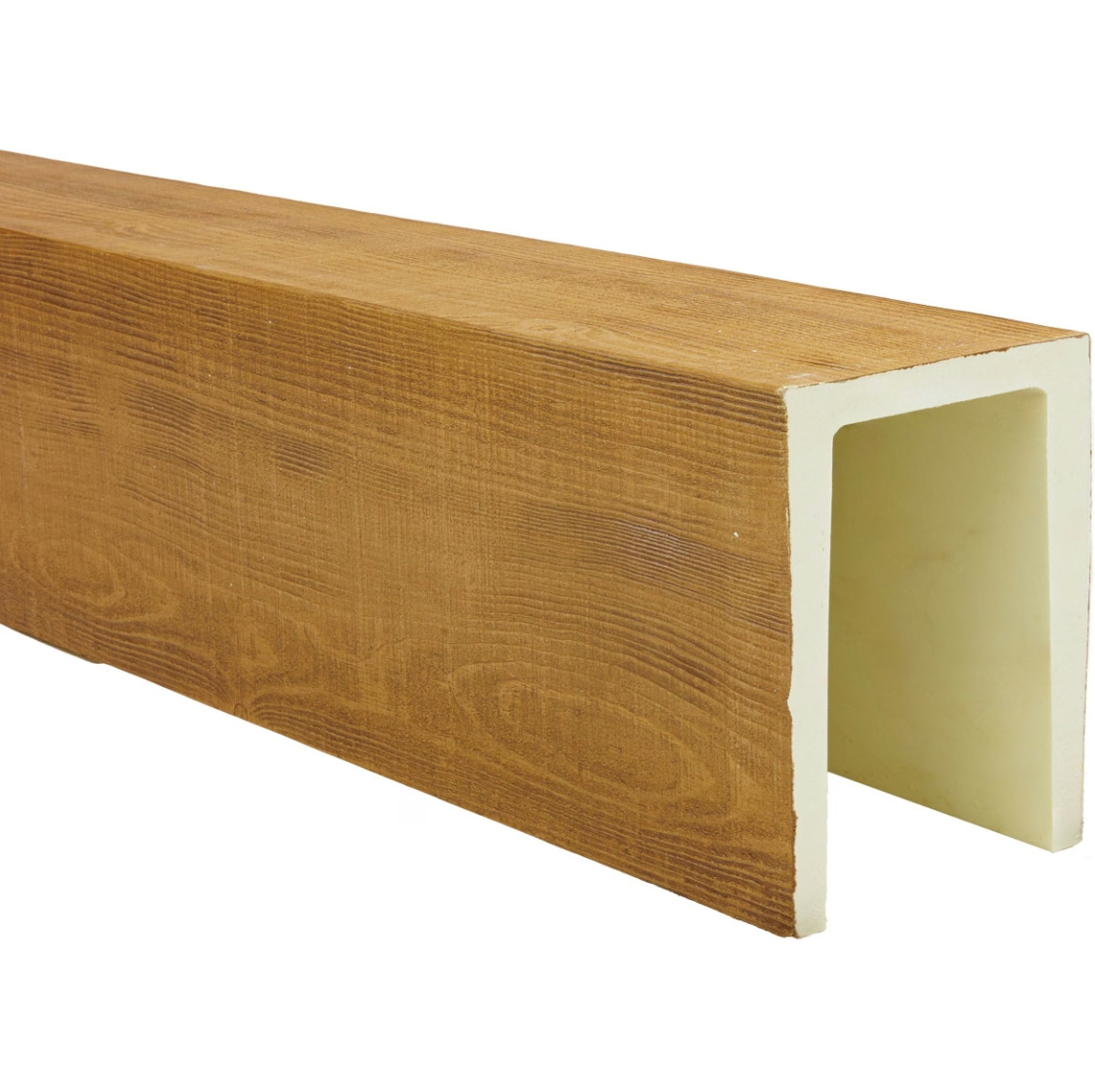
Quality Variations in Polymer Beam Products
Formulation differences account for significant quality variations across polymer beam products. Base polymer quality, additive packages, and processing parameters all influence final product characteristics. Understanding these differences helps specifiers select products appropriate for their requirements without paying premium prices for unnecessary performance.
Manufacturing process control affects consistency and quality in ways that are not always visible in finished products. Tight process control produces uniform results across production runs, while loose control creates variability that manifests as quality problems. Manufacturer reputation provides reliable guidance for navigating these invisible differences.
Tooling quality in cast polymer production determines what surface quality is achievable. Well-maintained tooling produces excellent surfaces consistently, while worn or damaged tooling degrades results progressively. Professional specification should address tooling maintenance as a quality indicator.
Testing and certification provide objective verification of manufacturer claims about product performance. Third-party testing by recognized laboratories confirms that products meet specifications and building code requirements. Products lacking testing documentation require more careful evaluation before specification.
Application Selection and Use
Indoor applications represent the primary market for polymer imitation wood beams, where environmental conditions are controlled and UV exposure is minimal. These conditions allow products to perform indefinitely without the environmental challenges that exterior applications would present. Indoor specification focuses primarily on appearance quality and fire performance.
Humid environments particularly suit polymer beams because moisture does not affect polyurethane as it does natural wood. Swimming pool areas, spa facilities, steam rooms, and bathroom spaces all benefit from polymer's moisture resistance. This capability expands the range of spaces where wood aesthetics can be implemented.
Commercial applications requiring fire ratings should specify products tested and certified for appropriate classifications. Building codes impose fire safety requirements that vary by occupancy and location. Professional specification verifies that selected products meet applicable requirements before purchase and installation.
Custom applications may require products developed specifically for unique project requirements. Working with manufacturers capable of custom formulation and production expands what's possible beyond standard catalog offerings. This custom capability supports innovative applications that catalog products cannot address.
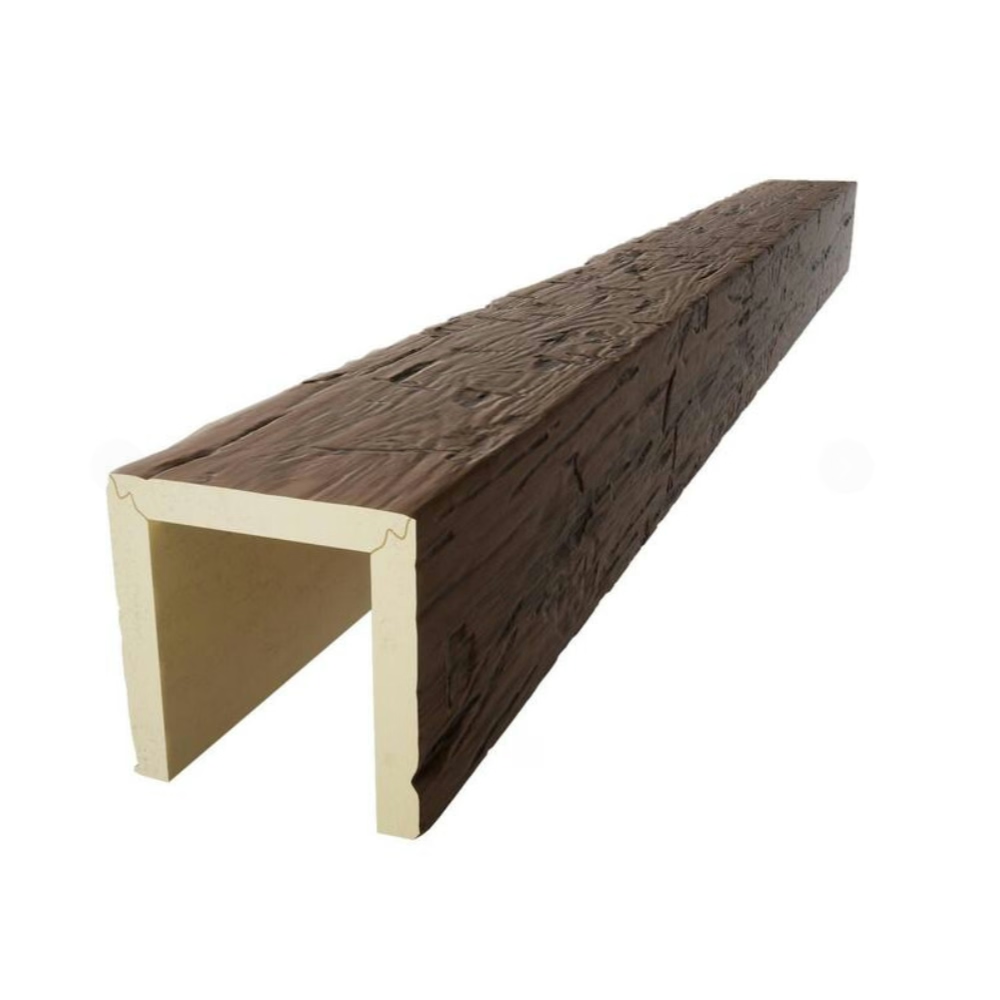
Care and Maintenance of Polymer Beams
Routine cleaning of polymer beams involves simple dusting and occasional wiping with mild cleaning solutions. The non-porous surface prevents staining and allows cleaning with standard products. This maintenance simplicity represents one of the material's significant advantages over natural wood alternatives.
Damage repair in polymer beams may require different approaches than wood repair due to material differences. Adhesive repair, surface filling, and refinishing all work differently with polymers than with timber. Manufacturer guidance helps identify appropriate repair techniques for specific damage scenarios.
Inspection and maintenance scheduling for polymer beams can be less frequent than for natural wood, reflecting the material's stability and durability. Periodic inspection verifies that connections remain secure and appearance quality remains acceptable. This low-maintenance characteristic supports building management efficiency.
Replacement considerations for damaged elements benefit from polymer beam consistency. Replacement pieces match original specifications exactly, eliminating the variation that might occur with natural material. This consistency simplifies long-term building maintenance and supports consistent appearance throughout the building's life.
Technical References
ASTM standards cited in every specification
Test Data
Lab results from internal testing program
Updated 2026
Reviewed against current product specs