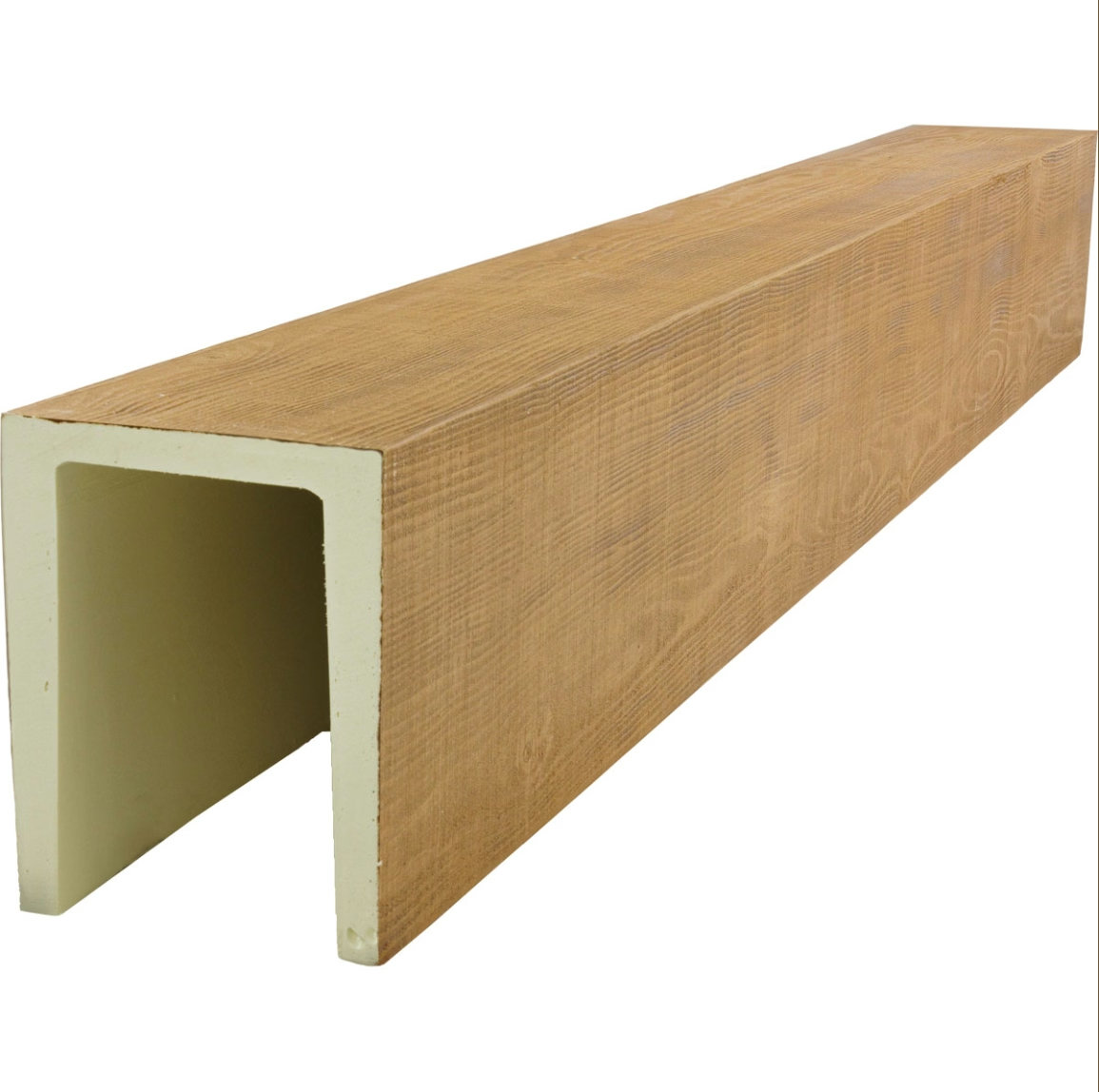
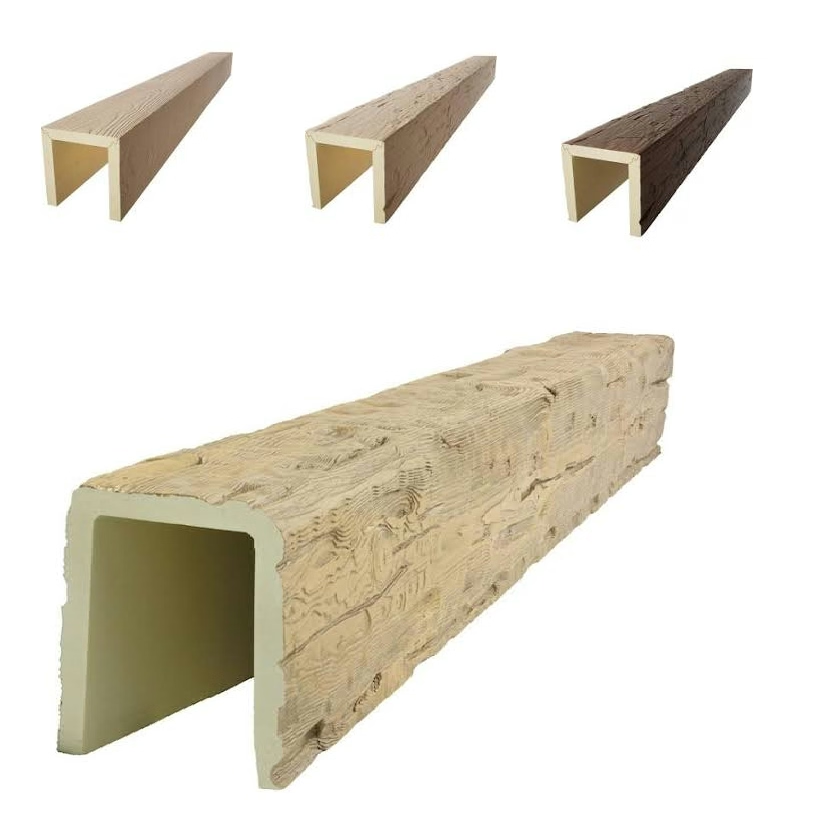
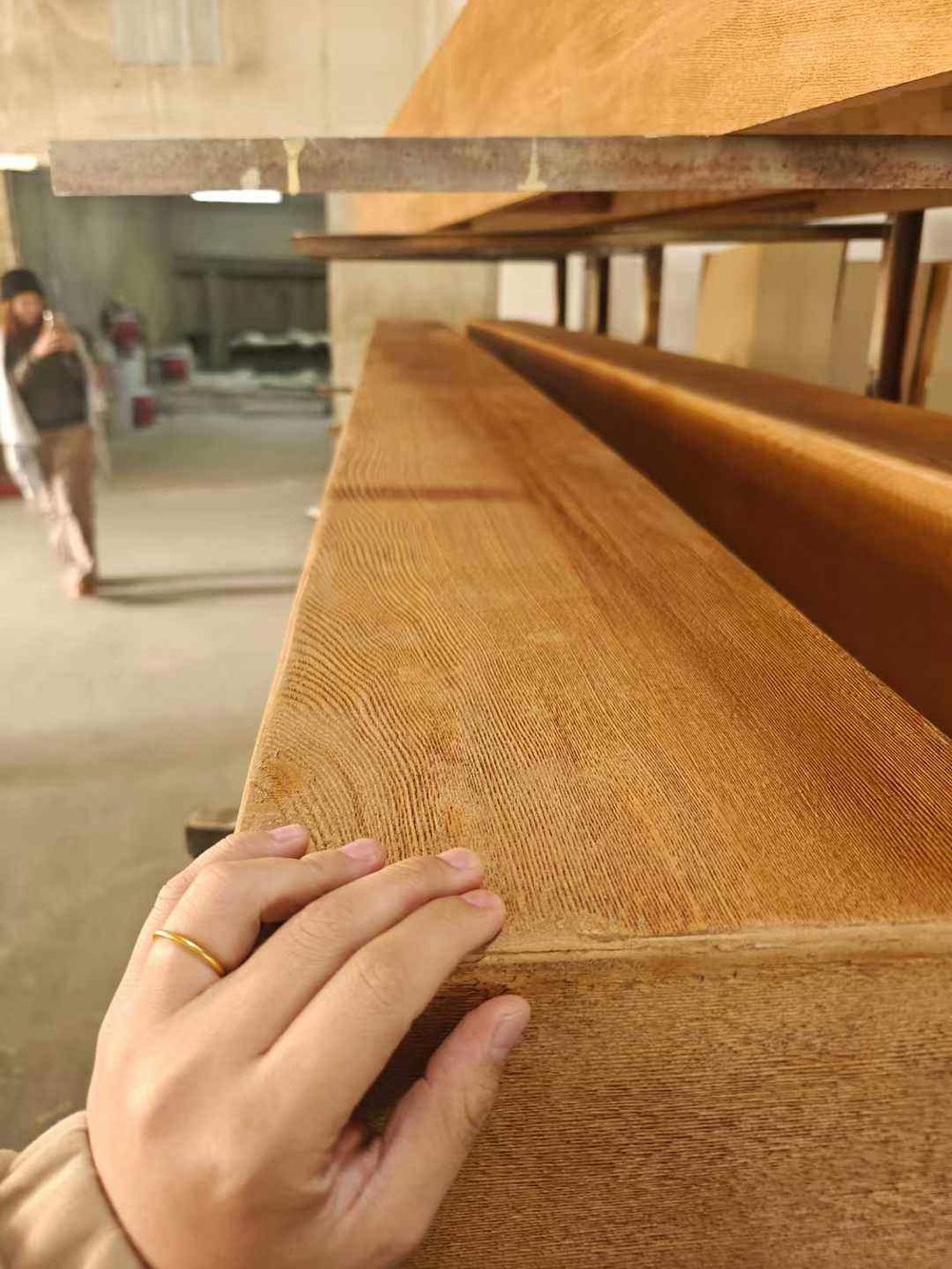
When architects first encounter polyurethane faux beams in person, their initial reaction often involves touching the surface, then checking their fingers for wood dust. This moment of disbelief speaks volumes about how far manufacturing technology has advanced in replicating natural wood aesthetics. ThePU faux beam industry has evolved dramatically over the past decade, with contemporary products achieving visual fidelity that rivals even the most expensive reclaimed timber.
The secret behind this remarkable authenticity lies in sophisticated mold-making processes that capture every microscopic detail of natural wood surfaces. Manufacturers begin by selecting premium-grade timber specimens that showcase exceptional grain character, then create detailed silicone impressions that preserve even the finest wood fibers. These molds become the foundation for producing polyurethane castings with unparalleled surface accuracy. The resulting products carry the same depth, texture, and visual complexity that make natural wood so visually appealing.
Modern color application techniques further enhance the realism of these architectural elements. Rather than applying uniform finishes, producers now utilize multi-stage coloring processes that mimic the natural variations found in aged wood. Weathered edges transition smoothly into lighter center sections, while subtle tonal shifts follow the wood grain's natural flow. This attention to chromatic detail creates pieces that read as genuinely aged and character-rich, even when newly installed.

The structural composition of polyurethane also contributes to its ability to replicate wood convincingly. Unlike some synthetic alternatives that appear plasticky or overly uniform, high-quality polyurethane accepts texturing treatments beautifully. Surface distressing can be applied to simulate the natural checking and splitting that occurs in aged timber, while careful edge treatments create the softened profiles characteristic of weathered wood. These finishing techniques ensure that every beam tells a visual story consistent with authentic architectural wood.
Fire safety regulations have historically posed challenges for synthetic building materials, but contemporary PU faux beams address this concern directly. Manufacturers now incorporate fire-retardant additives during production, resulting in products that meet stringent commercial building codes while maintaining their aesthetic qualities. This advancement has opened opportunities for specifying polyurethane beams in hotels, restaurants, and public spaces where authentic wood might present unacceptable risk profiles.
The weight advantage of polyurethane compared to natural timber cannot be overstated for installation purposes. A standard eight-foot ceiling beam crafted from solid oak might require two or three workers to position safely, whereas an equivalent polyurethane beam can often be handled by a single installer using simple mounting hardware. This dramatic weight reduction translates directly into labor cost savings and faster project completion timelines, making high-simulation faux beams increasingly attractive to contractors operating under tight schedules.
Maintenance requirements for polyurethane faux beams are minimal compared to their natural counterparts. Natural wood beams demand periodic inspection for pest activity, moisture damage, and structural degradation. They may require refinishing every few years depending on exposure conditions. Polyurethane beams, by contrast, resist common degradation mechanisms that affect natural timber. Insects have no interest in the synthetic material, moisture cannot cause warping or rot, and the color is integrated throughout the piece rather than applied as a surface coating that might wear away.
Designers working on historic renovation projects have discovered that high-simulation PU beams offer practical solutions for authentic-looking restoration work. When original timber has deteriorated beyond salvage, sourcing matching reclaimed wood can prove prohibitively expensive or simply impossible for unusual sizes and profiles. Polyurethane casting technology allows fabricators to reproduce specific historic profiles with remarkable accuracy, enabling restoration work that honors architectural heritage while providing durable, long-lasting replacements.
The environmental implications of choosing polyurethane over harvested timber merit consideration in contemporary design decisions. While natural wood remains a renewable resource when sourced responsibly, the demand for premium timber species often drives harvesting practices that strain forest ecosystems. By selecting high-simulation faux beams, projects can achieve authentic wood aesthetics without contributing to timber demand pressures. Some manufacturers now incorporate recycled content in their polyurethane formulations, further improving the environmental profile of these products.
Cost analysis typically reveals significant savings when comparing complete installation expenses rather than unit prices alone. Natural wood beams carry not only material costs but also expenses for specialized handling equipment, extended installation timelines, and ongoing maintenance provisions. Polyurethane beams eliminate or reduce each of these cost categories. When project budgets are evaluated holistically, the faux beam alternative often demonstrates compelling economic advantages that extend well beyond the initial purchase price.
Color matching flexibility represents another advantage that designers appreciate when specifying polyurethane beams for renovation projects. Natural wood color is determined by the species and cannot be altered significantly without extensive refinishing. Polyurethane beams, however, can be manufactured in virtually any color or finish to coordinate precisely with existing design elements. This customization capability proves particularly valuable when matching beams to antique furniture, heritage color schemes, or brand-specific design standards.
The manufacturing precision achievable with polyurethane casting technology enables consistent quality across large projects. Natural wood specimens vary inherently, with each piece carrying unique characteristics that may or may not align with design intentions. Polyurethane production runs can achieve remarkable consistency, ensuring that every beam in an installation matches specifications exactly. This predictability simplifies design development and installation planning while reducing waste from pieces that don't meet aesthetic requirements.
Specifiers should request product samples and, when possible, arrange site visits to completed installations before finalizing material selections. The quality range among PU faux beam manufacturers is substantial, with significant differences in surface realism, structural integrity, and long-term performance. Working with established producers who specialize in architectural products typically yields better results than selecting commodity items designed for generic applications.
Installation techniques have matured alongside product improvements, with mounting systems now available for virtually any ceiling configuration. Exposed beam ceilings, coffered installations, decorative mantels, and structural-looking supports can all be achieved using appropriately designed hardware. Many manufacturers provide detailed installation guidelines, and professional contractors experienced with these products can offer valuable insights regarding best practices for specific project conditions.
The market for high-simulation polyurethane faux beams continues expanding as more designers and homeowners discover their practical advantages. What began as a niche product for budget-conscious renovations has evolved into a respected category recognized for quality, beauty, and performance. Contemporary PU beams represent a mature technology that successfully bridges aesthetic aspirations with practical realities, offering wood-accurate beauty without the compromises traditionally associated with synthetic alternatives.
Technical References
ASTM standards cited in every specification
Test Data
Lab results from internal testing program
Updated 2026
Reviewed against current product specs