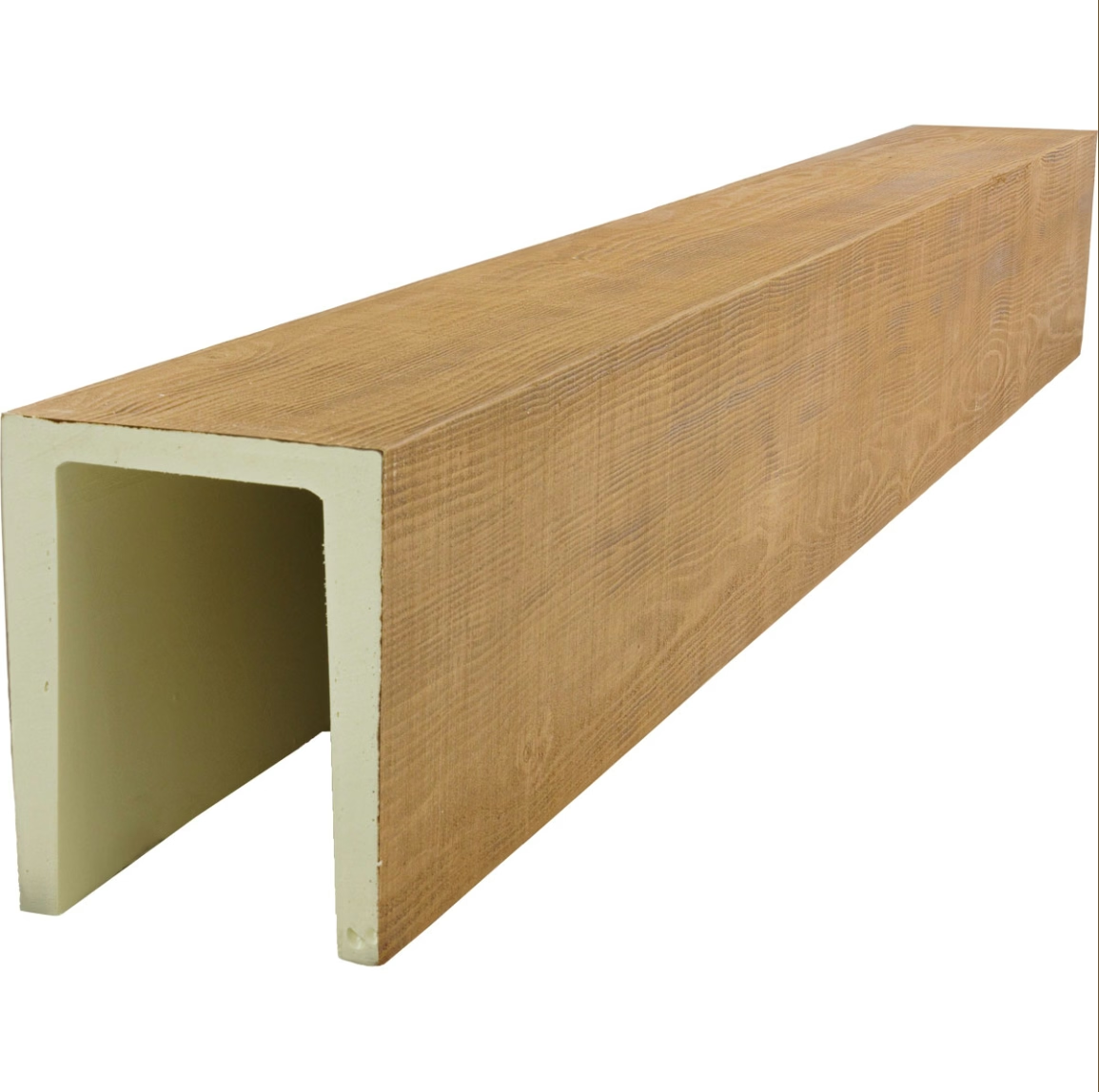
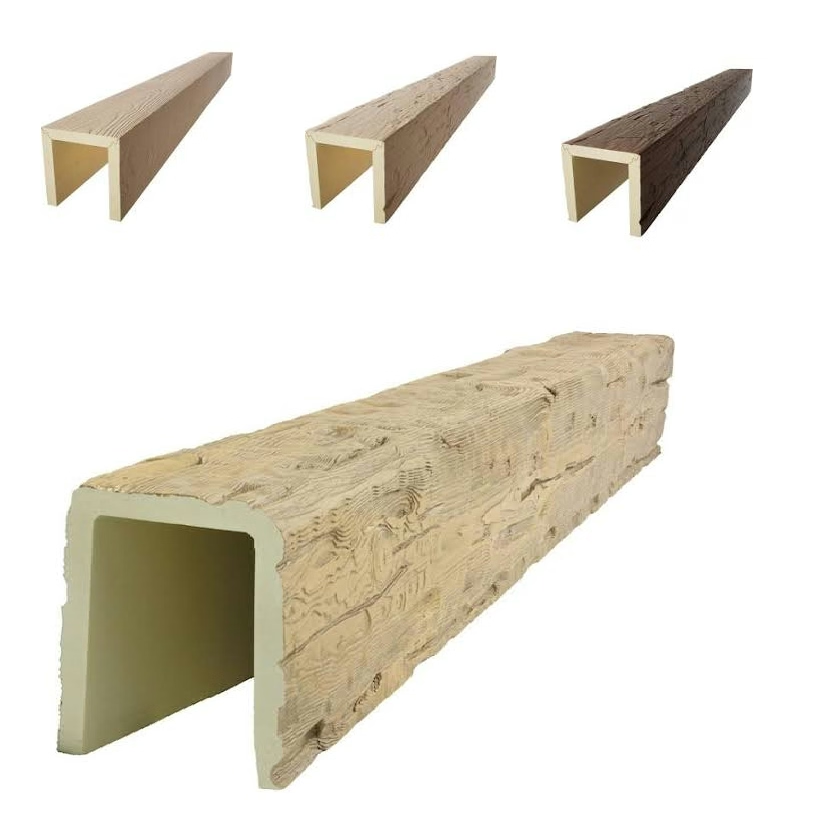
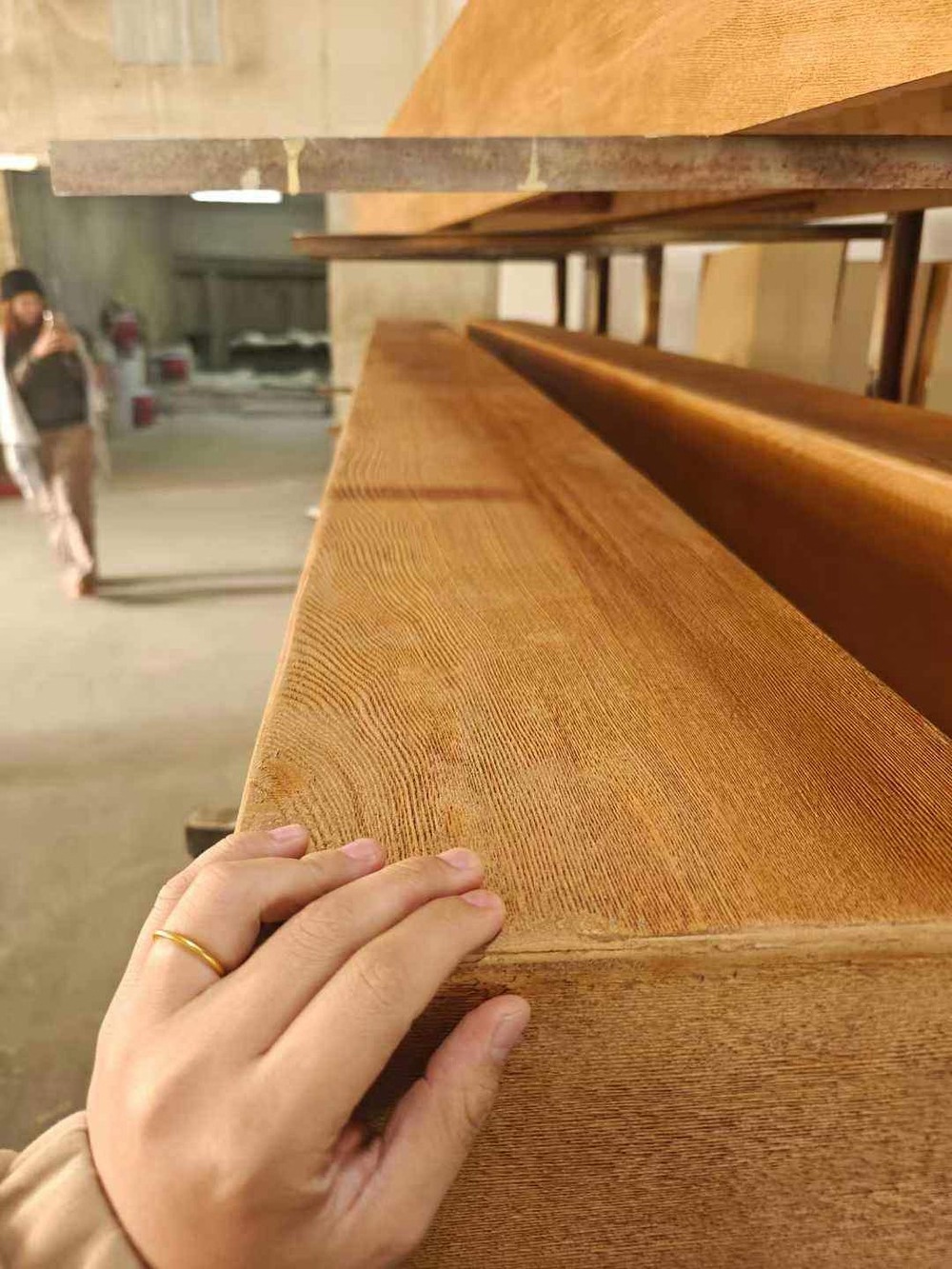
The word durability encompasses multiple performance dimensions that collectively determine how successfully materials serve their intended purposes over time. Impact resistance, UV stability, moisture tolerance, and dimensional consistency all contribute to the durability story that quality polyurethane beams deliver. Understanding these performance characteristics helps specifiers select products appropriate for specific applications rather than assuming all polyurethane beams perform equivalently.
Density provides the foundation for mechanical strength in polyurethane beam materials. Higher-density formulations resist impact damage, maintain fastener grip, and support heavier loads than lower-density alternatives. Manufacturing processes that achieve consistent density throughout beam cross-sections produce more reliable performance than variable-density products. Professional specifiers request density specifications and verify them through testing when product quality matters significantly.
Impact resistance becomes particularly relevant for beams installed within reach of occupants or activities that might cause collision damage. Gymnasiums, children's facilities, and commercial spaces with active use patterns benefit from beams that tolerate accidental impacts without cracking, denting, or splintering. Polyurethane's resilience allows it to absorb impact energy without permanent deformation in ways that rigid materials cannot match.

Temperature cycling creates stress conditions that degrade some materials progressively over years of service. Polyurethane tolerates typical building temperature ranges without cracking or delaminating, but extreme conditions might challenge some formulations. Products designed for exterior applications incorporate stabilizers that resist temperature-related degradation, maintaining flexibility and appearance through decades of seasonal variation.
Ultraviolet radiation from sunlight causes surface degradation in many polymeric materials, including some polyurethane formulations. Interior installations face minimal UV exposure, but exterior and sunlit interior applications require UV-stabilized products that resist photochemical degradation. Premium manufacturers formulate their products with appropriate stabilizer packages, ensuring surface integrity remains acceptable throughout expected service life.
Moisture exposure affects polyurethane differently than natural wood, with neither material suffering the other's vulnerability to water damage. Polyurethane neither absorbs moisture nor rots when wet, making it appropriate for applications where occasional moisture contact might occur. However, sustained water exposure might affect adhesive bonds or promote biological growth on beam surfaces, requiring drainage or ventilation provisions for wet locations.
Dimensional stability through humidity cycling distinguishes polyurethane from natural wood, which expands and contracts across grain directions as moisture content changes. This movement creates gaps in joints, stresses finish materials, and causes fastener withdrawal over time. Polyurethane maintains consistent dimensions regardless of humidity conditions, eliminating movement-related problems that plague natural wood installations.
Chemical exposure tolerance varies among polyurethane formulations depending on their specific chemical compositions. Most formulations tolerate common cleaning products, atmospheric pollutants, and incidental chemical contact without degradation. Harsh chemical environments might require specialized formulations designed for chemical resistance. Manufacturer specifications should be consulted regarding specific exposure scenarios.
Fastener retention capability affects how effectively beams can be mounted using mechanical fastening systems. Polyurethane's density and composition determine how firmly fasteners grip after installation. Higher-density formulations provide better fastener retention than lower-density alternatives, reducing risk of fastener loosening over time. Testing fastener pull-out resistance provides objective evidence of this performance characteristic.
Surface hardness affects both appearance durability and maintenance requirements for beam installations. Softer formulations might show scratching from cleaning activities or contact with objects, while harder formulations resist such damage more effectively. Balance between hardness for durability and texture for authentic appearance represents a design trade-off that premium manufacturers address through careful formulation development.
Longevity documentation from manufacturers provides evidence supporting durability claims. Accelerated aging tests that simulate years of service exposure demonstrate how products perform under conditions more severe than normal use. Outdoor exposure testing verifies real-world durability over extended timeframes. Products with documented testing programs provide more reliable basis for specification than those lacking performance evidence.
Warranty terms reflect manufacturer confidence in product durability, with longer warranties typically indicating greater durability expectations. Standard warranties might cover manufacturing defects for five years, while premium products might carry ten-year or longer coverage. Terms and conditions that limit warranty effectiveness merit careful review, as coverage gaps might expose specifiers to unexpected costs.
Reference installations provide evidence of real-world durability performance over extended timeframes. Requesting to visit completed installations of various ages demonstrates how products actually perform after years of service exposure. Speaking with building operators about maintenance experiences and any problems encountered provides practical durability insights that laboratory testing cannot fully replicate.
Technical References
ASTM standards cited in every specification
Test Data
Lab results from internal testing program
Updated 2026
Reviewed against current product specs