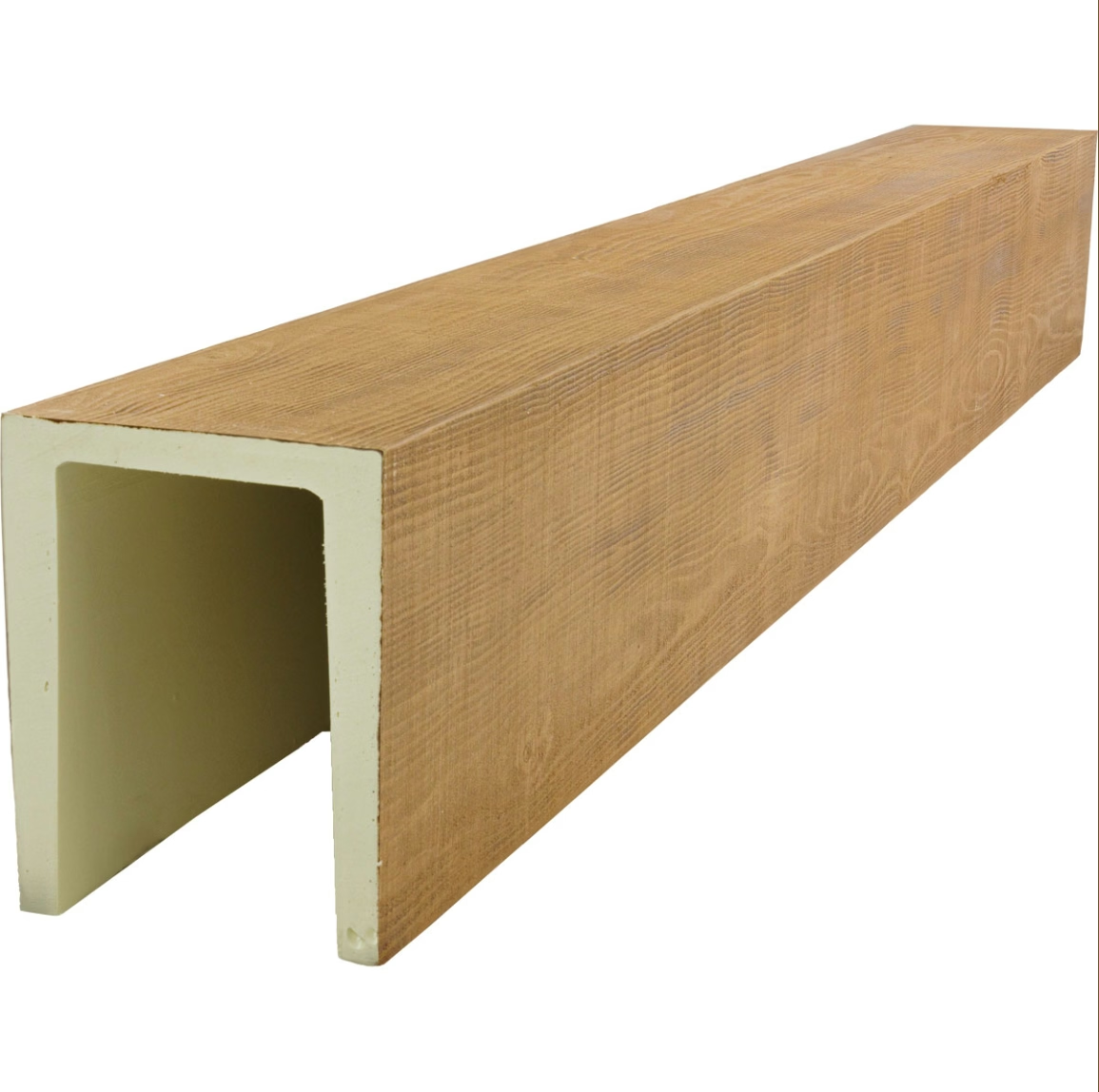
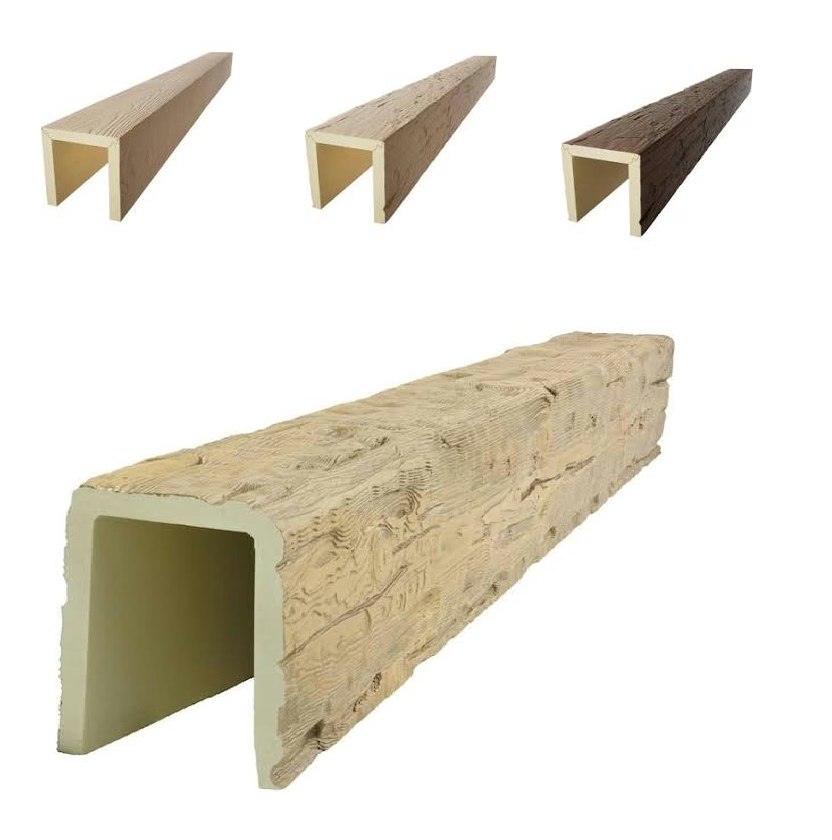
The term premium simulation implies standards that go beyond basic functionality toward something approaching perfection. In faux timber applications, premium means achieving visual fidelity that satisfies observers who might be skeptical of synthetic alternatives. PU resin technology delivers this level of quality through manufacturing processes that capture wood's essential character with remarkable accuracy.
Resin-based formulations differ from standard polyurethane compositions through additives and processing parameters that create finer surface detail. These formulations achieve smoother bases that accept colorants more uniformly, creating finishes with depth and complexity that basic products cannot match. The additional manufacturing investment translates to superior finished appearance that justifies premium pricing for quality-conscious applications.
Surface replication technology has advanced substantially, with contemporary molds capturing wood grain at microscopic scales. These detailed surfaces read as authentically aged when viewed at any distance, from arm's length examination to distant perspective in large spaces. This multi-scale authenticity distinguishes premium products from economy alternatives that might pass casual inspection but fail close scrutiny.

Color application techniques for premium resin beams employ multiple stages that build visual complexity gradually. Base coats establish fundamental hues while subsequent layers add grain lines, chatoyance, and tonal variation. This layering creates the depth that distinguishes natural timber from flat-painted surfaces. Premium beams incorporate these techniques automatically, producing authentic appearance without demanding specialized finishing expertise.
Edge detailing receives particular attention in premium beam manufacturing because exposed beam edges often receive close inspection. Natural timber shows different grain patterns on end-grain surfaces compared to longitudinal faces, creating subtle authenticity that inferior products miss. Premium resin beams replicate these variations convincingly, preventing edge surfaces from revealing synthetic origins when installation includes visible end grain.
Structural performance in premium resin beams benefits from formulation refinements that enhance durability without compromising surface quality. Impact resistance, temperature tolerance, and dimensional stability all improve with optimized compositions. These performance advantages manifest in installations that maintain appearance through years of service without the degradation that lesser products might show.
Moisture resistance inherent in resin formulations provides important benefits for bathroom, kitchen, and exterior applications. Water exposure that would damage natural wood or promote mold growth on lesser synthetics leaves premium resin beams unaffected. This moisture tolerance expands application possibilities that might otherwise require different materials.
Thermal expansion behavior in premium resin beams differs from standard polyurethane, with reduced dimensional change through temperature cycles. This stability preserves joint integrity and finish adhesion that thermal movement might otherwise compromise. Buildings with significant temperature variation benefit particularly from this dimensional consistency.
Finish adhesion to premium resin surfaces benefits from manufacturing processes that prepare surfaces for optimal coating performance. Unlike natural wood with its variable oils and extractives, premium resin beam surfaces are manufactured for consistency. This predictability enables finish products to perform reliably without the testing required for natural wood.
Customization capabilities for premium resin beams extend beyond standard catalog offerings to include project-specific profiles and finishes. Manufacturers equipped for custom work can develop unique molds, create special dimensions, or match specific color requirements. This flexibility serves projects where standard products cannot achieve design intentions.
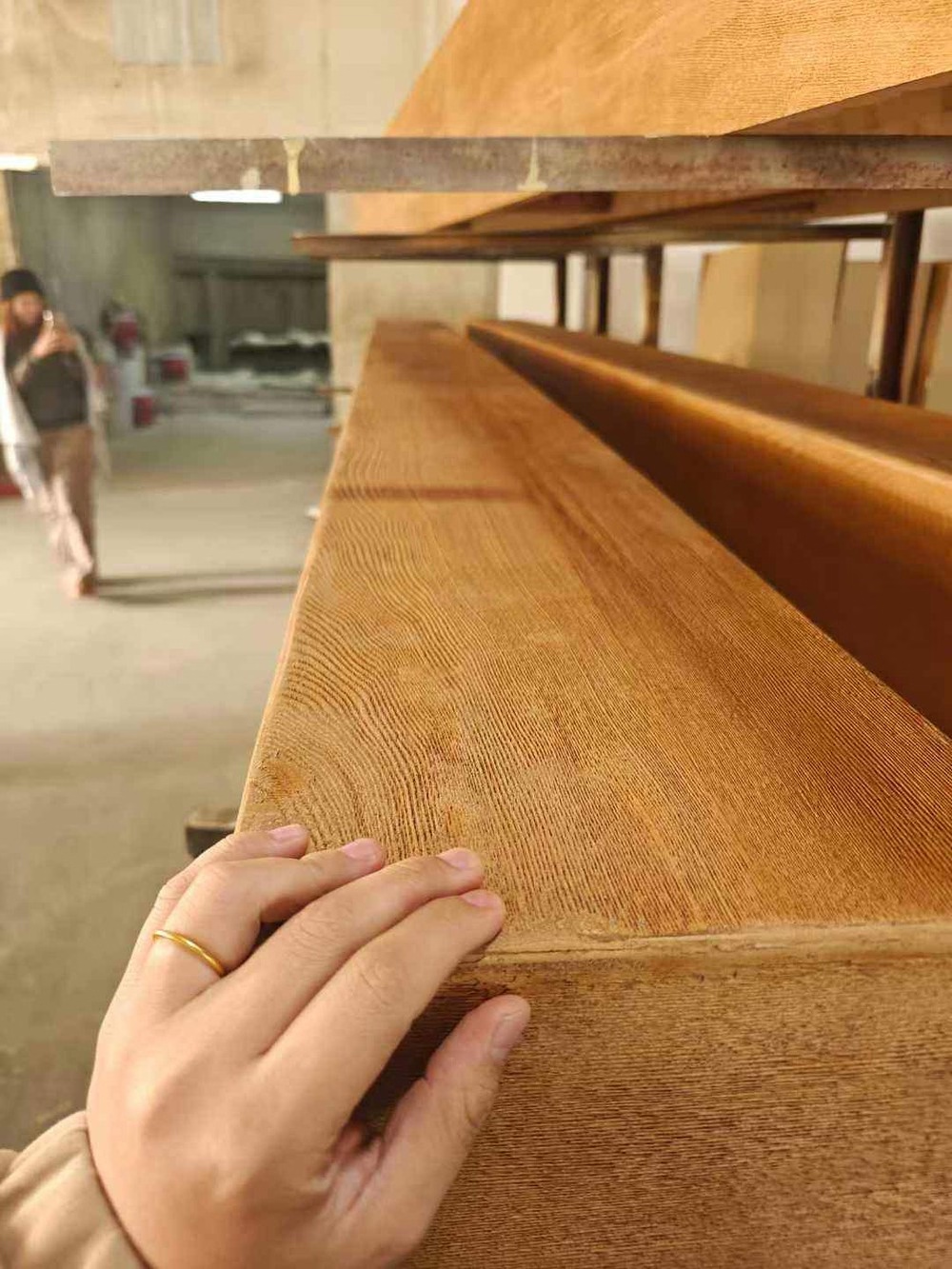
Quality verification for premium resin beams should include physical sample examination before commitment. Surface quality, edge detail, and finish consistency are best evaluated through direct observation rather than relying on photographs or descriptions. Premium products deserve premium verification to ensure that expectations are met.
Cost analysis for premium resin beams should consider total value rather than unit price comparison alone. Superior appearance that satisfies demanding clients provides value beyond mere aesthetics. Enhanced durability reduces future maintenance and replacement costs. Installation efficiency from consistent quality reduces labor costs. These factors combine differently for each project.
Supplier selection for premium resin beams should prioritize established manufacturers with demonstrated quality track records. Premium pricing should be matched by premium quality, and this correspondence varies substantially among suppliers. Requesting references, visiting completed installations, and examining production facilities helps identify suppliers whose quality matches their premium positioning.
Technical References
ASTM standards cited in every specification
Test Data
Lab results from internal testing program
Updated 2026
Reviewed against current product specs