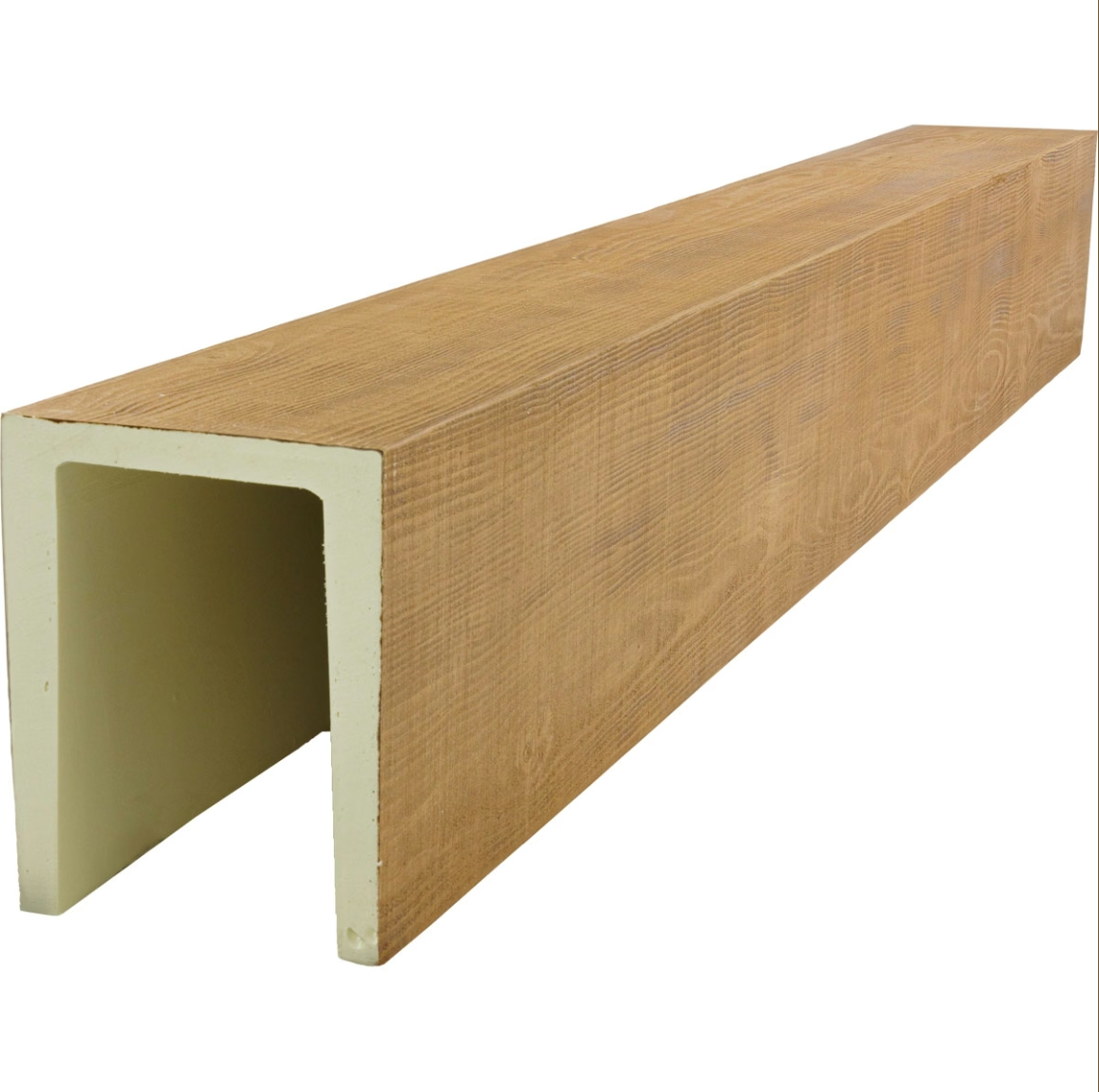
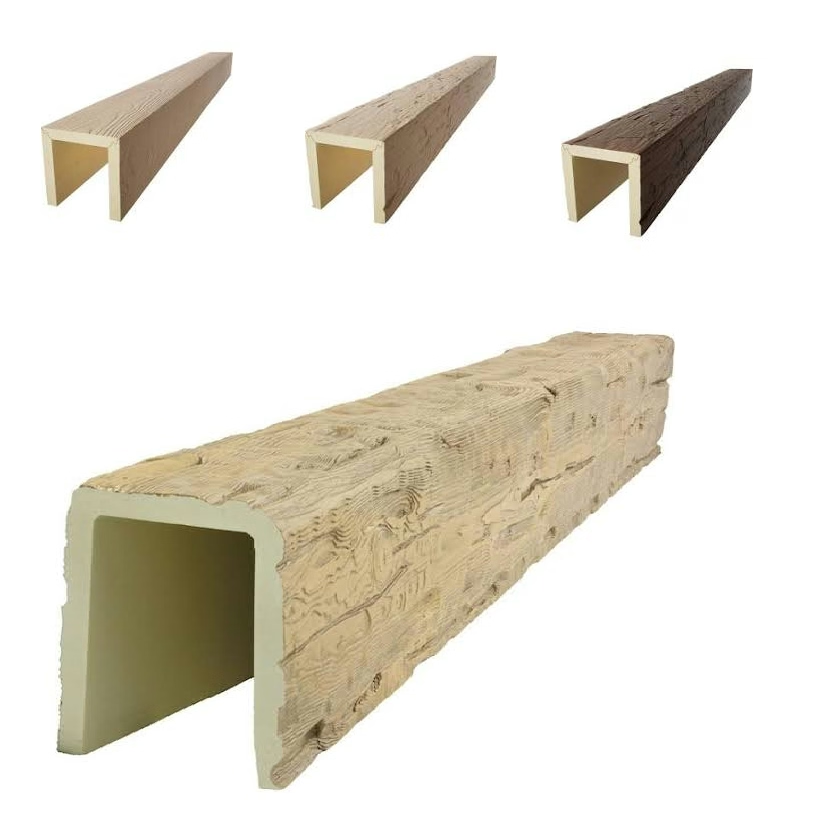
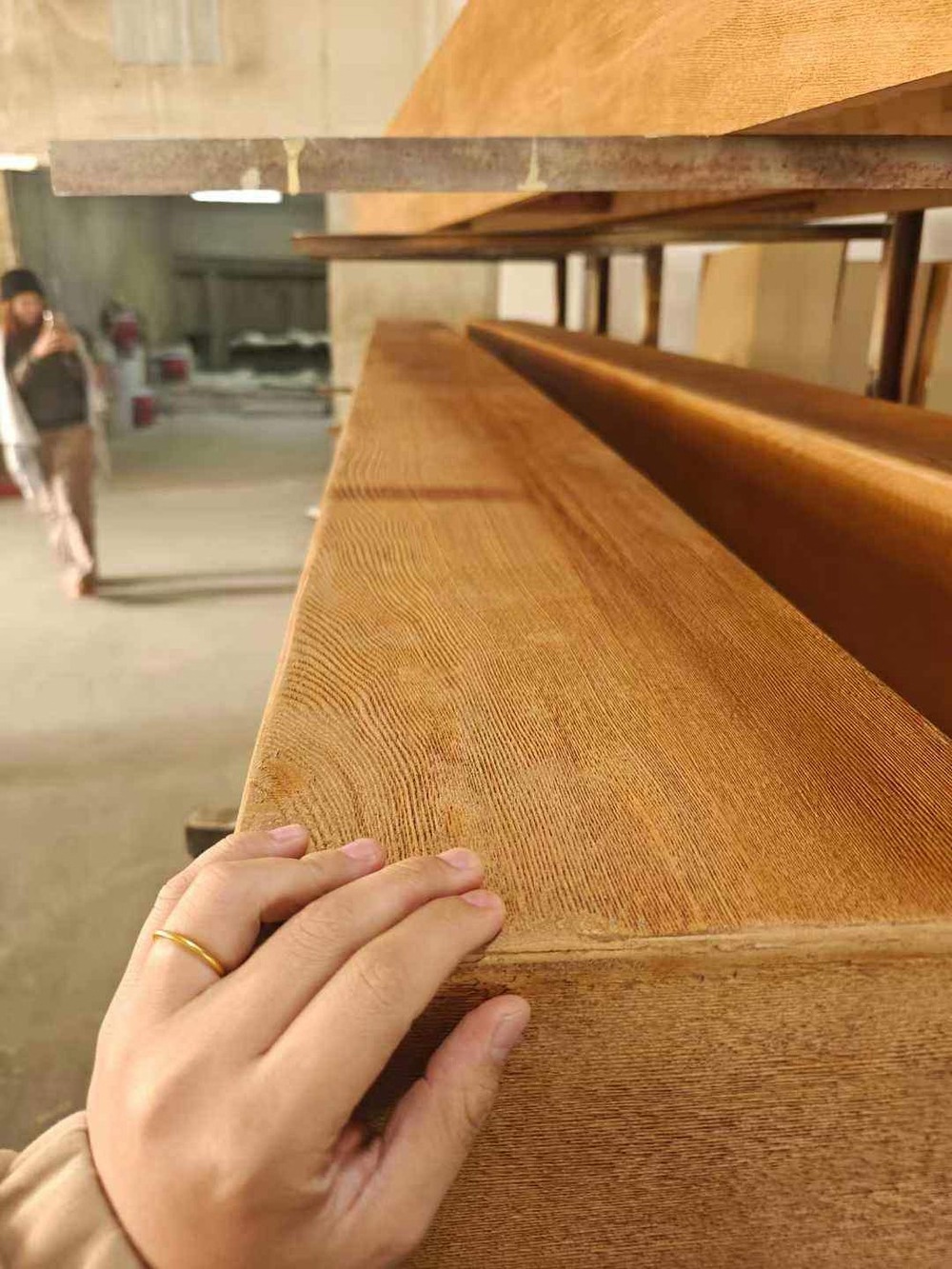
The phrase long-term use implies timeframes measured in decades rather than years, requiring materials that maintain integrity despite accumulated environmental exposure and service conditions. Structural stability encompasses multiple performance dimensions including dimensional consistency, surface durability, and mounting security. Faux wood beams specified for permanent installation must address all these dimensions to justify the investment they represent.
Dimensional stability through environmental cycling distinguishes quality faux wood beams from materials that expand, contract, or distort over time. Temperature and humidity variations create stress in any material, but quality products accommodate this stress without visible distortion or functional impairment. This dimensional consistency preserves joint tight appearances and mounting security that movement might otherwise compromise.
Surface stability involves resistance to the degradation mechanisms that alter appearance progressively through service life. Ultraviolet radiation, atmospheric pollution, and routine cleaning all stress beam surfaces. Quality products resist these mechanisms effectively, maintaining original appearance for years without refinishing or repair that permanent installations cannot easily accommodate.

Mounting system stability ensures that beam installations remain secure despite the forces that gravity, building movement, and accidental impact impose. Adhesive bonds must resist creep that causes gradual loosening over time. Mechanical fasteners must maintain grip despite vibration and thermal cycling. Both concerns require specification attention during design development.
Material formulation consistency affects structural stability across production runs and throughout individual beams. Quality manufacturers control formulation parameters that might drift during production, ensuring that every beam meets stability requirements. This consistency prevents problems where some pieces perform adequately while others degrade prematurely.
Accelerated aging testing provides evidence of long-term stability performance by simulating years of service exposure in compressed timeframes. Cyclic temperature exposure, humidity cycling, and UV radiation protocols stress materials beyond normal conditions, revealing weaknesses that might manifest only after extended real-world exposure. Products with favorable accelerated aging results provide greater confidence than untested alternatives.
Real-world performance documentation from completed installations provides additional stability evidence beyond laboratory testing. Visiting installations of various ages demonstrates how products actually perform through seasonal cycles and years of use. Building operators can report maintenance experiences and any problems encountered. This real-world evidence complements testing data for comprehensive performance assessment.
Moisture tolerance contributes to structural stability by preventing the degradation that water damage causes in vulnerable materials. Quality faux wood beams neither absorb moisture nor suffer damage from periodic wetting, maintaining integrity despite bathroom humidity, kitchen steam, or exterior weather exposure. This moisture resistance proves essential for applications where occasional water contact cannot be prevented entirely.
Chemical resistance affects stability in environments where cleaning products, atmospheric pollutants, or incidental chemical contact might stress beam surfaces. Quality products resist common chemical exposure without surface damage or discoloration. Harsher environments might require specialized products designed for chemical resistance, but typical residential and commercial applications are well-served by standard formulations.
Impact resistance contributes to long-term appearance stability by preventing damage from accidental collisions that would otherwise accumulate through service life. Quality faux wood beams tolerate moderate impacts without visible damage, maintaining original appearance despite the routine bumps that occupancy creates. This damage resistance preserves aesthetic investment throughout the installation's service life.
Thermal expansion behavior affects structural stability when beams undergo temperature cycling. Materials that expand and contract significantly might stress adjacent finishes, compromise adhesive bonds, or create visible movement. Quality faux wood formulations minimize thermal expansion coefficients, reducing these stress effects to negligible levels.
Settlement monitoring for permanent beam installations should include periodic inspection to verify continued structural stability. Any detected movement, separation, or degradation should prompt investigation before problems progress. Professional installers typically offer maintenance contracts that include this monitoring, providing ongoing assurance that installations remain stable.
Warranty terms provide manufacturer commitment to structural stability performance. Longer warranties typically indicate greater manufacturer confidence in long-term stability. Terms that cover replacement and reinstallation costs provide meaningful protection against premature failure. Warranty documentation should be preserved as installation records supporting any future claims.
Technical References
ASTM standards cited in every specification
Test Data
Lab results from internal testing program
Updated 2026
Reviewed against current product specs