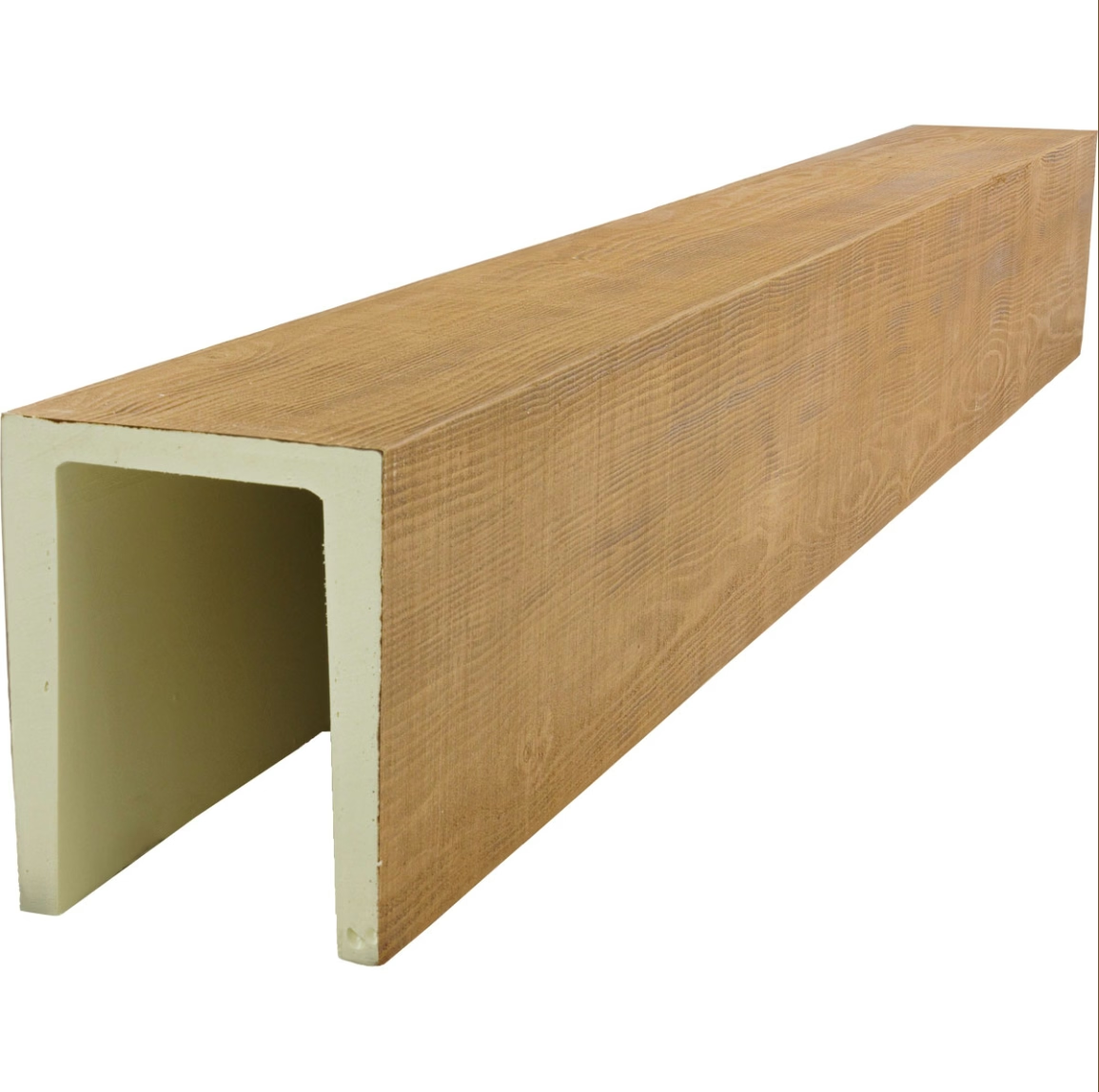
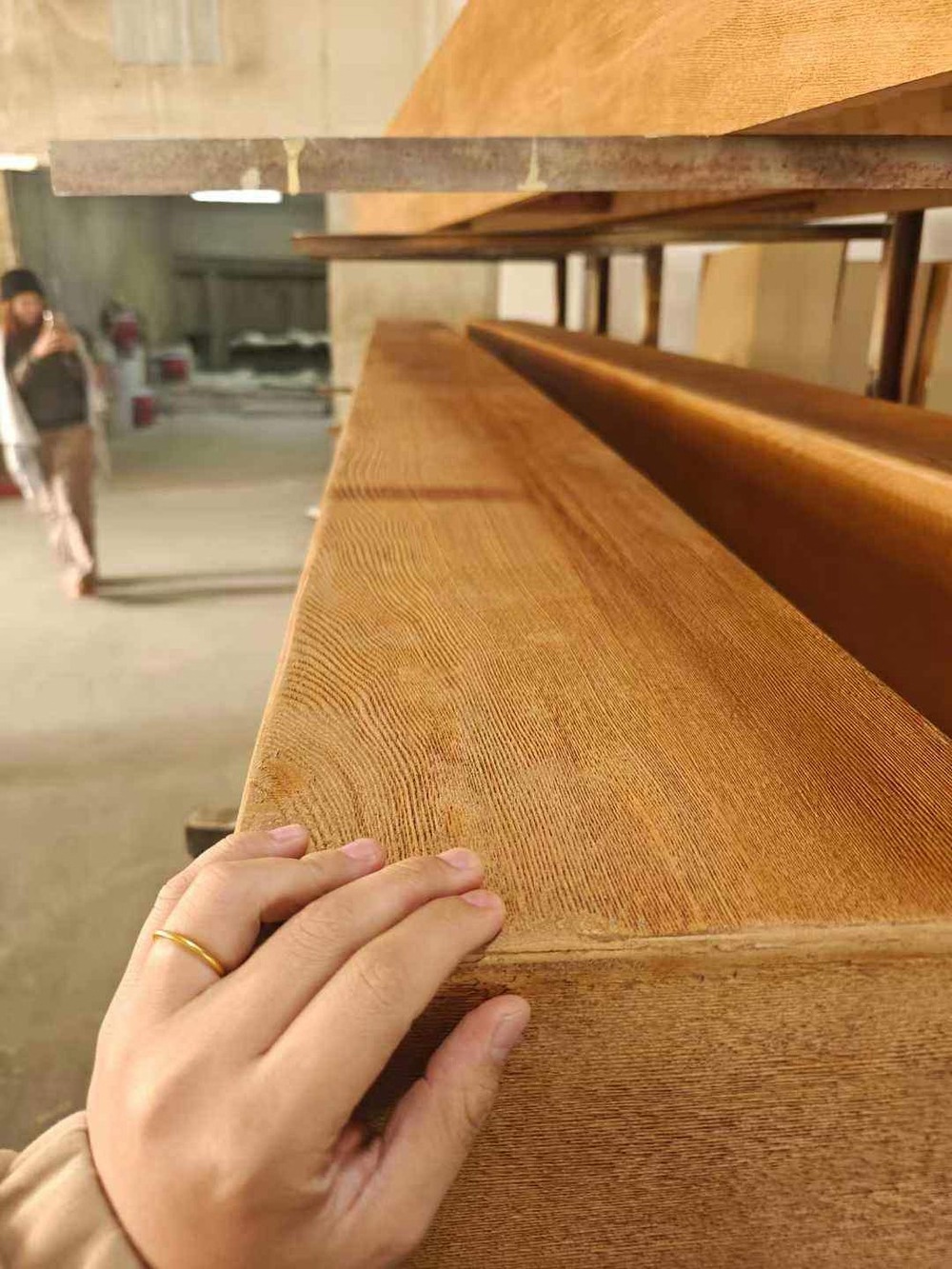
When considering materials for ceiling and architectural beam installations, many contractors and property owners overlook the remarkable advances in polyurethane technology. High-value durable PU faux beams represent a significant evolution in decorative building materials, combining realistic wood aesthetics with engineered performance characteristics that outperform traditional materials in numerous applications.
The fundamental appeal of polyurethane faux beams lies in their ability to deliver genuine long-term value without the inherent limitations of natural wood or the structural demands of solid timber alternatives. Unlike real wood, these manufactured beams resist the moisture absorption, insect damage, and warping that plague organic materials over time. This resistance translates directly into reduced maintenance costs and fewer replacement requirements throughout the lifespan of a renovation project.
Understanding Polyurethane Beam Construction
The manufacturing process behind high-quality PU faux beams involves precision molding techniques that capture every detail of authentic timber grain patterns and natural wood textures. Advanced polyurethane formulations create a cellular structure that provides impact resistance while maintaining remarkably low weight. This combination proves particularly valuable in renovation scenarios where existing ceiling structures cannot support the substantial weight of genuine wooden beams.
Modern production methods allow manufacturers to create beams with varying densities throughout their cross-section, concentrating material where structural support matters most and reducing bulk where it's unnecessary. The result is a beam that looks substantial and authentic while weighing a fraction of what solid timber would require. Installers appreciate this characteristic during handling and mounting, as a single worker can manage beams that would otherwise require two or three people to position safely.
The surface finish on quality polyurethane beams includes UV stabilizers that protect against the yellowing and degradation that affects many synthetic materials when exposed to sunlight. This additive package ensures that beams maintain their original color and surface integrity even in rooms with substantial natural light penetration. Interior designers can specify these beams with confidence, knowing the installed appearance will match design intentions for years to come.
Long-Term Performance Advantages
Durability assessment for architectural beams must consider multiple factors beyond simple impact resistance. Temperature fluctuation tolerance ranks among the most important characteristics for beams used in spaces with HVAC systems that create regular environmental cycling. Polyurethane beams accommodate these changes without the expansion and contraction stresses that cause cracking in plaster or the joint separation problems common with glued timber assemblies.
Moisture resistance proves essential in kitchens, bathrooms, and basement environments where traditional wood beams would eventually show signs of water damage. The closed-cell structure of quality polyurethane prevents water penetration that leads to rot, mold growth, or structural compromise. This performance attribute extends the usable life of beams in challenging environments while eliminating the sealing and treatment requirements that natural wood demands.
Insect resistance offers another dimension of long-term value that property owners often neglect until infestation occurs. Termites and carpenter ants cannot establish colonies in polyurethane materials, eliminating a significant risk factor that affects all wooden architectural elements. This characteristic proves particularly valuable in geographic regions where insect pressure creates ongoing maintenance burdens for property owners.
Cost Analysis and Value Proposition
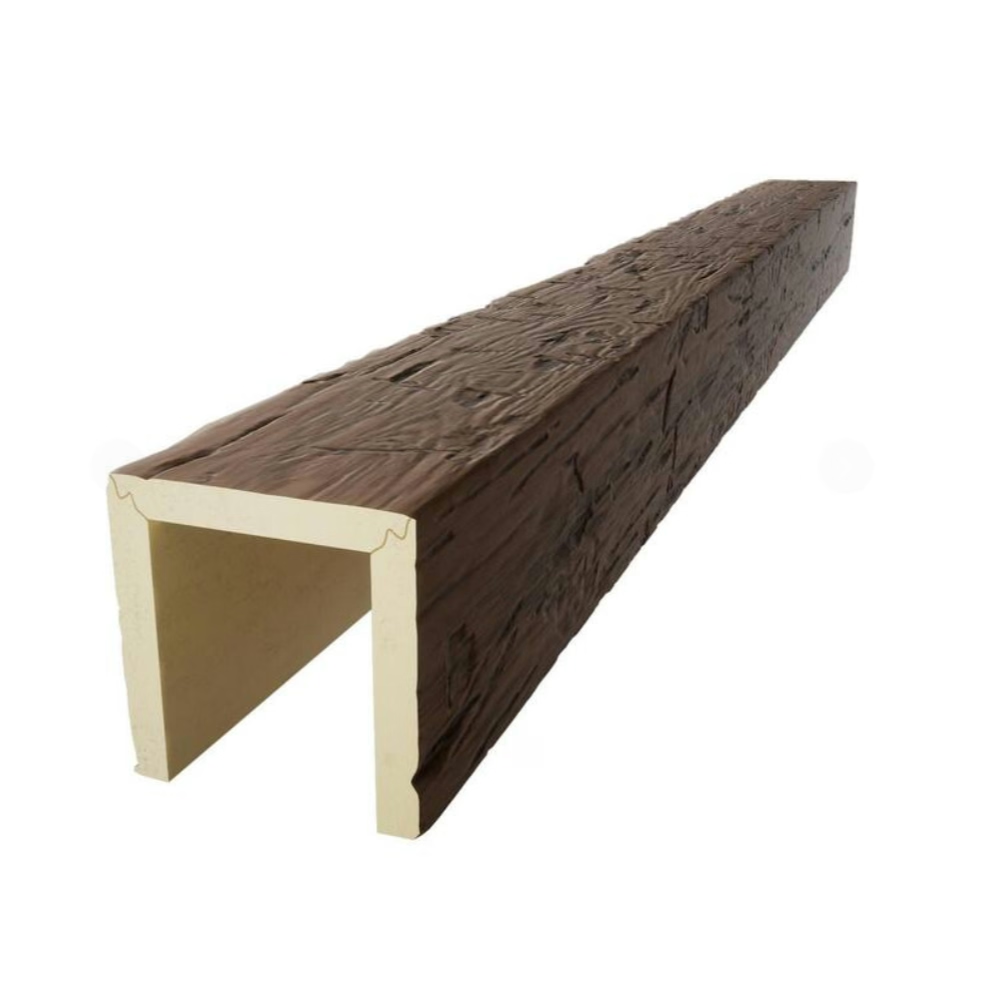
Initial material costs for polyurethane beams typically fall below those for comparable solid wood installations, though this comparison varies based on wood species and beam dimensions. The greater cost advantage emerges when considering total installation expenses, where the lightweight nature of PU beams reduces labor time, hardware requirements, and the need for structural reinforcement. These savings often exceed the raw material price difference, creating a compelling economic case for synthetic beam selection.
Maintenance expenses over the beam lifecycle demonstrate additional value that accumulates gradually but significantly. Natural wood beams require periodic inspection, refinishing, and treatment applications that polyurethane beams simply don't need. The absence of these ongoing costs means that the true cost of ownership for PU beams becomes substantially lower than initial price comparisons would suggest.
Replacement intervals for quality polyurethane beams extend well beyond those of natural wood alternatives in most applications. While specific longevity depends on installation environment and usage conditions, manufacturers commonly warranty their products for fifteen to twenty-five years of normal service. Actual functional lifespan often exceeds warranty periods considerably, making polyurethane beams a genuinely permanent solution rather than an interim measure.

Installation Efficiency and Project Timeline Benefits
The lightweight nature of polyurethane faux beams creates cascading benefits throughout the renovation process. Faster installation times reduce labor costs and allow projects to meet tighter schedule requirements without sacrificing quality. Construction teams can complete beam installations in a fraction of the time required for traditional methods, freeing resources for other project elements or enabling the overall timeline to compress.
Mounting systems for these beams have evolved to accommodate various ceiling configurations and substrate materials. Standard installation involves a combination of adhesive bonding and mechanical fastening, creating connections that exceed the load-bearing capacity of the beams themselves. This reliable attachment methodology means that installers develop consistent techniques that produce predictable results across different project types and scales.
The dimensional consistency of manufactured beams eliminates the sorting, selection, and preparation steps that timber installations require. Each beam arrives at the jobsite with identical dimensions, straight surfaces, and uniform appearance characteristics. This predictability streamlines project planning and reduces the on-site decision-making that can slow progress and create inconsistencies in finished installations.
Design Versatility and Aesthetic Options
Polyurethane technology enables beam profiles that would prove difficult or impossible to manufacture from natural materials. Complex curves, dramatic corbels, and elaborate trim details can be molded with precision that hand carving cannot consistently achieve. This capability expands the design vocabulary available to architects and interior designers, allowing more ambitious aesthetic visions to become buildable reality.
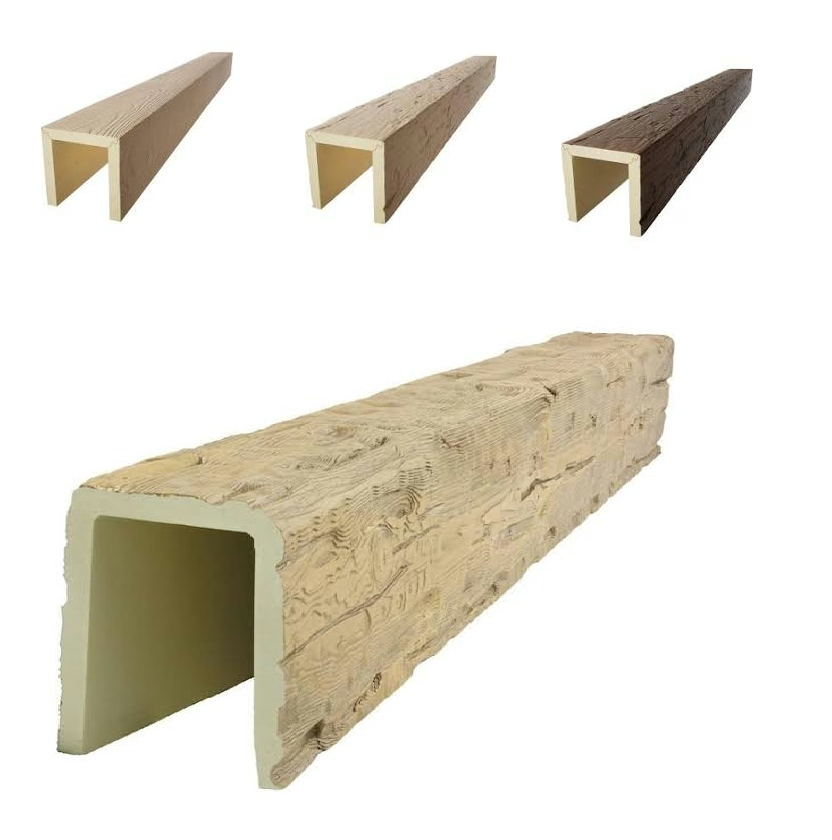
Color matching and finish customization capabilities further extend the practical range of polyurethane beams. Surface treatments can replicate specific wood species, aged patinas, or painted finishes with remarkable accuracy. The ability to customize appearance without specialized finishing skills makes these beams accessible to a broader range of installers and property owners who might otherwise struggle to achieve desired aesthetics.
Textured surfaces that convincingly mimic rough-sawn timber, hand-planed smoothness, or weathered exposure expand the design options available within the polyurethane beam category. These textural variations create opportunities for stylistic differentiation that help finished projects avoid the generic appearance that can result from over-reliance on any single material or finish approach.
Environmental Considerations and Sustainability
While polyurethane derives from petrochemical sources, the extended service life and reduced maintenance requirements of finished beams create a favorable lifecycle comparison with many alternatives. The energy required to manufacture and transport lightweight PU beams falls significantly below that for heavy timber or stone equivalents, partially offsetting the raw material concerns that sometimes accompany synthetic products.
The lightweight shipping advantage of polyurethane beams contributes to their environmental performance by reducing transportation-related emissions. More beams can be loaded into shipping containers and delivery vehicles, meaning fewer trips are required to supply equivalent project quantities. This logistics efficiency compounds throughout distribution channels, creating cumulative benefits that accumulate alongside the installation-phase advantages.
End-of-life considerations for polyurethane beams continue to improve as recycling technologies advance. Some manufacturers now offer take-back programs or incorporate recycled content into their production streams, addressing sustainability concerns while maintaining the performance characteristics that make these products attractive in the first place.

Selecting Quality Products for Long-Term Satisfaction
Not all polyurethane beams deliver equivalent performance, making supplier selection a critical decision point for renovation projects. Specifications regarding density, UV stabilization, and fire resistance ratings provide objective criteria for comparing alternatives. Reputable manufacturers provide comprehensive technical documentation that enables informed purchasing decisions rather than leaving buyers to evaluate products based solely on appearance.
Warranty coverage terms reveal manufacturer confidence in their products and provide recourse if premature failures occur. Coverage periods, transferability provisions, and claim processes vary considerably across suppliers, making thorough warranty review worthwhile before finalizing purchases. The best warranty protections offer meaningful coverage that genuinely protects buyer investments rather than providing marketing language with limited practical application.
Sample evaluation before bulk ordering allows physical assessment of beam quality, weight characteristics, and surface finish accuracy. Reputable suppliers provide samples at reasonable cost or through loan arrangements that enable thorough evaluation without significant financial risk. This evaluation step proves particularly valuable for projects where appearance matching to existing elements or specific design standards matters.
The renovation industry continues to embrace polyurethane faux beams as understanding of their capabilities spreads beyond early adopter communities. Performance characteristics that initially seemed too good to be true have proven genuine through years of successful installations across diverse project types and environments. Property owners and contractors who take time to evaluate these products objectively consistently conclude that the long-term value proposition is as compelling as the initial appeal suggests.
Technical References
ASTM standards cited in every specification
Test Data
Lab results from internal testing program
Updated 2026
Reviewed against current product specs