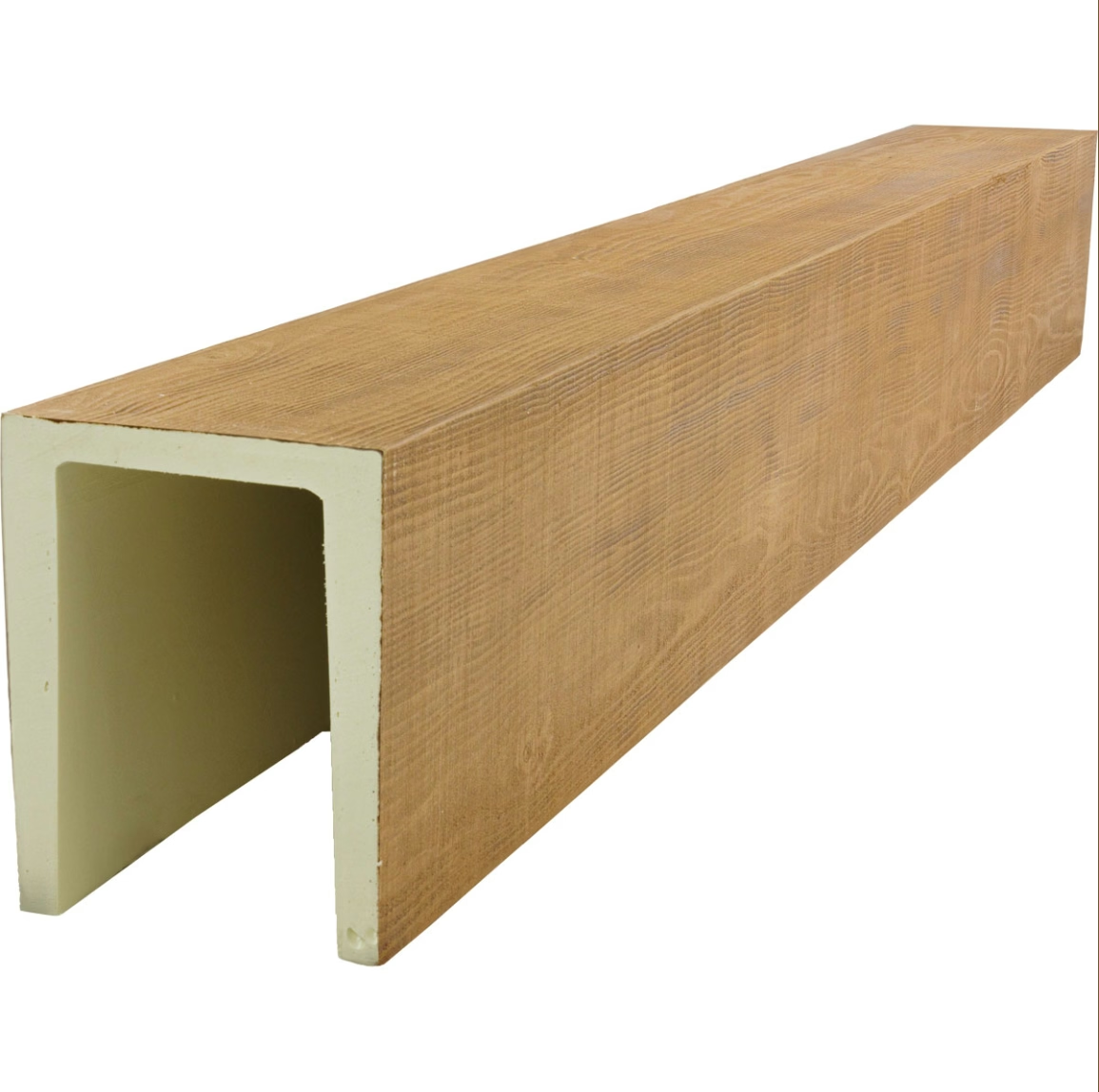
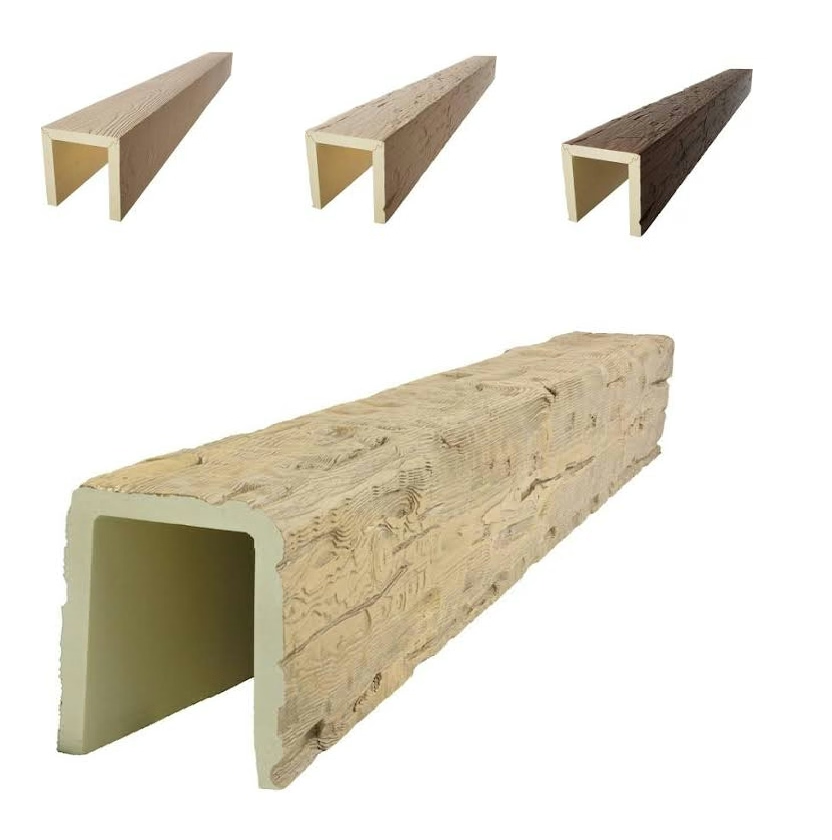
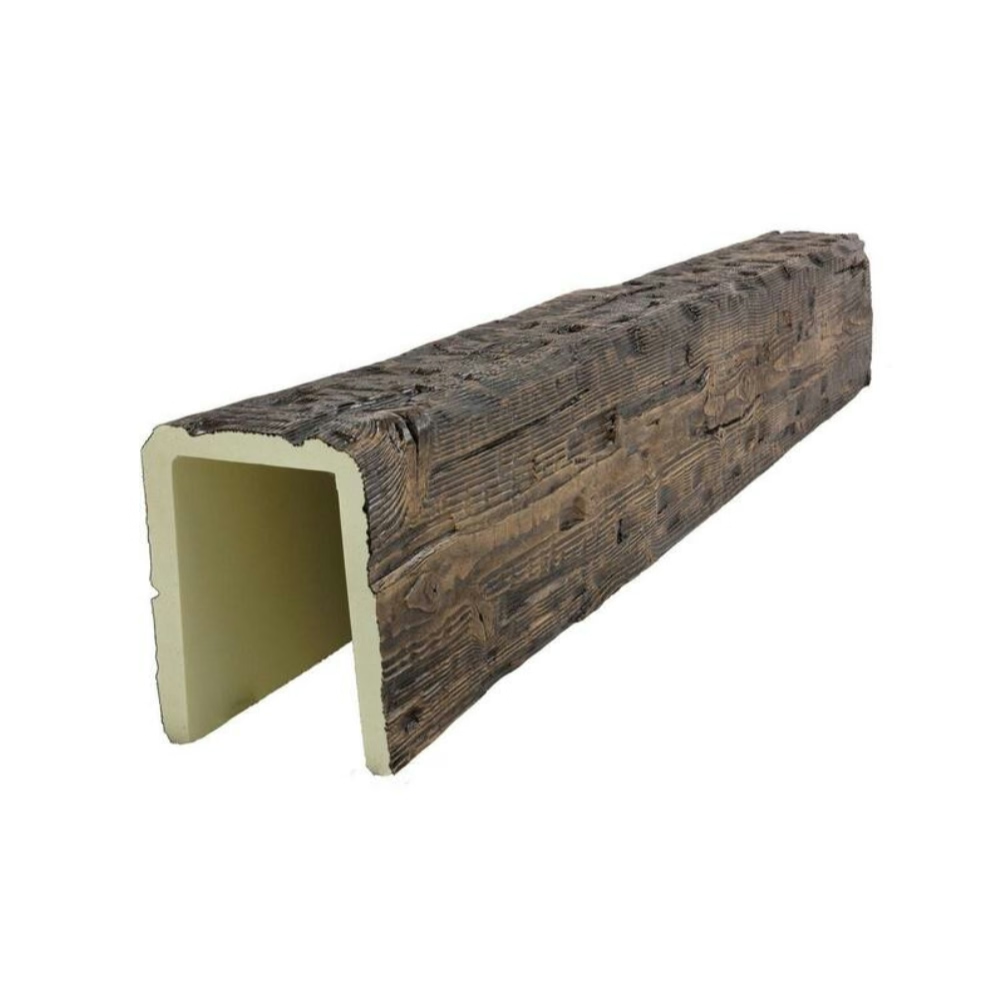
The construction industry has long recognized the aesthetic value that exposed timber beams bring to interior spaces. The warmth, texture, and organic character of wood creates atmospheres that synthetic materials historically struggled to match. However, the practical realities of solid timber—exceptional weight, dimensional instability, moisture sensitivity, and premium pricing—have constrained its applications throughout modern construction history. Hollow structure lightweight polyurethane faux beams resolve these conflicts by delivering timber's visual benefits while engineering away its practical limitations.
Understanding why hollow construction matters requires examining the physics of beam performance. A beam's ability to span distances and support loads depends primarily on its moment of inertia, a geometric property determined by cross-sectional shape and dimensions rather than material density. Hollow structures, when properly designed, achieve moment of inertia values comparable to solid alternatives while using substantially less material. This efficiency translates directly into reduced weight without sacrificing appearance or apparent substance.
The development of high-performance polyurethane formulations has made hollow beam construction increasingly viable for demanding applications. Modern polyurethanes exhibit excellent strength-to-weight ratios, maintaining structural integrity while enabling the thin-walled geometries that hollow construction requires. Combined with advanced molding technologies that produce consistent dimensions throughout complex shapes, these materials have elevated hollow beam products from novelty items to professional-grade architectural elements.
Engineering Principles Behind Hollow Beam Design

The structural behavior of hollow beams differs from solid alternatives in ways that influence design decisions and installation requirements. In solid timber, the entire cross-section contributes to load-bearing capacity, with outer fibers bearing the highest stresses. Hollow beams concentrate material at the outer surfaces, which actually aligns favorably with stress distribution patterns under bending loads. This optimization allows hollow beams to achieve impressive load-bearing capability with minimal material consumption.
Wall thickness in hollow polyurethane beams typically ranges from three-eighths to five-eighths inch depending on overall beam dimensions and intended applications. This thickness provides sufficient rigidity for handling and mounting while keeping weight manageable. Thicker walls increase material costs and shipping weights without proportional structural benefits, making efficient wall design a priority for manufacturers seeking to balance performance with economy.
The interior surfaces of hollow beams remain accessible after installation, which proves valuable for multiple practical purposes. Electrical wiring, network cables, speaker wires, and other utilities can route through beam interiors without visible exposure. This accommodation eliminates the external conduit runs that would otherwise compromise ceiling aesthetics. Some specialized beam designs incorporate integrated raceways specifically sized for common utility routing applications.
Performance Advantages in Various Applications
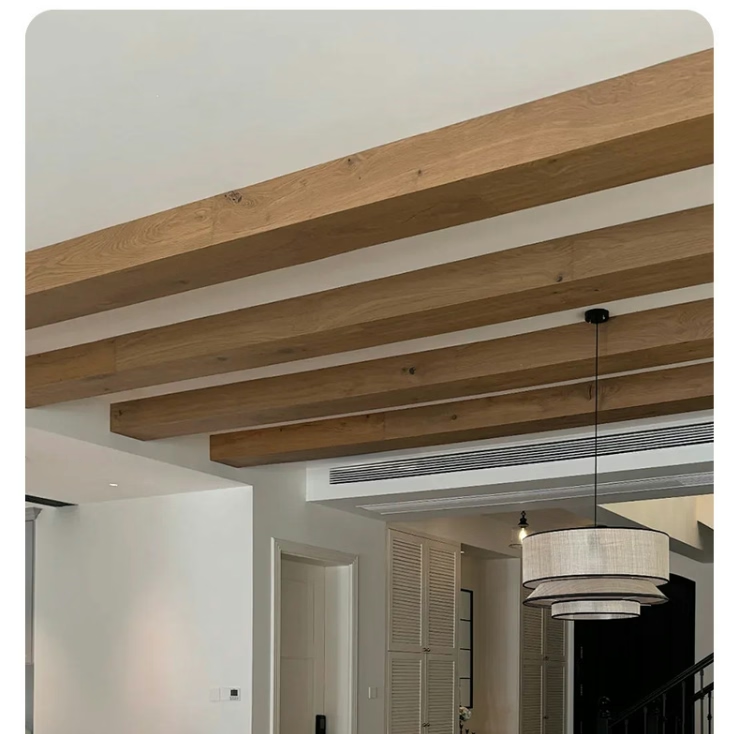
Residential applications benefit substantially from the weight savings hollow polyurethane beams provide. Standard ceiling joists in older homes often were designed for limited loads appropriate to original construction eras, potentially lacking capacity for heavy solid timber additions. Hollow beam covers and faux beams install without stressing these aged structures, enabling aesthetic upgrades that solid materials would preclude. This advantage proves particularly valuable in upper-floor applications where ceiling structures may be less substantial than main-floor assemblies.
Commercial construction increasingly specifies hollow polyurethane beams for tenant improvement projects where speed, cleanliness, and minimal structural impact matter. Restaurants, retail stores, and hospitality venues often operate under lease arrangements that discourage permanent structural modifications. Hollow beams install cleanly without cutting, drilling, or other disruptive activities that might create dust, noise, or debris affecting adjacent tenants. This installation friendliness has made hollow beams popular among commercial interior designers seeking quick transformations.
Exterior applications present unique challenges that hollow beam technology addresses effectively. Covered patios, pergolas, and porch ceilings often require beam elements that withstand weather exposure while maintaining attractive appearances. Hollow polyurethane beams with appropriate UV-resistant finishes tolerate extended sun exposure without the fading, cracking, or moisture damage that plague natural wood in exterior contexts. The hollow interior resists moisture accumulation that could promote rot or mold growth in solid alternatives.
Installation Efficiency and Cost Savings
The lightweight nature of hollow polyurethane beams translates directly into installation efficiency gains that benefit contractors and property owners alike. Single workers can safely handle beam lengths up to twelve feet without assistance, tasks that would require two or three workers for equivalent solid timber sections. This handling advantage reduces labor costs while simultaneously improving job site safety by eliminating the awkward heavy lifting that contributes to worker injuries.
Mounting hardware requirements diminish correspondingly with reduced beam weight. Solid timber beams often require steel brackets, specialized hangers, or reinforced ceiling connections capable of managing hundreds of pounds. Hollow polyurethane beams with weights measured in single or double digits per linear foot can mount using simple bracket systems or adhesive applications that would prove inadequate for heavier alternatives. This hardware reduction simplifies installations while lowering material costs.
Project timelines benefit from the simplified logistics that hollow beam products enable. Material deliveries involve manageable weights that two workers can transport from delivery vehicles to installation locations without equipment assistance. On-site material handling through finished spaces avoids the floor protection requirements and maneuverability challenges that heavy timber creates. These seemingly minor efficiencies compound across projects to produce meaningfully shorter completion times.
Aesthetic Quality and Authentic Appearance
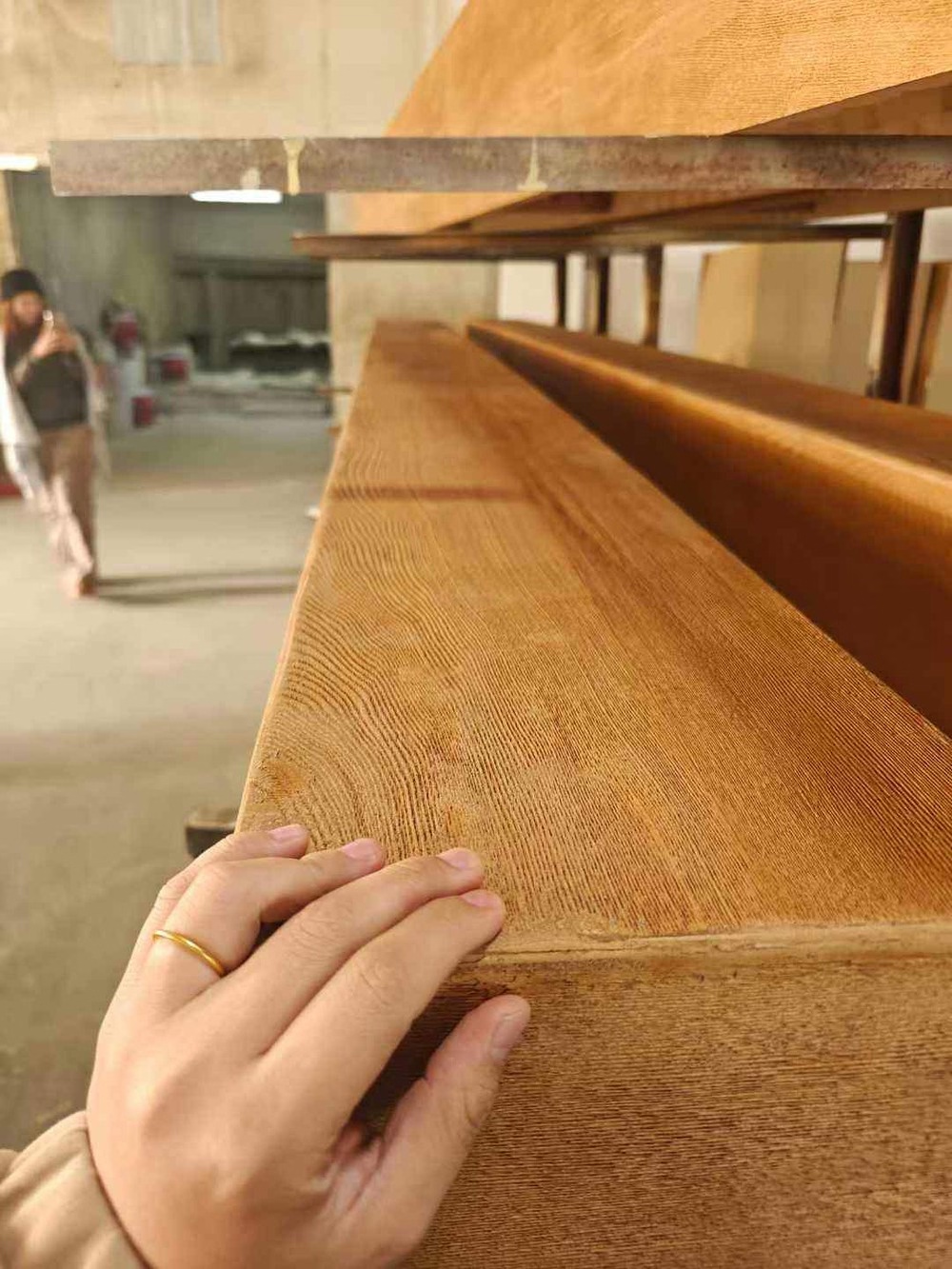
The most sophisticated achievement of modern hollow polyurethane beams involves their ability to replicate genuine timber appearance convincingly. Advanced molding techniques capture every detail from authentic wood samples, including grain patterns that follow natural wood growth, knot formations that vary realistically across beam lengths, and surface textures that communicate the history and character of aged timber. Close inspection might reveal subtle differences from natural wood, but normal viewing conditions produce virtually indistinguishable results.
Finish quality determines much of the authentic appearance that distinguishes premium hollow beams from budget alternatives. Factory-applied finishes using industrial coating systems bond permanently to polyurethane substrates, creating surfaces that resist the wear patterns that quickly betray inferior products. Color depth and consistency across beam lengths, properly replicated grain detail without artificial repetition, and appropriately weathered or refined textures all contribute to convincing appearance that satisfies demanding design professionals.
Proportional scaling allows hollow beam installations to achieve desired visual impacts across different room sizes and ceiling heights. Large rooms with substantial ceiling heights accommodate wide, deep beams that create dramatic presence without overwhelming the space. Smaller rooms with limited ceiling heights benefit from proportionally scaled beams that add architectural interest without compressing perceived space. The ability to specify custom dimensions enables appropriate scaling for any project context.
Long-Term Value and Durability Considerations
Quality hollow polyurethane beams provide exceptional long-term value through their combination of initial affordability and minimal maintenance requirements. Unlike natural timber that demands periodic refinishing, sealing, or repair throughout its service life, properly finished hollow beams maintain their original appearance with routine cleaning. This maintenance advantage continues throughout the product's extended service life, which quality manufacturers back with substantial warranty coverage.
Moisture resistance represents a particularly valuable durability characteristic in many applications. Bathrooms, kitchens, swimming pool enclosures, and other high-humidity environments challenge natural wood with moisture exposure that promotes swelling, warping, mold growth, and eventual structural failure. Polyurethane's resistance to moisture absorption eliminates these concerns, making hollow beams suitable for applications where solid timber would require expensive sealing treatments or specialized wood species.
UV stability ensures that hollow beam installations maintain their appearance despite prolonged sun exposure. Quality polyurethane formulations incorporate UV absorbers and stabilizers that prevent the photochemical degradation responsible for yellowing, chalking, and surface erosion in lesser materials. This stability proves essential for sun-exposed applications like vaulted ceilings under skylights, covered outdoor structures, or any installation receiving substantial natural daylight.
Hollow structure lightweight polyurethane faux beams represent a mature product category that delivers proven performance across demanding applications. Their combination of aesthetic quality, practical advantages, and lasting value has established them as preferred choices for professionals and property owners seeking ceiling transformation without compromise.
Technical References
ASTM standards cited in every specification
Test Data
Lab results from internal testing program
Updated 2026
Reviewed against current product specs