
The modern homeowner faces demands on personal time that previous generations never experienced. Career responsibilities, family obligations, and community involvements compete for hours that once might have been devoted to home maintenance activities. This shift in available time has transformed how property owners evaluate home improvement products, with maintenance requirements increasingly influencing purchasing decisions alongside traditional considerations like appearance and initial cost.
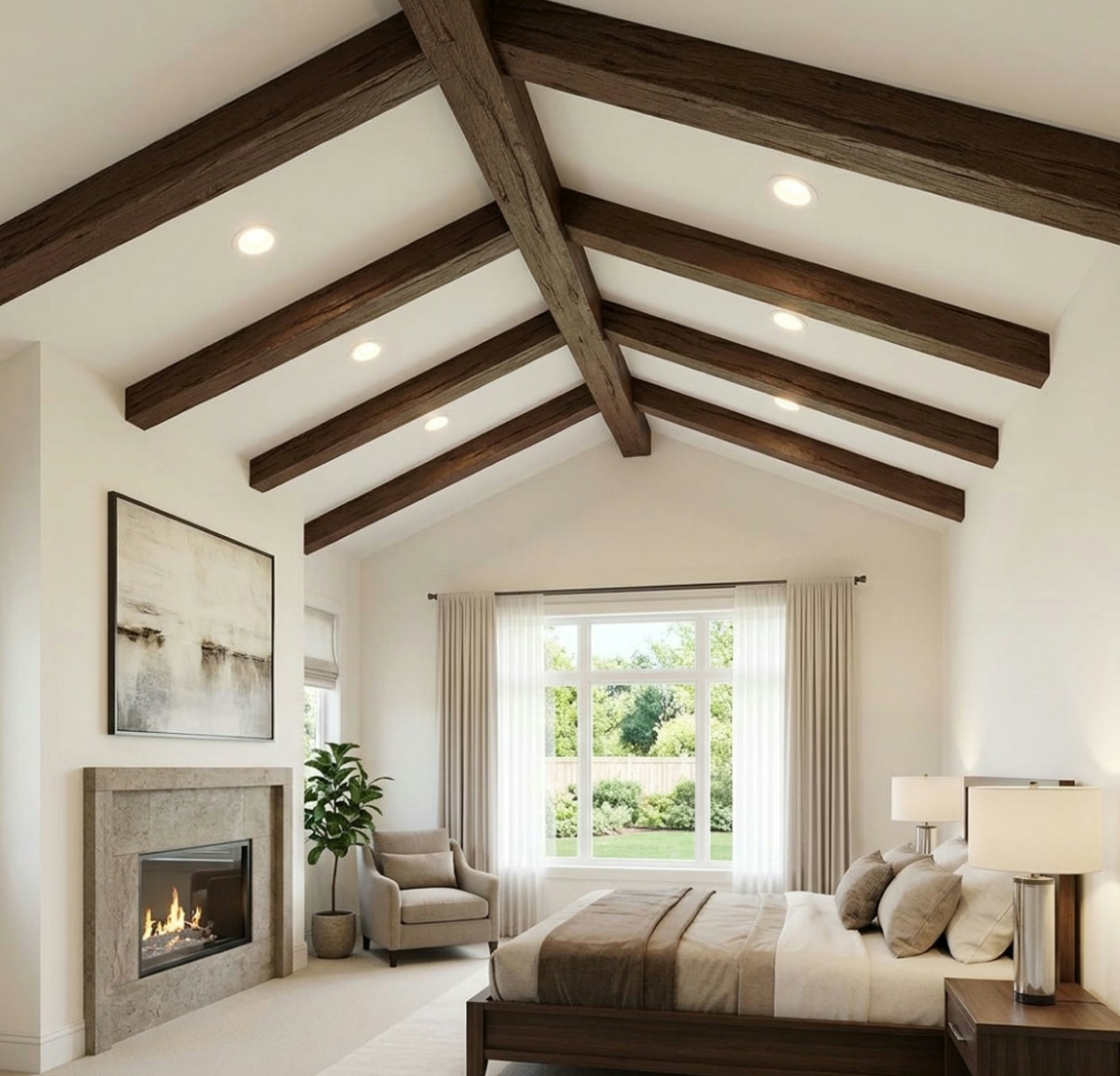
Decorative ceiling beams have benefited substantially from this evolution in homeowner priorities. Traditional timber beams, while visually appealing, demand ongoing attention that many contemporary households cannot provide reliably. Periodic refinishing, moisture monitoring, pest inspection, and structural assessment all compete for attention that busy families might prefer directing elsewhere. Faux wood beams constructed from quality polyurethane eliminate most of these maintenance obligations, delivering lasting beauty with minimal care requirements.
The market response to low-maintenance faux wood beams confirms the strength of homeowner preferences for practical convenience. Sales growth in this product category has consistently outpaced overall home improvement market expansion, indicating that maintenance awareness is actively driving purchasing decisions rather than merely influencing them passively. This growth pattern suggests that maintenance considerations will continue influencing product development and marketing strategies for the foreseeable future.
Understanding Maintenance Burden Comparisons

Direct comparison between maintenance requirements for genuine timber and quality faux wood illustrates the practical advantages polyurethane products provide. Natural wood exposed to interior conditions typically requires inspection for moisture damage at least annually, with any identified concerns receiving attention before they escalate. The inspection process involves checking multiple beam surfaces, probing suspect areas for softness, and assessing fastener conditions throughout. Quality faux wood products require no such inspection since moisture damage cannot occur in materials that don't absorb water.
Refinishing cycles for natural timber represent substantial time investments that faux wood alternatives eliminate entirely. Even well-maintained timber beams typically require refinishing every five to seven years to maintain attractive appearances and protective coatings. The refinishing process involves surface preparation, primer application, finish coating, and adequate cure time—typically spanning multiple weekends of concentrated effort for comprehensive coverage. Faux wood beams with factory-applied finishes maintain original appearances indefinitely without any refinishing intervention.
Pest concerns affect natural timber beams in ways that polyurethane alternatives completely avoid. Termites, carpenter ants, and other wood-boring insects can damage structural timber beams severely before infestations become apparent through visible signs. Professional inspection services help identify developing problems, but the inspection cost and the anxiety of potential discoveries create ongoing burdens for timber beam owners. Polyurethane provides no food source or shelter for these pests, eliminating the concern entirely.
Practical Cleaning Approaches for Faux Wood Beams
Routine cleaning of quality faux wood beams typically requires nothing more than periodic dusting to maintain attractive appearances. The smooth, non-porous surfaces that factory finishes create resist dust accumulation compared to natural wood, where grain patterns and surface irregularities trap particles that become visible over time. A long-handled dusting tool or soft brush attachment on a vacuum cleaner handles most routine cleaning requirements effectively.
Deeper cleaning for accumulated grime or environmental pollutants uses mild cleaning solutions applied with soft cloths or sponges. Warm water with small amounts of dishwashing liquid provides adequate cleaning power for most situations without risking damage to factory finishes. After cleaning, rinse residues with clean water and allow surfaces to air dry completely. Avoid harsh chemicals, abrasive scrubbers, or high-pressure cleaning equipment that might damage protective coatings.
Spot cleaning addresses specific incidents like cooking grease splatter in kitchen applications, water spots near plumbing fixtures, or scuff marks from furniture moving. Most spots respond well to gentle cleaning solution application followed by careful wiping. Testing cleaning approaches on inconspicuous areas before applying to visible surfaces prevents unexpected damage or discoloration that might prove difficult to remedy.

Long-Term Durability and Appearance Retention
Quality polyurethane faux wood beams maintain original appearances for extended periods under normal residential conditions. Factory-applied finishes formulated for long-term performance resist the yellowing, chalking, and surface degradation that affect lesser materials when exposed to UV radiation through windows or skylights. This UV stability ensures that sun-exposed installations retain their original colors and finishes throughout years of service.
Impact resistance protects against the accidental damage that can mar visible surfaces during routine household activities. Quality polyurethane formulations absorb moderate impacts without denting, cracking, or chipping that would require repair attention. This resilience proves particularly valuable in households with children, pets, or frequent furniture rearrangement where accidental ceiling contact might occur.
Color consistency throughout beam sections prevents the visible wear patterns that sometimes affect natural wood where lighter inner layers become exposed through surface wear. Polyurethane beams have consistent color throughout their cross-sections, so any theoretical surface damage would reveal the same color rather than contrasting lighter material. This consistency provides visual reassurance even if minor surface scratches eventually accumulate.
Investment Value and Lifetime Cost Considerations
Evaluating faux wood beam investments requires considering lifetime costs rather than initial purchase prices alone. Natural timber beams involve ongoing maintenance expenses that accumulate substantially over their service lives. Professional refinishing services, periodic pest inspections, and any repairs for moisture damage or structural concerns all contribute to lifetime costs that initial lower prices might not reflect accurately.
Quality faux wood beams typically carry warranties extending ten years or more, reflecting manufacturer confidence in long-term performance. This warranty coverage protects initial investments against premature failure while providing peace of mind that purchasers appreciate when making substantial home improvement decisions. Comparing warranty terms across competing products helps identify quality differences that might not be apparent from physical inspection alone.
Resale value considerations also favor low-maintenance faux wood beams in many market contexts. Homebuyers increasingly aware of maintenance requirements appreciate ceiling treatments that won't demand immediate attention after purchase. Properties featuring attractive, well-maintained faux wood beams may command premium prices compared to equivalent properties with demanding timber alternatives or unappealing exposed ceiling structures.
Professional Maintenance Support When Needed
Although routine maintenance for quality faux wood beams remains minimal, professional support services exist for situations requiring specialized attention. Commercial cleaning services familiar with faux wood products can address heavy soiling that routine cleaning cannot manage effectively. These services use appropriate cleaning solutions and techniques that maintain finish quality while restoring attractive appearances.
Repair services for damaged faux wood beams prove simpler than timber repair in most cases. Minor damage often responds to field repair using polyurethane-compatible fillers and touch-up finishes available from manufacturers or specialty suppliers. More significant damage might require replacement of individual beam sections rather than comprehensive replacement, minimizing repair costs while maintaining original installation quality.
The availability of professional support services, combined with the minimal routine maintenance requirements that quality faux wood beams demand, creates practical convenience that busy homeowners increasingly value. This combination of beauty and practicality has established low-maintenance faux wood beams as preferred choices for property owners seeking attractive, manageable home improvements.
Homeowners discovering the practical advantages of low-maintenance faux wood ceiling beams consistently report high satisfaction with their choices. The combination of aesthetic quality, installation simplicity, and minimal ongoing care requirements addresses priorities that busy modern households increasingly prioritize when making home improvement decisions.
Technical References
ASTM standards cited in every specification
Test Data
Lab results from internal testing program
Updated 2026
Reviewed against current product specs


