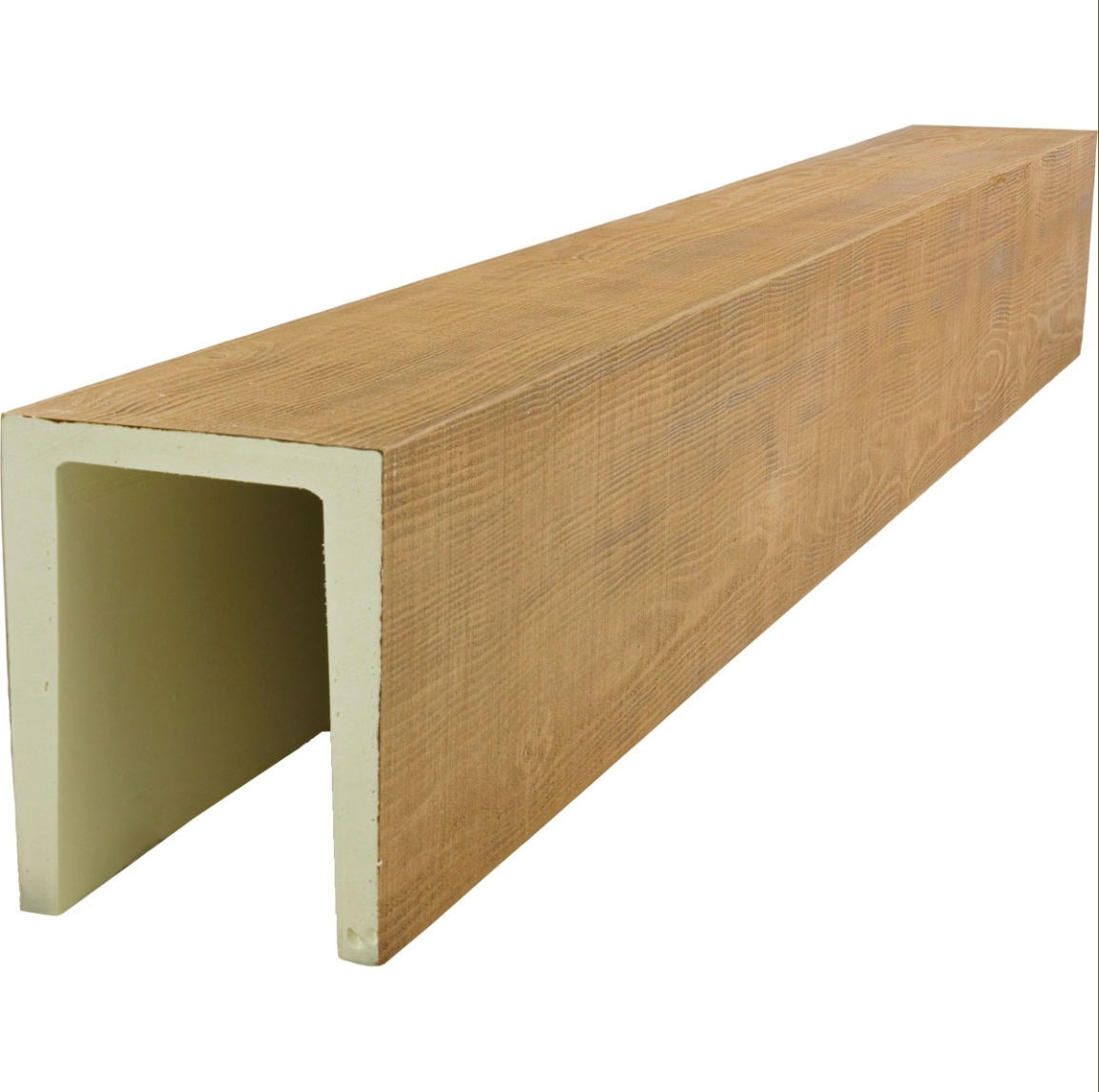
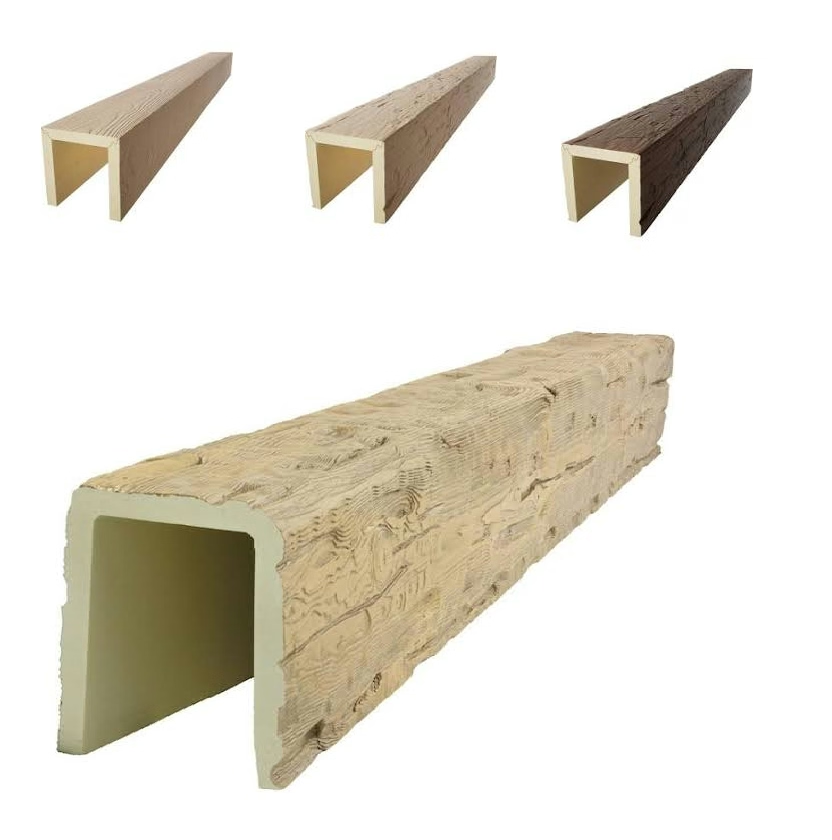
Property owners evaluating ceiling beam options deserve comprehensive cost information that enables genuinely informed purchasing decisions. Marketing materials from both faux wood and solid timber suppliers inevitably emphasize their respective advantages while minimizing drawbacks, creating confusion that makes objective comparison challenging. This analysis takes a different approach by presenting honest assessment of costs across all relevant categories, allowing readers to weigh factors according to their specific circumstances and priorities.
The most meaningful cost comparisons consider lifetime expenses rather than focusing narrowly on initial purchase prices. Products requiring substantial ongoing maintenance investment may appear economical initially while proving expensive over extended service periods. Conversely, premium-priced items with minimal maintenance requirements might deliver better overall value despite higher upfront costs. Understanding these dynamics helps property owners avoid decisions that seem attractive initially while creating long-term burdens.
Initial Material Cost Analysis
Solid timber beam costs vary substantially based on wood species, quality grades, dimensions, and market conditions affecting supply. Common construction-grade timbers like Douglas fir or Southern yellow pine might cost eighty to one hundred fifty dollars per linear foot for standard sizes, while premium hardwoods like oak, walnut, or cherry command significantly higher prices. Reclaimed timber with character and patina often reaches two hundred to five hundred dollars per linear foot depending on rarity and condition.
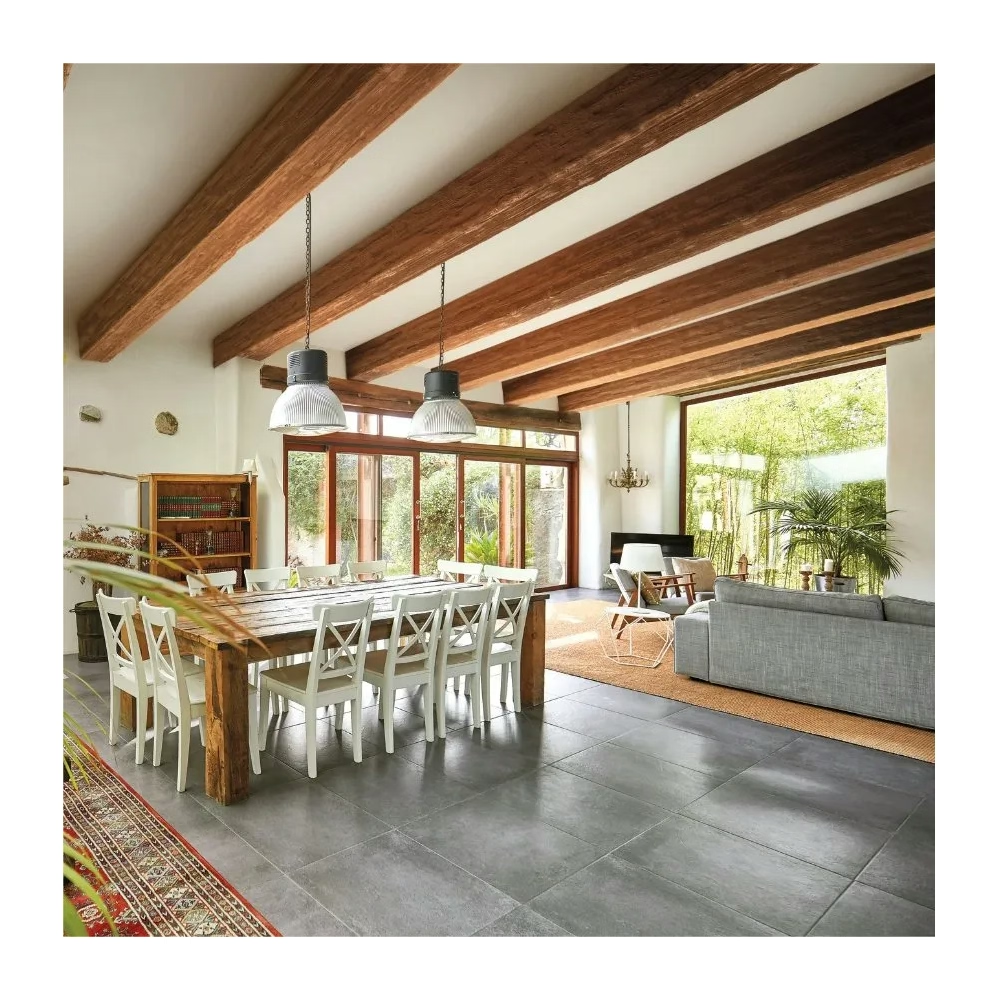
Faux wood polyurethane beams typically range from thirty to one hundred twenty dollars per linear foot depending on dimensions, finish quality, and manufacturer positioning. This pricing places quality faux products in direct competition with mid-range solid timber options while remaining well below premium hardwood and reclaimed timber pricing. For property owners seeking authentic timber aesthetics without premium pricing, faux wood products deliver appearance quality that casual observers cannot distinguish from natural alternatives.
Material cost comparisons must account for dimensional standardization that benefits faux products. Solid timber pricing often involves length limitations from available lumber, potentially requiring scarf joints or custom milling for projects requiring longer spans. Faux products can be manufactured to exact specifications, eliminating waste from length overruns while ensuring consistent quality throughout each piece.
Installation Expense Comparison

Installation costs for solid timber beams often exceed initial material expenses substantially, particularly for ceiling applications where handling difficulties and mounting complexity compound labor requirements. Professional contractors might charge five hundred to over one thousand dollars per beam for ceiling installation, with total project costs reaching thousands for comprehensive ceiling treatments. The heavy weight of solid timber necessitates multiple workers, specialized lifting equipment for large pieces, and extended installation timelines.
Faux wood beam installation typically requires a fraction of solid timber labor costs. The lightweight nature of hollow polyurethane construction allows single-worker handling for most residential beam sizes, with installation times measured in hours rather than days. Professional contractors might charge one hundred to three hundred dollars per beam for faux beam installation, with some projects completing in single-day timeframes that solid timber installations would require multiple visits to accomplish.
DIY installation economics strongly favor faux wood products for capable property owners. The straightforward mounting requirements—screws, adhesive, basic tools—don't demand specialized skills that would require contractor involvement. This self-installation option eliminates labor costs entirely, transforming what would be substantial contractor expenses into manageable material investments. Even property owners hiring occasional contractors for specific tasks might find faux beam installation simple enough for their own capabilities.
Maintenance Cost Considerations Over Time
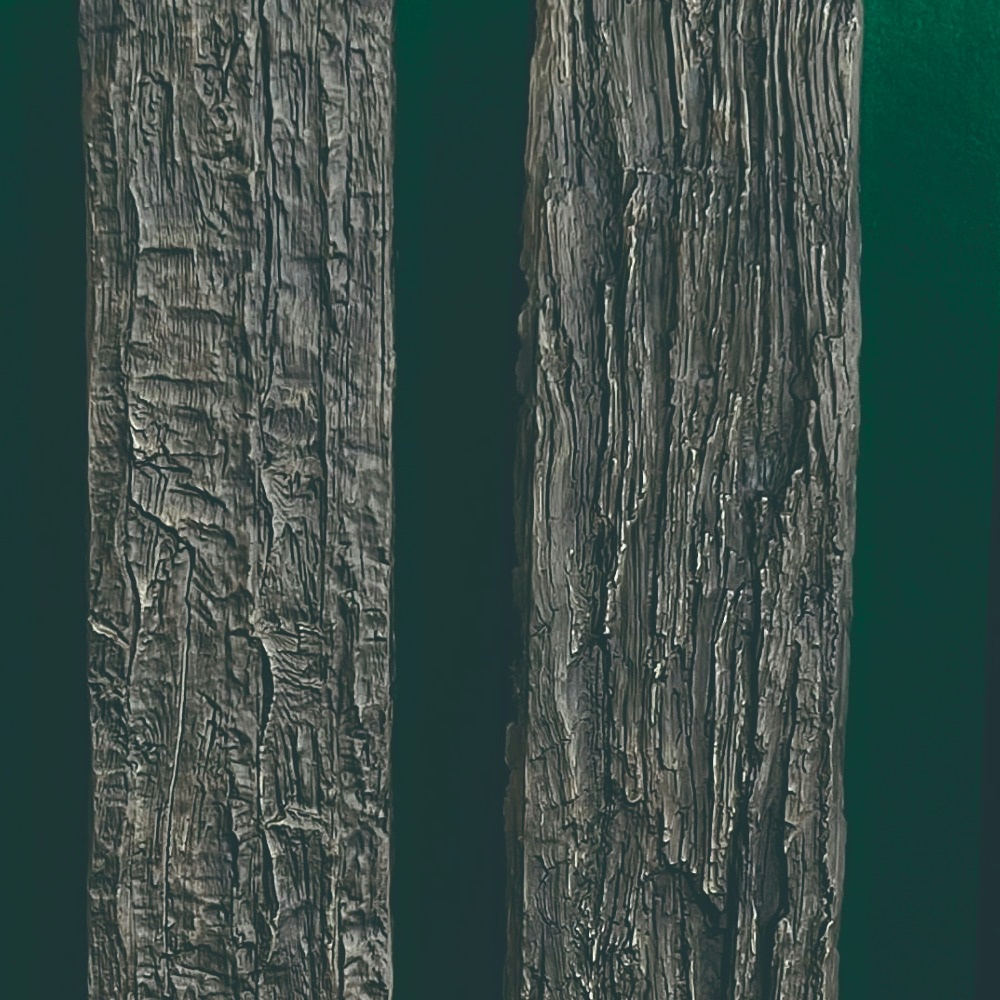
Natural timber demands ongoing maintenance investments that compound substantially over extended service periods. Professional refinishing every five to seven years typically costs five hundred to over two thousand dollars depending on beam quantity and accessibility. Between refinishing cycles, periodic inspections for moisture damage, pest activity, and structural concerns may warrant professional assessment even when no problems are apparent.
Faux wood polyurethane beams with quality factory finishes require no refinishing under normal conditions. The UV-stable coatings resist the degradation patterns that necessitate timber maintenance, maintaining original appearances throughout extended service periods. Occasional cleaning with mild detergents addresses dust accumulation and environmental pollutants, requiring only routine household attention rather than professional services.
Long-term durability differences affect replacement timing and associated costs. Quality faux wood products typically carry warranties extending ten to twenty years, with service lives often exceeding warranty periods substantially. Natural timber beams in challenging environments—high humidity, temperature fluctuation, UV exposure—may require replacement after fifteen to twenty-five years, particularly if maintenance schedules were not followed consistently.
Hidden Costs and Risk Factors
Solid timber installation carries structural risk that faux products avoid entirely. The substantial weight of solid timber places stress on ceiling structures that may not have been designed for such loads. Older homes with aging ceiling joists face particular risk, potentially requiring structural reinforcement before solid timber installation that adds thousands to project costs. Faux products' minimal weight creates no such concerns, avoiding this potential hidden expense entirely.
Moisture-related damage represents another risk category affecting solid timber more severely than faux alternatives. Water leaks, sustained humidity exposure, or condensation events can damage timber beams severely, potentially requiring emergency repairs or replacement. The cost of addressing water-damaged timber—including identifying and resolving moisture sources, repairing or replacing damaged beams, and addressing any secondary damage to surrounding structures—can exceed initial material and installation costs substantially.
Pest damage risk affects timber properties in ways that faux products don't share. Termite or carpenter ant infestations may cause structural damage before detection, with remediation costs potentially reaching thousands depending on infestation extent. Regular pest inspections, preventive treatments, and any remediation work represent ongoing expenses that timber beam owners bear throughout ownership.
Total Cost of Ownership Analysis
Aggregating all cost categories across typical ownership periods reveals substantial lifetime advantages for quality faux wood products in most applications. A representative twenty-year ownership scenario comparing solid timber versus quality faux might show total costs ranging from two to four times higher for timber products when all material, installation, maintenance, and replacement costs accumulate. This differential persists across various price tiers, with even budget timber options typically exceeding lifetime costs of mid-range faux products.
Value perception varies based on individual circumstances and priorities. Property owners placing premium value on authentic materials, willing to accept maintenance requirements, and planning extended ownership might reasonably prefer timber despite higher lifetime costs. Similarly, those seeking specific aesthetic qualities available only from natural wood might find the cost premium justified for their particular situations. The analysis provides information for informed decision-making rather than prescribing universal conclusions.
Investment recovery at property sale also merits consideration in total cost calculations. While both timber and faux options potentially add value to properties, the maintenance-free nature of quality faux products may appeal to prospective buyers increasingly aware of renovation costs. Homes featuring attractive, well-maintained faux beams may command pricing advantages in competitive markets where move-in ready condition commands premium valuations.
Honest cost comparison between faux wood and solid timber beams reveals meaningful advantages for quality faux products across most practical considerations. Property owners seeking maximum value, minimal maintenance, and practical installation convenience will find faux options compelling when appearance quality matches natural alternatives. Individual priorities and circumstances should guide final decisions, informed by the comprehensive cost information this analysis provides.
Technical References
ASTM standards cited in every specification
Test Data
Lab results from internal testing program
Updated 2026
Reviewed against current product specs