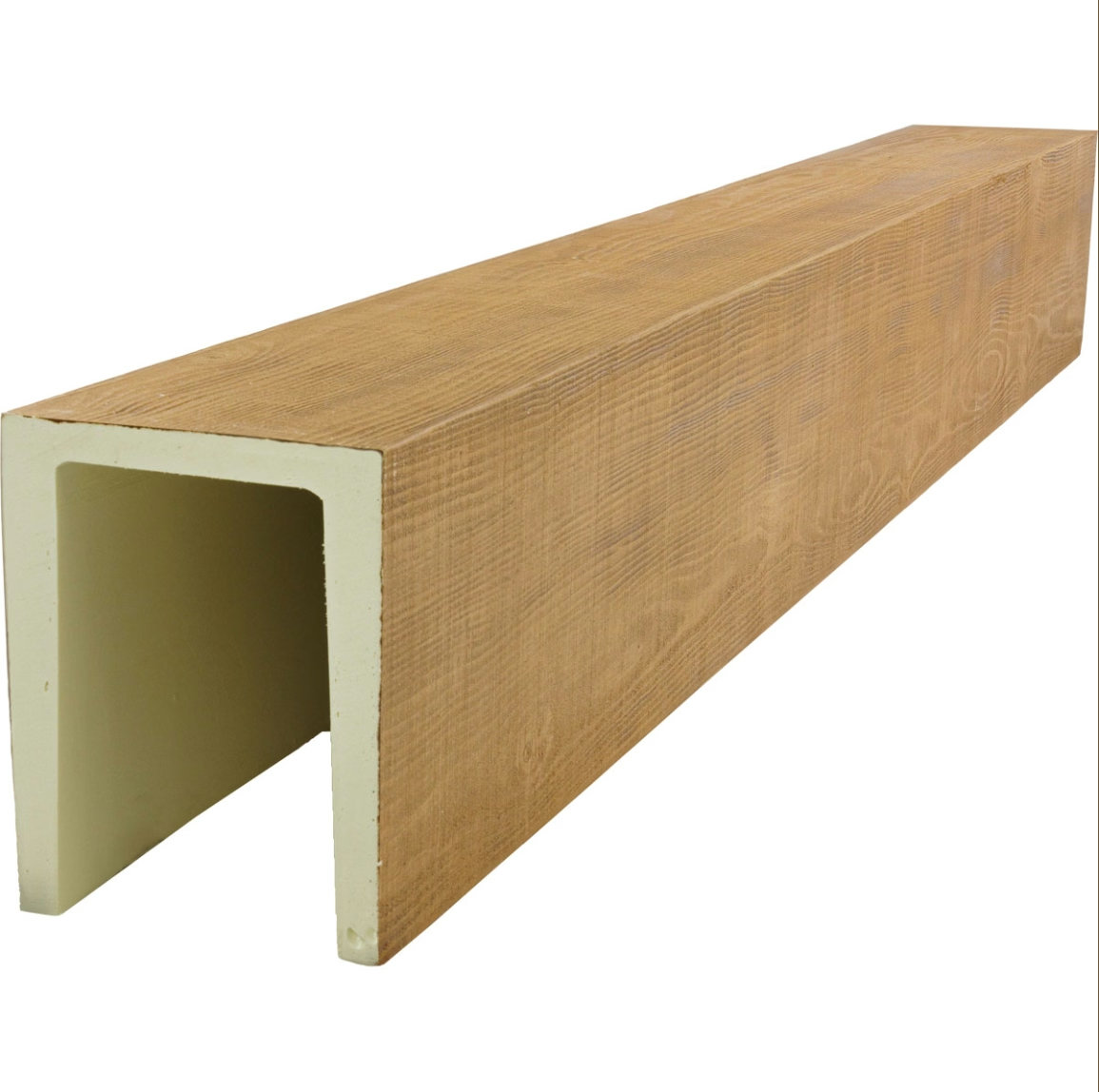
Interior spaces with persistent moisture present unique design challenges that test the limits of conventional building materials. When clients request the warmth and character of wood grain ceilings in swimming pool areas, indoor spa environments, or spaces adjacent to water features, traditional timber immediately reveals its vulnerabilities. The organic composition of natural wood makes it inherently unsuitable for prolonged exposure to high humidity environments, regardless of species selection or treatment approaches. This is where polyurethane faux beams demonstrate their remarkable practical value.
Polyurethane's molecular structure bears no resemblance to wood fiber, and that difference proves transformative in moist indoor applications. The synthetic polymer chains that comprise polyurethane foam create an inhospitable environment for the biological processes that cause wood to rot, warp, and deteriorate. Moisture passes across the polyurethane surface without penetrating or accumulating, effectively making these beams impervious to the humidity levels that would destroy authentic timber within months.
Understanding Moisture Behavior in Interior Spaces
Indoor humidity behaves differently than exterior weather exposure, but the cumulative effect on building materials can be equally demanding. Spaces like indoor swimming pools maintain humidity levels frequently exceeding 60% relative humidity, with localized concentrations near water surfaces and splash zones reaching saturation. These conditions create constant moisture stress on ceiling materials that manifests differently than exterior weathering but produces equally serious deterioration over time.
The hygroscopic nature of wood means it acts as a humidity sponge, absorbing moisture from humid air and releasing it when conditions dry. This constant exchange creates dimensional instability that leads to checking, splitting, and eventual structural failure. Beyond the physical changes, elevated humidity promotes biological growth including mold, mildew, and the bacterial activity that accelerates decomposition. Polyurethane beams experience none of these deterioration mechanisms regardless of exposure duration or humidity intensity.
Condensation represents another moisture challenge unique to interior applications. When warm humid air contacts cooler surfaces, water vapor condenses into liquid water that can pool on horizontal surfaces and drip onto lower levels. In pool halls and spa areas, ceiling beams experience regular condensation exposure during peak usage periods when human activity generates additional moisture. Polyurethane's closed-cell structure prevents liquid water penetration while its smooth surfaces shed condensation efficiently.
Design Integration in Water-Adjacent Spaces
Swimming pool facilities benefit enormously from the aesthetic warmth that wood-appearing ceiling treatments provide. The contrast between the cool blue water below and warm wood tones overhead creates the inviting atmosphere that distinguishes premium aquatic centers from utilitarian alternatives. Polyurethane beams deliver this aesthetic without the maintenance burden that genuine wood would require in a chlorinated, humid environment.
The chemical resistance of quality polyurethane formulations adds another layer of suitability for pool applications. Chlorine and other pool chemicals, which would accelerate the deterioration of real wood through chemical attack on lignin and cellulose, have minimal effect on properly formulated polyurethane. This resistance maintains both structural integrity and visual appearance through years of chemical exposure that would discolor, bleach, or degrade natural timber.
Hot tub enclosures and steam shower rooms push moisture resistance to extreme limits. These spaces may experience humidity levels approaching 100% during active use, creating conditions that would cause untreated wood to swell dramatically and begin rotting within weeks. Polyurethane beams handle these extremes without measurable effect, maintaining their dimensional stability and surface appearance through thousands of operating hours in saturated air.
Thermal Performance Advantages
Beyond moisture resistance, polyurethane provides meaningful thermal insulation value that affects occupant comfort in humid spaces. The cellular structure of closed-cell polyurethane foam includes billions of tiny gas pockets that slow heat transfer significantly more than solid wood. This insulation benefit proves particularly valuable in pool areas where ceiling surfaces might otherwise develop condensation when interior air temperature drops below the dew point.
The thermal mass of polyurethane differs substantially from wood in ways that affect building performance. Real wood's density means it absorbs and releases heat slowly, buffering temperature swings but also creating surfaces that feel cold to the touch even when room air temperatures are comfortable. Polyurethane's lower density produces surfaces that reach thermal equilibrium with room air more quickly, contributing to more consistent perceived temperatures throughout the space.
Indoor water features, decorative fountains, and aquarium installations often incorporate overhead beam treatments that create visual interest and acoustic benefits. Polyurethane beams provide these benefits while standing up to the constant evaporation and humidity that water features generate. The material's sound absorption characteristics also contribute to acoustic comfort in spaces where water noise and reverberation might otherwise create challenging sonic environments.
Aesthetic Range and Customization Options
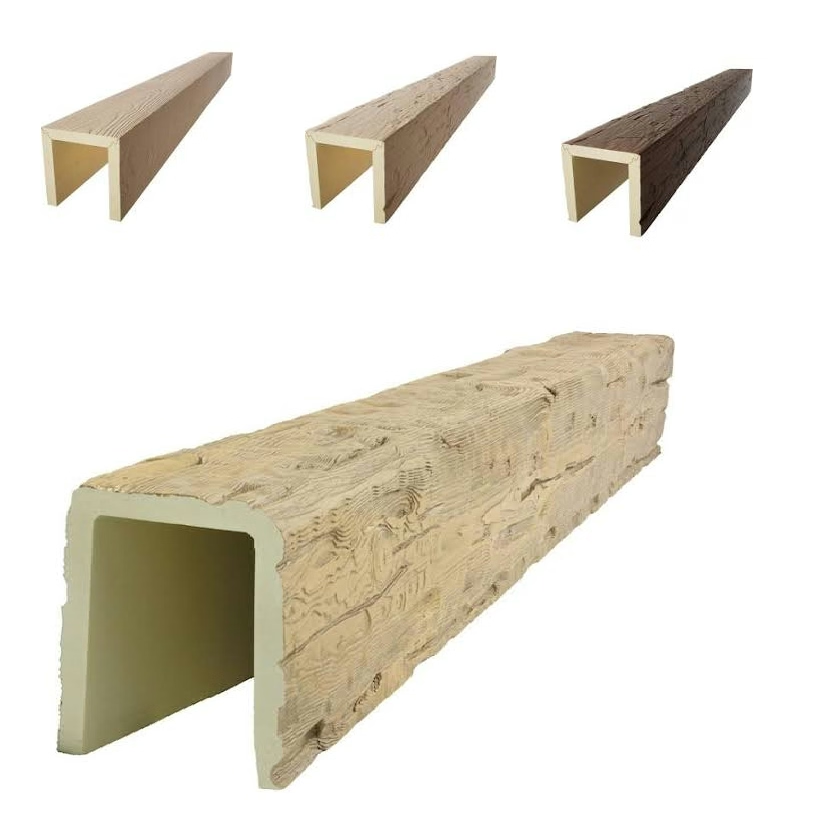
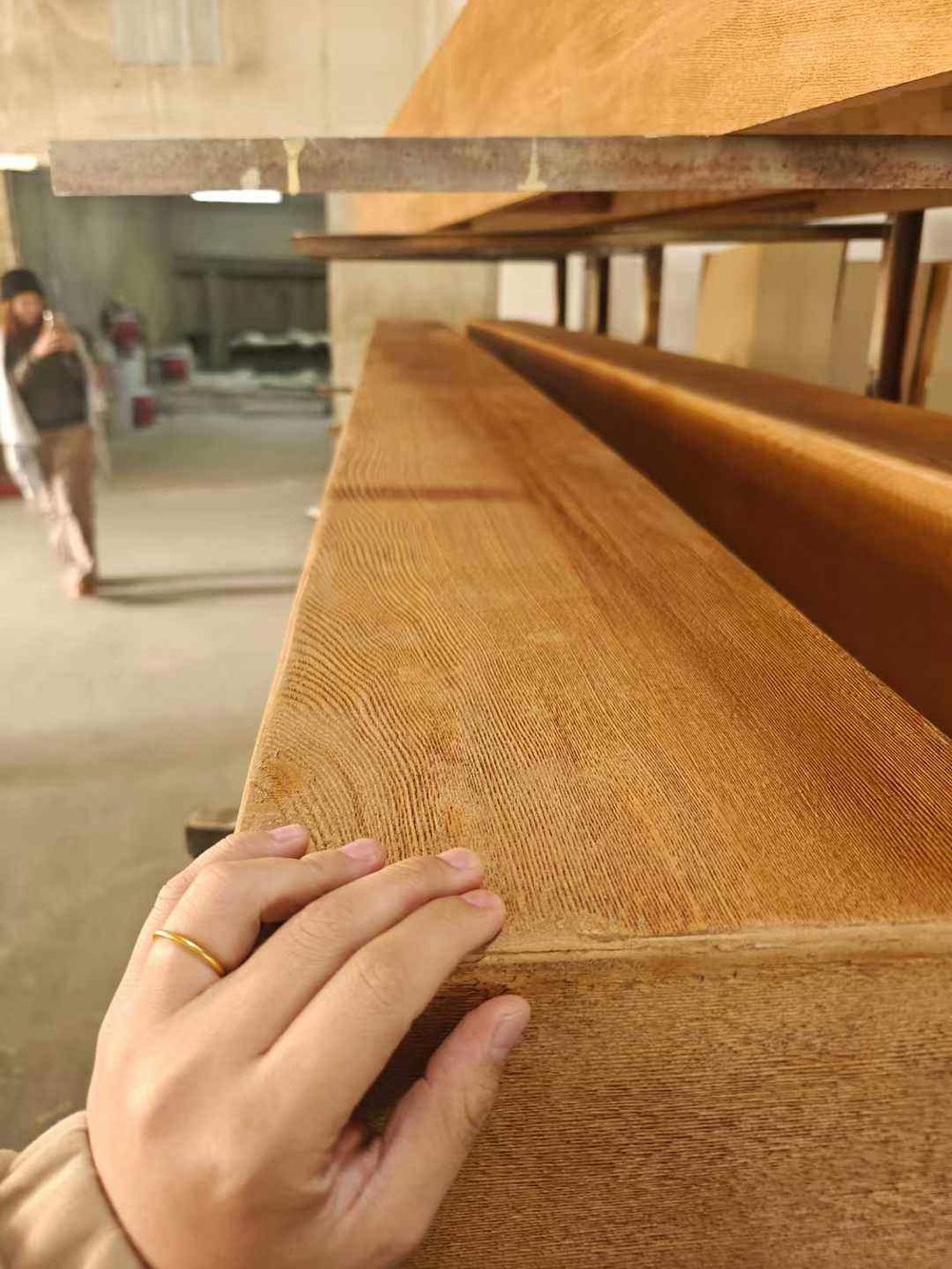
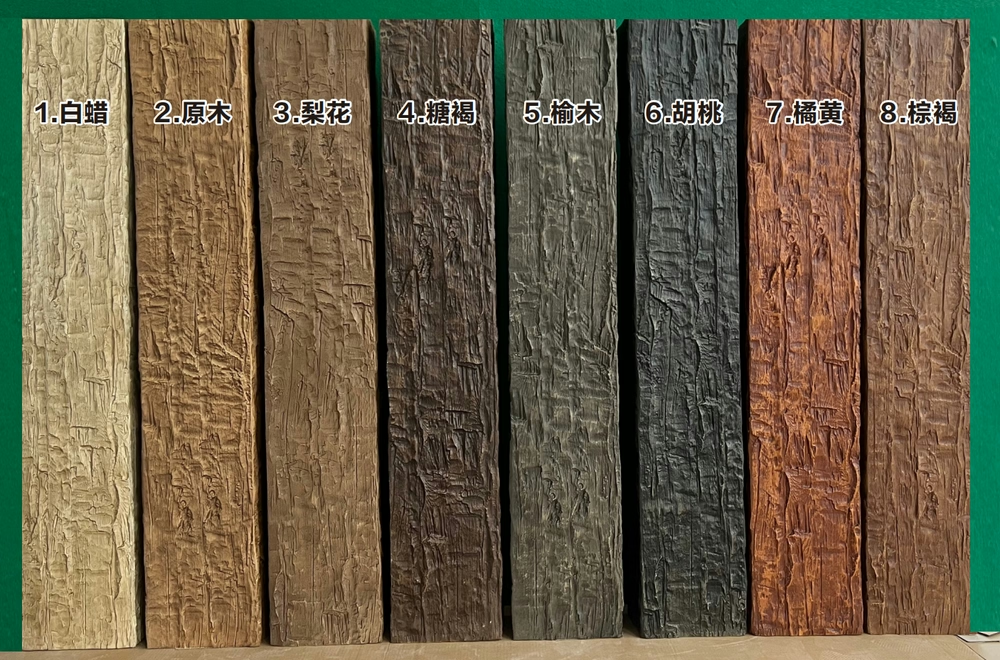
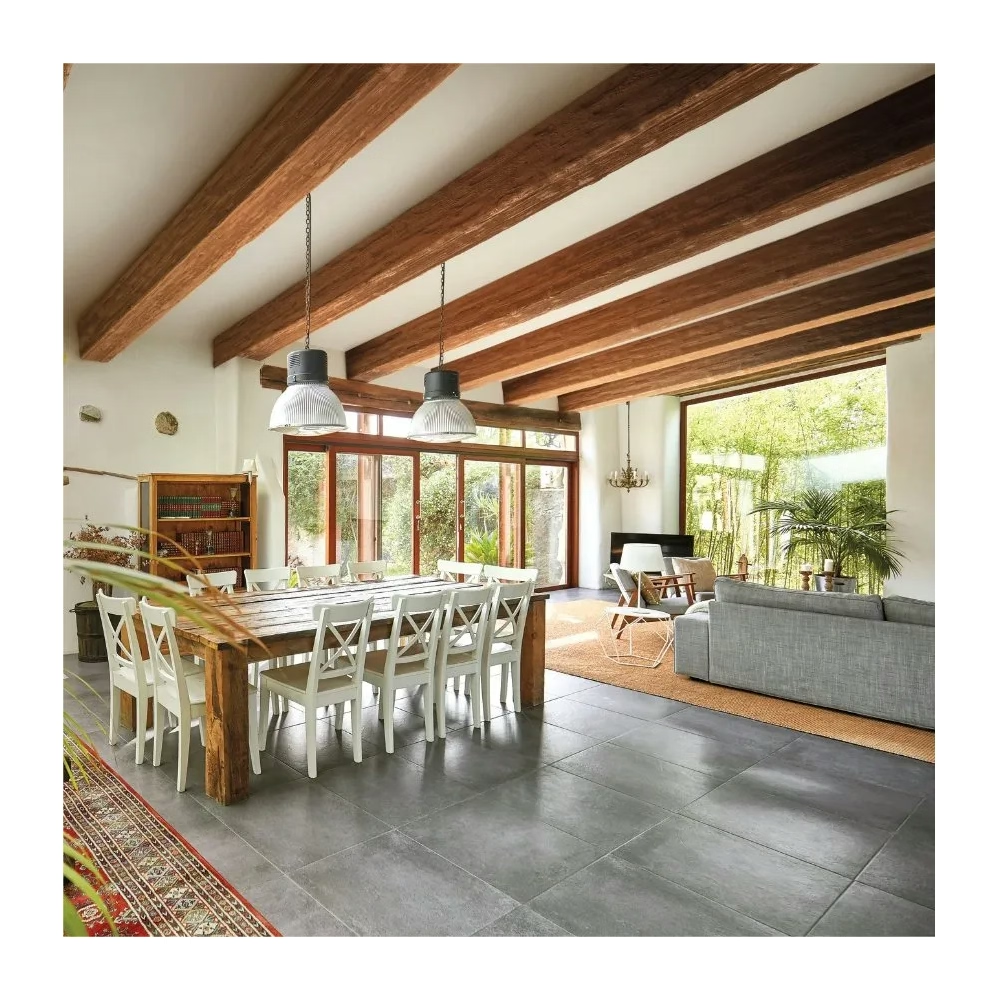
Modern manufacturing techniques enable polyurethane beams to replicate wood species ranging from pale birch to deep walnut, with grain patterns that capture the natural variation and character of authentic timber. Surface textures can simulate rough-sawn lumber, smooth planed boards, or weathered barn wood depending on the design intent. This flexibility ensures that humidity-resistant beams enhance rather than limit design creativity.
Custom profiles expand the possibilities further. Unlike wood that must be milled to specific shapes, polyurethane can be molded into complex cross-sections, decorative corbels, and integrated lighting channels that would require extensive custom carpentry to achieve in timber. This manufacturing capability opens design possibilities that would otherwise exceed project budgets or construction tolerances.
The finishing options for polyurethane beams include factory-applied colors that match popular wood species, neutral primers ready for custom painting, or pre-finished options in contemporary colors. This range accommodates projects requiring precise color matching to existing finishes while supporting the full spectrum of interior design styles from rustic to contemporary.
Practical Installation Considerations
Installing polyurethane beams in humid environments requires attention to fastening methods that accommodate the material's specific characteristics. Unlike wood that can be face-nailed through without concern, polyurethane benefits from concealed fastening systems that distribute loads across broader surfaces. This approach prevents the surface stress concentrations that might otherwise lead to cracking under load.
Adhesive installation provides excellent results in humid-space applications when properly executed. Construction adhesives formulated for polyurethane substrates create strong bonds that remain flexible over time, accommodating the minimal thermal movement that does occur. Surface preparation involves cleaning and轻度 sanding to ensure maximum adhesion, with adhesive applied in continuous beads along load-bearing surfaces.
Ventilation design deserves attention in high-humidity installations. While polyurethane beams won't absorb moisture, persistent high humidity creates uncomfortable conditions for occupants and may promote condensation on other building materials. Mechanical ventilation systems should maintain indoor humidity below 60% relative humidity to protect adjacent materials and ensure occupant comfort, even though the beams themselves would tolerate higher levels.
Lifecycle Performance and Value Analysis
The service life of quality polyurethane beams in humid applications typically exceeds thirty years with minimal maintenance intervention. This longevity compares favorably with real wood installations that may require replacement within five to ten years in severe humidity conditions, even with regular maintenance attention. The cost comparison increasingly favors polyurethane when lifecycle costs are properly calculated.
Maintenance routines for polyurethane beams in humid spaces involve simple cleaning with mild detergents to remove accumulated dust and any surface contaminants. The smooth surfaces resist biological growth, so mold and mildew concerns that affect real wood installations simply don't apply. Occasional inspection of fastening systems and joint sealants represents the extent of ongoing maintenance requirements.
For architects and designers working on water-related interior projects, polyurethane faux beams offer a practical path to achieving warm, inviting aesthetics without accepting the performance limitations of natural materials. The material's proven performance in the most demanding humidity conditions provides confidence for specification and peace of mind for building owners who want beautiful ceilings that perform as well as they look.
Technical References
ASTM standards cited in every specification
Test Data
Lab results from internal testing program
Updated 2026
Reviewed against current product specs