
Buildings in wet climates face environmental challenges that test conventional building materials constantly. Whether located along coastlines where salt-laden air carries moisture into every corner, in tropical regions where humidity remains elevated year-round, or in temperate zones where seasonal monsoon patterns create prolonged wet periods, structures in these locations require materials designed for demanding service. Ceiling beams represent a particularly challenging application because they combine structural requirements with aesthetic expectations while experiencing the warmest, most humid air within the building envelope.
Traditional timber has served as a ceiling beam material for millennia precisely because it was available, workable, and relatively stable under prehistoric conditions. Modern buildings, however, operate differently—mechanical systems create interior environments that differ from exterior conditions, while design expectations have escalated far beyond what traditional builders imagined. These changes have exposed wood's fundamental limitations in wet climates, where humidity-related deterioration proceeds continuously despite appearances to the contrary.
Warp-resistant faux timber beams manufactured from high-density polyurethane address these limitations definitively. The synthetic material's molecular structure provides dimensional stability that wood cannot match regardless of species selection, treatment approach, or installation quality. For architects and builders working in wet climates, this performance difference transforms what was previously a compromise into a clear solution.
Climate-Specific Performance Requirements
Tropical coastal climates present the most demanding conditions for ceiling materials. Sustained high humidity, often exceeding 80% relative humidity, combines with elevated temperatures that accelerate chemical and biological degradation processes. Salt particles carried on wind currents deposit on all surfaces, introducing corrosive elements that attack metal fasteners and provide nucleation sites for moisture accumulation. Under these conditions, wood begins deteriorating almost immediately upon installation.
The diurnal humidity pattern in tropical regions creates cyclic stress that accelerates wood degradation. Daytime heating drives moisture out of wood fibers, causing shrinkage and surface checking. Nighttime cooling allows humidity to condense on surfaces and reabsorb into the wood, causing swelling. This cycle repeats daily, with cumulative damage manifesting as warping, cupping, and eventually structural failure. Polyurethane faux timber experiences no dimensional change through these cycles, maintaining perfect appearance regardless of daily humidity swings.
Hurricane-prone coastal regions add wind load requirements and the possibility of storm surge flooding. While no ceiling material survives direct hurricane exposure intact, polyurethane's resistance to waterlogging provides important benefits. Genuine timber absorbs water during flooding events, becoming heavy, weak, and prone to subsequent warping as it dries. Polyurethane beams shed water immediately, maintaining their weight and structural properties even when submerged briefly.
Humidity Resistance Mechanisms
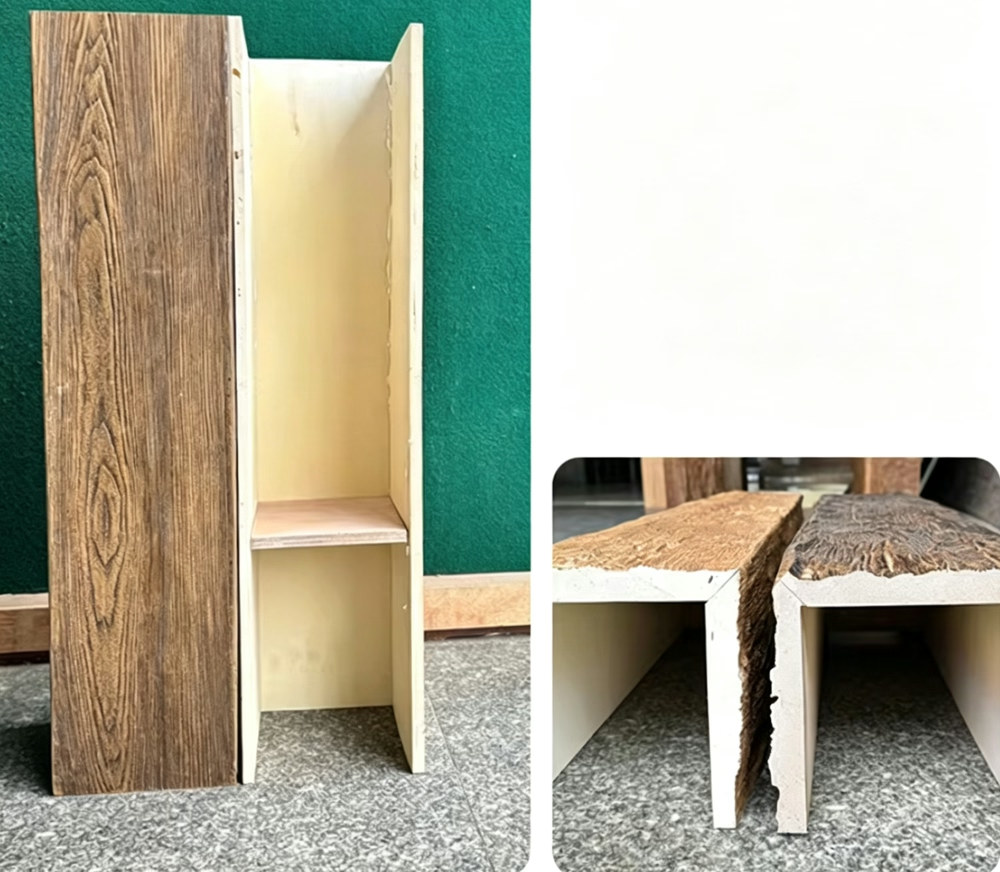
The closed-cell foam structure that defines quality polyurethane beams creates the fundamental barrier against humidity penetration. Individual cells within the foam matrix contain gas pockets isolated from one another by polymer walls. This architecture makes water molecules physically unable to traverse the material—they can only follow polymer surfaces around countless individual cells, a path that effectively never reaches the beam's interior.
Surface coatings provide additional protection against liquid water exposure. Quality polyurethane beams receive factory-applied finishes that seal any surface pores and create hydrophobic surfaces that actively repel water. These coatings maintain their protective properties through years of service, providing continuous protection without the reapplication requirements that characterize wood sealants.
Temperature stability complements humidity resistance. Polyurethane performs reliably across the temperature ranges that buildings experience, from unheated storage conditions in winter to sun-heated attic spaces in summer. This thermal stability prevents the condensation formation that occurs when warm humid air contacts cold surfaces, further protecting against moisture-related issues that affect other materials.
Design Applications in Wet Climates
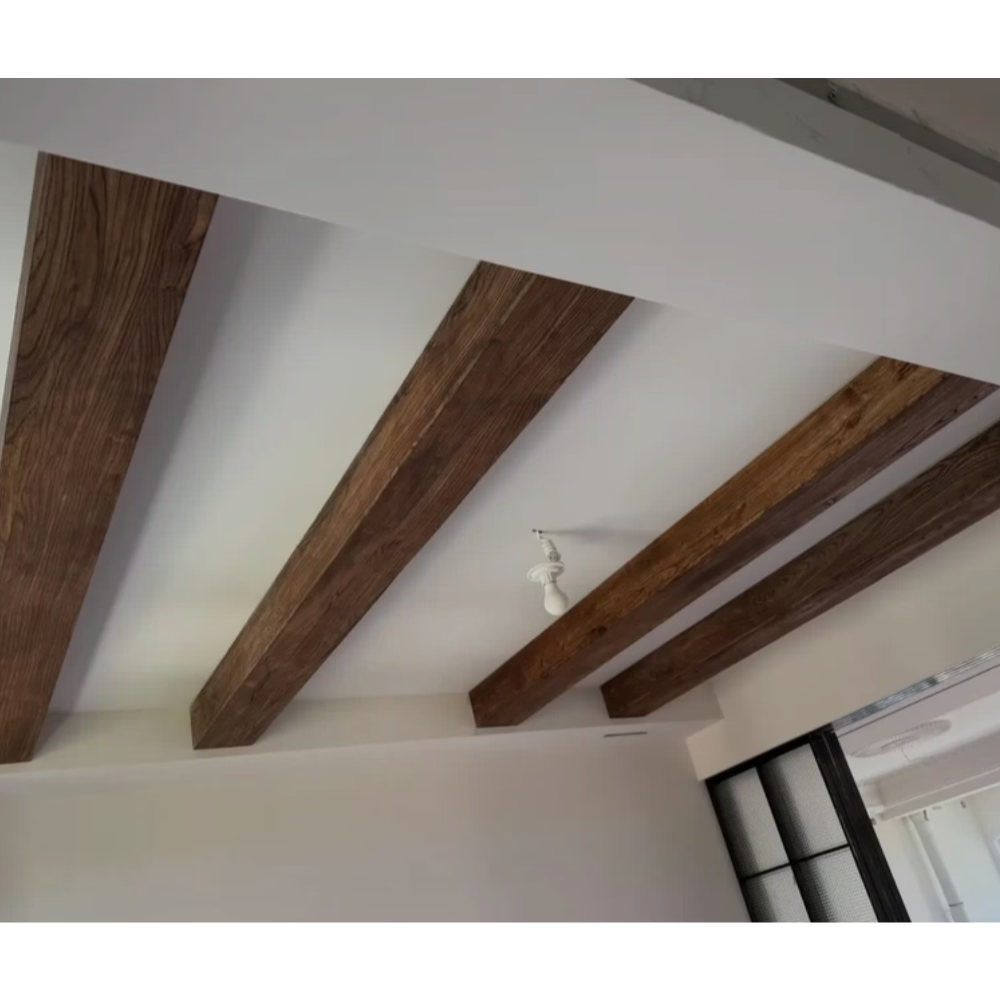
Beach houses and coastal residences benefit enormously from warp-resistant faux timber beams. The aesthetic contribution of timber ceiling treatments creates the warm, relaxed atmospheres that beach living demands while the performance characteristics match the demanding coastal environment. These beams allow architects and designers to specify wood aesthetics confidently without qualifying the specification with maintenance requirements or limited warranty provisions.
Indoor pool installations in tropical resorts represent another demanding application category. The combination of chlorinated water, elevated temperatures, and high humidity creates conditions that eliminate most wood alternatives. Polyurethane beams provide the architectural warmth that distinguishes premium resort facilities while withstanding the chemical and moisture exposure that would destroy genuine timber within months.
Greenhouse-adjacent living spaces in wet climates often incorporate exposed timber beam ceilings that extend the greenhouse aesthetic into adjacent rooms. This design approach blurs boundaries between indoor and outdoor spaces, creating fluid transitions that appeal to residents seeking connection with their garden environments. Polyurethane enables this design vision where genuine timber would deteriorate rapidly in the humidity that greenhouse operation requires.
Installation Systems for Coastal Environments
Corrosion-resistant fastening systems deserve priority in wet climate installations. Stainless steel hardware prevents the staining and structural concerns that standard zinc-plated fasteners would develop in humid coastal conditions. The minimal additional cost of stainless hardware provides insurance against premature failure and maintains the appearance of visible metal elements throughout the service life.
Ventilation gaps behind installed beams prevent moisture accumulation against building surfaces. While polyurethane beams themselves cannot absorb moisture, the surrounding structure certainly can. Providing air circulation channels behind beams allows any trapped moisture to evaporate rather than accumulating to levels that might damage adjacent materials. This practice costs nothing during installation but provides meaningful protection for the building structure.
Support structure preparation ensures lasting performance. The mounting points for beam hangers should be solid, dry, and properly sized for the loads involved. In coastal construction, pressure-treated lumber often forms the structural framing, and the chemicals used in treatment may affect adhesive performance. Quality installers verify compatibility between mounting adhesives and any pressure-treated wood before proceeding with installation.
Maintenance in Demanding Conditions
Maintenance requirements for warp-resistant beams in wet climates focus on the surrounding building envelope rather than the beams themselves. Regular inspection of roof surfaces, flashing details, and wall penetrations prevents water intrusion that might affect the building structure even though it won't damage the beams. These inspections should occur annually at minimum and after any significant storm events.
Cleaning recommendations address salt accumulation that occurs in coastal environments. While polyurethane resists salt penetration, airborne salt particles can deposit on surfaces and create visible white residue over time. Periodic washing with fresh water removes these deposits and maintains the beams' appearance. The frequency of cleaning depends on proximity to the coast, with more frequent cleaning required for structures within a quarter mile of breaking surf.
Finish maintenance for polyurethane beams involves simple cleaning rather than the refinishing that genuine timber requires. The factory-applied coatings resist UV degradation and maintain their appearance for years without intervention. If the finish eventually shows wear, simple recoating restores appearance without the extensive preparation that wood refinishing demands.
Long-Term Value in Harsh Climates
The cost of building material failure in wet climates extends beyond replacement expenses. Failed beams create safety hazards, allow pest intrusion, and compromise the building envelope's integrity. Moisture from failed wood beams can damage ceiling finishes, insulation, and structural elements, creating repair costs that dwarf the original beam expense. Warp-resistant faux timber eliminates these failure modes entirely, providing reliability that protects the entire building investment.
Insurance considerations increasingly favor synthetic materials in high-humidity environments. Insurers recognize that genuine timber in wet climates presents elevated failure risk, and some policies reflect this recognition in coverage terms or premium adjustments. The documentation of polyurethane's performance advantages may provide benefits beyond the direct cost savings from eliminated maintenance.
Architects working in wet climates appreciate the warranty coverage that quality polyurethane manufacturers provide. These warranties, typically spanning ten to twenty-five years, provide client protection that genuine timber cannot match. The confidence that accompanies comprehensive warranty coverage supports confident specification and satisfied building owners who receive exactly what the design intended.
Building for the Long Term
Wet climate construction demands materials selected for their performance under demanding conditions rather than their initial cost or traditional appeal. Warp-resistant faux timber beams represent the current state of the art in synthetic building materials, combining proven manufacturing processes with performance characteristics specifically matched to wet climate requirements.
The design community's increasing acceptance of polyurethane beams reflects accumulated experience demonstrating reliable long-term performance. What was once viewed skeptically as an imitation material has become recognized as a genuine solution with distinct advantages over the natural material it resembles. For wet climate applications especially, the performance gap between synthetic and natural materials has become too large to ignore.
Building owners who understand total cost of ownership recognize the economic advantages of warp-resistant beams despite higher initial costs. The absence of maintenance requirements, the elimination of replacement cycles, and the reliability of professional performance outcomes create value that accumulates over the building's service life. In wet climates especially, this value proposition proves compelling when properly calculated.
Technical References
ASTM standards cited in every specification
Test Data
Lab results from internal testing program
Updated 2026
Reviewed against current product specs


