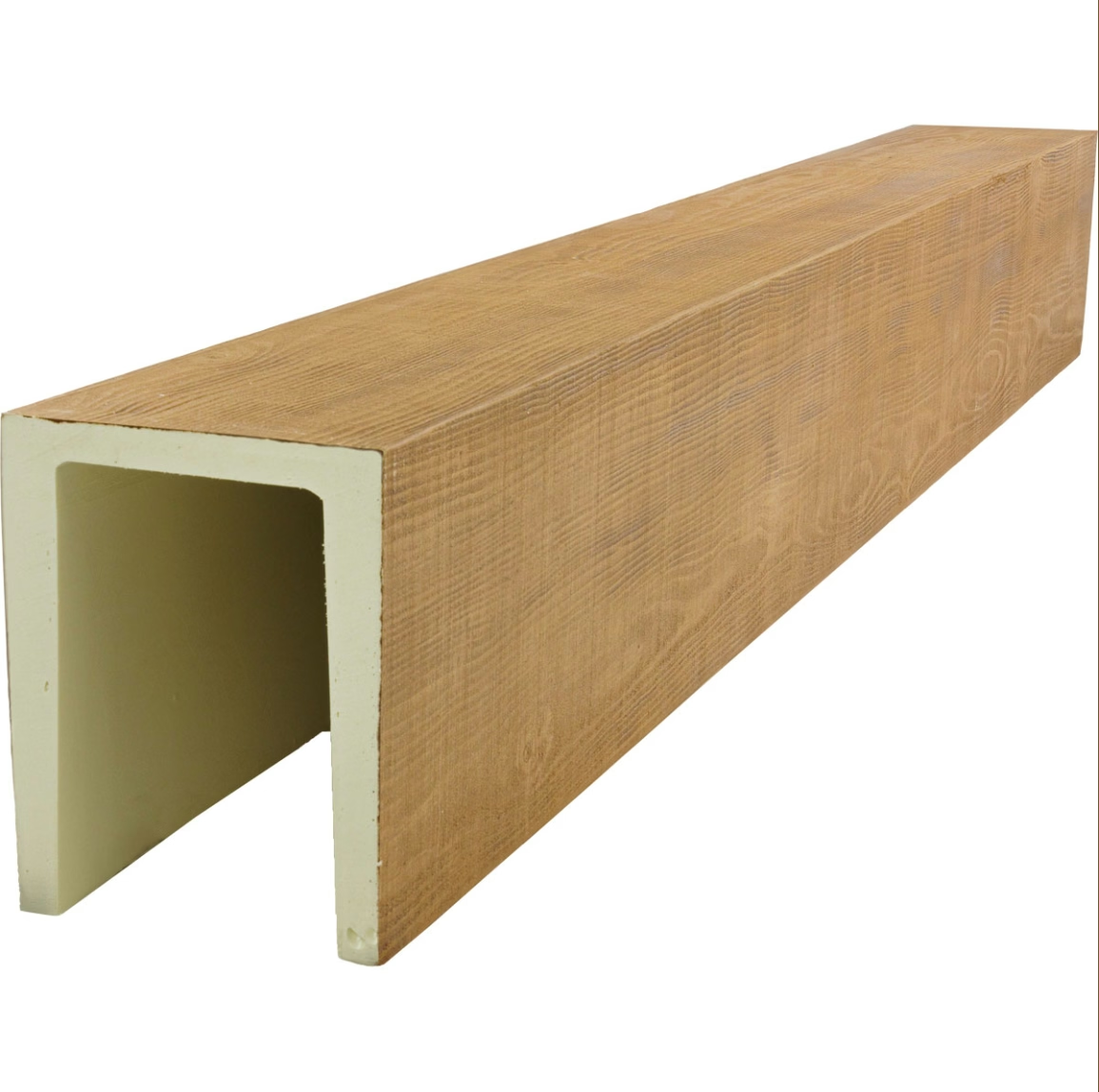
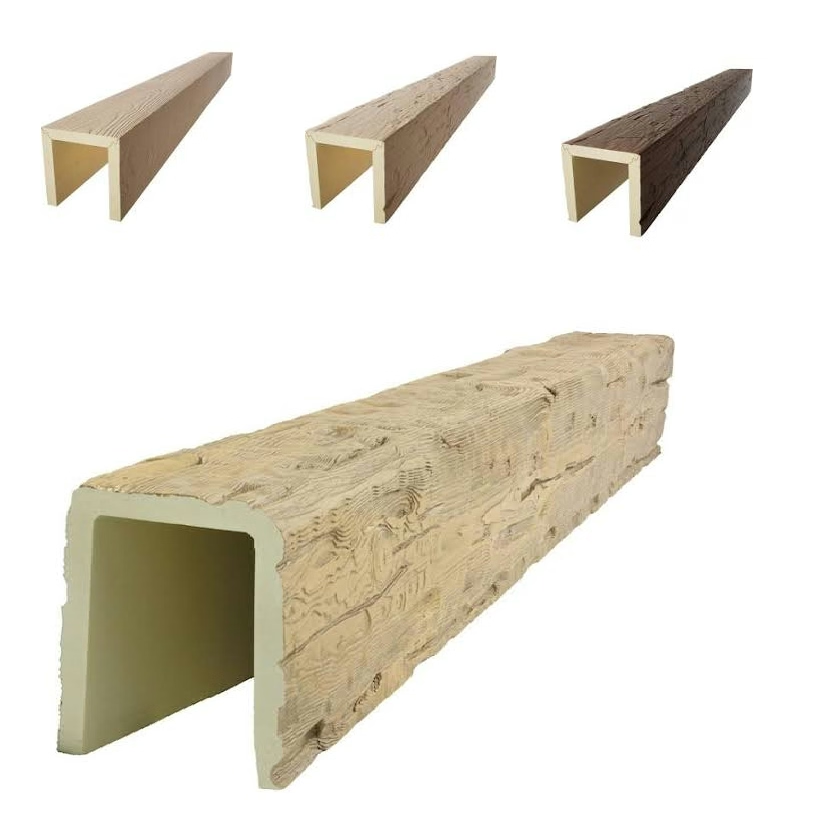
The concept of anti-aging takes on particular meaning in building materials, where the passage of time typically brings visible deterioration that undermines original design intent. Wood weathers, metals corrode, and even synthetic materials may yellow, crack, or fade as environmental exposure accumulates. For ceiling beams where replacement involves significant expense and disruption, materials that resist aging provide meaningful practical value that enhances their appeal beyond mere aesthetics.
Indoor-grade materials avoid some aging mechanisms that affect exterior products—direct UV exposure, precipitation, freeze-thaw cycling, and biological attack from weather-exposed positions. Yet indoor environments create their own aging pressures through humidity variation, temperature cycling, air pollution, and the accumulated effects of cleaning and maintenance. Anti-aging formulation addresses these indoor-specific concerns while providing performance appropriate for protected interior applications.
The term "weatherproof" in an indoor context acknowledges that interior conditions can approximate exterior exposure in demanding applications. Sunrooms, solariums, covered but unenclosed patios, and spaces adjacent to frequently opened doors experience conditions that approach outdoor exposure. Indoor-grade materials specified for these applications must accommodate the elevated environmental stress without the dedicated exterior-grade construction that fully outdoor exposure would require.
Anti-Aging Material Formulations
UV stabilization represents the primary aging concern for any material that receives even indirect light exposure. Ultraviolet radiation initiates photochemical reactions that degrade polymer surfaces, causing discoloration, chalking, and surface erosion. Indoor applications receive less UV exposure than exterior applications, but the cumulative effect over decades still affects non-stabilized materials.
Quality polyurethane beam manufacturers incorporate UV absorbers and hindered amine light stabilizers into their formulations during production. These additives interrupt photochemical degradation pathways, extending surface appearance life significantly compared to unstabilized materials. The concentration and quality of these additives affect the degree of protection provided and the longevity of anti-aging performance.
Pigment stability contributes to anti-aging performance through the selection of colorants that resist UV-induced fading. Organic pigments, while providing vibrant colors, often fade rapidly under UV exposure. Inorganic pigments, though sometimes less vivid initially, provide superior long-term color stability. Quality manufacturers balance aesthetic objectives against longevity requirements when selecting color systems.
Surface Coating Technologies
Factory-applied surface coatings provide additional protection beyond base material formulation. These coatings create barrier layers that prevent UV radiation, moisture, and contaminants from reaching the underlying polyurethane. The coating composition, application method, and film thickness all affect the protection level provided.
Acrylic topcoats provide excellent UV resistance combined with good durability and excellent color retention. Water-based acrylic formulations offer environmental benefits through reduced VOC emissions while maintaining performance characteristics appropriate for indoor applications. These coatings cure to hard, scratch-resistant surfaces that protect underlying textures throughout their service life.
Polyurethane topcoats offer excellent adhesion to polyurethane substrates and provide good chemical resistance. The hard, glossy finishes possible with polyurethane topcoats create surfaces that clean easily while maintaining appearance through repeated cleaning cycles. However, these same characteristics may create finishes that appear overly glossy for some design contexts.
Moisture Resistance for Longevity
Moisture affects aging in multiple ways beyond direct surface effects. Water penetration into porous materials creates conditions for biological growth, chemical leaching, and physical damage during freeze-thaw cycles. The closed-cell structure of quality polyurethane prevents water penetration entirely, eliminating these moisture-related aging mechanisms.
Humidity cycling accelerates aging in some materials through repeated swelling and drying that creates fatigue damage. Polyurethane's dimensional stability prevents this cycling effect entirely, contributing to the material's ability to maintain original appearance through decades of use. The absence of moisture absorption also prevents the staining and discoloration that affects hygroscopic materials.
Condensation exposure in humid spaces creates conditions that affect some materials negatively. The temperature differential between beam surfaces and adjacent surfaces may cause condensation to form during high-humidity conditions. Polyurethane's thermal characteristics reduce this condensation tendency compared to more thermally massive materials, while the non-porous surface prevents any moisture that does form from causing damage.
Thermal Aging Considerations
Temperature cycling creates aging effects in some materials through differential expansion and contraction that generates fatigue damage. Polyurethane's relatively low thermal coefficient of expansion minimizes this effect compared to materials with higher thermal mass. The flexibility of the polymer matrix also accommodates minor thermal stresses without damage.
Elevated temperature exposure, whether from sunlight through windows, HVAC system effects, or proximity to heat-generating equipment, accelerates aging in some polymer systems. Quality polyurethane formulations maintain stability at temperatures commonly encountered in interior applications, with performance verified through accelerated aging testing at elevated temperatures.
Thermal shock resistance—the ability to withstand sudden temperature changes without damage—affects long-term durability in spaces where temperature fluctuates rapidly. The polymer structure of polyurethane provides good thermal shock resistance, preventing the crack propagation that thermal cycling creates in more brittle materials.
Maintenance Effects on Aging
Cleaning processes that might seem gentle can actually accelerate surface aging if conducted improperly. Abrasive cleaning tools create microscopic scratches that concentrate stress and provide initiation points for surface degradation. The accumulated effect of repeated improper cleaning eventually becomes visible even when individual cleaning events leave no obvious damage.
Cleaning frequency affects how quickly surfaces show wear patterns. Infrequently cleaned surfaces may appear dirtier but experience less mechanical stress from cleaning operations. High-frequency cleaning protocols accelerate surface wear but maintain cleaner appearances. The appropriate balance depends on the specific application and aesthetic objectives.
Cleaning product selection affects both immediate appearance and long-term aging. Harsh chemicals may dissolve or damage surface coatings, accelerating underlying material exposure to environmental factors. Water-based, pH-neutral cleaning products generally provide the best combination of cleaning effectiveness and surface protection.
Long-Term Performance Documentation
Accelerated aging testing provides predictions of long-term performance by exposing materials to elevated stress conditions that compress years of environmental exposure into weeks or months of laboratory testing. These tests measure changes in color, surface gloss, mechanical properties, and appearance that indicate likely field performance over extended periods.
Real-time aging data from installations of known age provides empirical confirmation of laboratory predictions. Manufacturers who have supplied beams for visible applications over decades can document actual field performance, providing evidence that complements laboratory testing results. This real-world data helps buyers understand what to expect from their installations over time.
Warranty coverage provides manufacturer confidence assurance that reflects expected anti-aging performance. Longer warranty periods indicate manufacturer confidence in product longevity, though warranty terms should be reviewed carefully to understand what is actually covered.
Environmental Factor Resistance
Airborne contaminant resistance affects aging in urban and industrial environments where pollution levels are elevated. The chemical compounds present in polluted air can accelerate surface degradation in some materials. Quality polyurethane formulations resist chemical attack from common airborne contaminants, maintaining appearance in challenging environments.
Dust and particulate accumulation affects the appearance of all surfaces over time, though this is maintenance rather than aging in the strictest sense. The smooth surfaces of polyurethane beams shed dust more effectively than textured surfaces, reducing the frequency of cleaning required to maintain appearance.
Biological resistance prevents the mold, mildew, and bacterial growth that affects some materials and creates sanitation concerns in sensitive applications. The non-porous, non-nutritive surface of polyurethane prevents biological growth entirely, eliminating this aging mechanism and the cleaning challenges it creates.
Selecting Anti-Aging Products
Product specification for anti-aging performance requires attention to manufacturer documentation of aging resistance. Technical data sheets should indicate accelerated aging test results, UV stability ratings, and any relevant certifications confirming performance claims. Manufacturers who cannot document anti-aging performance should be questioned about their formulations and quality control.
Sample comparison between products demonstrates visible differences that affect long-term appearance. Samples subjected to UV exposure in manufacturer facilities or dealer showrooms show the aging effects that field exposure will eventually produce. These demonstrations provide useful comparisons that specification based solely on technical data cannot capture.
Installation practices affect how well anti-aging properties translate to field performance. Proper fastening, appropriate joint treatment, and protection from installation damage ensure that material properties are fully realized in completed installations.
Technical References
ASTM standards cited in every specification
Test Data
Lab results from internal testing program
Updated 2026
Reviewed against current product specs