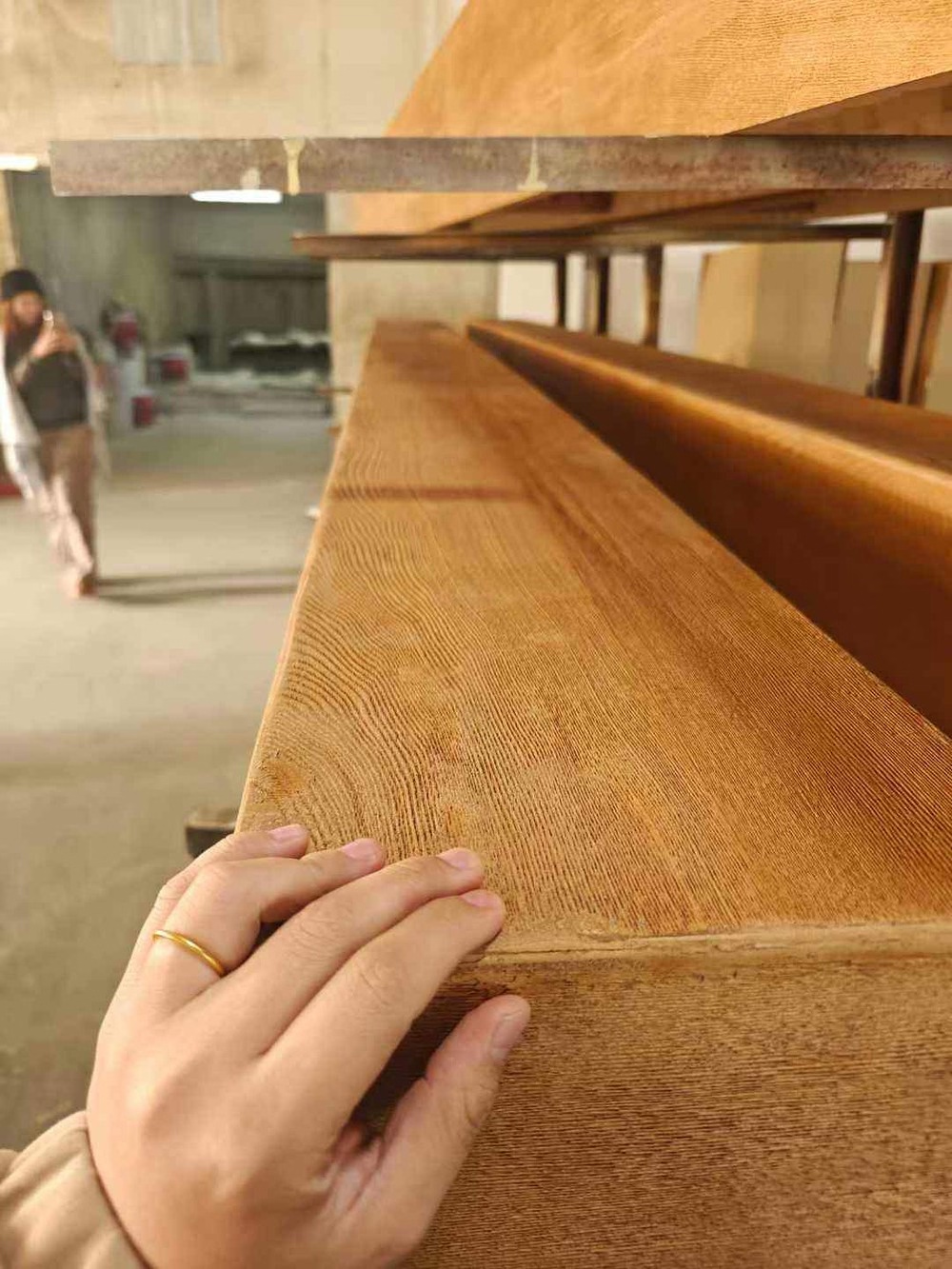
The interior designer insisted on a closer look. She had specified polyurethane beams for the restaurant project but wanted to verify the quality before approving final installation. She climbed the ladder, examined the connections, ran her fingers across the bolt heads, and stepped back with visible satisfaction. "I can't tell the difference," she admitted. "The bolt patina, the washer details, the way the hardware sits against the wood—it all reads as genuine."
The moment of close inspection represents the true test for manufactured architectural elements. At normal viewing distances, most quality faux beams pass casual observation. The critical question is whether they withstand scrutiny when observers step closer, look longer, or examine specific details. Bolt and hardware details often determine whether manufactured beams succeed or fail this closer examination.
Why Hardware Details Matter
Hardware details—the bolts, straps, plates, and connectors that appear on timber beams—contribute disproportionately to authentic appearance.
The Human Eye for Structure
Humans have evolved to notice structural elements. Our ancestors survived by understanding how structures worked, and this sensitivity remains embedded in visual perception. When we see beams, we instinctively look for how they connect, how they bear weight, how they relate to surrounding structure.
Bolt details and hardware satisfy this structural curiosity. They suggest engineering logic that supports the beam's visual presence. Without these details, beams can appear decorative rather than functional—suspended without purpose rather than bearing weight.
Scale and Proportion Cues
Hardware elements provide scale references that help observers understand the beam's size. A bolt head of familiar proportion tells the eye that the beam is substantial enough to require structural connection.
Manufactured beams without hardware details can seem ambiguous in scale. The observer can't determine whether they're looking at a structural member or a decorative element, undermining the beam's architectural contribution.
Age and Patina Information
Original timber beams accumulated hardware details that aged alongside the wood. Bolts developed rust; metal plates oxidized; connections weathered at different rates than surrounding timber.
These aged details communicate history that smooth, perfect hardware cannot suggest. Realistic aging on bolt details creates the impression that the beam has experienced time, contributing to authentic character.
Types of Beam Hardware Details
Different hardware elements serve different structural and aesthetic purposes.
Bolts and Washers
Through-bolts with visible washer heads represent the most common beam hardware detail. These elements pass through the beam thickness, appearing at both top and bottom surfaces.
Bolt details should match the beam's apparent structural function. Heavy beams require correspondingly substantial bolts; lighter decorative elements might feature smaller hardware. Mismatched proportions immediately signal manufactured rather than authentic origin.
Mounting Straps
Steel straps that wrap around beam ends or intersect at support points suggest original timber connection methods. These straps often feature bolt holes that align with structural members behind.
Strap placement should reflect genuine structural logic. Authentic straps appear where loads transfer, where beams meet support, where connections require reinforcement. Random placement undermines credibility.
Corner Plates
Metal plates at beam corners reinforce connections and protect wood from impact damage. These details appear frequently on original timber construction and should be replicated on manufactured alternatives.
Corner plate styling affects overall character. Plain steel plates suggest utilitarian function; decorative plates with rivets or patterns communicate more refined construction.
Beam Caps
Decorative beam caps close beam ends while providing finishing detail. These elements range from simple metal bands to elaborate corbels and brackets.
Beam cap selection should align with overall style. Industrial spaces benefit from simple metal caps; more refined environments might incorporate decorative details.

Creating Realistic Hardware Finishes
Hardware appearance determines whether bolt details enhance or undermine authentic effect.
Patina Development
New metal hardware looks wrong against aged wood surfaces. The contrast between perfect metal and weathered timber creates visual discord that observers notice even without understanding why.
Realistic patina development addresses this problem. Gun metal finishes with subtle oxidation, darkened steel with rust accents, or bronze with verdigris all create metal that reads as aged rather than new.
The patina should vary across the hardware surface. Areas protected from handling appear different than edges and corners exposed to air and touch. This variation suggests genuine aging rather than uniform treatment.
Oxidation Patterns
Authentic metal oxidation follows logic determined by moisture exposure, handling, and air circulation. Areas that trap moisture develop more oxidation; protected areas remain brighter.
Mimicking these patterns on manufactured hardware creates realism that uniform treatment cannot achieve. Observe oxidation patterns on genuine old metal and replicate the logic rather than the appearance.
Wear Considerations
Hardware that appears too pristine suggests new installation. Subtle wear patterns—bright spots where handles might touch, darker areas in protected recesses—suggest genuine use and age.
Apply wear patterns selectively, focusing on edges, corners, and areas that naturally accumulate handling wear. Avoid uniform treatment that appears applied rather than acquired.
Integrating Hardware with Beam Design
Hardware details should integrate with beam design rather than appearing as afterthoughts.
Proportional Harmony
Hardware dimensions should relate proportionally to beam size. Oversized hardware on modest beams appears theatrical; undersized hardware on substantial beams looks insufficient.
When selecting hardware for manufactured beams, consider the ratio between hardware and beam dimensions. The relationship should feel structurally logical.
Positioning Logic
Hardware should appear where structural logic would place it. Mid-span supports, beam ends, and connection points represent natural locations for visible hardware.
Avoid placing hardware arbitrarily. Each element should serve both structural suggestion and aesthetic purpose.
Installation Considerations
Hardware must attach securely to manufactured beam surfaces. Consider how mounting hardware will interact with beam materials and finishes.
Some manufacturers incorporate hardware details into beam design, providing attachment points and finished surfaces that accommodate realistic details. Others require field installation that demands careful attention to avoid damaging beam surfaces.

Maintenance of Hardware Details
Unlike wood surfaces that require minimal maintenance, metal hardware details may require periodic attention to maintain appearance.
Patina Stability
Quality hardware finishes remain stable after initial application, maintaining their appearance without ongoing treatment. Verify finish stability before installation.
Unstable patina might transfer to adjacent surfaces or wear off during cleaning. Request documentation of finish testing and durability.
Cleaning Considerations
Cleaning protocols should preserve hardware appearance while maintaining wood surface quality. Avoid abrasive tools or harsh chemicals that might damage patina.
Test cleaning products on inconspicuous areas before applying to visible hardware. Some products that clean wood effectively might damage metal finishes.
Repair and Replacement
Despite durability, occasional hardware damage may require repair or replacement. Keep replacement hardware available that matches installed elements.
Document hardware sources during installation for future reference. Matching replacement hardware to existing elements ensures consistent appearance.
The designer who couldn't distinguish the restaurant's manufactured beams from genuine timber continued specifying polyurethane for subsequent projects. "The details sell it," she explained to clients. "People look up, see the beams, see the bolt details, and their eyes just accept what they're seeing as authentic. The whole effect depends on those hardware details looking right." Her assessment reflects what distinguishes adequate manufactured beams from exceptional ones: attention to the details that observers examine when they step closer, look longer, and scrutinize more carefully.
Technical References
ASTM standards cited in every specification
Test Data
Lab results from internal testing program
Updated 2026
Reviewed against current product specs