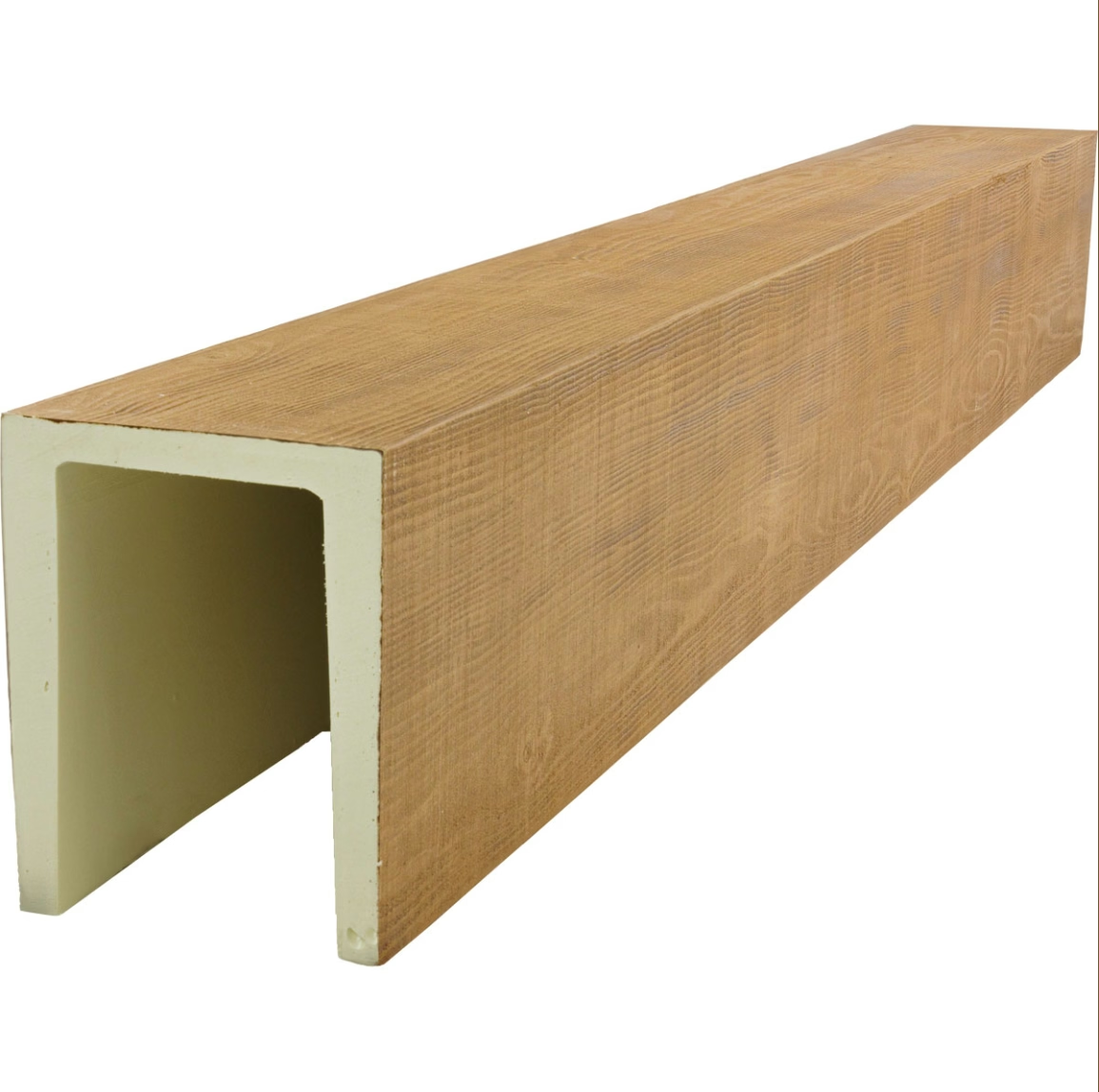
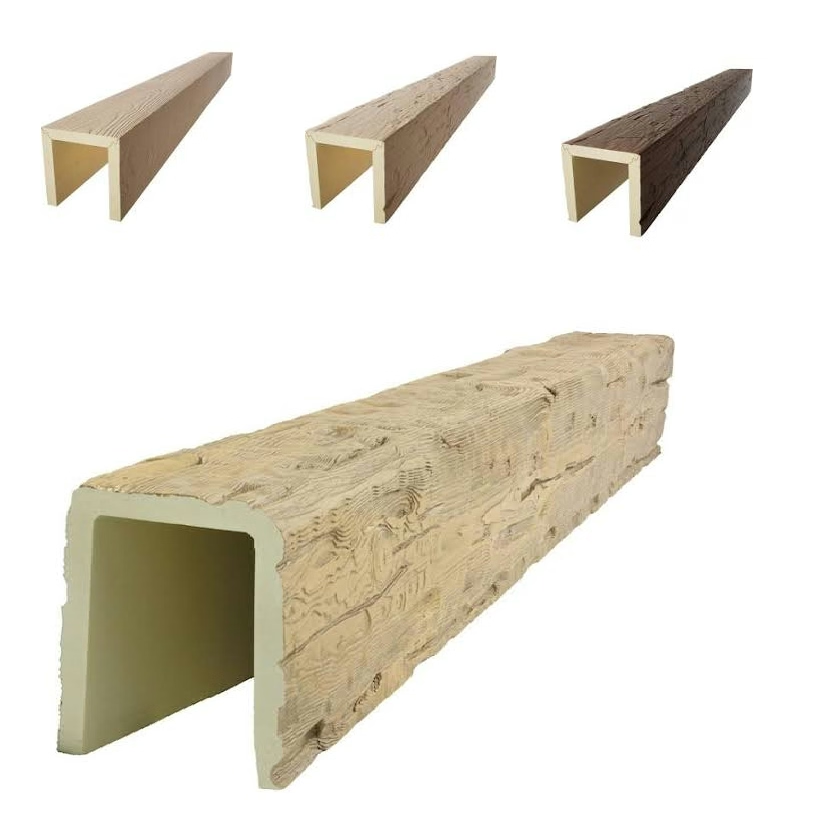
Not all polyurethane faux wood beams are created equal. Behind the surface appearances that catch the eye in showroom displays and catalog photographs lies a fundamental characteristic that profoundly influences how beams perform over their service lives: density. High-density polyurethane faux wood beams represent the premium tier of this product category, offering advantages that matter significantly for demanding applications and long-term satisfaction.
The polyurethane foam used in faux beam production spans a wide density range, from economical formulations providing adequate performance for basic applications to sophisticated high-density compositions engineered for superior results. Understanding why density matters, what differences exist between density tiers, and how to evaluate beam density helps specifiers, builders, and homeowners make choices that serve their projects optimally over time.
What Density Means in Polyurethane Beams
Density in polyurethane foam describes mass per unit volume, typically expressed in pounds per cubic foot or kilograms per cubic meter. This measurement reflects how much polymer material exists in a given space, which in turn determines the material's structural properties, surface characteristics, and long-term performance capabilities.
Low-density polyurethane foams, typically in the 4 to 10 pounds per cubic foot range, offer cost advantages and adequate performance for lightweight decorative applications. These materials can be molded into acceptable beam profiles and finished to reasonable appearance standards. However, they sacrifice the edge-holding capability, impact resistance, and surface durability that characterize premium products. Such beams may dent under minor impacts, may not hold fine surface details crisply, and may feel hollow or lightweight in ways that diminish perceived quality.
High-density formulations, ranging from 15 to 30 pounds per cubic foot or higher, pack substantially more material into each cubic inch. This concentration creates solid, substantial-feeling products that convey quality through their heft and their resistance to damage. The denser material holds fine mold details with precision, resists impacts that would mar lesser products, and maintains dimensional stability across environmental variations. The difference in feel alone distinguishes high-density beams from their lower-density alternatives.
The density selection affects not just performance but economics. Higher density costs more per unit weight due to increased raw material content and more sophisticated manufacturing requirements. However, the performance advantages often justify this premium, particularly for visible installations where appearance quality and durability matter. The lowest-cost option frequently proves most expensive over time when replacement and repair costs are factored in.
Surface Detail and Aesthetic Quality
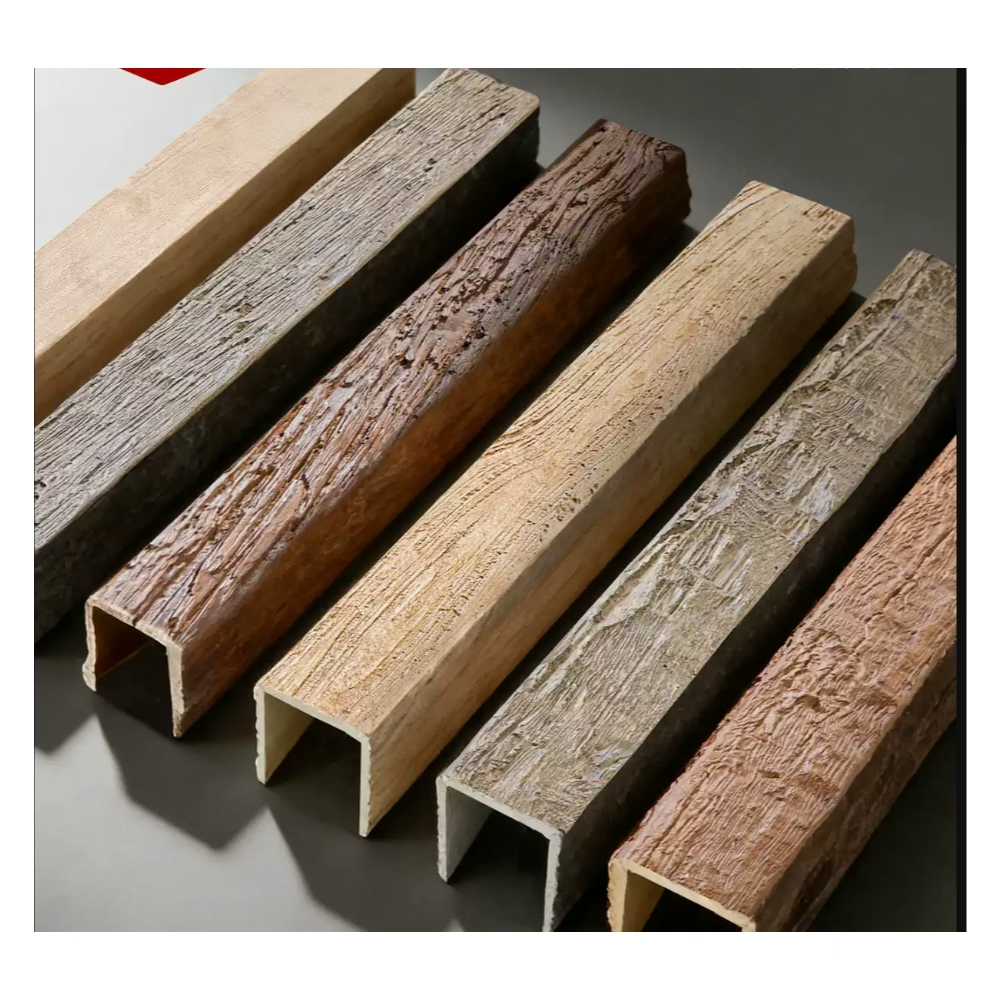
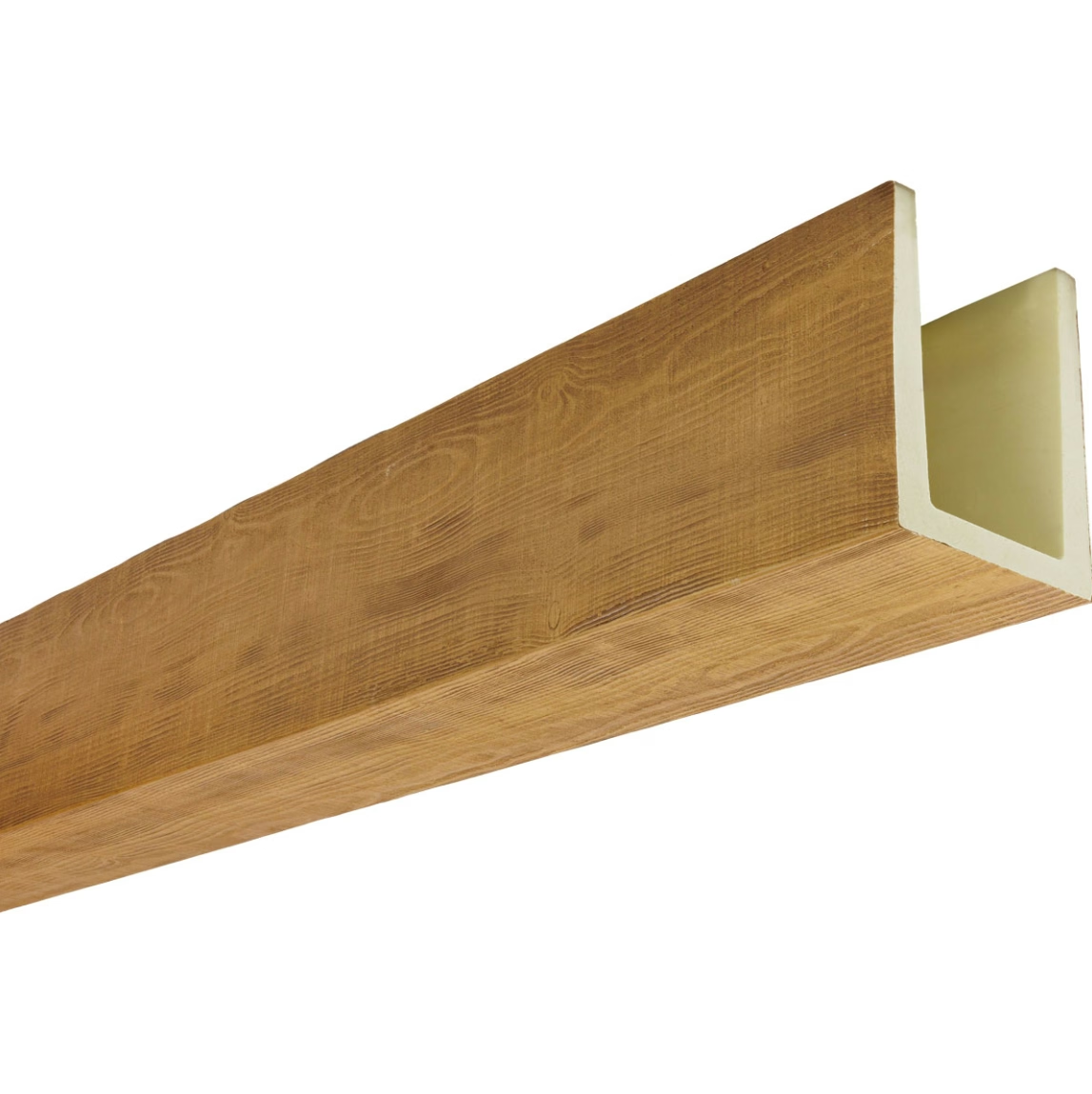
The visual impact of faux wood beams depends substantially on how well they capture the textural qualities of natural timber. High-density polyurethane formulations excel in this regard, enabling surface reproduction that approaches—and sometimes surpasses—the appearance of genuine wood.
Fine grain details that define authentic timber character require precise mold reproduction to appear convincingly. Low-density foams can blur these details during molding or release from the mold, resulting in surfaces that appear washed-out or generic. High-density materials flow into mold details more completely and release cleanly, capturing the crisp definition that makes wood grain convincing. The difference is immediately apparent in close inspection and even visible from normal viewing distances.
Edge quality affects both appearance and durability. Sharp edges and crisp corners characterize authentic timber beam construction, but softer foam materials tend to round these details during production or handling. High-density formulations maintain edge definition throughout the production, handling, and installation processes. The result is architectural elements with the precise, crafted appearance that designers specify.
Surface hardness relates directly to density. Higher-density beams feel solid when tapped, conveying quality through tactile response. This hardness also contributes to damage resistance, as impacts are absorbed rather than causing permanent dents. For commercial applications where beams may be subject to unexpected contact, or for any installation where long-term appearance matters, this resilience proves valuable.

Structural Performance and Mounting
While polyurethane faux beams are typically decorative rather than structural, their physical properties still influence installation methods and long-term reliability. High-density formulations provide advantages that affect how beams perform once installed.
Dimensional stability improves with density. Higher-density polyurethane exhibits less thermal expansion and contraction, reducing stress on joints and mounting connections. This stability becomes particularly valuable in environments with significant temperature variations, such as spaces with large windows, varying occupancy patterns, or seasonal climate changes. Stable dimensions mean that joints remain closed and appearances remain consistent.
Mounting hardware integration benefits from denser material. Beam profiles with integral mounting provisions—slots, channels, or mounting surfaces—hold fasteners more securely in high-density products. The material provides better grip for screws, better support for bracket engagement, and better resistance to any tendency for hardware to work loose over time. This translates into installations that remain secure indefinitely.
Impact resistance scales with density. Accidental contact with high-density beams typically results in no visible damage, while equivalent impacts on lower-density products may create dents, scratches, or surface damage requiring repair. For installations in high-traffic areas, commercial spaces, or anywhere objects might occasionally contact beams, this durability difference has practical significance.
Weight increases with density, but even high-density polyurethane beams remain dramatically lighter than natural timber. A beam that weighs three to five pounds per linear foot still installs easily without structural supports or specialized equipment. The weight penalty of high-density formulations remains well within the range that standard ceiling construction can support, so practical installation advantages over timber are preserved.
Long-Term Value Considerations
Evaluating beam options requires looking beyond initial cost to total ownership economics. High-density polyurethane beams often demonstrate superior value when lifecycle factors are considered.
Replacement costs for damaged beams can exceed initial purchase prices significantly. The cost of removing damaged sections, sourcing matching replacements, and reinstalling can easily exceed the original material cost premium for higher-quality beams. High-density products resist the damage that triggers these replacement cycles, avoiding both the direct costs and the disruption of repair work.
Appearance retention over time favors higher-density formulations. The surface hardness and UV stability of quality products means that beams continue looking new for years after installation. Lower-quality alternatives may show wear, scratching, or finish degradation within a few years, requiring refinishing or replacement to restore original appearance. For commercial installations where appearance standards must be maintained, this difference has operational implications.
Warranty coverage often correlates with product quality tier. Manufacturers confident in their high-density formulations typically offer extended warranties that reflect expected service life. Understanding warranty terms and what they cover provides useful information about manufacturer confidence in their products. High-density beams from established manufacturers typically carry warranties substantially exceeding those offered for economy alternatives.
The relationship between density and performance means that specifiers should request density information when evaluating beam options. Reputable manufacturers readily provide this specification, and products without density documentation should be viewed with appropriate caution. Armed with density information, comparison shopping becomes more meaningful, and final selection can be made based on documented performance characteristics rather than appearance alone.
Identifying Quality High-Density Products
Not all products marketed as high-density actually meet the specifications that true quality requires. Developing criteria for evaluating claims helps ensure that purchases deliver the expected benefits.
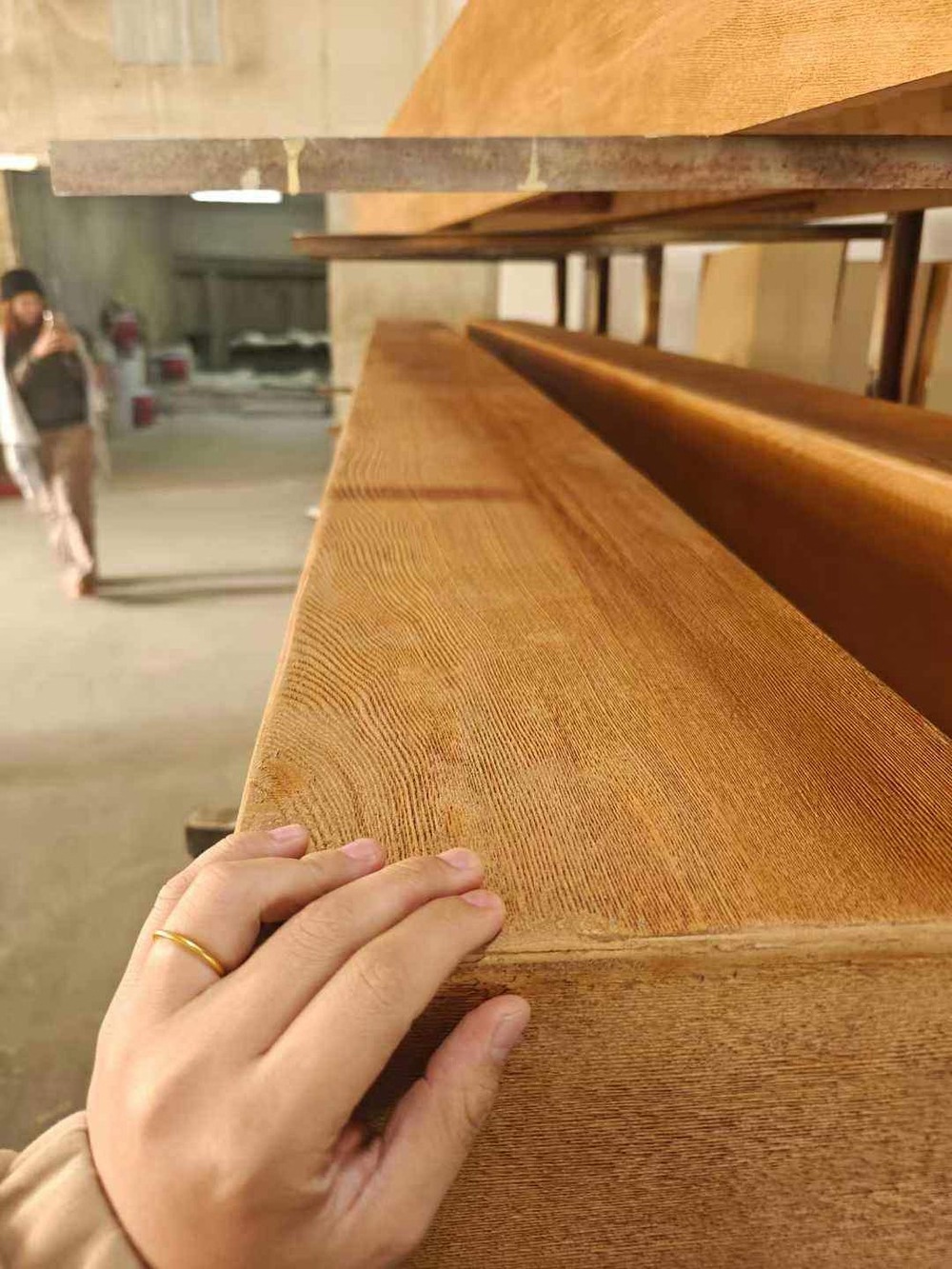
Physical examination provides useful information. Lifting beams of similar size and profile reveals weight differences that often correlate with density. Higher-density beams feel more substantial without being heavy in the way that timber would be. Tapping the surface produces a solid, higher-pitched sound compared to the hollow sound of lower-density alternatives.
Surface examination under good lighting reveals detail quality. Fine grain lines should appear crisp and well-defined, not softened or rounded. Edges should feel firm rather than slightly tacky or compressible. The surface should resist minor scratching when tested with a fingernail, though aggressive scratching should be avoided to prevent visible damage.
Manufacturer reputation and documentation matter. Companies with established track records typically maintain consistent quality across production runs. Documentation including density specifications, test results, and warranty terms provides verification that claims are backed by documented performance. Products without supporting documentation represent unknown quality levels that may or may not meet expectations.
Price correlates imperfectly with quality but does provide some information. Unusually low prices may indicate lower-density materials or less rigorous quality control. Exceptionally high prices do not guarantee corresponding quality. Comparing prices across similar products from multiple manufacturers helps establish reasonable expectations for quality at various price points.
The choice of high-density polyurethane beams represents an investment in quality that pays returns through superior appearance, enhanced durability, and long-term satisfaction. By understanding what density means, why it matters, and how to identify quality products, decision-makers can select beams that will perform beautifully for decades with minimal maintenance requirements.
Technical References
ASTM standards cited in every specification
Test Data
Lab results from internal testing program
Updated 2026
Reviewed against current product specs