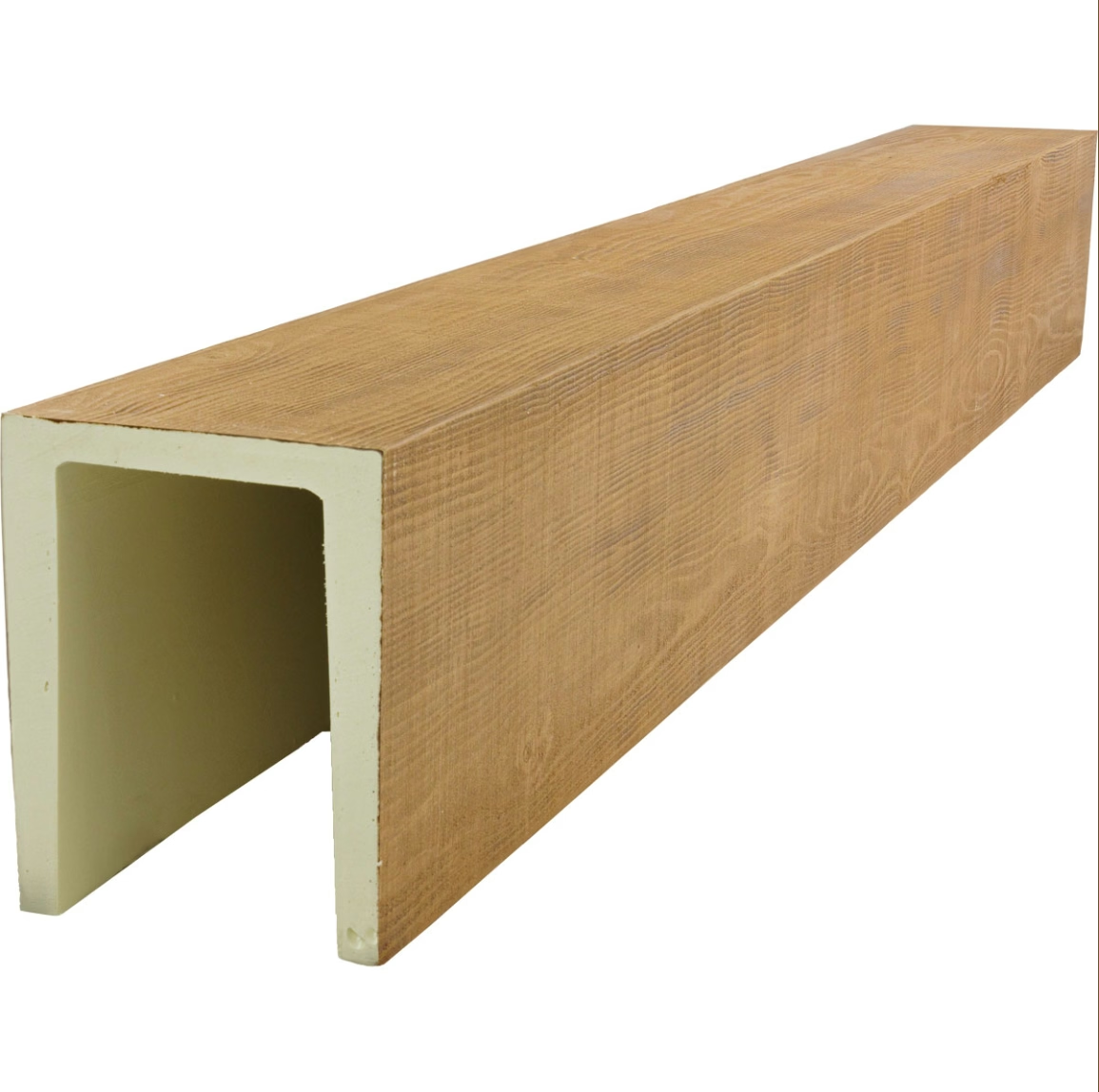
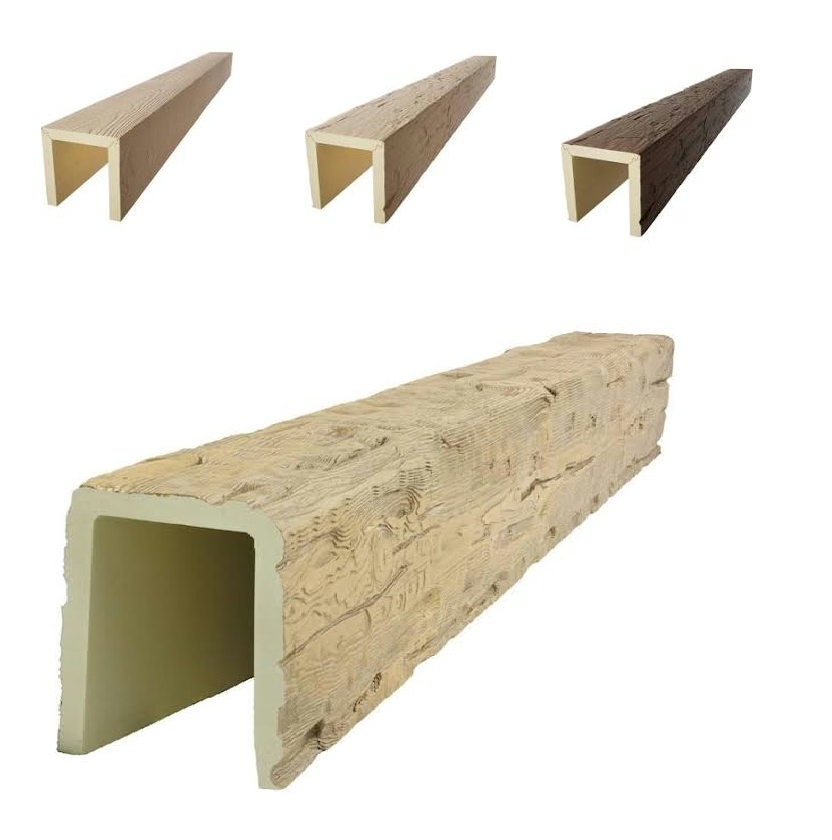
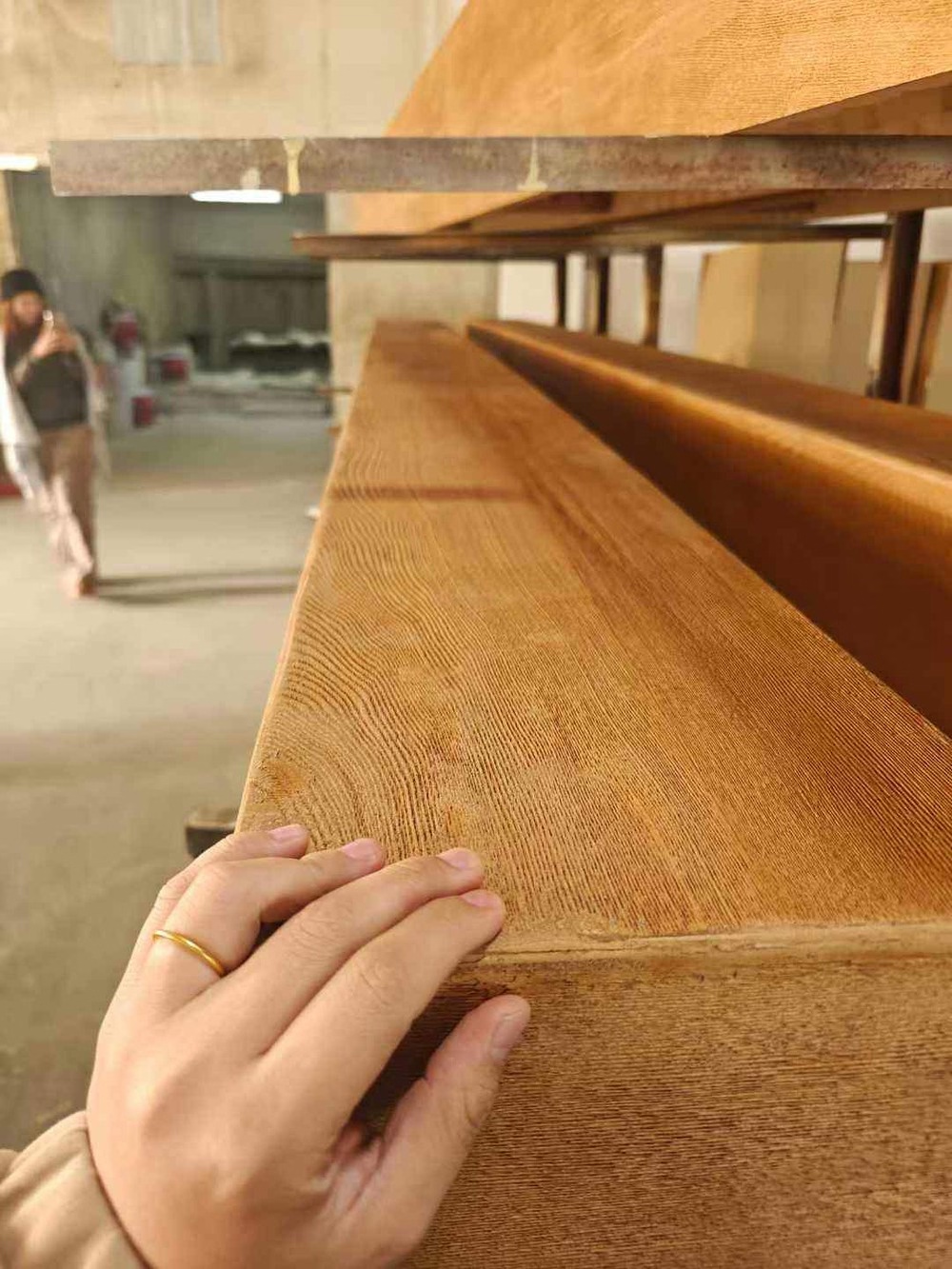
It bears stating plainly: polyurethane faux wood beams are decorative elements. They are not structural members. They cannot bear loads, support ceilings, or perform any function requiring engineering strength. This distinction is fundamental to the safe and appropriate use of these products, and all parties involved in their specification, sale, installation, and ownership should understand it completely. This article sets out the essential facts, the reasons behind them, and the practices that ensure these products are used safely and appropriately.

What Non-Structural Means in Practice
The phrase "non-structural" or "decorative only" appears in every responsible product listing, specification sheet, and installation guide for polyurethane faux beams, and the reason is straightforward: these products are not designed, tested, or certified to carry any load. A faux beam may visually replicate the appearance of a massive timber joist or beam that carries significant structural loads in a building, but its material composition, connections, and physical properties are entirely different from those of genuine structural timber or engineered wood products.
Polyurethane foam, the core material of these beams, has a density far lower than structural lumber—typically six to fifteen pounds per cubic foot compared to twenty-five to fifty pounds per cubic foot for hardwoods. While this lightweight nature is a genuine advantage for installation, it means the material has no meaningful compressive, tensile, or flexural strength appropriate for load-bearing applications. A polyurethane beam subject to structural loads would compress, deform, or collapse.
This is not a product defect. It is the intended performance characteristic of a decorative element. Just as decorative crown moulding is not expected to support a ceiling, and decorative columns are not expected to bear structural loads, polyurethane faux beams serve an aesthetic rather than a structural function. Accepting this distinction is the foundation of safe product use.
Building Code Considerations
Building codes in the United States and other jurisdictions distinguish explicitly between structural and decorative elements, and require that load-bearing components of a building's structure be certified and labeled as such. Structural lumber must be grade-stamped by recognized grading agencies, engineered wood products must carry design values and third-party certification marks, and all structural components must be specified and installed according to engineering calculations and approved design documents.
Decorative elements that are non-load-bearing are subject to different requirements. They must be installed securely to prevent falling hazards, must meet applicable fire performance requirements for their installation location, and must not compromise the performance of adjacent structural elements. Beyond these basic safety requirements, decorative elements generally do not require engineering certification or special inspection.
The specific code requirements for non-structural ceiling elements vary by jurisdiction and occupancy type. In general, any ceiling-mounted element must be capable of withstanding a lateral force of not less than fifteen pounds per square foot without failure, demonstrating that the installation can resist typical wind and seismic loads without collapse. Faux beams, when properly mounted using the manufacturer-recommended fastening systems, readily satisfy this requirement for their own weight and typical environmental loads.
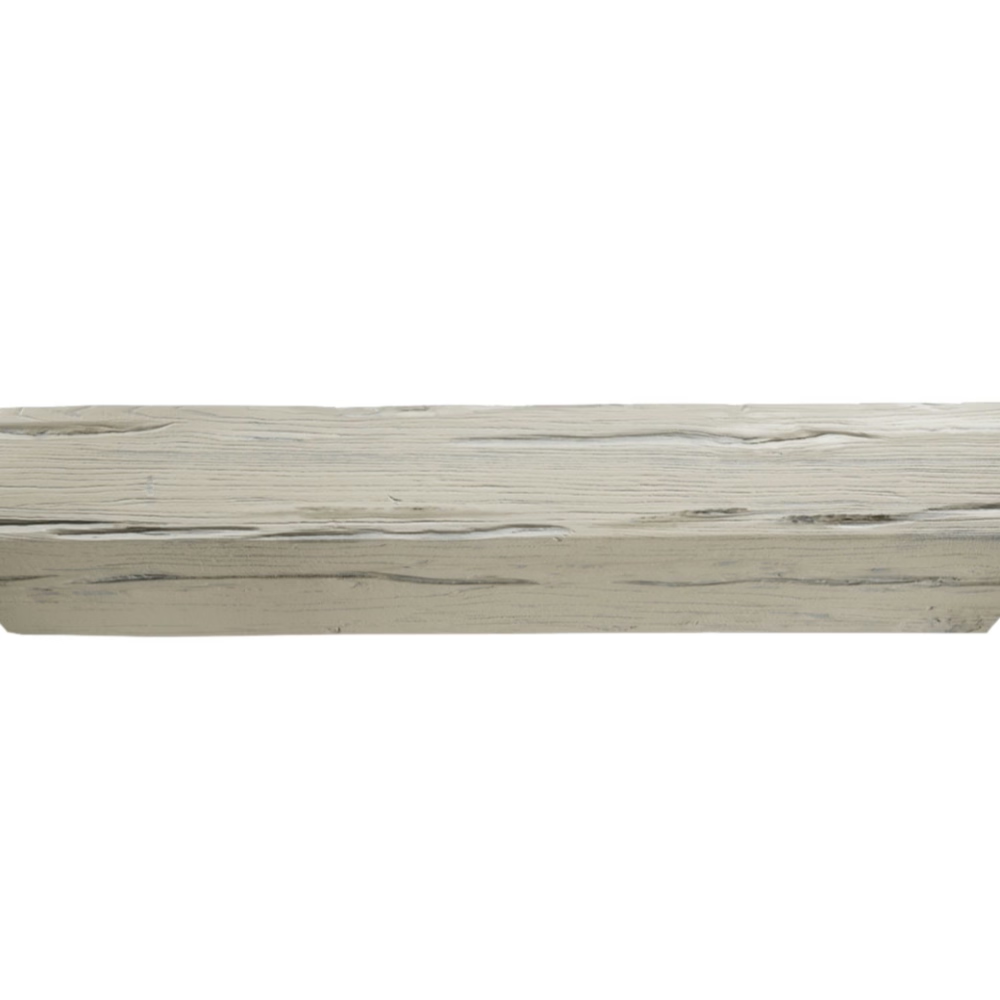
Why the Distinction Matters: Real Consequences
Failure to respect the non-structural nature of polyurethane faux beams has caused property damage, personal injury, and litigation. The most common scenario involves a contractor or homeowner who assumes that because a faux beam looks like a structural timber, it can function as one. They may attempt to use it as a actual ceiling joist, attach heavy fixtures directly to it, or use it as a platform for other construction activities. Each of these misapplications creates dangerous conditions.
Structural loads on a non-structural element will eventually cause failure. The specific failure mode depends on the load type and magnitude, but common outcomes include beam crushing, fastener pullout, and complete collapse. A collapsed beam falling from a ceiling can cause serious injury to occupants and significant damage to the room and its contents below. Insurance claims arising from improper beam installation may be denied if investigators determine that the product was used outside its intended application.
Contractors and designers bear particular responsibility for correct specification and communication. A professional who specifies faux beams for a structural application without clearly noting their decorative nature—or who specifies genuine structural timber but substitutes faux beams without engineering review—may face professional liability claims, disciplinary action, and reputational damage. Clear documentation of the decorative nature of specified products protects all parties.

Appropriate and Inappropriate Applications
Appropriate applications for polyurethane faux beams include any decorative installation where visual enhancement is the objective and the beams are mounted to existing structural elements without loading expectations. This includes exposed ceiling treatments where beams are mounted to ceiling joists or structural elements that bear the actual load, fireplace mantels where the beam rests on structural supports and the beam itself carries only its own weight, and architectural trim elements mounted to walls, ceilings, or millwork.
Inappropriate applications include any use where the beam must support loads beyond its own weight, including as actual ceiling joists or structural supports, as platforms for attaching heavy light fixtures, HVAC equipment, or signage, as structural components in any renovation that modifies the building's load path, and as substitutes for engineered beams or headers in any structural application.
The appropriate response to a structural design need is always genuine structural material. Engineered wood products, dimensional lumber, steel beams, and other certified structural elements exist precisely to address load-bearing requirements. Faux beams are never a substitute for these products. If a design concept calls for the appearance of heavy timber, the correct approach is to install genuine structural members clad with decorative elements, or to install genuine structural members behind and adjacent to decorative faux beams that create the visual effect.

Manufacturer Responsibilities and Product Documentation
Reputable polyurethane faux beam manufacturers fulfill their responsibility to communicate the non-structural nature of their products through comprehensive product documentation. This documentation typically includes explicit statements in product listings and marketing materials, installation guides that specify appropriate mounting hardware and methods, weight limits for attachments such as lighting fixtures, and warnings against structural misuse.
Buyers should insist on complete documentation from their suppliers and should not accept products that lack clear disclaimers regarding structural limitations. The presence of thorough documentation is itself an indicator of a responsible manufacturer—one who understands the product's proper applications and is committed to preventing misuse. Products lacking such documentation should be treated with caution.
Material safety data sheets, while focused primarily on occupational safety during handling and installation, provide additional context about the physical properties and appropriate uses of polyurethane foam. These documents identify the material as a thermosetting polymer with specific performance characteristics that distinguish it from structural materials. Reviewing this documentation helps installers and specifiers maintain appropriate expectations about product capabilities.
Safe Installation Practices
Safe installation of decorative polyurethane beams relies on appropriate mounting methods that secure the beam against falling while making no claims about load-bearing capacity. Standard installation involves mechanical fasteners—screws or bolts—engaging the beam and the structural substrate behind it, supplemented by construction adhesive at the mounting interface. The specific fastener type, size, and spacing depend on the beam weight, mounting location, and applicable building code requirements.
Ceiling mounting typically uses brackets or blocking that attaches to structural ceiling joists or existing structural elements, with the beam then secured to the brackets. Wall mounting uses studs or appropriate wall anchors behind the mounting surface. In either case, the fasteners must be rated for the applicable loads and properly installed according to manufacturer instructions and applicable codes.
Inspection and maintenance are rarely discussed but represent sensible practices for ceiling-mounted decorative elements. Periodic visual inspection of beam attachments—checking for fastener loosening, adhesive bond degradation, or any signs of movement—provides assurance that the installation remains secure over time. Any observed deterioration should be addressed promptly, before it progresses to the point of creating a falling hazard.
Making Informed Decisions
Understanding and respecting the non-structural nature of polyurethane faux beams enables all parties—manufacturers, sellers, contractors, designers, and homeowners—to make informed decisions about product use. These products deliver genuine value as decorative architectural elements: they are lightweight, easy to install, available in an enormous range of styles and finishes, and capable of transforming the appearance of interior spaces at a fraction of the cost and complexity of genuine timber.
That value is real and legitimate when the products are used as intended. Attempting to use them beyond their intended application destroys that value and creates risk. The responsible path forward for everyone involved is clear specification, clear communication, and clear understanding of what these products are and what they are not.
Technical References
ASTM standards cited in every specification
Test Data
Lab results from internal testing program
Updated 2026
Reviewed against current product specs