
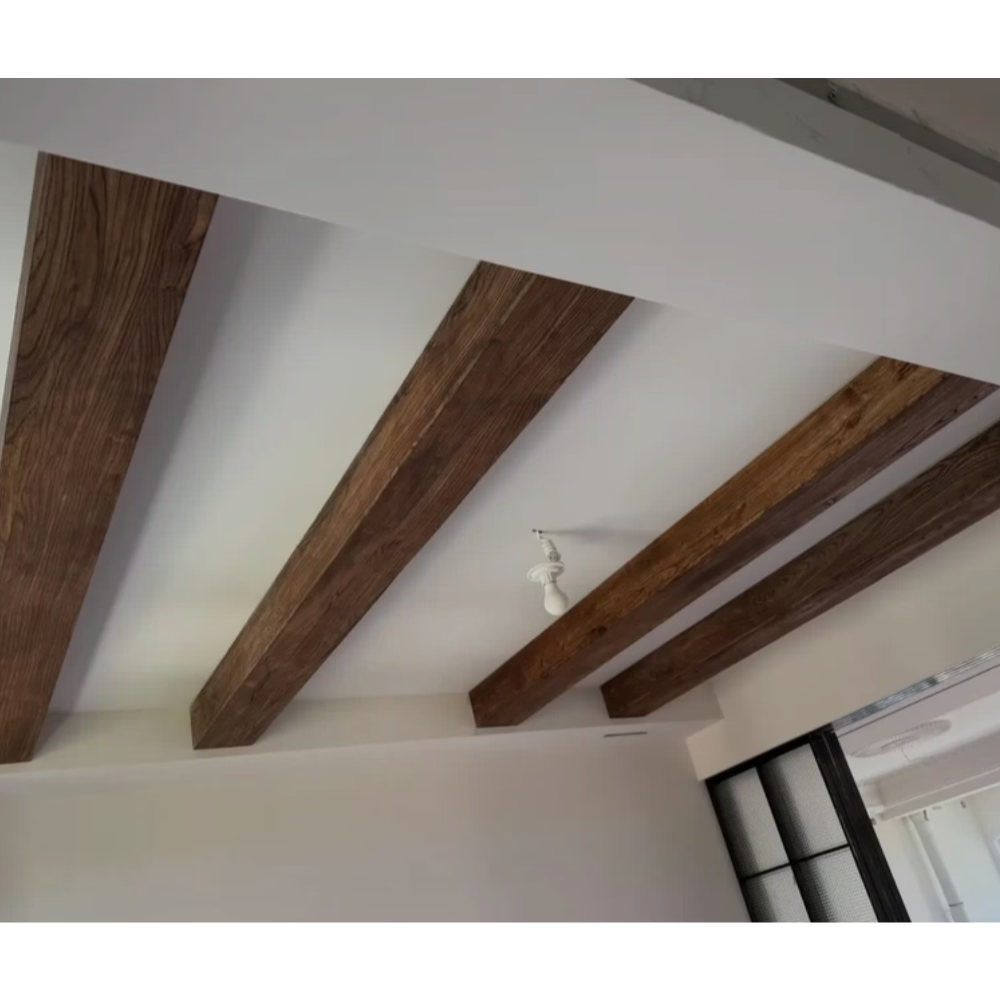
Home improvement budgets rarely accommodate everything homeowners wish to accomplish. Kitchen upgrades, bathroom renovations, and flooring replacements compete for limited resources, often leaving ceiling enhancement as aspirational rather than achievable. Polyurethane fake wood beams present a compelling solution for budget-conscious projects, delivering the aesthetic impact of timber through methods that respect financial constraints.
Understanding the True Cost of Genuine Timber
Initial price comparisons between polyurethane and genuine timber often favor natural wood, particularly for commodity species in standard dimensions. However, these comparisons overlook expenses that frequently exceed the purchase price itself. Structural engineering consultations become necessary when adding substantial timber weight to existing ceiling structures. Special handling equipment may prove required for pieces too heavy for manual positioning. Extended installation timelines translate to additional labor costs that compound quickly.
Material waste contributes additional expenses that budget projections rarely anticipate. Natural timber arrives with defects requiring removal, creating waste that increases effective per-use costs. Dimensional inconsistencies complicate installation and may require custom fitting that extends labor hours. These variables make accurate budgeting difficult while potentially inflating final project costs substantially beyond initial estimates.
Finishing expenses complete the cost picture that timber projects face. Raw timber typically requires staining, sealing, or painting before installation achieves finished appearance. These finishing processes involve materials, labor, and time that add to overall project costs. Curing periods may delay project completion, extending disruption to household routines and potentially requiring additional follow-up attention.
How Polyurethane Reduces Project Expenses
The lightweight nature of polyurethane provides the first major cost advantage. Beams weighing a fraction of equivalent timber pieces install without structural reinforcement in most residential applications. Ceiling joists rated for standard loads accommodate polyurethane additions without modification. This compatibility eliminates engineering fees, reinforcement materials, and the contractor expertise that structural modifications require.
Installation labor savings compound these material advantages. Where genuine timber might require two or three workers for safe positioning, a single installer can manage polyurethane beams of equivalent visual impact. Shorter installation times reduce hourly labor charges that often represent the largest project expense. Homeowners comfortable with basic tools can often complete installations independently, eliminating labor costs entirely for these portions of renovation projects.
Factory-applied finishes provide additional savings that site finishing cannot match. Polyurethane beams arrive ready for installation with appearance quality that site-applied finishes rarely achieve. The elimination of finishing labor, materials, and associated delays reduces project timelines and costs simultaneously. This convenience proves particularly valuable for occupied homes where extended construction creates household disruption.

Comparing Available Price Points
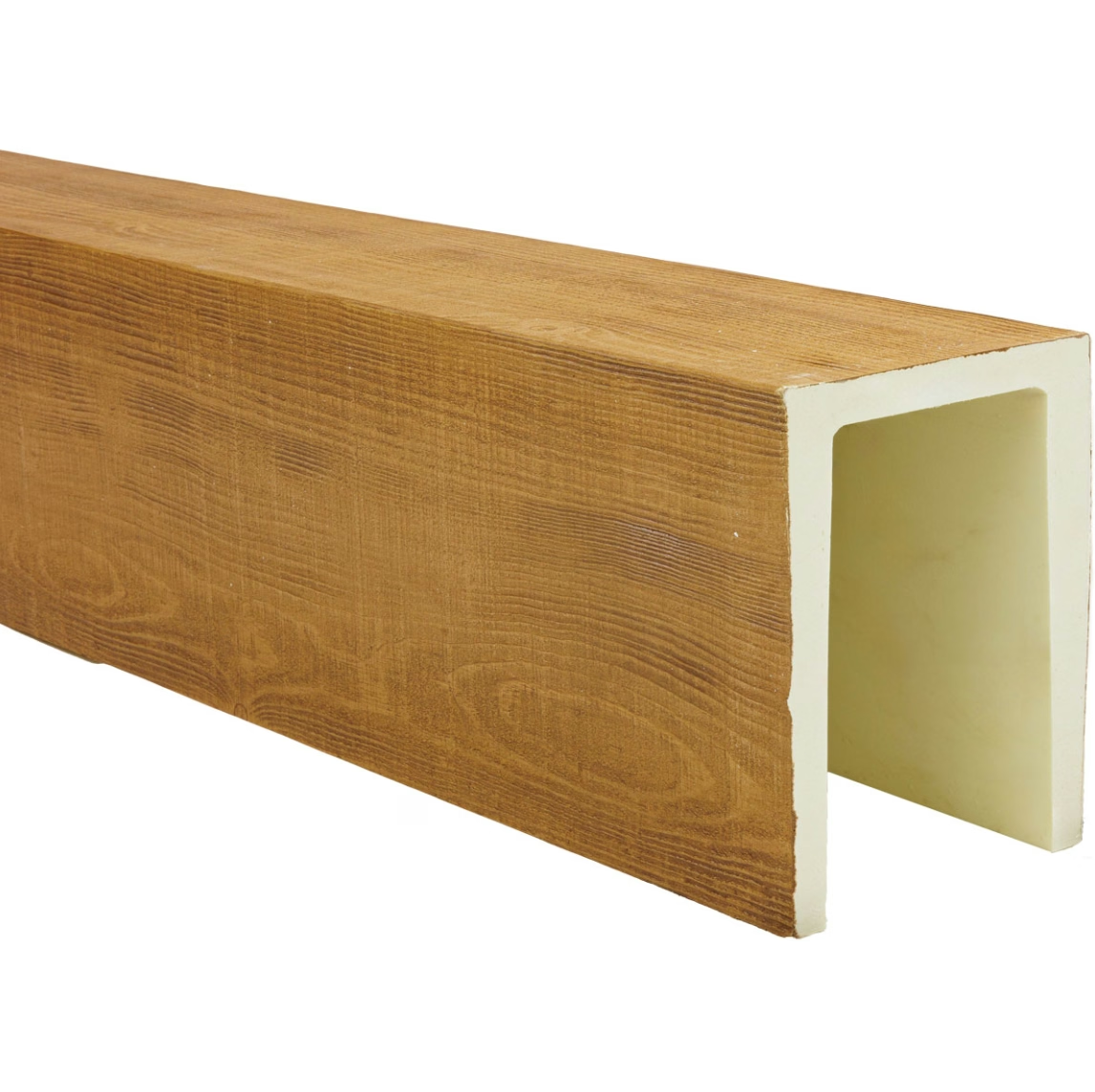
The faux beam market spans substantial price ranges that merit careful evaluation. Economy products target price-sensitive buyers willing to accept corresponding quality compromises. These options may incorporate less detailed textures, thinner wall sections, or less sophisticated finishes. The initial savings may prove worthwhile for projects with minimal visibility or short intended service lives.
Mid-range products provide balanced performance for most residential applications. Improved surface detail, better color consistency, and enhanced durability distinguish these offerings from economy alternatives. Warranty coverage typically extends further, reflecting manufacturer confidence in construction quality. These products serve the majority of homeowner projects effectively.
Premium products command higher prices through enhanced realism and superior durability. The most convincing simulations approach genuine timber appearance even at close inspection distances. Impact resistance and UV stability exceed lower-cost alternatives, extending service life in challenging conditions. Projects with demanding aesthetic requirements or challenging environmental conditions often justify these premium investments.
Long-Term Value Considerations
Maintenance expenses over the product lifetime significantly affect true cost comparisons. Natural wood demands periodic refinishing, particularly in moisture-prone or sun-exposed locations. These maintenance requirements involve both direct costs for materials and labor and indirect costs for disruption to household routines. Polyurethane beams maintain appearance without such interventions, providing cost certainty that simplifies long-term budgeting.
Replacement timelines also factor into lifetime cost calculations. Natural wood in challenging conditions may require replacement within a decade or two. Polyurethane products designed for the same conditions often maintain serviceable appearance for considerably longer periods. This durability translates to lower annualized costs that frequently favor manufactured alternatives despite higher initial prices.
Resale value considerations affect some homeowners' decisions-making. Authentic timber elements may contribute more to property value than synthetic alternatives in certain markets. However, the quality improvement that polyurethane beams provide compared to bare ceilings or minimal trim work likely enhances appeal regardless of material authenticity debates.
Maximizing Budget Efficiency
Careful measurement and planning prevent costly ordering errors that consume budget unnecessarily. Accurate ceiling dimensions, beam spacing calculations, and junction requirements all merit verification before purchase orders. Some suppliers provide layout assistance that helps optimize material ordering, reducing waste and ensuring sufficient quantities for complete installation.
Selecting appropriate beam sizes relative to room dimensions prevents overspending on unnecessary scale. Modest rooms with standard ceilings accommodate smaller beams that provide proportional visual impact at lower cost than overscaled alternatives. This proportionality consideration often reveals opportunities to achieve design goals through budget-appropriate selections.
Standard finish options typically cost less than custom colors or specialized treatments. The extensive color ranges available through standard catalogs accommodate most design requirements without custom pricing. Only projects with unusual color matching needs should pursue custom finish options that command premium pricing.
Quality Indicators Within Budget Ranges
Density provides a reliable quality indicator across price categories. Higher-density formulations produce more substantial-feeling products that resist impact damage better than lighter alternatives. While density cannot be assessed before purchase, product weight specifications often correlate with density. Comparing weights across similar products reveals quality variations that may not be apparent from photographs alone.
Finish specifications provide additional quality insights. UV-stable coatings resist the yellowing and fading that lesser finishes experience over time. Products with explicit UV resistance claims typically incorporate better technology than those without such specifications. Moisture resistance similarly indicates formulation quality relevant to long-term appearance maintenance.
Warranty terms distinguish quality tiers effectively. Extended warranty periods reflect manufacturer confidence in product durability. Products with minimal warranty coverage may indicate formulations that manufacturers themselves don't trust for extended service. While warranty claims require eventual resolution, initial coverage terms provide useful quality signals.
Installation Strategies for Cost Reduction
DIY installation provides the most direct budget enhancement by eliminating labor expenses entirely. Polyurethane beams install using common tools and standard construction techniques that most homeowners possess or can acquire inexpensively. Online resources provide guidance for common scenarios, and manufacturer instructions typically cover installation procedures thoroughly.
Strategic scheduling reduces project costs through better labor management. Planning installation during periods of availability rather than peak contractor seasons sometimes enables negotiated pricing. Consolidating multiple renovation tasks during single project phases reduces setup and cleanup overhead that otherwise inflates individual project costs.
Phased installation approaches accommodate extremely limited budgets by spreading expenses across multiple budget periods. Installing beams in the most visible primary room first allows gradual expansion to additional spaces as funds become available. This approach prioritizes impact while respecting budget constraints that comprehensive projects cannot accommodate.
Hidden Savings That Often Go Unrecognized
Shipping costs favor polyurethane for distant projects. The lightweight nature of these products reduces transportation expenses substantially compared to equivalent timber volumes. International shipping particularly benefits from this weight difference, with container costs remaining lower than timber shipments of comparable visual impact.
Storage requirements diminish with polyurethane products. Standard warehouse shelving accommodates these lightweight items easily, unlike heavy timber that may require specialized racking. Retailers and contractors can maintain inventory without dedicated storage investments that heavier materials demand.
On-site handling becomes simpler as well. Tight staircases, narrow doorways, and confined spaces that complicate timber delivery pose no challenge for lightweight polyurethane beams. This accessibility reduces labor and equipment costs while eliminating damage risks that accompany awkward timber maneuvering.
Making Budget Decisions With Confidence
The financial case for polyurethane beams strengthens when complete project costs receive honest accounting. Comparing genuine timber's total requirements against polyurethane's simpler approach reveals advantages that sticker prices obscure. Budget-conscious projects discover achievable paths to timber aesthetics through manufactured alternatives.
Quality variation within the polyurethane category requires discernment during product selection. The cheapest options may disappoint, while mid-range products typically provide excellent value. Premium selections serve demanding applications where appearance quality justifies additional investment.
The appropriate choice depends on specific project requirements, budget constraints, and aesthetic expectations. For most residential applications, mid-range polyurethane beams deliver compelling results at accessible prices. Understanding the factors that influence quality enables confident selection that satisfies both immediate budget requirements and long-term appearance expectations.
Technical References
ASTM standards cited in every specification
Test Data
Lab results from internal testing program
Updated 2026
Reviewed against current product specs


