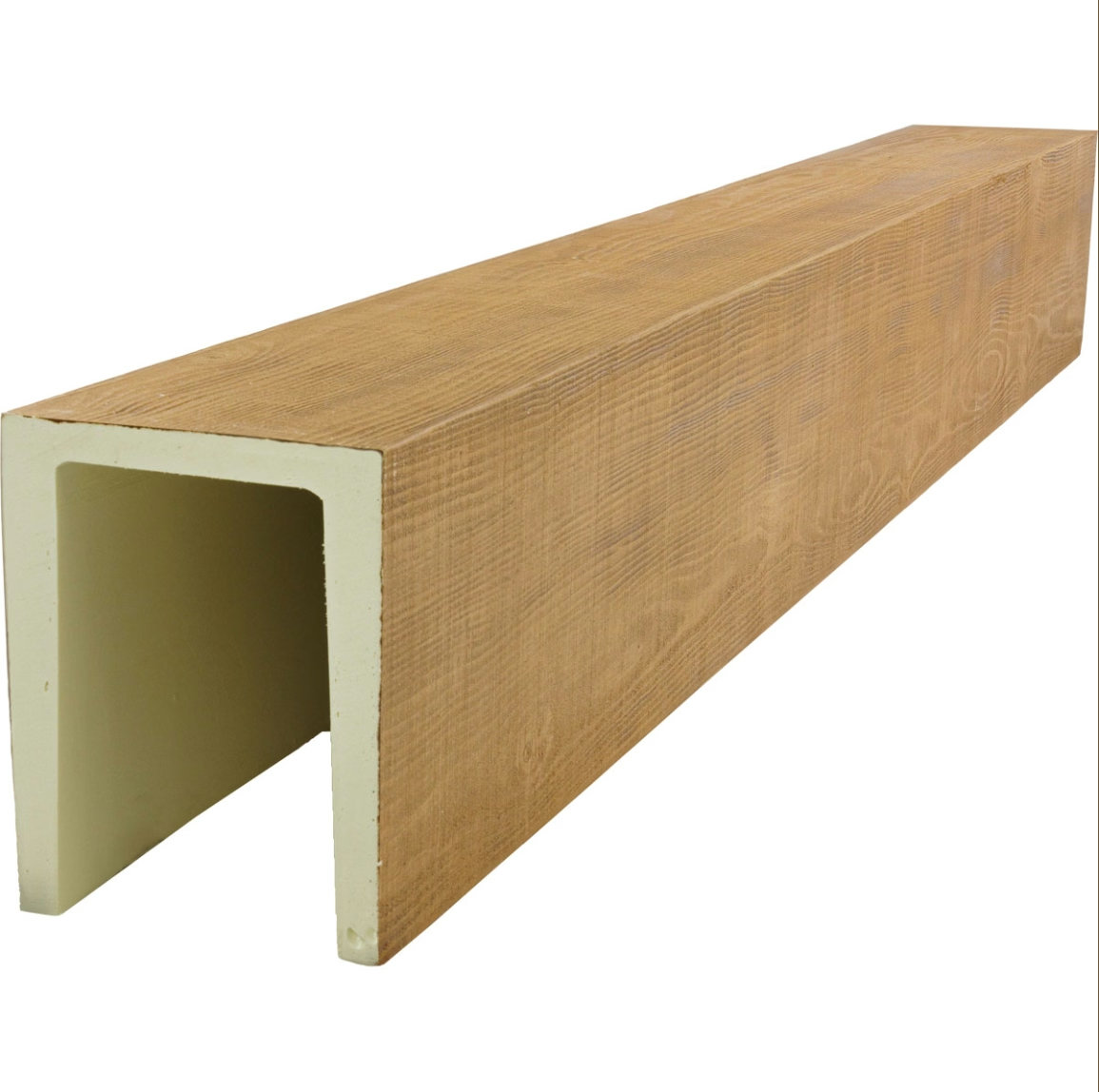
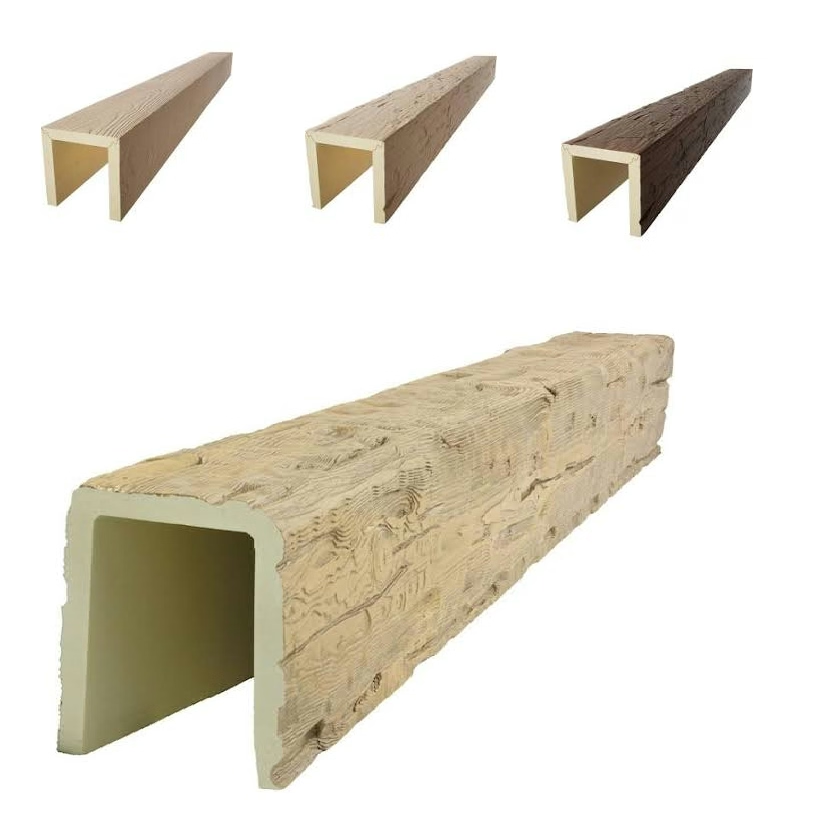
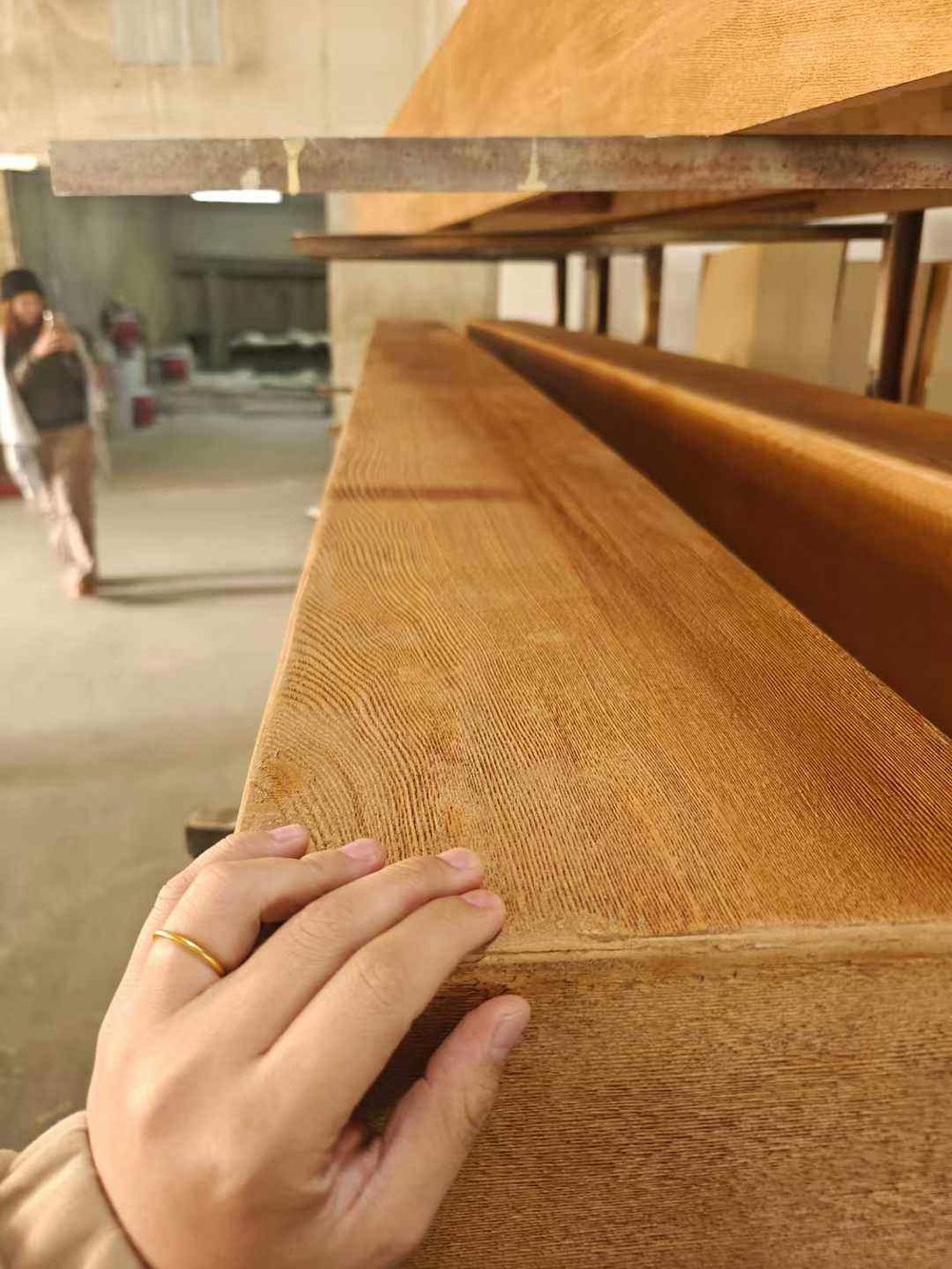
Property owners investing in ceiling beam installations naturally wonder about the commitment they're making. Unlike furniture that can be replaced when trends shift or damage occurs, ceiling beams represent more permanent alterations that deserve careful consideration of long-term performance. Understanding how long polyurethane faux wood beams last helps set appropriate expectations and informs maintenance decisions that maximize service life.
Expected Lifespan Range
Quality polyurethane faux wood beams typically provide service lives ranging from twenty to fifty years under normal conditions. This broad range reflects variations in product quality, installation quality, environmental conditions, and maintenance practices. Premium products installed professionally in favorable environments often exceed forty years, while economy products in challenging conditions might require replacement within fifteen to twenty years.
Manufacturer warranties provide useful lifespan indicators, with coverage periods typically ranging from five years for economy products to limited lifetime coverage for premium offerings. These warranty periods reflect manufacturer confidence in product durability, though actual service often exceeds warranty duration as companies build safety margins into their coverage terms.
The comparison to genuine timber proves instructive. Natural wood in protected interior conditions may last indefinitely with proper maintenance, but wood in challenging environments can deteriorate within a decade. Polyurethane beams provide more predictable performance, maintaining consistent appearance throughout their operational life without the variable deterioration patterns that natural materials display.
Factors Affecting Beam Longevity
Material Quality
The foundation of long beam life begins with material quality established during manufacturing. High-density polyurethane formulations resist impact damage and surface wear better than economy alternatives. These premium formulations incorporate UV stabilizers, impact modifiers, and moisture barriers that extend service life through enhanced resistance to degradation mechanisms.
Manufacturing precision affects both initial appearance and long-term durability. Properly cured products maintain dimensional stability that prevents warping, splitting, or cracking that might compromise appearance over time. Quality control during production ensures that each beam meets standards consistent with premium product expectations.
Surface coating quality determines how well beams resist the environmental exposure that gradually degrades lesser finishes. UV-stable coatings prevent the yellowing and fading that would compromise authentic wood appearance. Scratch-resistant finishes maintain surface integrity despite reasonable handling and cleaning. These coating characteristics contribute substantially to sustained appearance quality.
Installation Quality
Professional installation ensures that beams receive appropriate support and attachment for their intended service. Proper mounting distributes weight appropriately across structural elements capable of supporting imposed loads. Inadequate attachment may allow movement that stresses beam materials and compromises long-term performance.
Environmental protection during installation prevents damage that might not appear until years later. Covering beams during construction prevents dust accumulation, impact damage, and moisture exposure that could affect long-term appearance. This protection proves particularly important in renovation projects where other trades continue working after beam installation.
Sealant and caulk quality at joints and seams prevents moisture intrusion that might compromise beam integrity over time. Quality products specifically designed for polyurethane surfaces ensure compatibility that generic sealants cannot guarantee. This attention to junction details protects against gradual deterioration that visible surfaces might mask.
Environmental Conditions
Indoor applications in climate-controlled environments provide ideal conditions for extended beam service. Stable temperatures, consistent humidity levels, and absence of direct sun exposure allow beams to maintain appearance indefinitely. These protected conditions distinguish interior applications from more challenging exterior or semi-exterior uses.
Indirect sunlight through windows affects beams over years of exposure, with UV-stable products resisting the gradual changes that lesser finishes experience. South and west-facing windows with substantial sun exposure challenge even quality finishes, while north-facing or shaded locations present minimal UV stress. This variation explains why beams in different locations within the same home may age differently.
Moisture exposure whether from humidity, condensation, or water intrusion threatens beam longevity regardless of material quality. Bathrooms, kitchens, and basements present challenging conditions that require attention to both product selection and installation methods. Quality products with moisture-resistant formulations perform better in these applications, though installation details matter equally.
Maintenance Practices That Extend Service Life
Regular Cleaning
Dust and debris accumulation dulls beam finishes over time, reducing the luster that contributes to authentic wood appearance. Weekly dusting using soft, dry or slightly damp cloths maintains surface appearance without introducing moisture that might affect beam materials. This simple maintenance requires minimal time investment while providing substantial appearance benefits.
Periodic deeper cleaning removes accumulated grime that routine dusting cannot address. Mild soap solutions applied with soft cloths, followed by thorough drying, restore appearance without the harsh chemicals that might damage surface finishes. This occasional attention prevents gradual accumulation that might eventually require more aggressive intervention.
Inspection during cleaning identifies potential issues before they become significant problems. Checking for loose fasteners, surface damage, or discoloration allows prompt attention that prevents deterioration escalation. This preventive approach maintains appearance quality while avoiding repair costs that neglected issues would eventually require.
Damage Prevention
Physical impacts from ladders, furniture, or overhead activities can damage beam surfaces despite polyurethane's reasonable impact resistance. Awareness during activities that bring objects near beams prevents damage that might not be immediately apparent but gradually becomes noticeable. This preventive attention costs nothing while protecting investments that repair would otherwise require.
Moisture exposure from cleaning activities, plumbing leaks, or condensation should be addressed promptly to prevent long-term damage. While quality polyurethane tolerates occasional moisture contact, sustained exposure overwhelms even premium materials. Identifying and correcting moisture sources protects beams from deterioration that might not become apparent until significant damage has occurred.
Temperature extremes affect polyurethane differently than natural wood, with rapid changes creating stress that gradual variations do not. Avoiding exposure to heating elements, air conditioning vents, or draft sources that create localized temperature stress prevents the expansion and contraction cycles that might eventually cause cracking.
Periodic Inspection
Annual inspection examining fastener security, surface condition, and environmental exposure helps identify concerns before they affect beam appearance or structural integrity. This inspection requires minimal time while providing assurance that beams continue performing as intended. Documentation of inspection findings helps track condition changes over time.
Professional inspection every five to ten years provides expert assessment that homeowners might not achieve independently. Professionals identify subtle issues that untrained observation might overlook while providing recommendations for any maintenance or repair needs. This periodic professional attention complements regular homeowner inspection.
Addressing identified issues promptly prevents escalation that might eventually require beam replacement. Small repairs completed immediately maintain appearance quality while avoiding costs that delayed attention would compound. This responsive approach maximizes return on beam investment throughout extended service life.
Comparing Durability Across Product Types
Economy Products
Budget polyurethane beams typically incorporate lower-density formulations that reduce manufacturing costs while accepting corresponding durability compromises. These products may dent or scratch more readily than premium alternatives, with surface finishes that fade or yellow faster under UV exposure. Lifespan expectations for economy products typically range from fifteen to twenty years with reasonable maintenance.
Warranty coverage for economy products reflects reduced manufacturer confidence, with periods commonly ranging from one to five years. This limited coverage indicates expectations that economy products will require replacement sooner than premium alternatives. While initial cost savings prove attractive, cumulative replacement costs may exceed premium product investment over time.
Installation in low-visibility locations or temporary applications may justify economy product selection. Garages, basements, or rental properties where long-term appearance matters less may accommodate budget products appropriately. This selective application allows economy products where they serve without requiring premium investment.
Mid-Range Products
Mid-market polyurethane beams balance cost and quality in ways that serve most residential applications effectively. Improved formulations provide better impact resistance and UV stability than economy alternatives while remaining more affordable than premium offerings. Lifespan expectations for mid-range products typically range from twenty to thirty years with appropriate maintenance.
Warranty coverage extending five to fifteen years reflects manufacturer confidence exceeding economy product expectations. This coverage provides reasonable assurance of product quality while indicating expectations for extended service. The warranty period often correlates with actual service life that premium products exceed but economy products may not achieve.
Most homeowner applications find mid-range products provide appropriate value balance. The combination of reasonable cost, reliable performance, and extended lifespan serves typical residential requirements without requiring premium investment. This accessibility has established mid-range products as the volume segment of the market.
Premium Products
Premium polyurethane beams incorporate the highest quality formulations available, with densities, UV stabilizers, and finish systems that maximize longevity potential. These products resist damage and maintain appearance through decades of service, with lifespans potentially exceeding fifty years in favorable conditions. The premium pricing reflects genuine quality differences rather than mere marketing positioning.
Extended warranty coverage, sometimes including limited lifetime terms, indicates manufacturer confidence that premium products will perform throughout extended service. This coverage provides assurance that justifies premium investment for applications where longevity matters significantly. The warranty terms often specify conditions and limitations that informed buyers understand before purchase.
Demanding applications with challenging environmental conditions particularly benefit from premium product selection. Sunlit locations, moisture-prone environments, or high-traffic areas where impact risk increases justify the additional investment that premium products require. The cost difference often proves worthwhile when accounting for reduced replacement frequency and maintained appearance.
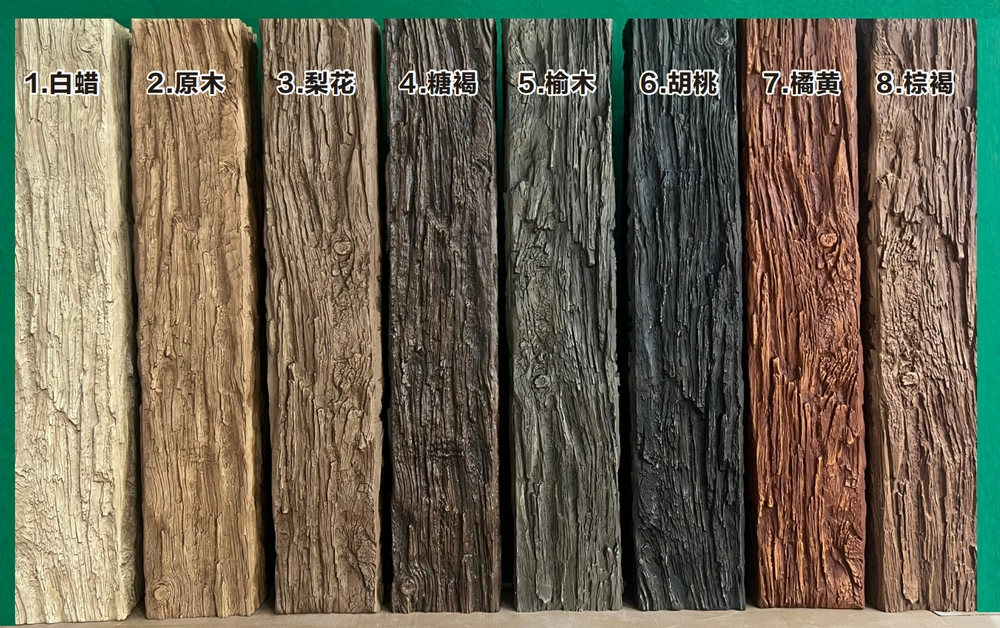
Environmental Factors and Their Effects
Temperature Extremes
Polyurethane tolerates temperature variations within typical indoor ranges without difficulty. However, sustained exposure to temperatures outside normal ranges may affect beam materials over time. Attic installations with extreme summer heat, unheated spaces with winter freezing, and locations near heat sources all present challenges that premium products address more effectively.
Thermal cycling through seasonal temperature changes creates expansion and contraction that stresses materials over time. Premium formulations accommodate these cycles without the cracking or delamination that lesser products might experience. This thermal stability contributes to long-term appearance maintenance in challenging installations.
Direct exposure to heat sources like recessed lighting or heating vents should be avoided regardless of product quality. Even premium polyurethane has temperature limits that localized heat can exceed, creating softening, deformation, or surface damage that undermines appearance and performance.
Moisture and Humidity
Interior humidity fluctuations within normal ranges pose minimal risk to quality polyurethane beams. However, sustained high humidity or direct moisture exposure challenges even premium materials. Bathroom installations, pool enclosures, and kitchens with substantial steam exposure require attention to both product selection and installation methods that prevent moisture intrusion.
Condensation forming on beam surfaces during humid conditions should be addressed through dehumidification or ventilation improvements. While polyurethane resists moisture absorption better than natural wood, sustained surface moisture may eventually affect appearance or adhesion at joints and seams. This preventive attention protects beam investment in challenging applications.
Water intrusion from roof leaks, plumbing failures, or condensation issues threatens beam integrity regardless of material quality. Immediate correction of moisture sources prevents damage that might not become apparent until significant deterioration has occurred. This responsive approach preserves beam appearance and structural performance.
UV Exposure
Interior locations without direct sunlight exposure present minimal UV challenges for any polyurethane product. These protected conditions allow even economy products to maintain appearance throughout extended service. The absence of UV stress removes one degradation mechanism that limits performance in more challenging applications.
Windows admitting substantial sunlight introduce UV exposure that affects beam appearance over time. South and west-facing windows with direct afternoon sun create the most challenging conditions. Premium UV-stable finishes resist this exposure effectively, maintaining authentic wood appearance despite years of sun exposure that would quickly degrade lesser products.
UV intensity varies with window treatments, glazing options, and geographic location. Homes in sunny climates experience more challenging UV exposure than those in overcast regions. This variation affects product selection recommendations, with premium UV-stable products particularly valuable in high-exposure situations.
Signs That Replacement May Be Needed
Visible deterioration including significant fading, yellowing, or surface degradation indicates that beam appearance can no longer meet original expectations. While quality maintenance can slow these processes, eventual replacement becomes appropriate when appearance compromises overall room quality. This gradual onset provides ample warning for planning purposes.
Physical damage including cracks, dents, or delamination may occur despite reasonable care. Major impact events, settling movement, or construction damage can create damage that repair cannot adequately address. When damage affects structural integrity or appearance significantly, replacement provides the only satisfactory solution.
Style obsolescence occasionally motivates replacement even when physical condition remains serviceable. Changing design preferences may make existing beams feel dated, with replacement serving aesthetic rather than functional purposes. This motivation reflects personal preference rather than product failure, occurring regardless of actual beam performance.
Maximizing Your Investment
Careful product selection based on actual application requirements prevents overpaying for unnecessary quality while avoiding disappointment from inadequate alternatives. Matching product tier to environmental challenges and appearance expectations ensures appropriate value without unnecessary premium expense. This considered approach optimizes return on investment across all budget levels.
Professional installation ensures that product quality translates into satisfactory performance. The additional cost of professional work often proves economical through improved outcomes and reduced remediation needs. This installation investment protects larger product investment from compromise that amateur execution might produce.
Consistent maintenance throughout ownership maintains appearance quality that justifies initial investment. The modest time and material requirements of proper maintenance prevent gradual deterioration that diminishes returns. This ongoing attention costs far less than replacement while providing substantially greater benefit.
Understanding realistic expectations helps property owners appreciate what quality polyurethane beams provide while accepting their limitations. These manufactured products deliver authentic timber aesthetics through practical approaches that serve most applications admirably. With appropriate selection, installation, and maintenance, polyurethane faux wood beams provide decades of satisfying service that enhances interior spaces throughout their operational life.
Technical References
ASTM standards cited in every specification
Test Data
Lab results from internal testing program
Updated 2026
Reviewed against current product specs