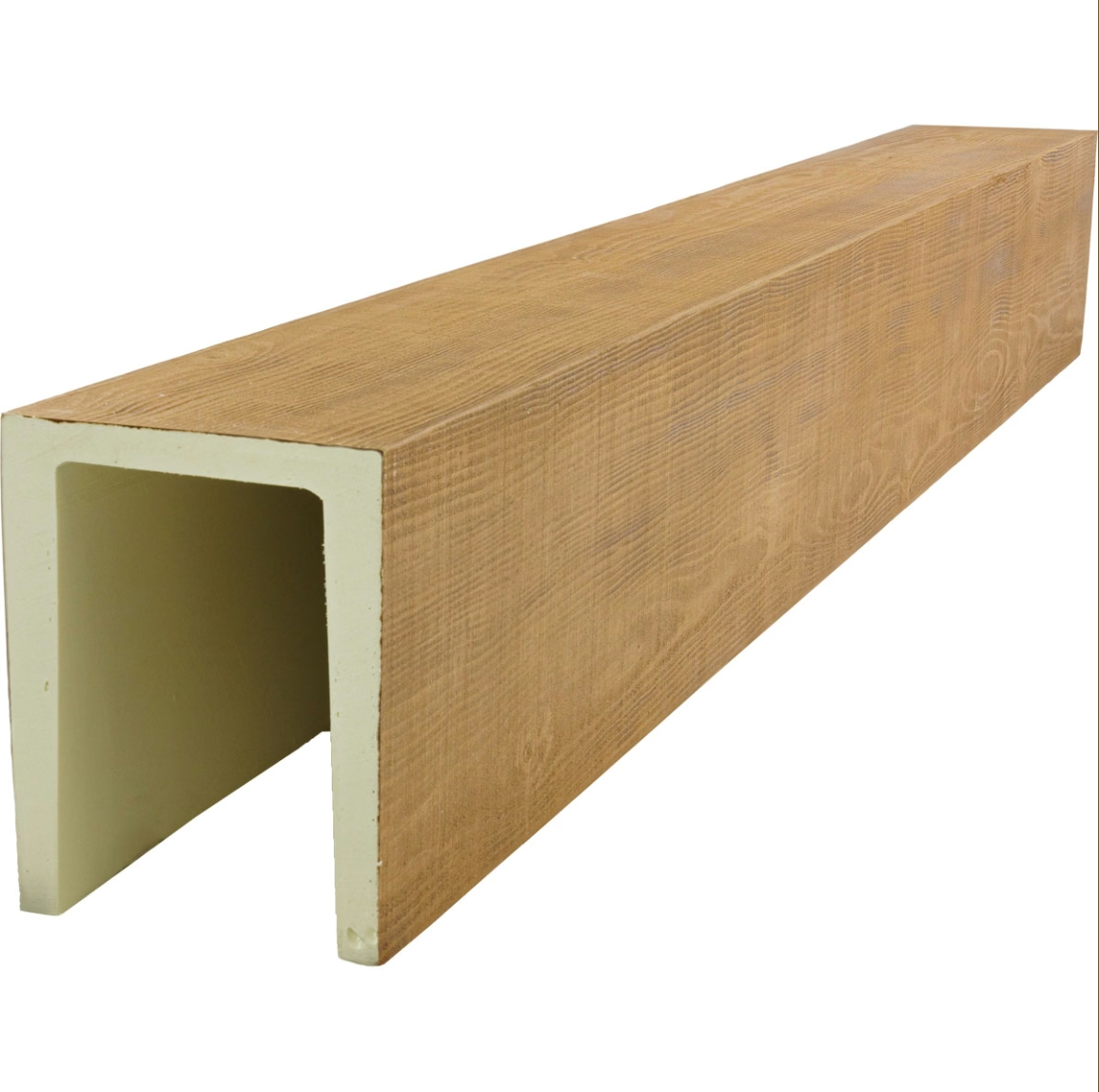
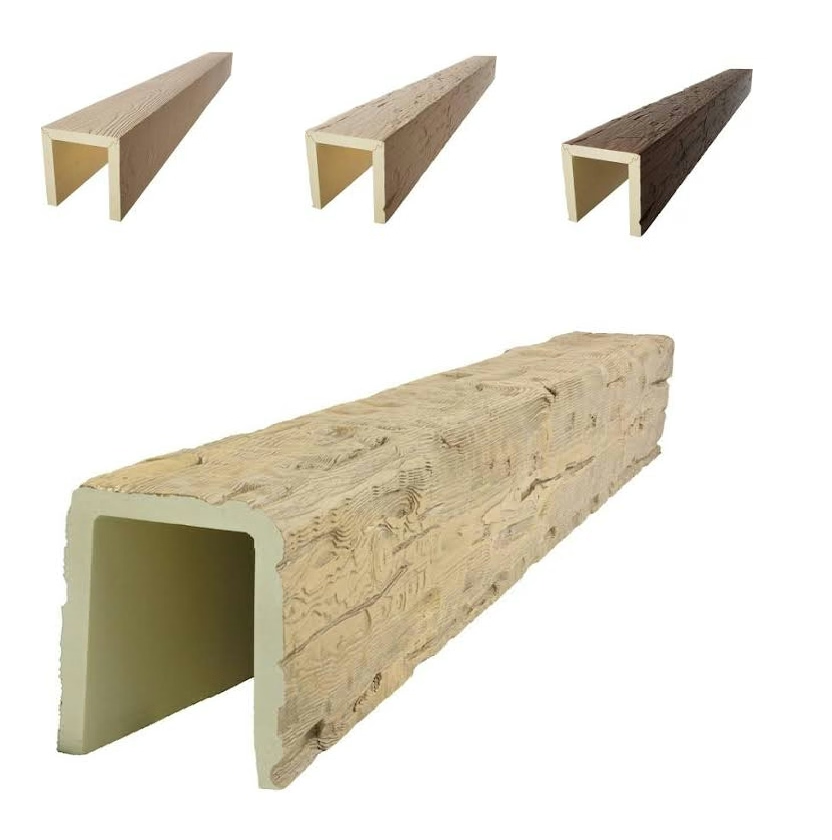
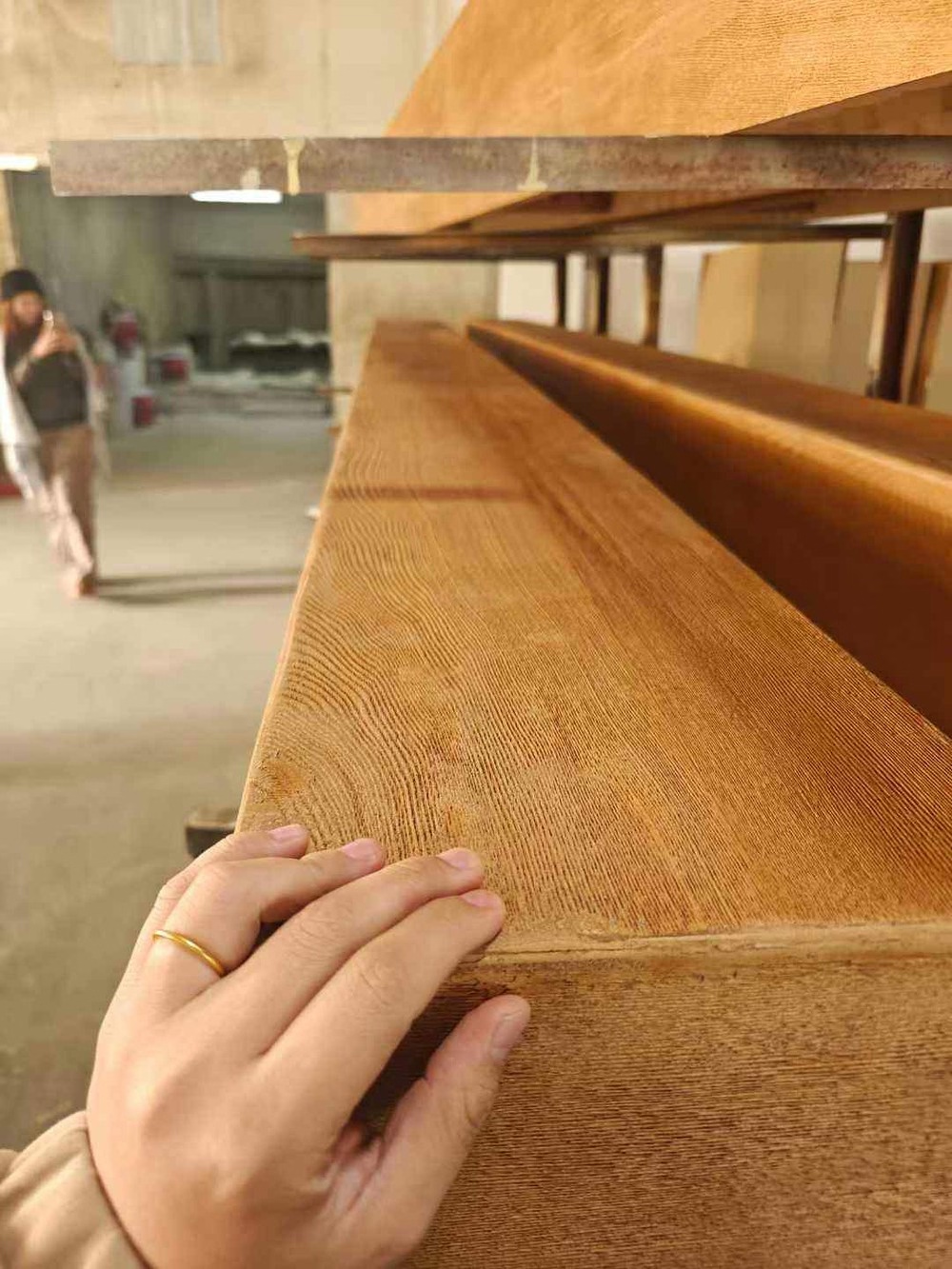
The vocabulary of construction materials has expanded considerably over the past twenty years, with terms like engineered wood, composite lumber, and PVC trim becoming familiar even to homeowners who spend little time in hardware stores. Among these newer entrants, polyurethane fake wood beams occupy a particularly interesting position because they serve an explicitly aesthetic function rather than primarily structural one. These beams exist to look like wood and to create the visual impression of architectural timber, not to bear loads or provide structural support. Understanding the material science behind polyurethane helps explain why it has become the preferred substrate for achieving realistic wood appearances in overhead applications.
Polyurethane is a polymer created through a chemical reaction between polyol and diisocyanate compounds. When these components combine in precise proportions with catalysts and blowing agents, they generate a foam that expands to fill its mold while curing into a rigid cellular structure. The resulting material offers remarkable versatility: formulation chemists can tune density, hardness, flexibility, and surface characteristics by adjusting ingredient ratios and processing conditions. This tunability is what allows manufacturers to produce polyurethane beams optimized for different applications, from lightweight decorative profiles to structural components requiring higher density.
The Material Properties That Make Polyurethane Ideal for Faux Beams
The density of polyurethane foam used in faux wood beams typically ranges from 4 to 12 pounds per cubic foot, placing it in a category often described as semi-rigid foam. At these densities, the material provides enough structural integrity to maintain its shape under normal conditions while remaining light enough for single-person handling. An eight-foot beam with a four-inch-by-six-inch profile manufactured at standard density will weigh approximately 4 to 6 pounds total, compared to 50 to 80 pounds for a comparable solid wood beam. This weight reduction transforms the logistics of ceiling installation from a logistical challenge into a manageable task for one person with basic tools.
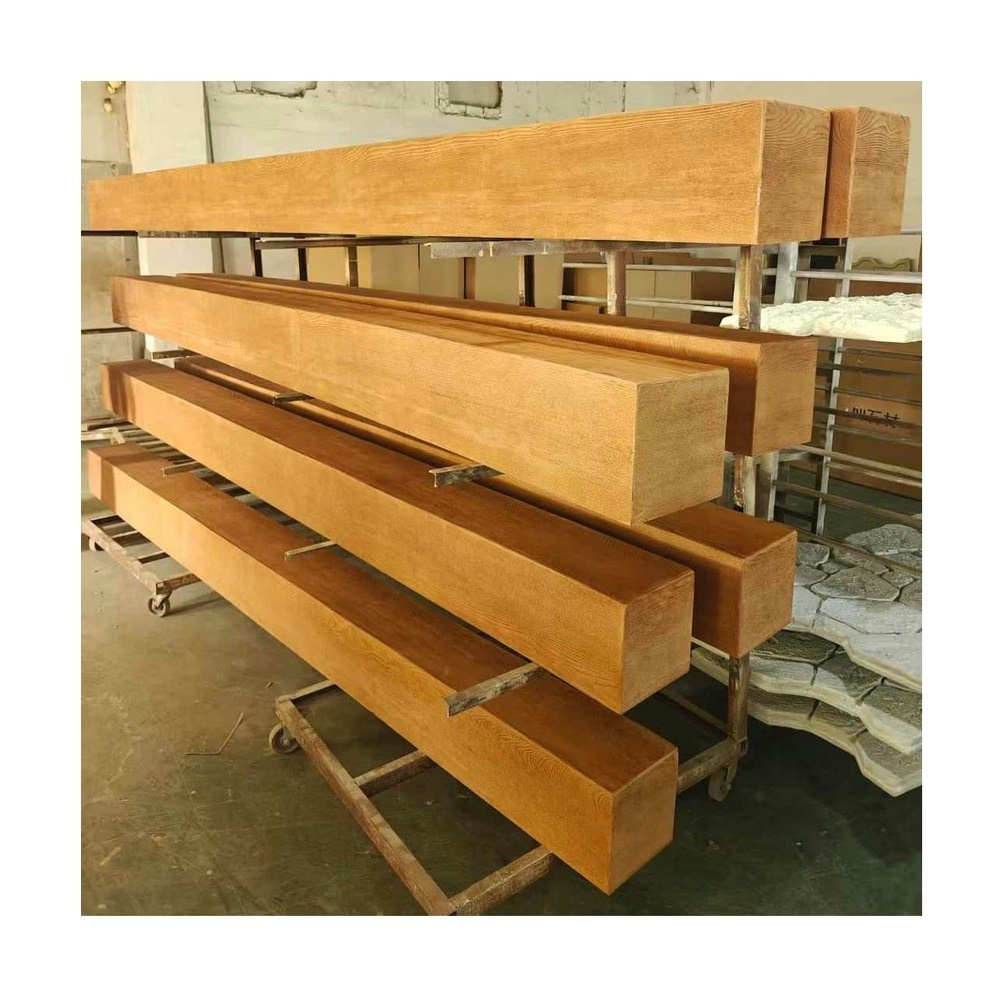
Surface replication quality in polyurethane beams depends on a combination of mold-making precision and finishing artistry. High-quality mold making begins with genuine wood samples that showcase the specific grain patterns, checking patterns, and weathering characteristics of the target species. A silicone rubber mold taken from this original captures every surface detail at molecular-level fidelity. When polyurethane fills this mold and cures, it produces a negative impression that becomes the positive surface of every subsequent beam cast from that mold.
The finishing process that follows molding adds the color and depth that separates convincing faux wood from obvious imitation. Trained finish technicians apply stains, glazes, and toners in layered sequences that build complexity, mimicking the way natural wood color varies across annual rings, earlywood to latewood transitions, and weathered surface exposures. The goal is not flat color but nuanced tonal variation that responds to changing light conditions in the same way genuine wood does, darkening slightly in shadowed areas and warming under direct illumination.

How Polyurethane Beams Compare to Alternative Materials
The market for faux wood beams includes several competing materials, each with distinct characteristics that affect performance and suitability for different applications. Medium-density fiberboard with wood veneer faces represents the most traditional alternative, offering a genuine wood surface over an engineered core. MDF beams provide authentic wood grain texture and accept stains reasonably well, but they are significantly heavier than polyurethane and highly susceptible to moisture damage. A beam installed in a kitchen or bathroom where humidity fluctuates will absorb moisture through exposed end cuts, causing swelling and delamination that ruins the appearance over time.
PVC foam boards constitute another alternative category, particularly for exterior applications where moisture resistance is paramount. Interior use of PVC beams is less common because the material lacks the surface texture possibilities of polyurethane and typically exhibits a plasticky appearance that fails to convince even casual observers. PVC also expands and contracts with temperature changes more dramatically than polyurethane, which can cause joints to separate over seasonal cycles.
Polystyrene foam beams occupy a lower price tier but offer significantly compromised performance in most respects. Polystyrene lacks the surface detail fidelity of polyurethane, showing smooth spots and mold-release marks that require extensive post-processing to conceal. More critically, polystyrene is combustible and produces toxic gases when burned, making it inappropriate for interior ceiling applications in most building codes. Polyurethane formulations used by quality manufacturers include fire retardant additives that meet interior finish standards, providing an important safety advantage.
Genuine reclaimed timber remains the benchmark against which all faux alternatives are measured, and honest comparisons acknowledge that authenticity has value that cannot be fully quantified. The history embedded in reclaimed wood, the unique character of each piece, and the genuine material satisfaction of living with authentic aged timber represent real benefits that polyurethane cannot replicate. However, the practical realities of weight, cost, availability, and maintenance also favor polyurethane for the majority of applications where aesthetic goals can be achieved with engineered alternatives.
Design Applications Across Residential Settings
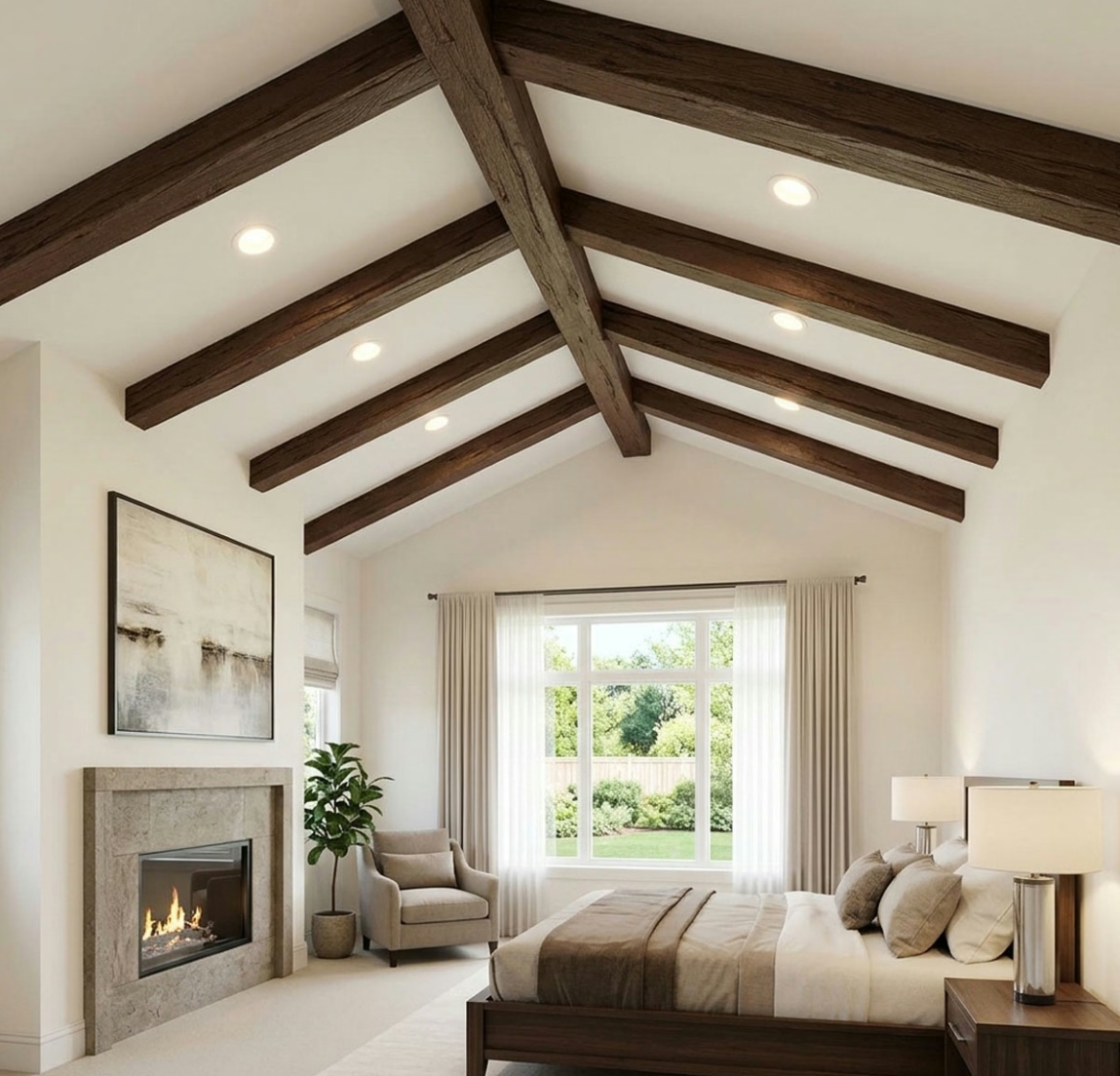
The application range for polyurethane faux wood beams spans virtually every residential setting where ceiling character is desired. Great rooms and living areas benefit from substantial beams that establish visual anchoring and architectural scale. Kitchens, where timber beams historically protected against smoke and heat from open fires, now provide purely aesthetic warmth that counterbalances stainless steel appliances and stone countertops. Bedrooms gain intimacy from smaller beams that define sleeping zones without overwhelming the space.
Vaulted and cathedral ceilings represent particularly compelling applications for polyurethane beams because the installation challenges multiply with ceiling height. Working at twelve or fourteen feet requires scaffolding or lifts even for lightweight materials, and reducing beam weight from 70 pounds to under 5 pounds per linear foot dramatically improves workability at elevation. Contractors who specialize in vaulted ceiling installations report that foam beams allow them to complete projects in a fraction of the time required for timber equivalents, with corresponding reductions in labor cost and physical risk.
Basement finishing projects benefit from the moisture resistance of polyurethane in ways that would make genuine timber impractical. Finished basements often suffer from humidity variations that cause wood movement and deterioration, problems that foam beams sidestep entirely. Homeowners finishing basements with recreational or entertainment goals can add ceiling beams to create upscale atmosphere without worrying about the moisture sensitivity that would plague authentic timber in below-grade spaces.
Care, Durability, and Service Life Considerations
Quality polyurethane faux wood beams are engineered for decades of reliable service under normal interior conditions. The material resists the moisture absorption, insect damage, and rot that affect natural wood, and it maintains dimensional stability through seasonal humidity fluctuations without the expansion and contraction that causes cracking in genuine timber. These inherent material advantages translate directly into longer service life with less maintenance intervention required.
Physical durability under normal use conditions is excellent, with beams maintaining their finish and structural integrity through years of ceiling exposure. The polyurethane core resists impacts that would dent or crack genuine wood, though sharp objects applied with significant force can damage the surface. If damage occurs, repair is straightforward: automotive body filler compounds fill small dents and gouges, sand smooth, and accept stain for color matching. This repairability compares favorably to genuine wood, which may require piece replacement when damaged.
UV exposure through windows and skylights can cause gradual color change in any finish material over extended periods. Positioning beams away from direct sunlight extends their like-new appearance, but most installations in typical homes receive only indirect light that produces negligible fading over years of service. For rooms with significant direct sun exposure, selecting lighter finish tones or UV-resistant topcoat options reduces the rate of visible change over time.
The environmental profile of polyurethane beams compares favorably to many alternative materials when full lifecycle impacts are considered. The lightweight shipping reduces fuel consumption in transportation, the durability eliminates replacement frequency, and the lack of ongoing maintenance reduces consumable product use. While polyurethane is derived from petrochemical feedstocks, the overall environmental footprint of a quality beam installation is competitive with or favorable to equivalent genuine wood or composite alternatives.
The practical combination of realistic appearance, exceptional handling characteristics, broad application range, and long-term durability makes polyurethane fake wood beams a material choice that continues gaining acceptance among homeowners, designers, and builders who value both aesthetic outcomes and practical performance. As manufacturing techniques continue improving, the gap between polyurethane and genuine wood in terms of visual authenticity narrows further, reinforcing the material's position as a preferred choice for ceiling beam applications across the residential market.
Technical References
ASTM standards cited in every specification
Test Data
Lab results from internal testing program
Updated 2026
Reviewed against current product specs