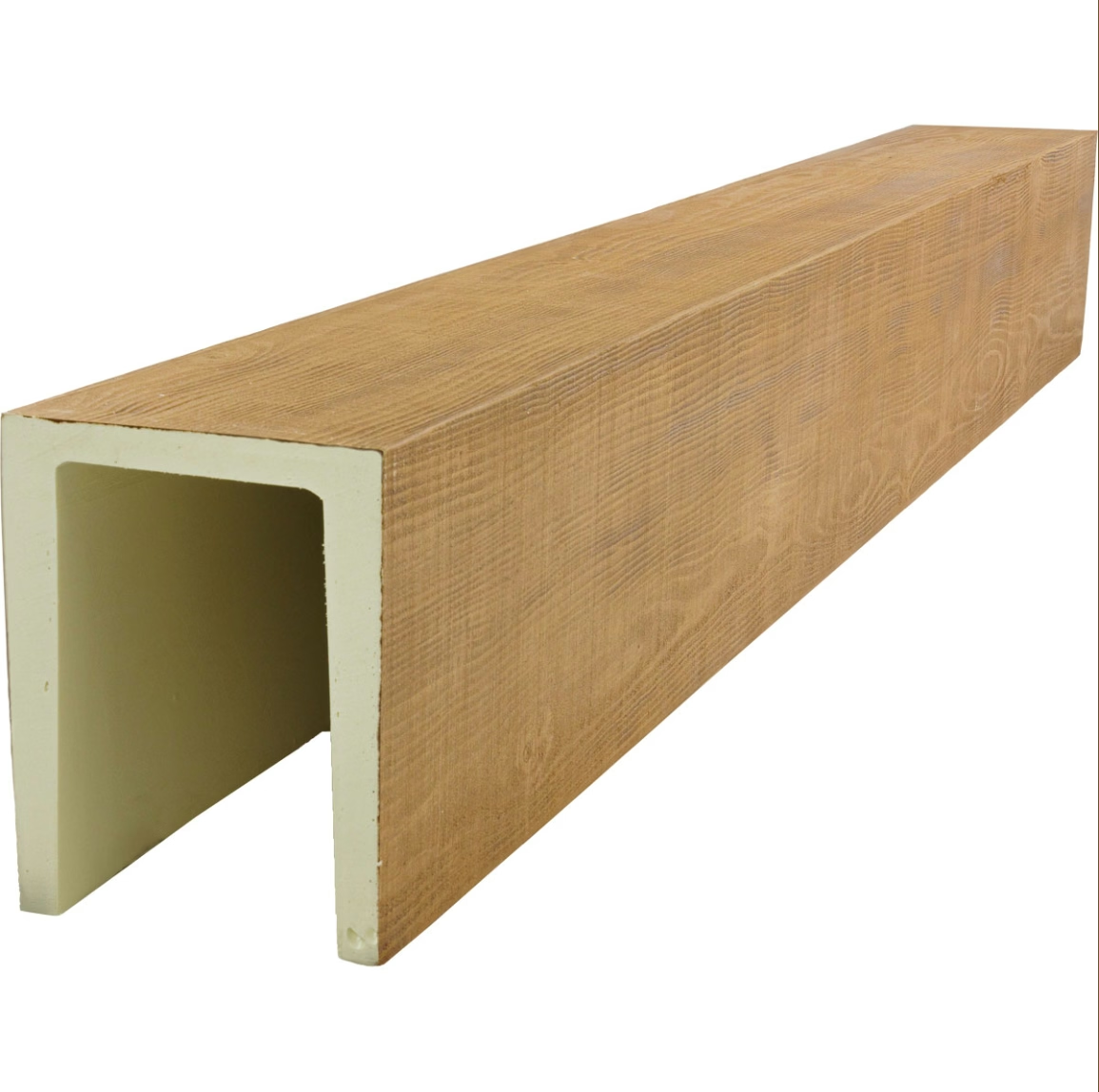
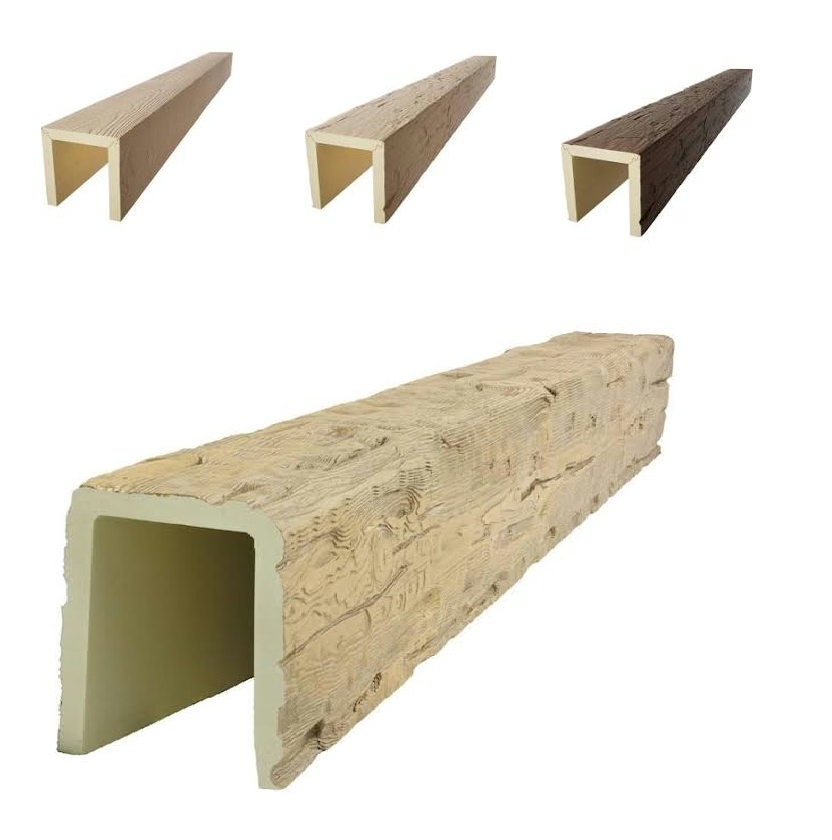
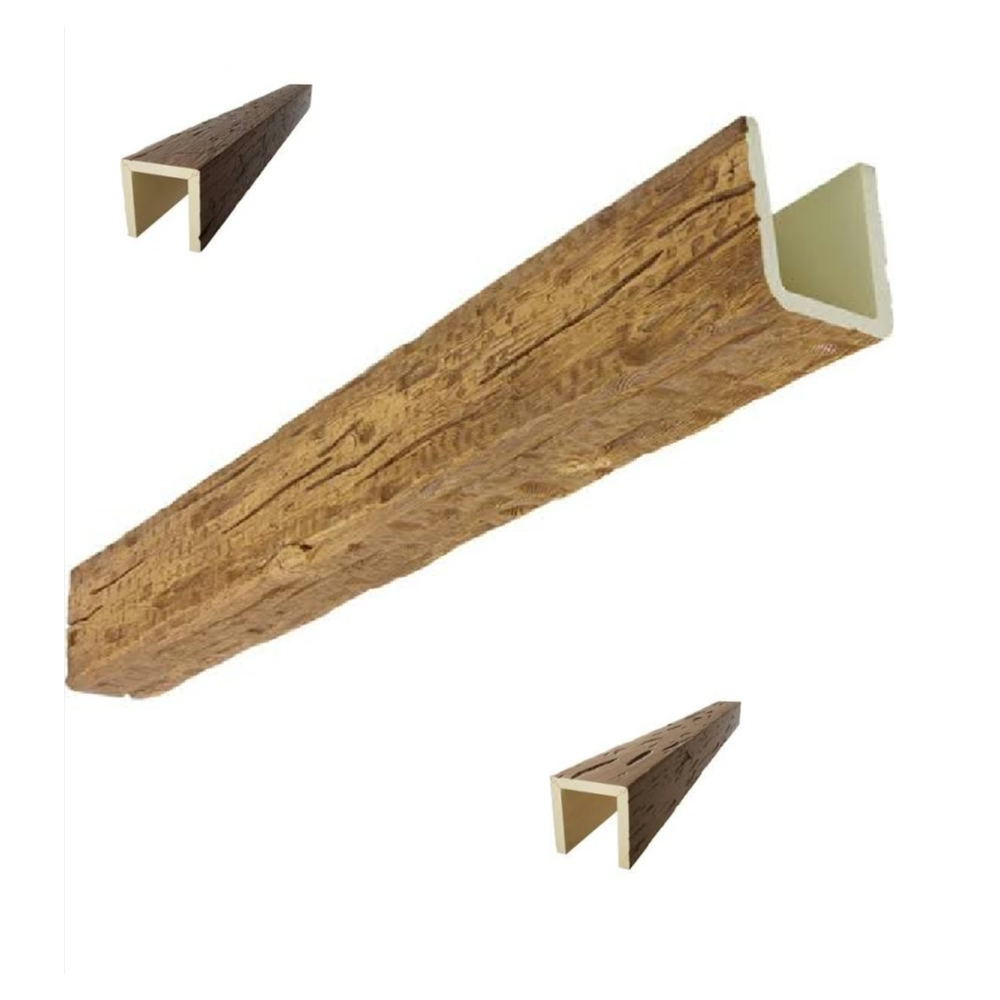
When homeowners and designers first encounter hollow PU faux wood beams, the reaction is often disbelief. These hollow-core architectural elements capture the rich texture of aged oak, the elegant grain of walnut, and the rustic character of reclaimed barn wood with remarkable accuracy. Yet when you lift one, the surprise is immediate—this piece that looks like solid timber weighs barely a few pounds.
The engineering behind hollow PU faux wood decor beams represents a significant advancement in decorative building materials. Traditional wood beams, whether structural or purely aesthetic, impose considerable load requirements on ceiling systems. A solid Douglas fir beam spanning twelve feet might weigh 80 to 120 pounds, necessitating proper support infrastructure, ceiling reinforcement, or specialized mounting hardware. Hollow PU alternatives achieve convincing visual impact while typically weighing just 3 to 8 pounds per linear foot, depending on profile size.
The Hollow Construction Advantage
The hollow interior of these polyurethane beams serves multiple practical purposes beyond weight reduction. Air trapped within the interior cavity provides natural thermal insulation, helping to regulate temperature fluctuations between living spaces and unconditioned attics or upper floors. This passive insulation effect proves particularly valuable in regions experiencing extreme seasonal temperatures, where ceiling treatments can significantly impact HVAC efficiency and occupant comfort.
Acoustic properties also benefit from the hollow-core design. Sound waves entering the beam cavity encounter resistance and experience partial absorption, reducing echo and improving the overall acoustic character of the room. Spaces with high ceilings often suffer from excessive reverberation, making conversation difficult and ambient noise problematic. The strategic placement of hollow PU beams can help tame these acoustic challenges while simultaneously delivering visual warmth.
Structural engineers appreciate how hollow PU beams eliminate the compressive loads associated with traditional timber. In renovation scenarios where existing ceiling frameworks were never designed to support decorative beams, hollow PU products allow designers to achieve their aesthetic vision without compromising building integrity. Historic properties, in particular, benefit from this lightweight approach, as drilling into aged timbers or adding substantial point loads can accelerate deterioration in structures that have survived for generations precisely because they weren't overloaded.
Design Versatility in Residential Applications
Living rooms frequently showcase hollow PU faux wood beams as focal points. Exposed beam ceilings in mountain cabins, farmhouse-style kitchens, and contemporary great rooms all welcome these lightweight alternatives. The ability to stain, paint, or seal PU beams means they integrate seamlessly with existing woodwork, whether matching warm honey oak cabinetry or contrasting against crisp white shiplap walls.
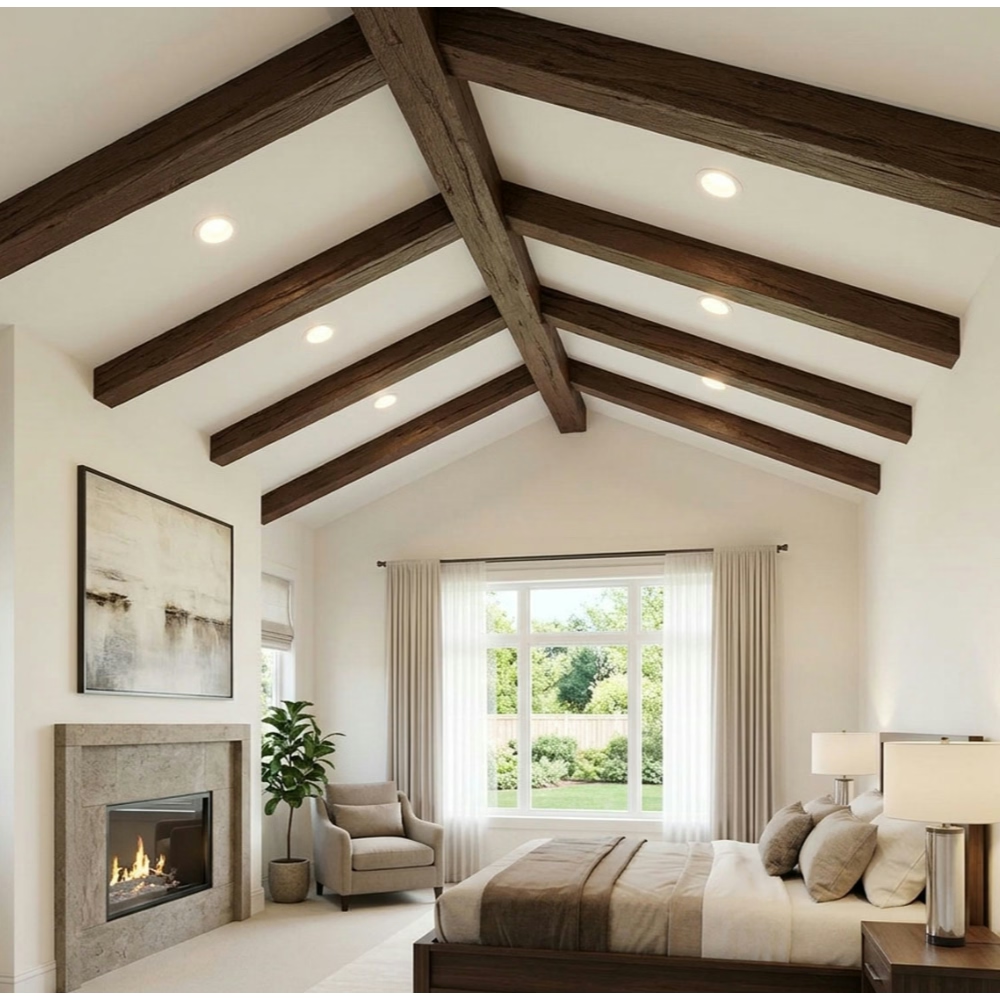
Bedroom ceilings present another compelling opportunity for hollow PU beam installation. Coffered ceiling designs—traditionally requiring substantial structural support—are now achievable in standard residential construction using lightweight materials. Homeowners seeking to add architectural interest to master suites can incorporate beam grids that define sleeping areas without the bedroom feeling cramped or overloaded visually.
Home theaters benefit from the acoustic advantages of hollow beam construction. Media rooms often employ strategic beam placement to manage sound reflection while creating an intimate, focused atmosphere. The wood-textured appearance adds warmth that transforms utilitarian spaces into comfortable entertainment zones.
Commercial Applications and Retail Environments
Restaurant designers have embraced hollow PU faux wood beams as a cost-effective method for creating rustic, cabin-like atmospheres in dining spaces. Wood-beam ceilings evoke warmth, comfort, and craftsmanship—qualities that enhance the dining experience and encourage customers to linger. Since hollow PU beams resist moisture absorption, they perform well in kitchen-adjacent areas where traditional wood might warp, cup, or develop mold issues over time.
Boutique hotels and bed-and-breakfast establishments use these lightweight beams to create distinctive room character. Rather than building out with structural timber that requires engineering review and significant installation labor, properties can install hollow PU beams during room refreshes or new construction with minimal disruption to ongoing operations.
Retail showrooms benefit similarly. A furniture store displaying rustic farmhouse collections can install matching beams overhead to complete the vignette without ceiling reinforcement costs. The lightweight nature means a single installer can accomplish what would previously require two people and specialized equipment for solid wood equivalents.
Installation Best Practices
Successful hollow PU beam installation begins with proper planning and surface preparation. Ceiling joists or underlying support structures must be clean, dry, and capable of securing mounting hardware firmly. While the beams themselves add minimal load, the mounting system must reliably support the beam weight plus any environmental factors like wind loading in earthquake-prone regions or areas with seismic activity.
Mounting methods vary based on ceiling construction and beam profile. Direct attachment to wooden joists typically involves construction adhesive combined with mechanical fasteners driven through the beam wall into the joist structure. For masonry or concrete ceilings, appropriately rated anchors and lag shields provide secure attachment points. Suspended ceiling installations may utilize aircraft cables or threaded rods passing through the beam hollow to connect with overhead structural elements.
Trimming and cutting hollow PU beams presents no particular difficulty—standard wood-cutting tools work effectively. However, installers must consider how exposed hollow ends will appear. Many beam profiles include end caps or decorative trim pieces designed to conceal cut edges. Planning cuts to occur at joist locations allows mounting hardware to hide imperfect cuts while maintaining clean appearance.
Finishing and Maintenance Considerations
One advantage of polyurethane faux wood beams is their receptiveness to various finishes. Wood stains penetrate the material surface and develop convincing color variations mimicking natural timber grain. For uniform color coverage, standard latex or oil-based paints adhere well after appropriate priming. Some designers appreciate the factory-finished appearance of PU beams, which may arrive with convincing wood-tone coloration already applied.
Maintenance requirements for hollow PU beams are minimal compared to natural wood. Unlike timber that may crack, split, or develop insect damage over time, polyurethane resists common wood-degrading factors. The material doesn't rot, doesn't absorb moisture significantly, and isn't susceptible to termite or carpenter ant damage. Cleaning typically involves nothing more than periodic dusting or wiping with a damp cloth.
Long-term appearance retention depends partly on installation environment. Direct sunlight exposure may cause gradual color changes in some finishes over years, though UV-resistant sealants help mitigate this effect. In high-humidity environments, ensuring adequate ventilation prevents moisture accumulation within beam cavities, though the polyurethane material itself tolerates humidity without deterioration.
Cost Analysis and Value Proposition
The economics of hollow PU faux wood beams favor their adoption across many project types. Material costs typically range from $20 to $60 per linear foot depending on profile complexity and finish quality—significantly less than comparable solid wood or engineered timber alternatives. However, the true value emerges when considering total installed costs.
Labor expenses decrease substantially when working with lightweight materials. Installations that would require two workers for solid wood beams can often proceed with a single installer for hollow PU products. Specialized equipment for lifting heavy timbers becomes unnecessary, reducing job site complexity and potential damage risks. Faster installation also translates to reduced labor costs and earlier project completion.
When factoring in eliminated structural reinforcement requirements, the cost advantage becomes even more pronounced. A renovation project that might require engineering review, permit fees, and structural upgrades to support solid timber could proceed without these expenses using hollow PU alternatives. The aesthetic outcome may be indistinguishable to casual observers while delivering meaningful budget savings.
The durability and longevity of polyurethane also contribute to lifecycle cost advantages. Natural wood may require refinishing, pest treatment, or eventual replacement—expenses that hollow PU beams typically avoid throughout their extended service life. Building owners benefit from stable, predictable maintenance costs rather than reactive repairs triggered by wood deterioration.

Environmental Considerations
While hollow PU beams derive from petroleum-based raw materials, several environmental factors favor their use over harvest-dependent alternatives. Solid wood beams—whether from sustainable forestry operations or reclaimed timber sources—require significant land, water, and energy resources for production and transportation. The lightweight nature of hollow PU products reduces fuel consumption during shipping, often allowing more beams per truckload and fewer deliveries to job sites.
Polyurethane's long service life means fewer replacements over building lifespan, reducing cumulative material consumption. Buildings that would replace deteriorating wood beams multiple times over decades can maintain consistent appearance with single PU beam installations. The material's resistance to moisture, insects, and decay contributes to this extended service expectation.
Some manufacturers now incorporate recycled content into their hollow PU beam production, further improving environmental profile. Post-industrial recycled plastics and other recovered materials find second lives in these architectural products, diverting waste from landfills while producing functional building materials.
Future Trends and Market Direction
The hollow PU faux wood beam market continues evolving with improved textures, finishes, and profile options. Manufacturers invest in mold-making technologies that capture increasingly authentic wood character—fine grain details, natural checking patterns, and subtle color variations that distinguish premium products from budget alternatives.
Smaller profile beams represent an emerging category gaining traction in contemporary interior design. Rather than massive timber-look beams dominating spaces, designers increasingly specify slender, refined beam profiles that add architectural interest without overwhelming rooms. Hollow PU construction makes these finer proportions practical and affordable.
Integrated functionality represents another development direction. Some manufacturers explore incorporating LED lighting channels within beam profiles, speaker mounting points, or ventilation routing within the hollow cavities. These value-added features appeal to contractors and designers seeking multifunctional solutions that simplify construction coordination.
The market continues expanding as more architects, designers, and building owners discover the practical advantages of hollow PU faux wood beams. What began as a niche product category has matured into a mainstream ceiling treatment option serving diverse applications across residential and commercial construction.
Technical References
ASTM standards cited in every specification
Test Data
Lab results from internal testing program
Updated 2026
Reviewed against current product specs