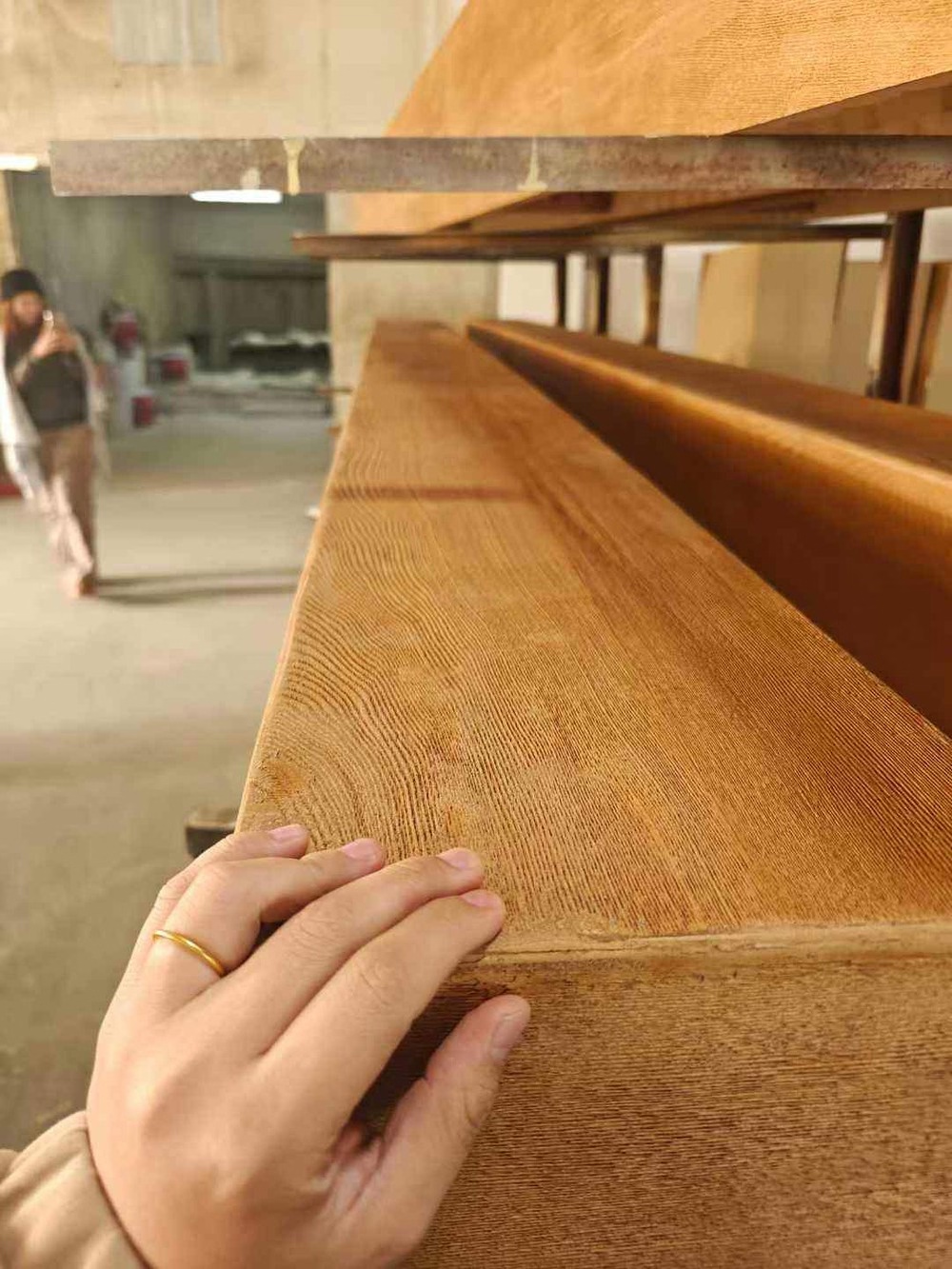
The word "plastic" carries mixed connotations in construction contexts. It might suggest cheap imitations, throwaway aesthetics, or environmental concerns. Modern plastic PU composite faux wood beams defy these stereotypes, representing sophisticated material engineering that solves problems genuine wood cannot address. The composite formulation combines polymer chemistry with wood-mimicking aesthetics, creating products that satisfy both practical and visual requirements.
Composite construction refers to combining different materials to achieve properties unavailable from single materials alone. In beam manufacturing, this means polymer matrices reinforced with structural additives, surface layers engineered for realistic wood appearance, and core materials optimized for weight reduction. Each component serves specific purposes; the combination delivers comprehensive performance.
The Technology Behind PU Composite Beams
Polyurethane forms the foundation of composite beam technology. This versatile polymer accepts custom formulations that achieve varied densities, surface characteristics, and structural properties. By adjusting chemical composition during manufacturing, producers create products tailored to specific performance requirements:
High-density outer layers provide durable surfaces that accept stains, paints, and sealants effectively. These layers also capture fine surface details—wood grain patterns, texture variations, edge profiles—that create convincing timber appearance. The density here serves finish quality and surface resistance.
Medium-density structural cores provide form and rigidity without excessive weight. These cores resist flexing and maintain straightness across spans. Formulation adjustments allow precise control over rigidity, enabling profile designs that balance appearance with performance.
Low-density inner materials reduce weight in areas where appearance doesn't matter. Some products use foam cores; others use hollow construction. Both approaches eliminate unnecessary mass from interior volumes where visual and structural requirements don't apply.
Advantages Over Alternative Materials
Plastic PU composites offer benefits that other beam options cannot match:
Moisture resistance exceeds all-wood alternatives dramatically. Natural wood absorbs water, leading to swelling, warping, cupping, and eventual decay. Polyurethane composites resist moisture absorption entirely, maintaining dimensions and appearance despite humid conditions. This resistance makes composite beams ideal for bathrooms, kitchens, swimming pool areas, and exterior applications where wood would struggle.
Insect immunity eliminates pest concerns that affect timber. Termites, carpenter ants, and wood-boring beetles cannot damage polyurethane. Buildings in termite-prone regions benefit from decorative elements that won't be consumed or structurally compromised by pest activity.
Thermal stability prevents the expansion and contraction that affects natural wood seasonally. As humidity and temperature fluctuate, wood moves—sometimes dramatically. Composite beams maintain consistent dimensions, preventing gaps, alignments, and appearance changes that thermal cycling causes in timber.
Surface consistency provides uniform appearance throughout the installation. Natural wood varies—each board differs in grain, color, and character. Composites can be manufactured to precise specifications, ensuring that every beam matches the intended appearance exactly.
Installation Advantages
The composite formulation contributes to installation simplicity:
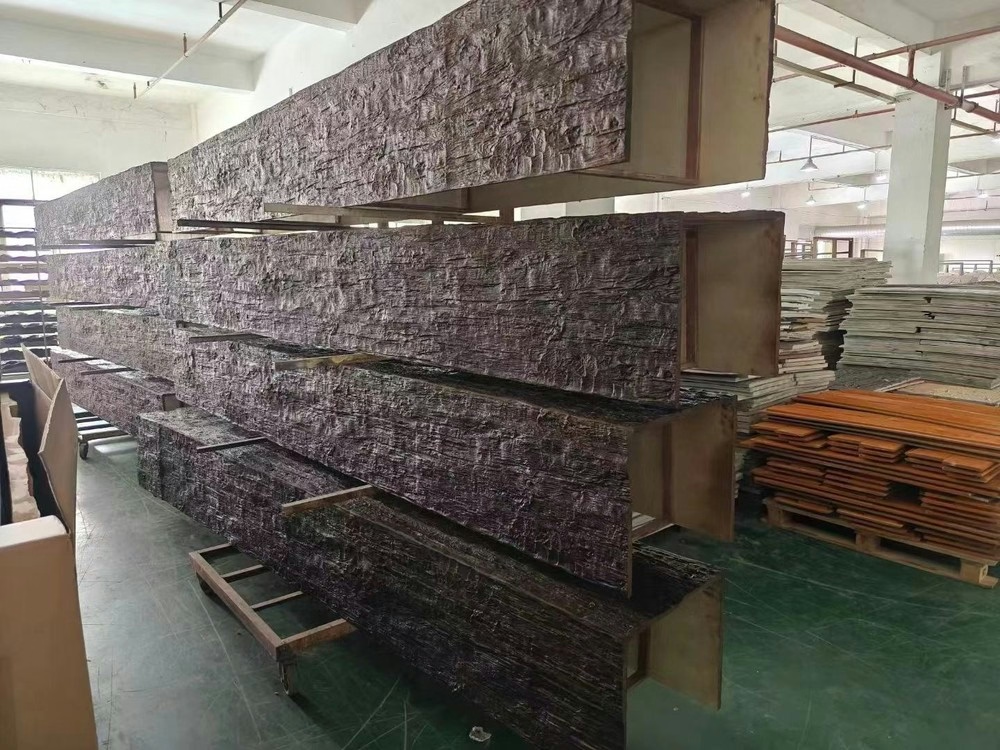
Lightweight handling results from foam and hollow-core construction. Beams that appear massive weigh surprisingly little, enabling single-person installation and eliminating equipment requirements that heavier alternatives would impose.
Clean cutting produces smooth edges without tear-out or splintering. Wood-cutting tools work effectively on composite materials, but the cut quality often exceeds wood—composites don't splinter or chip at cut edges the way natural wood sometimes does.
Consistent dimensions eliminate the surprises that timber sometimes delivers. Warped, twisted, or bowed wood complicates installation; composite beams arrive straight and stay straight, making alignment straightforward.
Pre-finished surfaces eliminate on-site finishing in many cases. Factory-applied stains, sealants, or paints provide completed appearance without the dust, odor, and time that finishing would require.
Finishing Options
Composite beams accept various finish treatments:
Factory staining produces consistent wood tones that rival natural species. Multiple stain layers create depth and variation that read as authentic timber. Options typically span the range of popular wood species—oak, walnut, cherry, and exotic alternatives.
Custom staining allows matching to existing woodwork or creating unique colorations. Standard wood stains adhere to prepared polyurethane surfaces. Testing on scrap pieces verifies color development before committing to finished surfaces.
Paint finishing applies easily to composite beams. Primer followed by latex or oil-based paint provides clean, durable surfaces. The smooth, consistent substrate accepts paint without the absorption variations that affect natural wood.
Natural or clear finish options preserve the composite surface appearance. These treatments protect against UV exposure and minor abrasion while maintaining whatever appearance the manufacturing process created.
Environmental Considerations
Modern composite materials address environmental concerns more comprehensively than early plastic products:
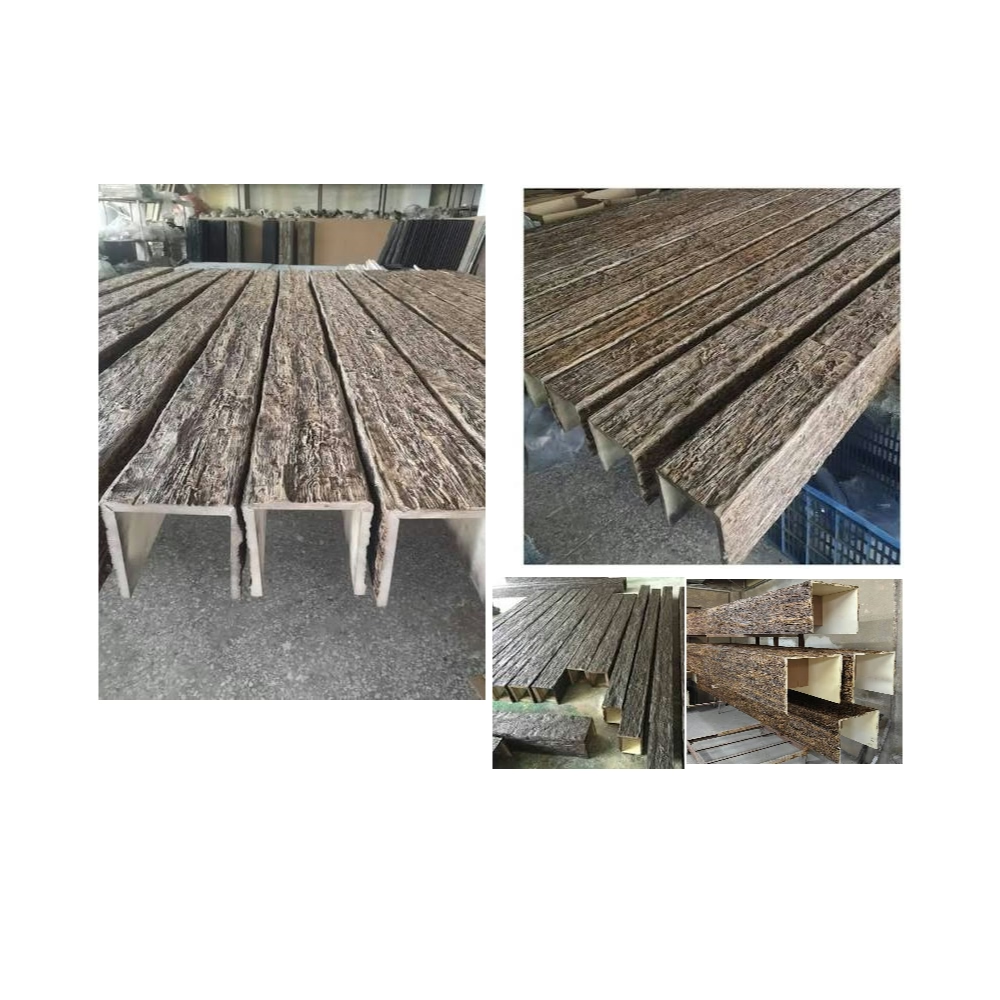
Manufacturing efficiency reduces waste compared to wood processing. Composite production generates minimal scrap; material formulations can incorporate recycled content without affecting performance. Wood processing produces sawdust, planer shavings, and off-cuts that may not always find productive uses.
Extended service life reduces replacement frequency. Buildings using composite beams instead of wood may avoid multiple replacement cycles over building lifespan, reducing cumulative material consumption. The durability that makes composites suitable for challenging environments also serves environmental goals.
Recyclability varies by product. Some composite formulations can be recycled into new products at end of life; others cannot. Manufacturer guidance indicates appropriate disposal methods for each product line.
Transportation impacts favor lightweight composites. Reduced weight means less fuel consumed during shipping, contributing to lower transportation-related environmental impacts.

Applications Where Composites Excel
Certain environments favor composite beams particularly:
Bathrooms and spas present humidity challenges that damage natural wood over time. Composite beams maintain appearance despite constant moisture exposure, making them ideal for these demanding applications.
Kitchens experience temperature fluctuations, cooking moisture, and grease exposure. Composite surfaces clean easily and resist the conditions that would challenge wood finishes in these spaces.
Exterior applications—covered porches, protected patios, entry alcoves—expose beams to weather that shortens wood lifespan. Composite alternatives tolerate exterior conditions that would accelerate timber degradation.
Basements and crawl spaces often have moisture levels that create problems for wood. Composite beams sidestep these concerns entirely, performing reliably in spaces where timber would require special treatment or would fail.
Maintenance and Care
Composite beams require minimal maintenance compared to natural wood:
Regular cleaning with soft cloths or gentle vacuuming removes dust and debris. Avoid abrasive cleaners or aggressive scrubbing that might damage surface finishes.
Occasional washing with mild soap solutions addresses accumulated grime. Rinse with clean water and allow to dry. The non-porous surface prevents staining that would affect natural wood.
Finish inspection periodically verifies surface integrity. Factory finishes may benefit from refreshment after many years; touch-up materials match original appearance.
Fastener checking ensures mounting systems remain secure. Periodic inspection identifies any loose connections that should be tightened or repaired.
Selecting Quality Composite Beams
Product quality varies substantially in composite beam markets:
Manufacturer reputation provides reliability indicators. Established companies with track records have refined formulations and quality processes; newer or unknown sources may offer inconsistent quality.
Warranty coverage demonstrates manufacturer confidence. Extended warranties—five years or longer—suggest products designed for long-term performance. Brief or absent warranties raise concerns about expected lifespan.
Physical characteristics indicate quality during inspection. Walls should feel substantial without being overly flexible. Surfaces should show consistent texture without bubbles, voids, or obvious imperfections. Edges should be clean and well-defined.
Weight verification confirms proper density. Beams that feel unusually light for their size may have walls too thin for reliable fastener attachment. Heavier pieces might indicate higher density that improves durability.
Cost Considerations
Composite beams typically cost more than natural wood alternatives initially:
Material prices range from $20 to $60 per linear foot depending on profile size, finish quality, and manufacturer. These prices exceed dimensional lumber and may exceed some finished wood products.
Installation savings partially offset higher material costs. Reduced labor time, eliminated equipment rentals, and absence of structural preparation combine to lower installed costs significantly.
Lifecycle costs favor composites over wood in challenging environments. When wood would require replacement, refinishing, or repair, composites continue performing without intervention.
Total cost comparisons should account for all project elements—not just material unit prices. Installation labor, finishing work, maintenance requirements, and expected service life all affect true project economics.
Technical References
ASTM standards cited in every specification
Test Data
Lab results from internal testing program
Updated 2026
Reviewed against current product specs