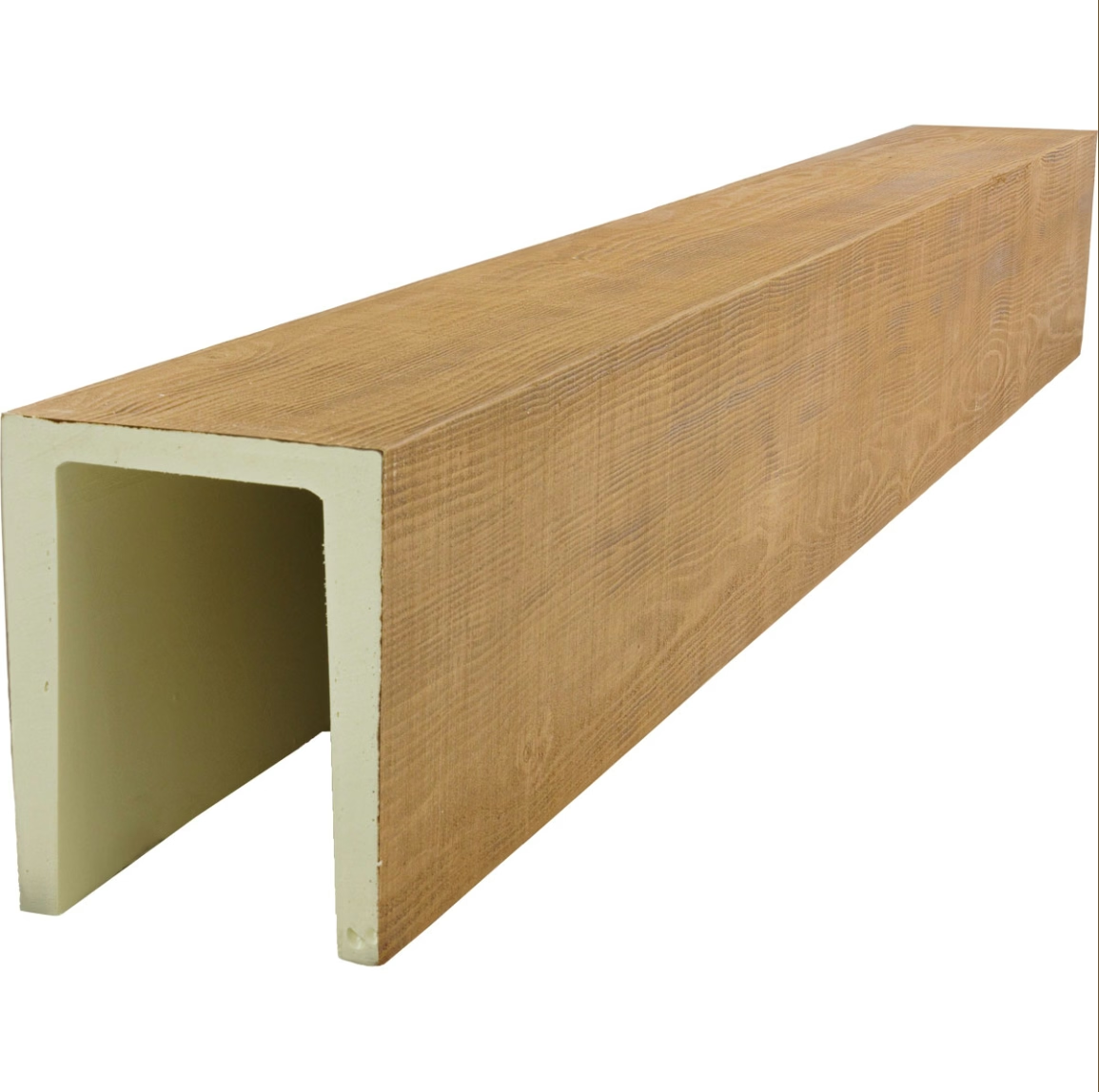
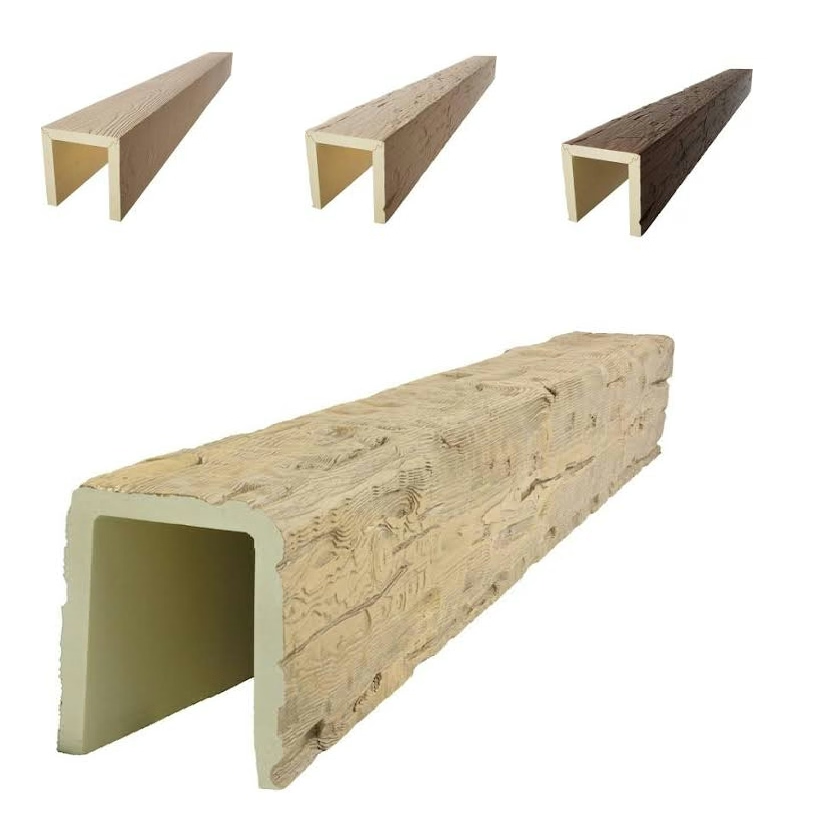
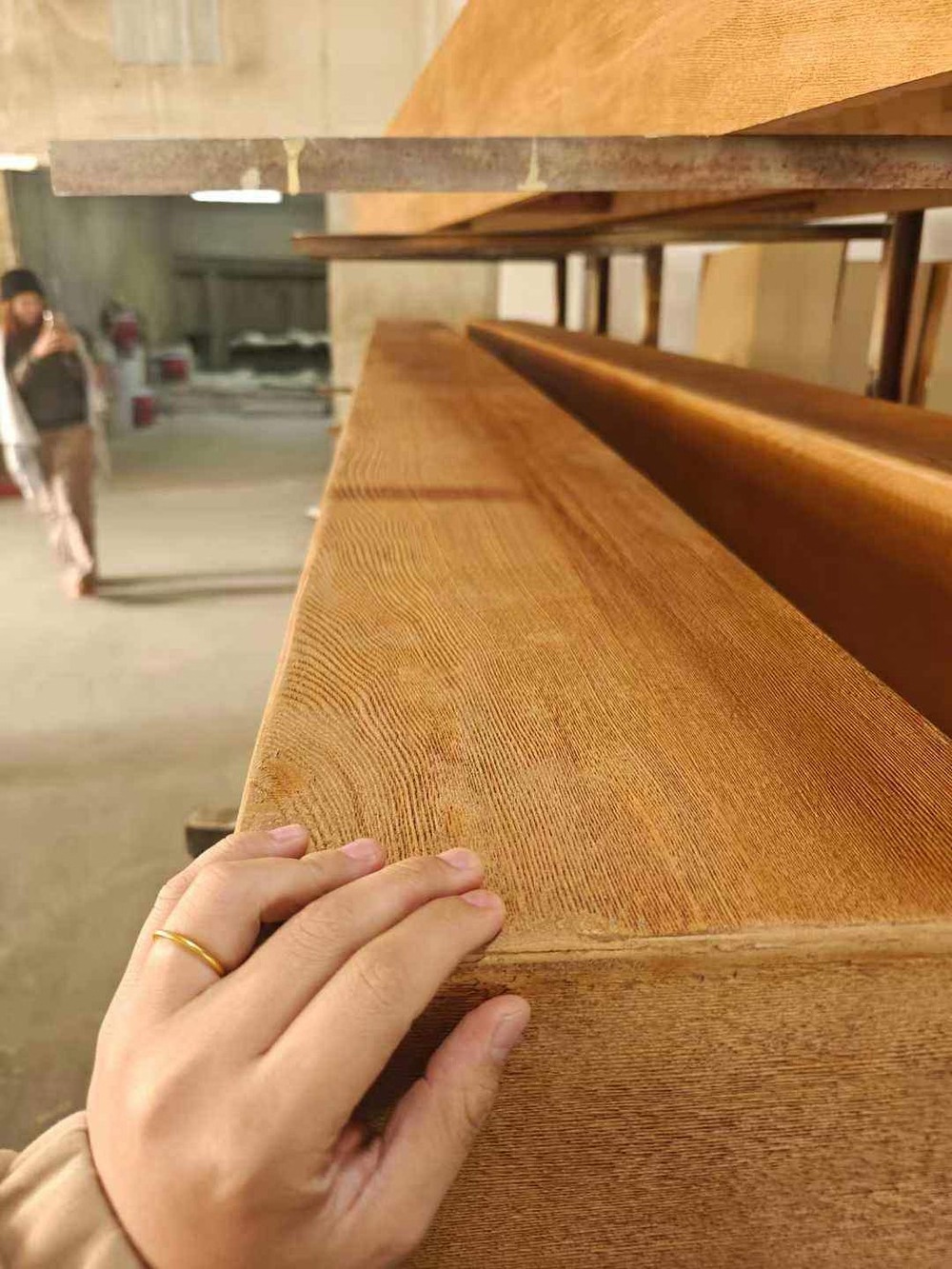
Maintenance represents the hidden cost of many building finishes. Initial purchase price captures attention; ongoing care requirements often receive less consideration until they appear on annual budgets. Wood ceiling beams exemplify this dynamic—beautiful, desirable, but demanding. They require refinishing as finishes age, repair when damage occurs, treatment against pests, and eventual replacement when deterioration advances. Zero-maintenance polyurethane non-wood decorative beams eliminate these recurring costs, delivering permanent beauty without the maintenance burden that natural materials impose.
The maintenance freed by polyurethane beams isn't merely convenience—it's real economic value that accumulates over the product lifecycle. A wood beam ceiling might cost 30% of its initial price every decade for refinishing and repair. Polyurethane beams that cost twice as much initially might cost nothing for twenty years, delivering better lifecycle economics despite higher upfront investment.
Understanding Zero-Maintenance Characteristics
True zero-maintenance materials share specific properties:
Moisture resistance prevents the primary degradation mechanism affecting wood. Polyurethane doesn't swell, warp, cup, or rot when exposed to humidity. This resistance eliminates the most common wood failure mode entirely.
Insect immunity eliminates pest damage that requires treatment and repair. Termites, carpenter ants, and wood-boring beetles cannot damage polyurethane. No treatments, no repairs, no replacement of damaged sections.
UV stability in quality products prevents the sun damage that fades and degrades wood finishes. Premium polyurethane formulations resist yellowing and chalking that lesser materials experience.
Surface hardness resists the scratches, dents, and impacts that require wood repair. Daily wear that marks wood leaves polyurethane unaffected.
Long-Term Appearance Retention
Quality polyurethane maintains appearance over extended periods:
Color stability keeps finishes looking fresh without touch-up. The pigments and carriers that create wood tones remain stable in quality formulations.
Surface integrity prevents the checking, cracking, and peeling that affects wood finishes over time. Factory-applied finishes on polyurethane bond more consistently than site-applied wood finishes.
Structural stability maintains straightness and alignment indefinitely. Wood warps and twists seasonally; polyurethane doesn't.
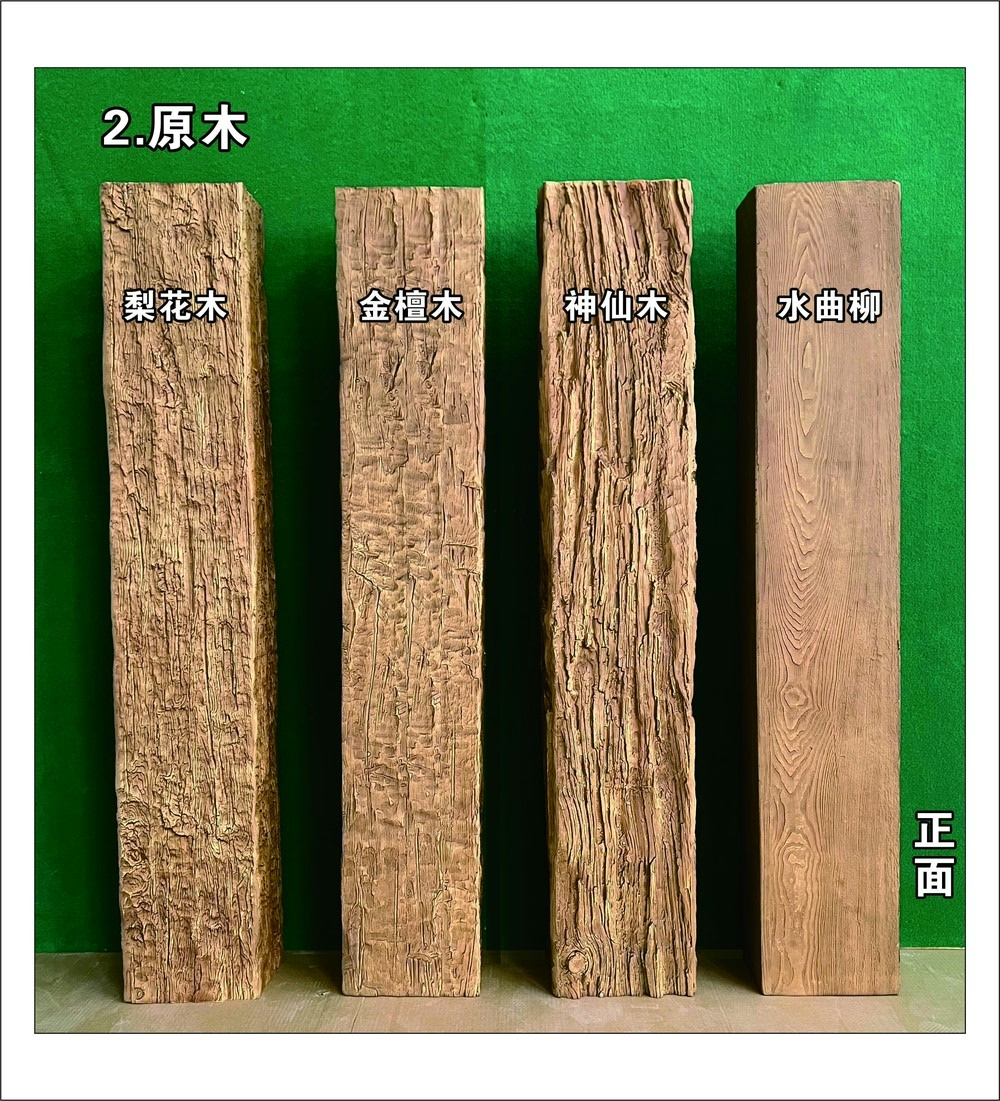
Texture retention preserves the authentic wood grain that factory tooling creates. The detailed surfaces that make polyurethane convincing remain intact through years of service.
Weather Resistance
Outdoor and semi-outdoor applications benefit from weather resistance:
Rain exposure doesn't affect polyurethane the way it affects wood. No absorption, no swelling, no subsequent drying and checking.
Temperature extremes don't stress polyurethane the way they stress wood. The material accommodates thermal cycling without the dimensional changes that wood experiences.
Freeze-thaw cycles that crack and spall wood leave polyurethane unaffected. The material handles conditions that destroy natural materials.
UV exposure in outdoor applications requires UV-resistant formulations, but quality products handle direct sunlight exposure without the rapid degradation that wood experiences.
Comparative Maintenance Requirements
Wood vs. polyurethane maintenance comparison:
Refinishing wood requires every 5-10 years as finishes deteriorate. Sanding, staining, sealing, and drying tie up space and create odors. Polyurethane requires none of this.
Pest treatment for wood may be required periodically or when infestation occurs. Treatments involve chemicals, tenting, or structural repairs. Polyurethane never requires pest treatment.
Structural repair for wood damaged by moisture, insects, or age may involve replacing sections or entire beams. Polyurethane beams don't suffer this damage.
Cleaning wood may require special cleaners to avoid damaging finishes. Polyurethane cleans with standard household products.
Surface damage on wood requires matching finishes and careful repair. Minor damage on polyurethane often buffs out or accepts touch-up readily.
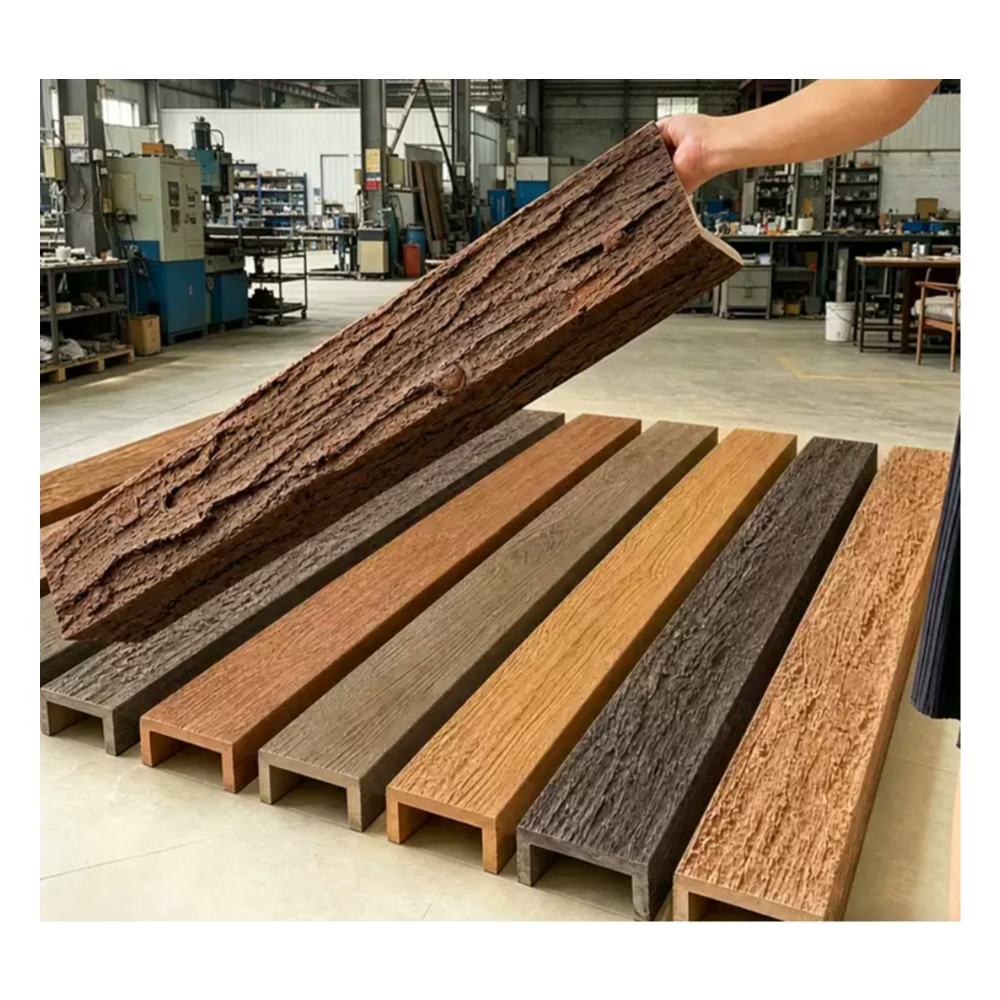
Commercial Zero-Maintenance Benefits
Commercial applications benefit particularly from zero-maintenance characteristics:
Hospitality environments with high ceilings that are difficult to access for maintenance benefit from beams that don't require attention. Hotels, restaurants, and entertainment venues can't close for refinishing work.
Retail spaces where appearance affects brand perception can't tolerate deteriorating finishes. Zero-maintenance beams maintain consistent presentation.
Office buildings with maintenance budgets that must cover many square feet benefit from eliminating recurring ceiling maintenance items.
Educational facilities where disruption to learning is minimized benefit from permanent finishes that don't require periodic renovation.
Residential Zero-Maintenance Advantages
Homeowners benefit from reduced maintenance burden:
Time savings from not maintaining beams allows focus on other priorities. The hours wood care would require become available for other activities.
Avoiding disruption from refinishing projects that require vacating rooms, managing odors, and coordinating schedules.
Peace of mind that ceiling appearance won't deteriorate unexpectedly. Knowing beams will look the same next year that they look today has genuine value.
Resale value from maintained appearance that contributes to overall home presentation. Well-maintained homes command higher prices.
Cleaning and Care Requirements
Even zero-maintenance materials benefit from basic care:
Dust removal with soft cloths or gentle vacuuming keeps surfaces clean. The same dusting that any ceiling requires is all polyurethane beams need.
Spot cleaning for marks or smudges using mild soap and water handles most contamination. Solvent cleaners may damage finishes and should be avoided.
Periodic inspection verifies that mounting remains secure. This inspection takes moments and ensures continued performance.
Prompt attention to any developing issues prevents problems from advancing. Loose fasteners get tightened; minor issues get addressed.
Environmental Maintenance Considerations
Maintenance activities have environmental impacts:
Refinishing chemicals include solvents, stains, and sealants that release volatile organic compounds. Eliminating refinishing reduces these emissions.
Disposal of materials from wood repair and replacement generates construction debris. Zero-maintenance materials that don't require replacement avoid this waste.
Energy for maintenance includes transportation to suppliers, equipment operation, and material production. Reducing maintenance reduces these energy inputs.
Water usage for cleaning and finishing may be significant in some maintenance activities. Polyurethane requires minimal water for care.
Quality Factors for Zero Maintenance
Not all polyurethane products deliver zero-maintenance performance:
Formulation quality determines UV resistance and long-term stability. Premium formulations from established manufacturers outperform budget alternatives.
Manufacturing precision ensures consistent quality throughout production. Established companies maintain quality control that newer or smaller manufacturers may not achieve.
Finish quality affects how well surfaces resist wear and maintain appearance. Factory finishes applied under controlled conditions outperform field application.
Warranty coverage demonstrates manufacturer confidence. Products backed by extended warranties are more likely to perform as promised.
Cost Analysis Over Product Lifecycle
Lifecycle cost comparison favors zero-maintenance:
Initial investment in quality polyurethane exceeds wood costs. This difference is real and should be acknowledged.
Maintenance costs for wood accumulate over years. Refinishing, repair, and replacement can equal or exceed initial costs over decades.
Replacement costs for wood that fails prematurely add to lifecycle expenses. Polyurethane doesn't fail this way.
Total lifecycle cost often favors quality polyurethane despite higher initial investment. The absence of maintenance expenses shifts the economics decisively.
Applications Where Zero-Maintenance Matters Most
Certain applications particularly benefit from zero-maintenance characteristics:
Hard-to-access ceilings where maintenance would require scaffolding or lifts make zero-maintenance particularly valuable. Cathedral ceilings, high lobbies, and vaulted spaces are difficult to service.
Moisture-prone areas where wood would struggle benefit from polyurethane's resistance. Bathrooms, pools, and exterior applications that would damage wood accept polyurethane readily.
High-traffic commercial spaces where appearance matters continuously can't tolerate maintenance disruptions. Zero-maintenance ensures consistent presentation.
Rental properties where landlords prefer to minimize ongoing maintenance requirements benefit from beams that don't require attention between tenant turnovers.
The zero-maintenance promise of quality polyurethane beams represents genuine value, not marketing exaggeration. When materials are engineered specifically to resist degradation, and manufacturing processes ensure consistent quality, the result is decoration that serves indefinitely without the care that natural materials demand. This isn't convenience—it's liberation from recurring obligations that have traditionally accompanied beautiful ceilings.
Technical References
ASTM standards cited in every specification
Test Data
Lab results from internal testing program
Updated 2026
Reviewed against current product specs