
Construction safety encompasses more than hard hats and safety vests. The materials we specify carry inherent safety characteristics that affect everyone who handles, installs, or occupies spaces where they're used. Heavy timber beams present genuine safety challenges throughout their lifecycle—from delivery handling through installation to long-term occupancy. Lightweight PU faux beams as safe load-bearing wood alternatives eliminate these hazards while maintaining the timber aesthetics that make exposed beams desirable.
The safety advantages of lightweight materials aren't subtle or theoretical. They manifest in reduced workplace injuries, lower liability exposure, and safer building environments. Understanding these advantages helps architects, contractors, and building owners make informed decisions that protect everyone involved with construction and occupancy.
Handling Safety Advantages
The moment heavy materials arrive at job sites, safety considerations begin:
Reduced strain injuries follow from handling lightweight materials. Back injuries, muscle strains, and joint damage from heavy lifting represent significant construction safety concerns. PU beams weighing 20-30 pounds eliminate the lifting hazards that timber weighing 100-200 pounds creates.
Fewer handling accidents occur when materials are light enough for single-person management. The coordination challenges of multi-person lifts create opportunities for accidents; single-person handling eliminates these scenarios.
Easier material positioning reduces awkward postures that cause injury. Workers can place lightweight beams accurately without twisting, reaching, or assuming dangerous positions.
Reduced fatigue allows workers to maintain alertness throughout shifts. Fatigued workers make mistakes and face higher injury rates; lightweight materials reduce this fatigue.
Installation Safety
Installation phases present concentrated safety challenges:
Working overhead with heavy materials stresses shoulders, arms, and core muscles. Lightweight beams can be positioned and held without the physical strain that timber imposes.
Fall prevention benefits from materials that don't pull workers off balance. Heavy beams create pendulum effects when swung or positioned; lightweight materials respond to control.
Ladder and scaffold safety improves when workers aren't struggling with heavy materials. The combination of overhead work and heavy lifting creates compound hazards; lightweight materials eliminate the heavy component.
Tool safety improves when workers can focus on technique rather than force. Proper fastener installation doesn't require the wrestling that heavy beams might demand.
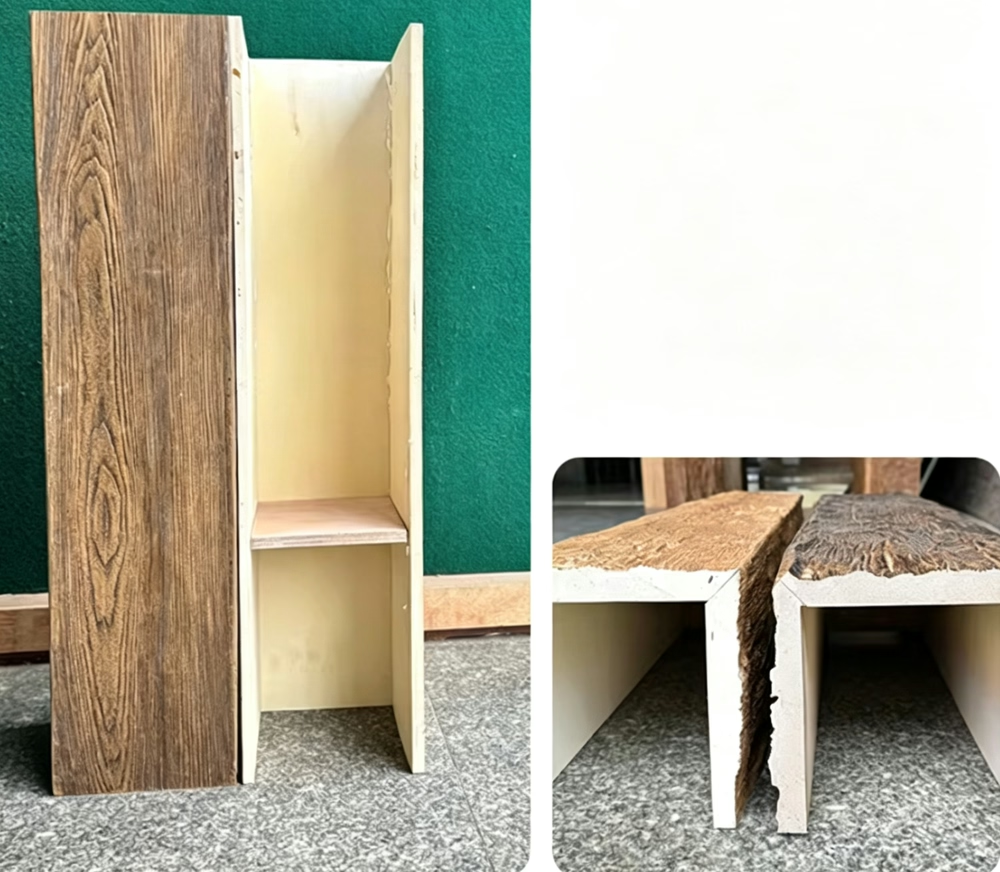
Falling Material Hazards
Once installed, heavy timber poses ongoing hazards:
Structural failure in timber beams could release hundreds of pounds suddenly. While proper installation prevents this, the potential consequences are severe. Lightweight materials, even if mounting failed, would cause less severe consequences.
Seismic vulnerability in earthquake zones makes heavy materials particularly concerning. Buildings shake during quakes; heavy materials that break free become projectiles. Lightweight alternatives reduce this risk.
Aging building risk compounds over time as connections degrade. Old buildings with original timber may have compromised connections; lightweight alternatives reduce the consequences of connection failure.
Maintenance access becomes safer when beams being worked on are lightweight. Service technicians adjusting fixtures or running wire near beams work more safely with lightweight materials overhead.
Liability Considerations
Property owners and contractors face liability for safety:
Workplace injury liability for contractor injuries falls on employers and potentially on property owners in some circumstances. Reducing injury risk reduces this exposure.
Occupant safety in completed buildings includes protection from falling materials. Buildings with lightweight decorative elements present less falling-hazard risk than those with heavy timber.
Insurance implications may reflect safety characteristics. Lower-risk buildings may qualify for better coverage terms.
Code compliance regarding seismic and wind attachments may be simpler with lightweight materials. Requirements that apply to heavy elements may not apply to decorative elements below weight thresholds.
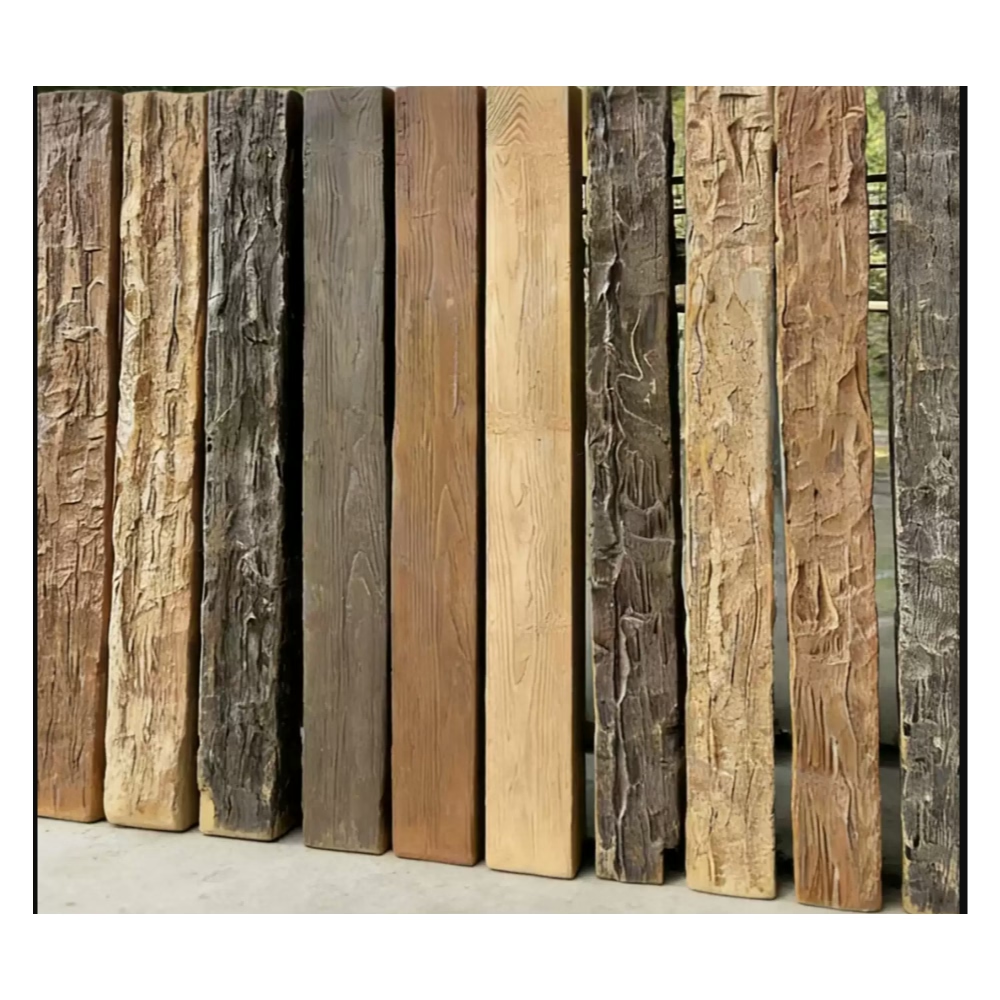
Seismic Zone Considerations
Earthquake-prone regions particularly benefit from lightweight materials:
Seismic force reduction follows from reduced mass. Buildings must resist acceleration forces during earthquakes; lighter buildings experience lower forces.
Connection requirements for lightweight elements are less demanding than for heavy materials. Lightweight beams require attachment sufficient to resist their modest weight; heavy beams need connections that can survive seismic loads on substantial mass.
Failure consequences are less severe when lightweight materials are involved. A falling 20-pound beam causes less damage than a falling 200-pound timber.
Retrofit feasibility improves when existing structures accommodate lightweight additions. Buildings that might not support heavy timber can accept lightweight alternatives.
Professional Installer Perspectives
Contractors increasingly prefer lightweight materials:
Insurance costs for contractors reflect workplace injury rates. Materials that reduce injuries reduce insurance expenses.
Worker retention improves when jobs aren't physically brutal. Skilled workers prefer jobs that don't cause constant strain.
Schedule reliability improves when injuries don't sideline workers. Injury-free job sites maintain momentum.
Competitive advantage accrues to contractors who complete projects efficiently. Faster, safer installation creates business advantages.
Building Occupant Safety
Completed buildings serve occupants who benefit from lightweight materials:
No structural concern from ceiling decoration. Occupants can be confident that decorative elements won't stress building structure unexpectedly.
Reduced seismic risk in earthquake zones benefits everyone in the building.
Maintenance safety for building staff maintaining HVAC, lighting, or other systems near beam installations.
Renovation safety for future changes that might involve working near beams.
Material-Specific Safety Characteristics
PU faux beams offer specific safety advantages:
No splinter hazard eliminates cuts and puncture wounds that timber causes. The polymer surface is smooth and non-abrasive.
No chemical treatment means no exposure to pressure-treatment chemicals or pest control products that wood sometimes carries.
No mold risk eliminates exposure concerns that decaying wood might present.
No sharp edges from cuts or manufacturing removes the laceration hazards that timber sometimes creates.
Environmental Health Considerations
Indoor air quality benefits from appropriate material selection:
No off-gassing from quality polyurethane formulations after curing. The materials don't release concerning compounds into interior air.
No dust from polyurethane installation or maintenance. Wood sanding and finishing creates dust; polyurethane doesn't.
No chemical treatments required for pest resistance or durability. These treatments sometimes release compounds over time.
Clean manufacturing processes for quality products minimize environmental contamination from production.
Safe Installation Practices
Even with lightweight materials, proper practices ensure safety:
Appropriate access equipment prevents falls regardless of material weight. Ladders and scaffolding appropriate for the task remain necessary.
Secure temporary support during installation prevents accidental drops. Lightweight beams can still fall if not properly supported.
Proper fastening ensures long-term security. The lightweight doesn't mean mounting can be casual.
Regular inspection verifies continued secure mounting. This inspection takes moments and ensures ongoing safety.
Myth-Busting Safety Perceptions
Some misconceptions about lightweight materials affect safety perceptions:
"Lightweight means weak" confuses weight with structural capacity. PU beams are designed for specific loads; those loads don't include structural bearing.
"Cheap materials are unsafe" conflates cost with safety. Quality polyurethane is precisely engineered for its application.
"If it falls, it's dangerous" ignores the relationship between mass and damage. A falling 20-pound beam causes less damage than a falling 200-pound beam.
"Professional installation is always safer" may not apply when products are specifically designed for easy, safe DIY installation.
The safety advantages of lightweight PU faux beams represent genuine benefits that extend throughout construction and occupancy. These advantages complement rather than replace traditional safety practices—proper access equipment, secure fastening, and appropriate precautions remain necessary. But within this framework, lightweight materials reduce hazards that heavy timber cannot avoid. Safe load-bearing wood alternatives aren't a compromise; they're an improvement that serves everyone involved with construction and building occupancy.
Technical References
ASTM standards cited in every specification
Test Data
Lab results from internal testing program
Updated 2026
Reviewed against current product specs


