
Choosing between decorative beam options requires understanding the genuine differences between available products. Homeowners and design professionals frequently face this decision when planning ceiling treatments or architectural upgrades. A direct comparison of lightweight polyurethane faux beams against heavy timber alternatives illuminates the practical trade-offs involved, enabling choices aligned with specific project requirements, budgets, and aesthetic goals.
The design team at Heritage Homes, a custom builder operating in the Pacific Northwest, encounters this decision regularly when working with clients on timber feature installations. Rather than defaulting to either material preference, their process examines each project's unique circumstances to recommend the most appropriate solution. This systematic approach benefits any decision-maker facing similar choices.
Weight and Structural Implications
The most fundamental difference between these beam types involves their weight, with cascading implications for every aspect of specification and installation.
Heavy timber beams, regardless of species, represent substantial mass that building structures must support continuously. A 6-inch by 8-inch Douglas fir beam spanning 12 feet weighs approximately 180 pounds. Larger beams or denser species push weights higher—oak or walnut beams of equivalent dimensions might exceed 240 pounds. These loads accumulate quickly when projects involve multiple beams, potentially requiring structural assessment and potentially reinforcement work.
Lightweight polyurethane beams of equivalent visual impact typically weigh 8 to 15 pounds for the same 12-foot span. This represents roughly 95% weight reduction compared to genuine timber. Existing structures accommodate these minimal loads without concern for capacity. Engineering assessments become unnecessary. Structural modifications never apply.
This weight difference influences nearly every subsequent consideration. Transportation, handling, installation, and long-term structural implications all flow from the initial weight characteristic. Projects constrained by structural limitations or budget limitations for structural work naturally favor lightweight alternatives.
Installation Complexity and Requirements
Installation procedures differ substantially between beam types, affecting project timelines, labor requirements, and skill prerequisites.
Heavy timber installation typically requires multiple workers for safe handling. Positioning beams overhead while securing attachment points demands physical capability that single individuals rarely possess. Professional installers command premium rates partly due to the physical demands of timber work. Specialized lifting equipment may be necessary for exceptionally large pieces.
Lightweight beam installation can proceed with minimal assistance. The same homeowner who might struggle with a 200-pound timber beam can easily manage a 15-pound polyurethane equivalent. This accessibility enables DIY installation that saves labor costs while delivering professional-quality results.
Attachment methods differ as well. Timber beams may require substantial mounting hardware, steel brackets, or structural fasteners rated for heavy loads. Lightweight beams attach using standard construction techniques—furring strips, construction adhesive, and wood screws provide adequate security for products weighing only pounds rather than hundreds of pounds.

Aesthetic Qualities and Realism
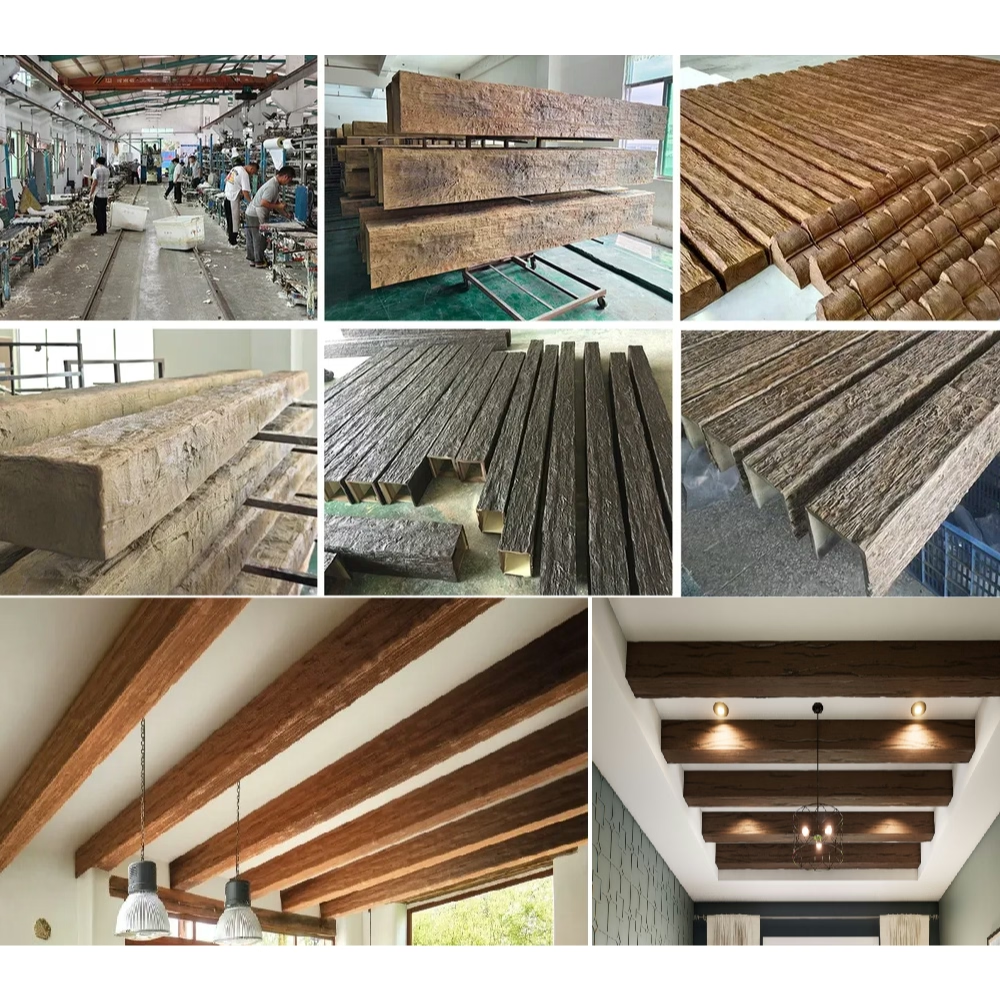
Both beam types offer authentic wood appearance, though the character of that authenticity differs in ways that influence design applications.
Genuine timber delivers absolute authenticity that no manufactured product can match precisely. Natural grain variation, unique knot patterns, and inherent color gradients emerge from organic growth processes that manufacturing cannot fully replicate. For projects where absolute authenticity is paramount—historic restoration, ultra-traditional designs, or client specifications requiring natural materials—timber remains the only appropriate choice.
Modern polyurethane faux beams achieve remarkable visual accuracy through advanced manufacturing techniques. Mold technology captures authentic wood characteristics with impressive fidelity. Color application creates depth and variation that casual observers rarely distinguish from genuine timber. Quality differences between manufacturers affect realism, with premium products outperforming budget alternatives substantially.
The consistency of manufactured beams offers advantages in certain applications. Natural timber varies from piece to piece, complicating matching across large installations. PU beams maintain identical appearance across unlimited quantities, simplifying coordination for extensive projects. This consistency can be either an advantage or disadvantage depending on specific design intentions.
Cost Considerations Beyond Unit Price
Meaningful cost comparison requires examining total project economics rather than merely product prices.
Timber beams command premium prices reflecting material costs, harvesting and milling expenses, and transportation logistics for heavy, bulky products. Unit prices for quality hardwood beams often exceed $20 to $40 per linear foot depending on species and dimensions. Larger beams or specialty species push prices higher.
Polyurethane faux beams typically range from $8 to $20 per linear foot for quality products, representing substantial savings per unit. These prices enable comprehensive installations that budget limitations might preclude with timber.
Beyond unit costs, installation expenses differ dramatically. Professional timber beam installation might cost $200 to $500 per beam for labor alone, reflecting the physical demands and skill requirements. Lightweight beam installation typically runs $50 to $100 per beam for professional work, or potentially zero for capable DIYers.
Structural preparation costs apply exclusively to timber installations. Engineering assessments, structural reinforcement, and modified mounting systems can add thousands to project totals. Lightweight beams eliminate these expenses entirely.
Durability and Maintenance Requirements
Long-term performance characteristics influence total cost of ownership significantly.
Genuine timber, properly maintained, provides centuries of service. Wood's natural durability, enhanced through appropriate finishing and periodic maintenance, creates heirloom-quality architectural elements. However, timber requires ongoing attention—refinishing every few years, monitoring for insect damage, and addressing moisture-related concerns in susceptible environments.
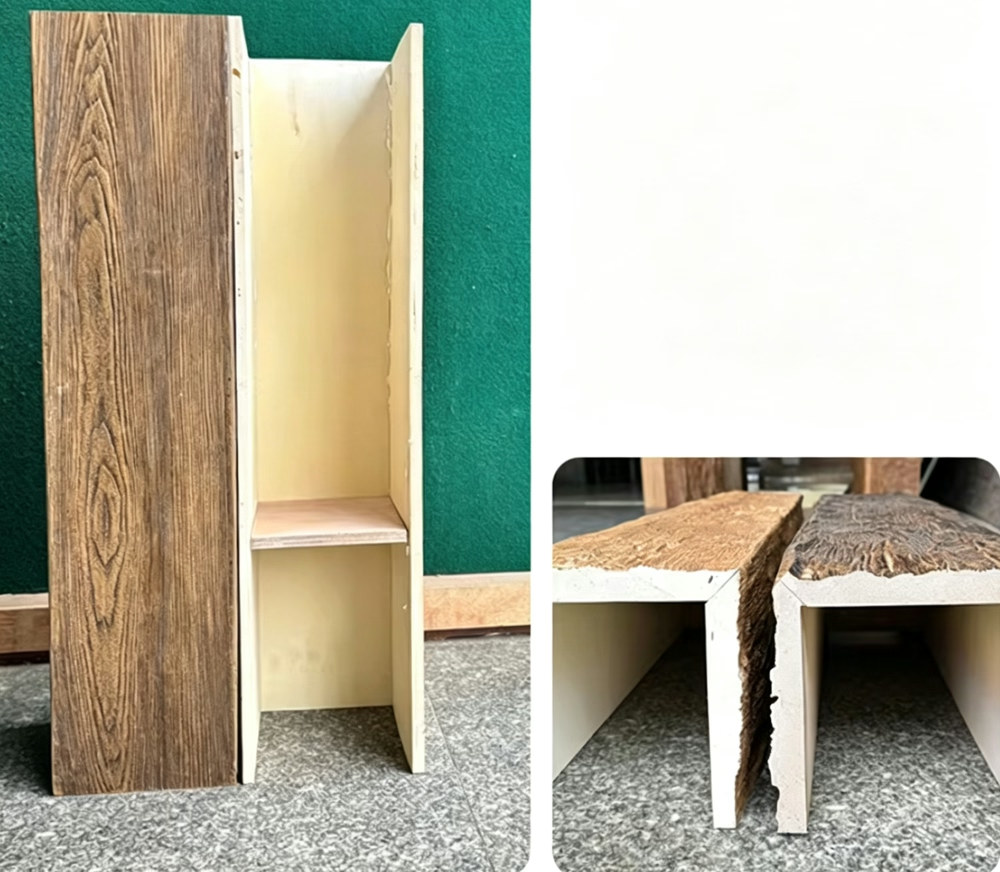
Polyurethane beams resist the degradation mechanisms that affect natural wood. Insects ignore polyurethane completely. Moisture causes no damage or dimensional instability. UV exposure in indoor applications rarely affects finishes significantly. These characteristics translate to minimal maintenance requirements over extended service lives.
Warranty terms often reflect these durability differences. Quality polyurethane products commonly carry 10-year or longer warranties covering manufacturing defects. Timber products, being natural materials, typically receive limited or no meaningful warranty coverage.
Environmental and Sustainability Factors
Environmental considerations increasingly influence material selection decisions.
Timber, when sourced from certified sustainable forests, represents a renewable resource with favorable environmental characteristics. Wood products sequester carbon for their operational lifetimes. Responsible forestry practices maintain forest ecosystems while harvesting usable timber. Chain-of-custody certifications verify sustainable sourcing for environmentally conscious projects.
Polyurethane derives from petroleum-based feedstocks, creating upstream environmental impacts from extraction and processing. However, manufacturing processes for quality faux beams often incorporate recycled materials, and the products' extended service lives minimize replacement frequency. End-of-life disposal options remain limited compared to natural wood's biodegradability.
Projects with specific environmental requirements should verify manufacturer practices and material certifications. Not all products perform equally in this dimension, and responsible options exist within the polyurethane category.
Making the Right Choice for Your Project
The Heritage Homes design team's systematic approach considers multiple factors when advising clients. No universal recommendation serves all projects equally—context determines appropriateness.
Projects requiring absolute authenticity, historical accuracy, or client mandates for natural materials should specify timber. The premium cost and installation complexity become acceptable trade-offs for achieving irreplaceable aesthetic qualities.
Budget-conscious projects, DIY installations, structural-constrained buildings, and applications where authenticity distinctions are acceptable benefit from polyurethane alternatives. The practical advantages—weight, handling, installation, maintenance—translate to tangible benefits that many clients prioritize.
The most satisfying outcomes emerge from honest assessment of project requirements, clear communication about options and trade-offs, and selection based on genuine priorities rather than assumptions or brand preferences.
Technical References
ASTM standards cited in every specification
Test Data
Lab results from internal testing program
Updated 2026
Reviewed against current product specs


