Outdoor spaces deserve the same design attention as interior ones. Patios, covered porches, outdoor kitchens, poolside areas—these extensions of living space contribute significantly to how homeowners experience their properties. Yet outdoor design faces challenges that interior work never encounters. Weather, UV exposure, moisture, temperature extremes, and biological factors all work against materials that might perform beautifully indoors.
The evolution of modified polyurethane technology has changed what's possible in outdoor applications. Exterior-grade formulations now provide weatherproof performance that expands design possibilities for covered outdoor spaces. Understanding these products helps extend the benefits of authentic wood aesthetics beyond the building envelope.

The Challenge of Outdoor Exposure
Outdoor environments subject materials to conditions that indoor applications never face. Understanding these challenges explains why standard interior products cannot simply be moved outside, and what modifications enable exterior performance.
UV radiation represents the most significant challenge for polymer materials. Unprotected polyurethane degrades under UV exposure, developing surface chalking, color fading, and eventual structural compromise. Exterior-grade formulations include robust UV stabilization that maintains material integrity despite prolonged sun exposure.
Moisture affects outdoor materials through rain, humidity, condensation, and ground contact. While polyurethane itself doesn't absorb water, standard formulations might experience surface degradation from moisture exposure over time. Exterior-grade products include moisture resistance that maintains appearance and performance despite wet conditions.
Temperature extremes create stress through expansion and contraction cycles. Outdoor temperatures in many climates swing from below freezing to above 100°F over the course of a year, with daily cycles adding additional stress. Quality exterior products accommodate these movements without cracking, splitting, or delaminating.
Biological factors including mold, mildew, and insect activity affect some materials but not polyurethane. Unlike wood, which can rot, decay, or become infested, polyurethane provides no food source for organisms that might degrade it. This resistance provides meaningful advantages in outdoor applications where these factors challenge natural materials.
Modified Polyurethane Technology
Exterior-grade performance requires specific modifications to standard polyurethane formulations. These modifications address the outdoor-specific challenges described above through careful material engineering.
Enhanced UV stabilization uses higher concentrations of UV absorbers and hindered amine light stabilizers that protect the polymer matrix from photodegradation. These additives work together—the absorbers capture UV energy while the stabilizers neutralize the free radicals that form during UV exposure. The combination provides protection that single-additive systems cannot match.
Impact modifiers improve flexibility and resilience at cold temperatures where materials typically become brittle. Standard polyurethane might crack under impact at freezing temperatures; modified formulations maintain adequate flexibility to resist this damage. This cold-temperature toughness proves especially important in climates with harsh winters.
Surface coatings for exterior applications include additional UV protection and weatherability enhancers. These coatings might be specially formulated urethanes, acrylics, or hybrid systems designed for outdoor exposure. The coating provides the first line of defense against UV and moisture while the substrate provides structural support and dimensional stability.

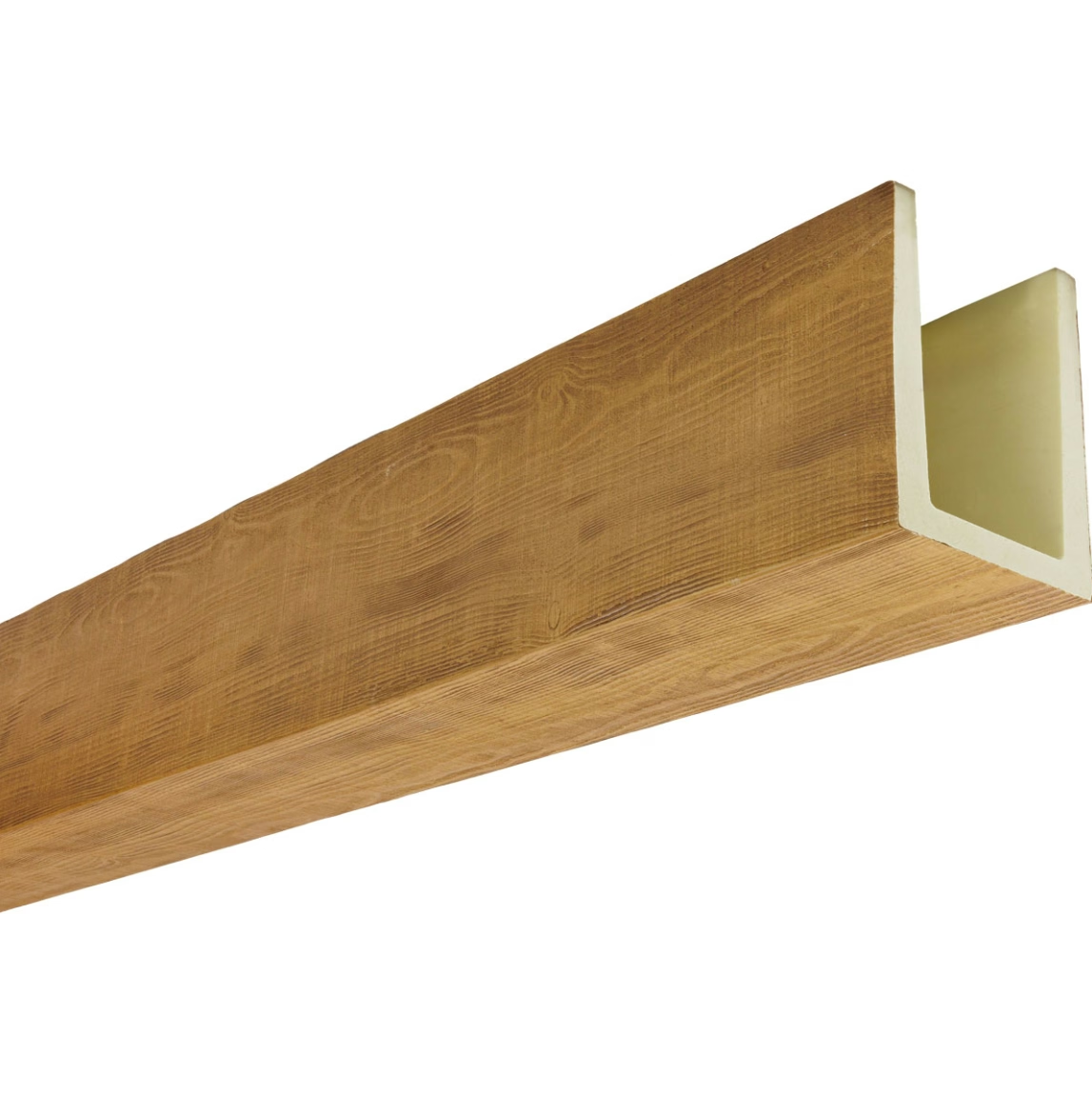
Applications for Exterior Beams
Exterior-grade beams expand design possibilities in covered outdoor spaces. Understanding where these products apply helps specify appropriately for outdoor projects.
Covered patios and porches represent the most common exterior applications. These spaces benefit from beam installations that create visual interest and architectural definition while weathering whatever conditions penetrate the cover. Beams might run parallel to rafters, span perpendicular to structural members, or create decorative patterns that define the outdoor room.
Outdoor kitchens and dining areas often feature beam installations that establish atmosphere and help define the cooking or dining zone. The warmth that wood aesthetics bring to interior spaces translates equally to outdoor contexts. Beams above an outdoor kitchen counter create the same functional separation that interior beams provide.
Pool houses, cabanas, and bath houses can incorporate exterior beams in their designs. These structures often benefit from rustic timber aesthetics that complement poolside relaxation. Weatherproof materials ensure these aesthetics survive the challenging pool environment—humidity, chemicals, and frequent water exposure.
Commercial outdoor spaces including restaurant patios, hotel terraces, and retail outdoor areas use exterior beams to extend interior aesthetics to exterior environments. The consistency between indoor and outdoor spaces enhances brand identity and guest experience.
Installation Considerations for Exterior Applications
Exterior installation differs from interior work in several important ways. Attention to these differences during specification and installation ensures successful outdoor results.
Ventilation affects outdoor beam performance significantly. While exterior beams tolerate weather exposure, they perform best when air circulation prevents prolonged moisture accumulation. Avoid fully enclosed configurations where moisture might collect and remain. Open designs that allow air movement dry more quickly after rain.
Fastening and mounting for exterior applications must account for thermal movement, moisture exposure, and potential wind loads. Stainless steel or coated hardware prevents corrosion that might affect appearance or structural connection. Allowances for thermal expansion prevent stress that could crack beams or fasteners over time.
Adjacent material interactions matter when beams contact other exterior materials. Water might migrate between materials; dissimilar expansion rates might stress connections. Proper flashing, sealing, and detailing address these concerns while maintaining appearance.

Maintaining Exterior Beams
While exterior-grade beams require far less maintenance than natural wood alternatives, some care extends their already-long service life. Understanding appropriate maintenance helps owners protect their investments.
Periodic cleaning removes accumulated dirt, biological growth, and environmental contamination. A soft brush, mild soap solution, and thorough rinsing typically suffices. Avoid high-pressure washing that might damage surfaces or force water into joints.
Inspection on an annual basis identifies any developing issues before they become serious. Check mounting connections, examine beam surfaces for damage or degradation, and verify that flashings and sealants remain effective. Addressing small problems promptly prevents larger ones.
Repairs for damage from impact or unusual circumstances should use materials compatible with exterior-grade products. Touch-up coatings, repair compounds, and replacement pieces should match the original specifications to maintain appearance and performance.
Expected Service Life
Exterior-grade beams in protected outdoor applications typically provide 15 to 20 years of service before replacement becomes desirable. More exposed installations might show earlier aging, while well-protected applications might exceed these expectations.
The key variable is UV exposure. Fully protected installations under deep roof overhangs experience minimal UV and might achieve exceptional longevity. Exposed installations without overhead protection face more challenging conditions that reduce service life.
Geographic location affects baseline exposure conditions. High-UV locations—southern latitudes, high-altitude sites—present more challenging conditions than northern or sea-level sites. Product selection should account for actual local conditions with appropriate margins for unexpected factors.
Comparing to Alternative Exterior Materials
Several alternative materials compete with exterior-grade polyurethane beams in outdoor applications. Understanding these alternatives helps make appropriate selections.
Natural wood, including pressure-treated lumber, requires ongoing maintenance to survive outdoor exposure. Staining, sealing, and periodic replacement of degraded sections add to wood's lifecycle cost. The authentic material appeals to those who prioritize genuine wood above practical considerations.
Composite materials offer maintenance-free appearance but often lack the authentic wood aesthetics that polyurethane achieves. Composites also vary significantly in quality, with some products performing well and others failing prematurely.
Metal beams provide structural capability and weather resistance but lack wood's warmth and aesthetic character. They suit modern or industrial aesthetics but don't achieve the rustic or traditional looks that many outdoor designs pursue.
Making Exterior Selections
Selecting exterior-grade beams for outdoor applications requires honest assessment of exposure conditions and realistic expectations for performance. Working with manufacturers and suppliers experienced in exterior applications helps ensure appropriate specification.
Request documentation of exterior performance testing. Products marketed for exterior use should demonstrate UV resistance, moisture resistance, and temperature cycling tolerance through recognized testing protocols. Claims without documentation should prompt additional investigation.
Obtain samples for evaluation in your actual installation location if possible. The real-world exposure of your specific site might differ from general conditions, and observing how samples perform over several months provides valuable information for final specification.
The investment in exterior-grade products typically exceeds interior-grade alternatives, but the performance difference justifies the additional cost. Standard interior products will fail prematurely in exterior applications; the false economy of choosing interior products for outdoor use creates problems that cost more than the initial specification premium.
Extending Design Beyond Four Walls
Exterior-grade beams enable design that extends the beauty of wood aesthetics to outdoor living spaces. The boundaries between interior and exterior blur as covered patios, outdoor rooms, and transitional spaces become integral parts of the overall design.
This extension of design possibilities represents meaningful value for property owners. Outdoor spaces that were once purely functional become additional living areas with the same aesthetic quality as interior spaces. The investment in exterior beams pays dividends through enhanced property value and increased enjoyment of outdoor living.
When you specify exterior-grade polyurethane beams, you're creating spaces that serve purposes beyond what interior materials can achieve. The authentic wood aesthetics, combined with weatherproof performance, extend the design language outward while maintaining consistency and quality. Your outdoor spaces become true extensions of your home rather than afterthoughts relegated to lower standards.
Technical References
ASTM standards cited in every specification
Test Data
Lab results from internal testing program
Updated 2026
Reviewed against current product specs

