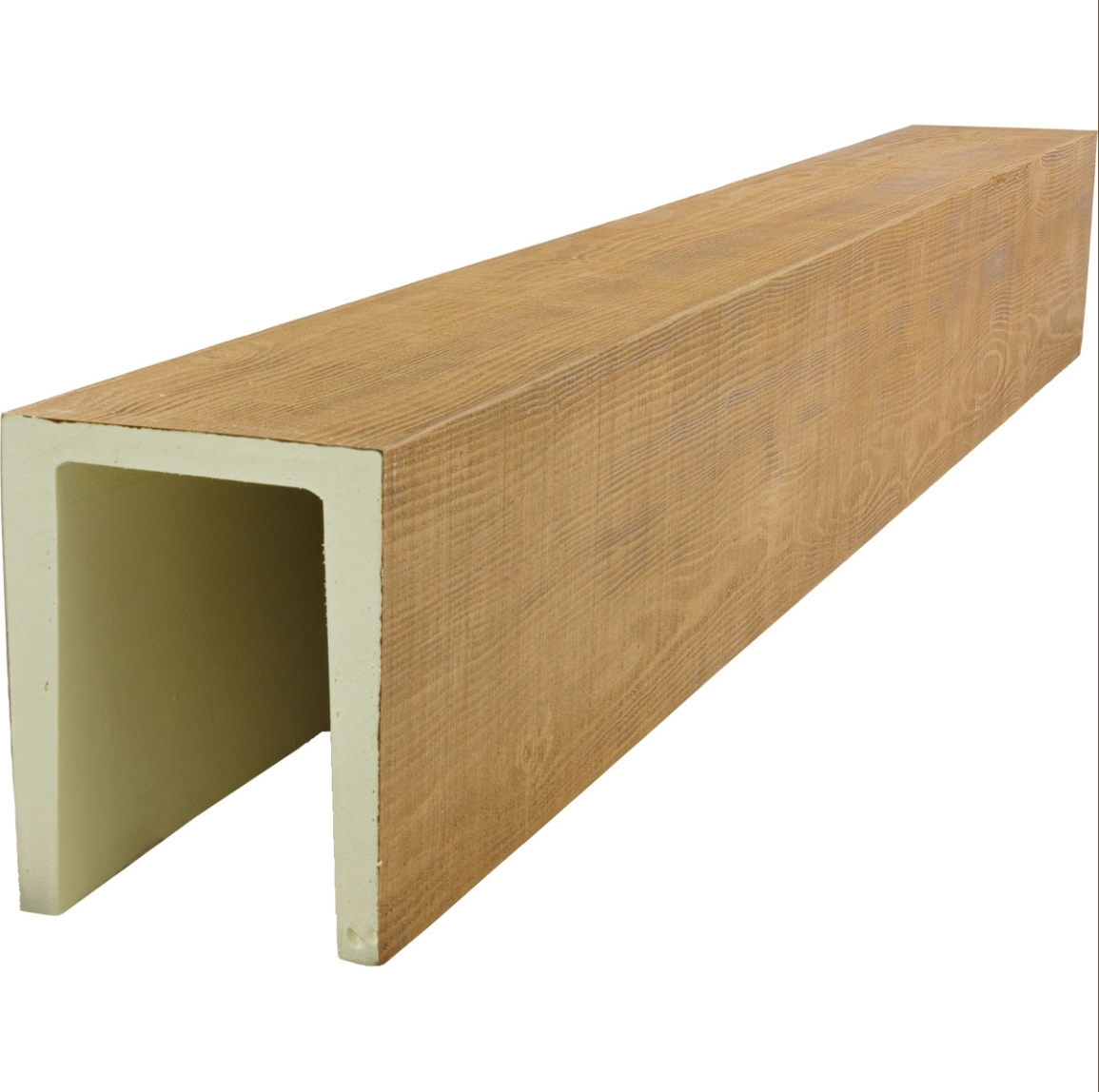
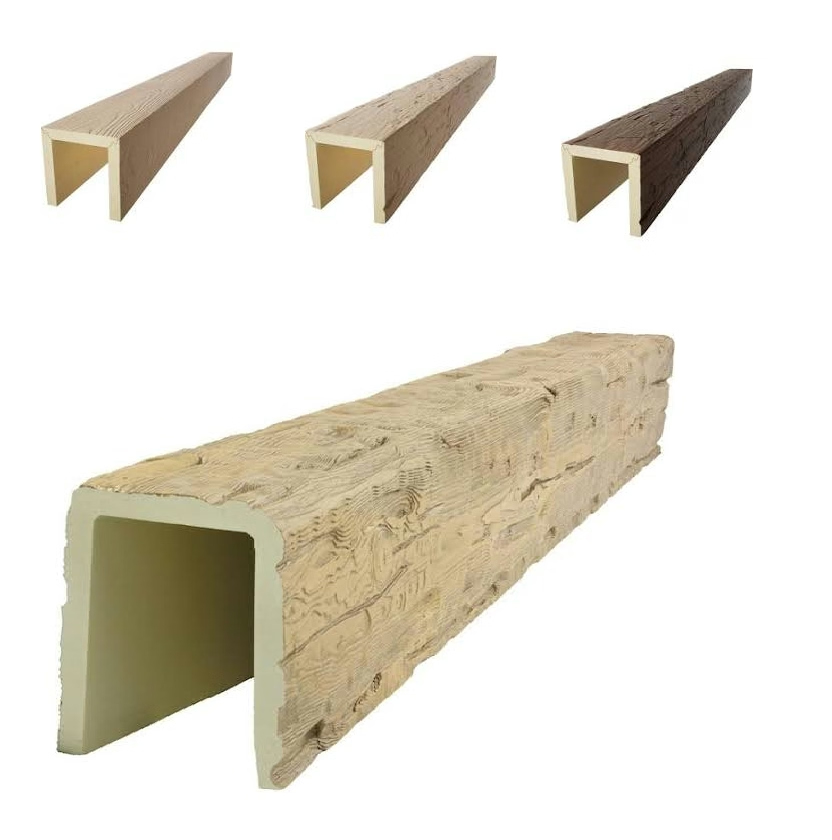
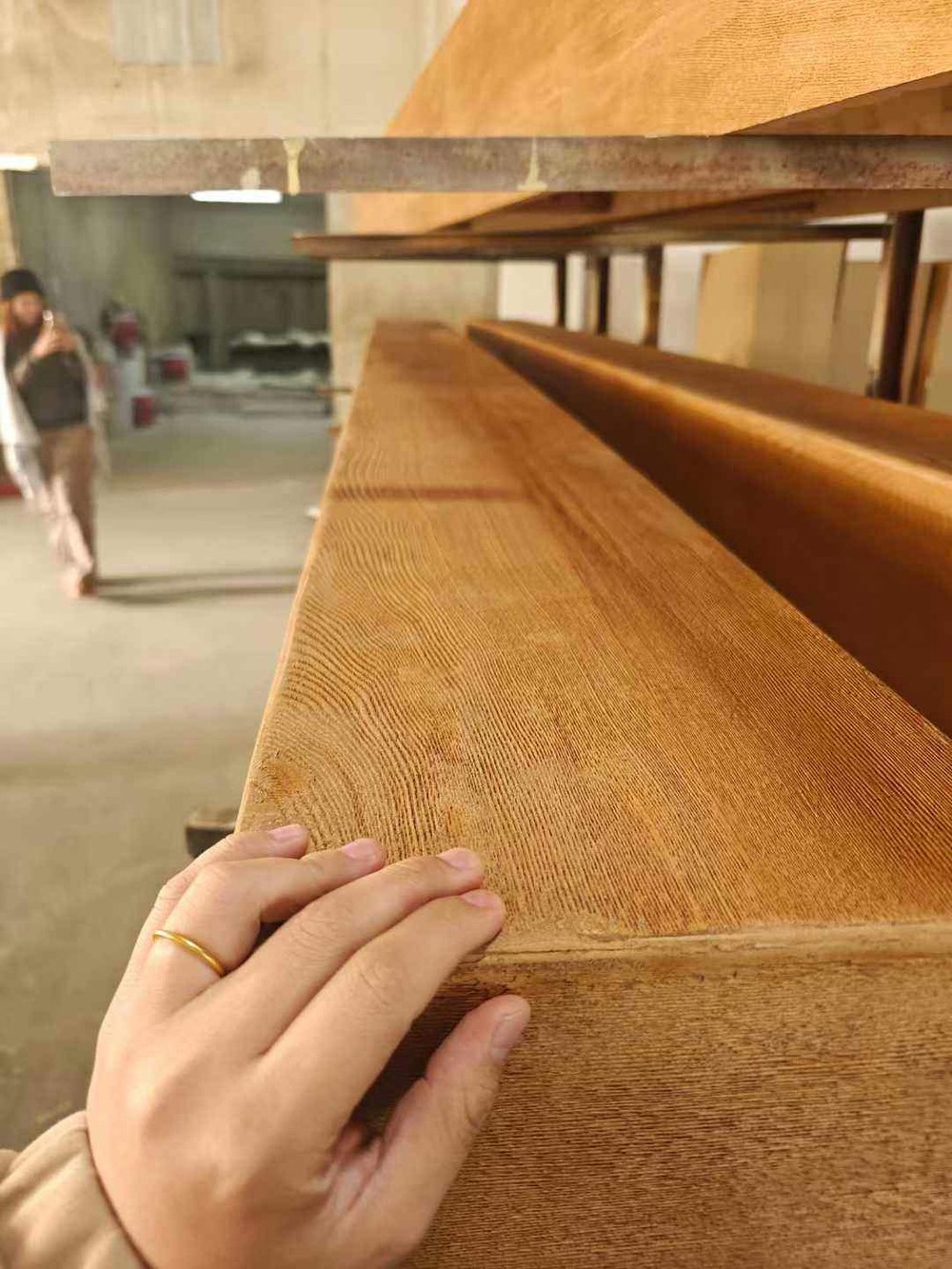
Walk into a restaurant that installed faux wood beams fifteen years ago. The ceiling treatment still carries that warm, authentic character that drew compliments when first installed. No checking in the grain. No faded patches where sunlight struck. No wear marks where generations of guests passed beneath. This is the promise of modern texture retention technology—a promise backed by engineering rather than marketing claims.
Understanding what makes some faux wood beams maintain their appearance while others degrade requires examining the material science beneath the surface. Polyurethane formulations vary dramatically in UV resistance, surface hardness, and molecular stability. These differences determine whether beams serve a decade or a generation before showing their age.
The Science of Surface Stability
Polyurethane's molecular structure offers inherent advantages for stable surfaces, but formulation choices create vastly different performance outcomes. Premium manufacturers control the isocyanate-to-polyol ratio precisely, creating cross-linked polymer networks that resist the chain scission reactions driving surface degradation. These tightly bound molecular structures maintain their integrity when lesser formulations break down under environmental stress.
UV radiation represents the primary aging mechanism for any surface material. When ultraviolet photons strike polymer surfaces, they initiate degradation reactions that manifest as chalking, color shift, and surface erosion. Advanced UV stabilizers intercept these photons or neutralize the free radicals they generate. Quality faux beams incorporate hindered amine light stabilizers combined with UV-absorbing compounds, creating layered protection that absorbs, scatters, and neutralizes damaging radiation before it reaches the underlying polymer structure.
The concentration and quality of these stabilizers distinguishes premium products. Some manufacturers use minimal additive packages to reduce costs, accepting reduced lifespan as the tradeoff. Others invest in higher stabilizer concentrations and better-quality additives, achieving performance that justifies the material premium through extended service life.

Anti-Fade Technology in Practice
Color retention in polyurethane faux beams depends on both pigment quality and resin stability. Organic pigments offer excellent initial color matching but tend toward rapid fade under UV exposure. Inorganic pigments, while sometimes less vibrant initially, maintain their characteristics far longer. Premium manufacturers often combine both types strategically, using organic pigments for subtle color variations while relying on inorganic bases for primary tones.
Beyond pigment selection, the binding resin itself must resist yellowing. Many polyurethane formulations develop progressive yellowing even without direct UV exposure, as the polymer backbone undergoes oxidative changes. Manufacturers address this through antioxidant incorporation and by controlling residual isocyanate levels that can catalyze unwanted reactions. The result is a beam that maintains its intended appearance regardless of environmental conditions.
Thermal cycling presents another fade mechanism often overlooked. Spaces with significant temperature variation—sunny atriums, unconditioned patios, poorly insulated commercial zones—experience daily expansion and contraction stresses that can stress-stain surfaces. Quality faux beams accommodate these movements without surface damage because their flexibility remains stable across the temperature range they encounter.
Wear Resistance Engineering
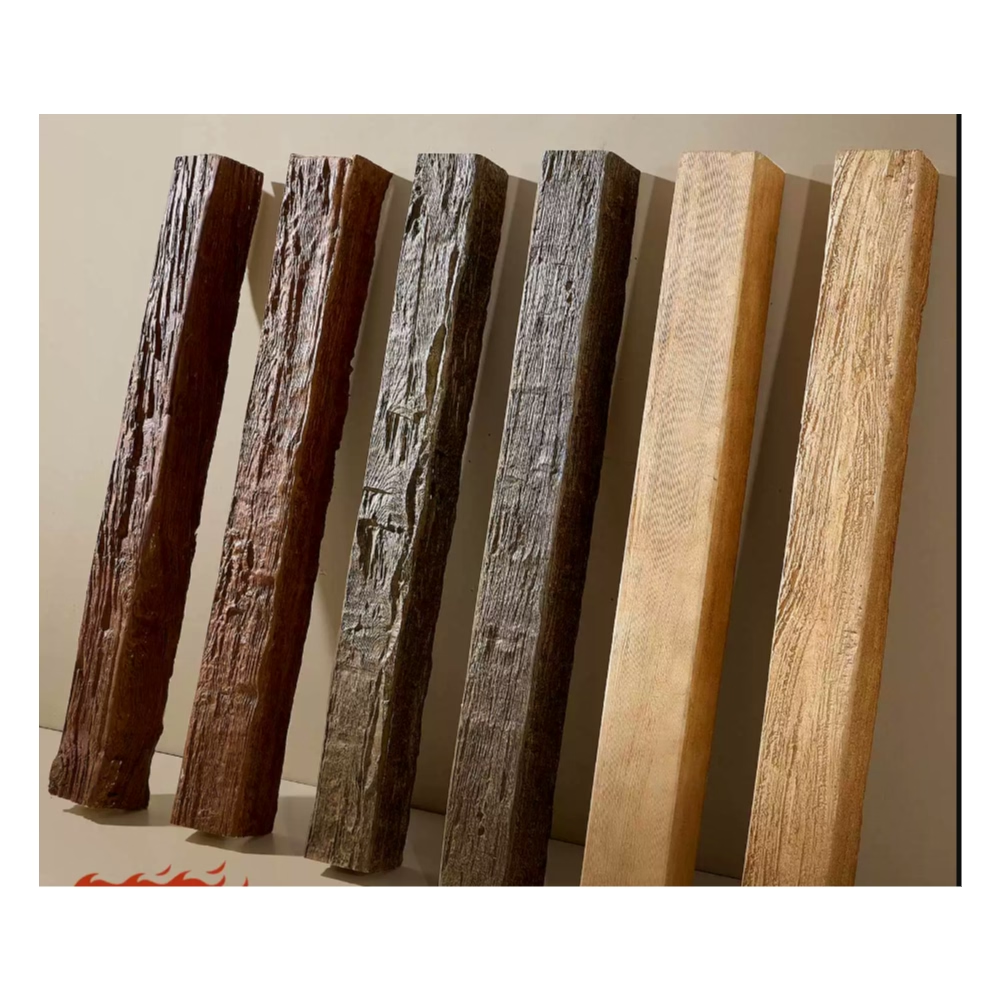
Surface hardness and abrasion resistance determine how well beams tolerate the inevitable contacts of real-world use. Unlike genuine wood, which can dent, scratch, and gouge readily, properly formulated polyurethane achieves surface hardness that resists casual damage while maintaining realistic texture depth.
The secret lies in careful balance. Excessively hard formulations create surfaces that crack under impact rather than absorbing energy elastically. Insufficient hardness allows visible damage from routine contact. The optimal range—typically Shore D hardness in the 65-75 range for ceiling applications—provides impact resistance without sacrificing the subtle give that prevents catastrophic failure.
Abrasion testing using standardized protocols reveals significant performance differences between products. Taber abrasion testing, which rotates weighted abrasive wheels against test surfaces, shows quality beams losing minimal material through thousands of cycles. This testing simulates the gentle cleaning contacts and dust accumulation that eventually affect ceiling beams in commercial environments.
Real-World Performance Validation
Laboratory testing provides useful comparisons, but field performance truly validates anti-fade and wear characteristics. Manufacturers with established reputations often provide case studies documenting performance in demanding applications—restaurants with smoking sections, healthcare facilities with frequent cleaning, residential spaces with high UV exposure through skylights.
These documented performances offer more reliable guidance than marketing claims. Requesting specific examples from your supplier demonstrates their confidence in product performance while gathering intelligence for your own specification decisions. Suppliers who cannot document field performance may be masking inadequate formulations behind generic marketing language.
The warranty terms themselves reveal manufacturer confidence. Extended warranties covering fade resistance and surface integrity indicate engineering certainty about long-term performance. Quality manufacturers typically warrant against significant fade, chalking, and surface degradation for five to ten years, recognizing that their formulations should outlast typical commercial lease cycles.
Selecting for Long-Term Appearance
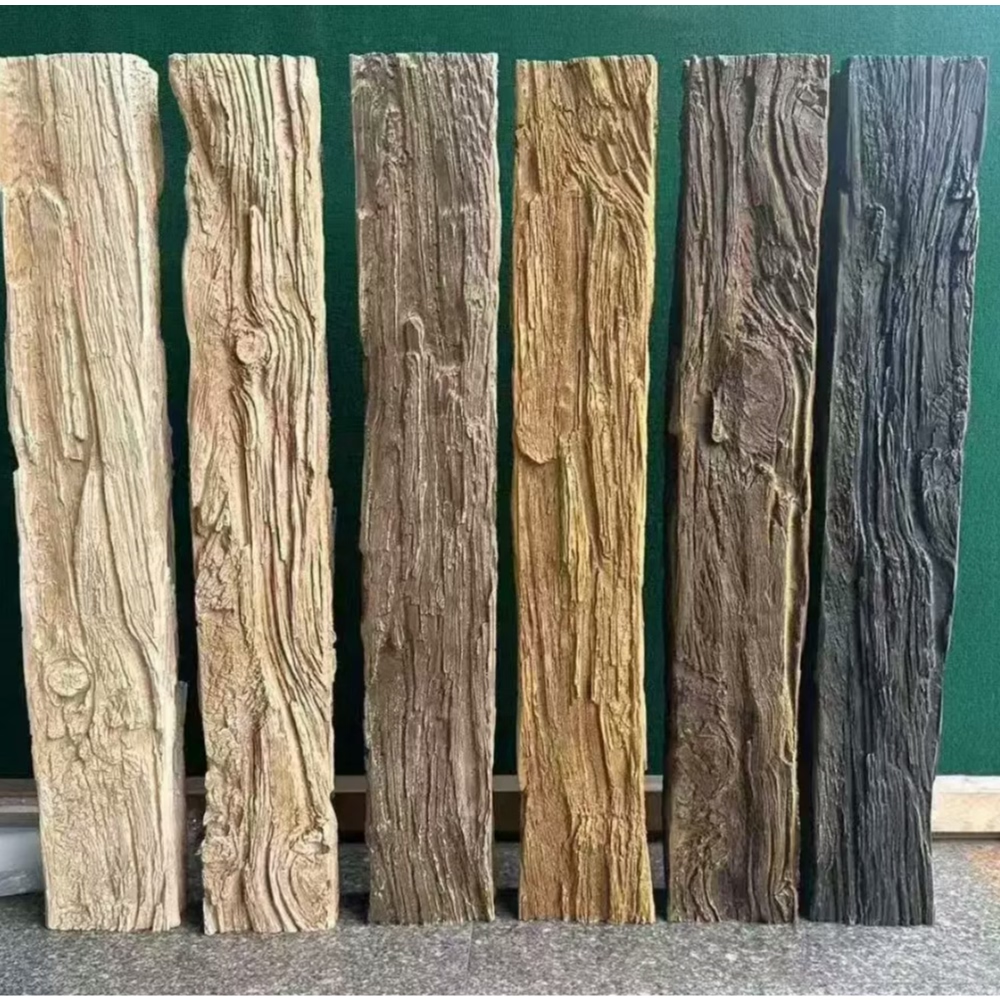
Specification decisions shape appearance retention throughout a beam's service life. Southern exposures demand higher UV protection levels. High-traffic commercial ceilings benefit from enhanced surface hardness. Spaces with aggressive cleaning protocols need chemical resistance beyond standard formulations. Matching product characteristics to application requirements optimizes both performance and value.
Beyond base product selection, installation practices affect long-term appearance. Adequate ventilation prevents moisture accumulation that can degrade polymer surfaces. Proper support spacing prevents stress concentrations that might manifest as surface cracks. Appropriate handling during installation avoids pre-installation damage that becomes visible later.
Maintenance protocols also influence appearance retention. While quality faux beams require far less maintenance than genuine wood, periodic cleaning removes abrasive particles that accelerate surface wear over time. Gentle cleaning with appropriate products maintains appearance without the harsh chemicals that can degrade surface chemistry.
The combination of quality product selection, proper installation, and appropriate maintenance creates ceiling treatments that maintain their character for decades—authentic wood aesthetics without the ongoing maintenance burden that genuine timber demands.
Technical References
ASTM standards cited in every specification
Test Data
Lab results from internal testing program
Updated 2026
Reviewed against current product specs