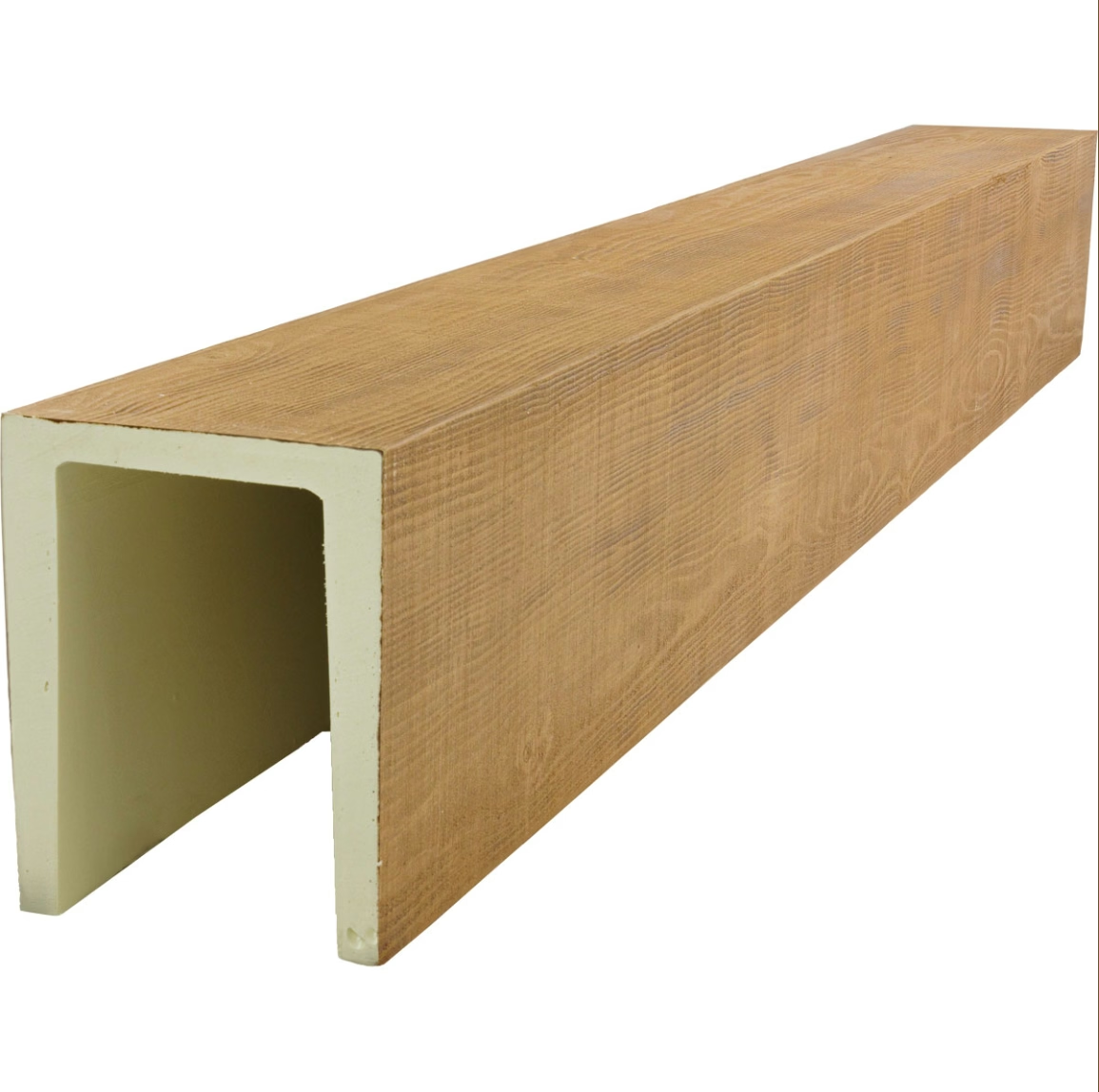
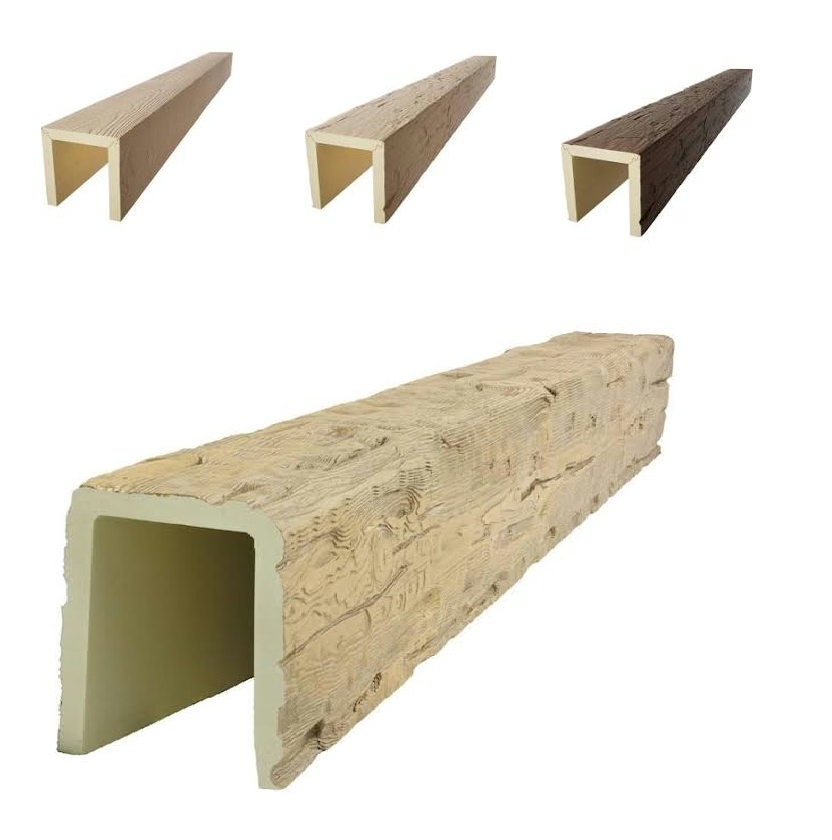
The expectation that quality must cost premium prices doesn't always hold in the world of ceiling beams. Modern polyurethane manufacturing has advanced significantly, producing beams with convincing wood character at costs that would have seemed impossible a generation ago. This democratization of aesthetic quality benefits residential projects where budgets are finite but design ambitions are not.
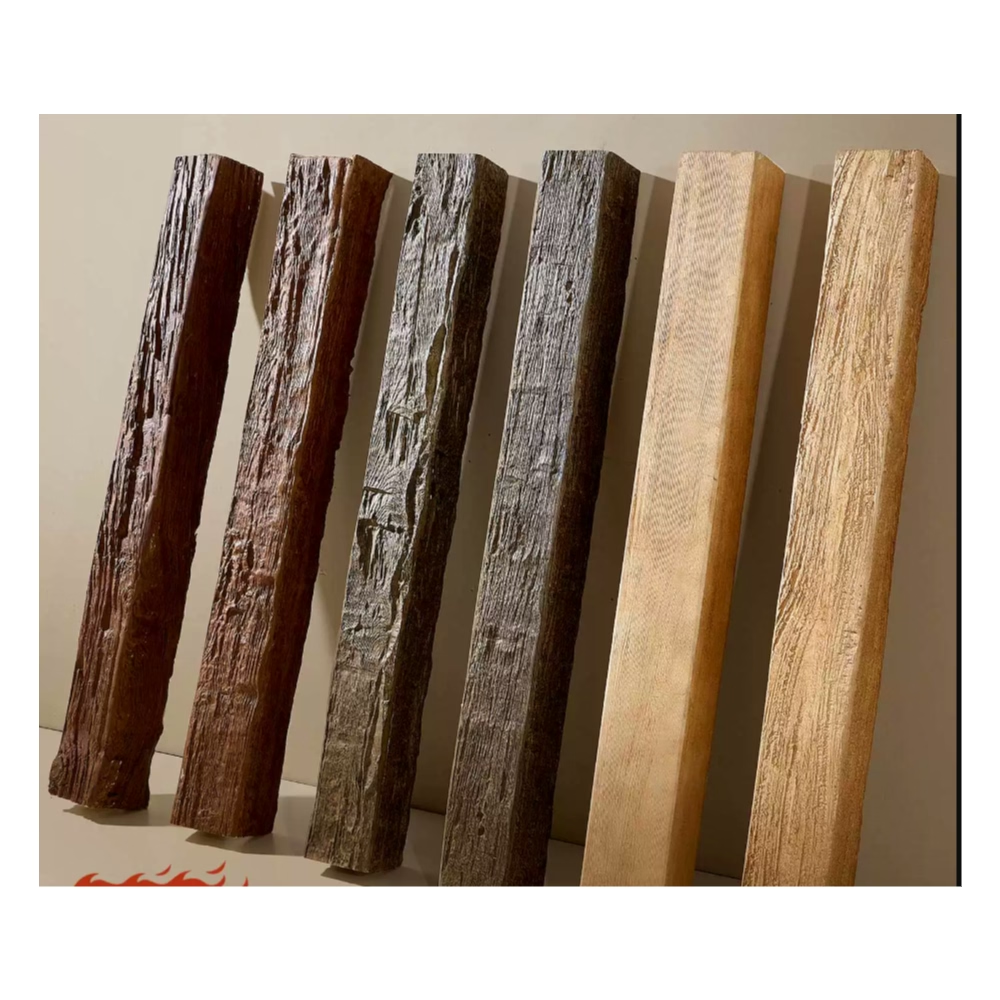
High-realism polyurethane beams achieve their convincing appearance through careful attention to the visual cues that make wood look like wood. Grain patterns that flow naturally rather than repeating mechanically. Edge details that suggest handcraft rather than factory sameness. Surface textures that invite touch while resisting wear. When these elements align properly, the result is a beam that satisfies even careful inspection.
What Creates Convincing Realism
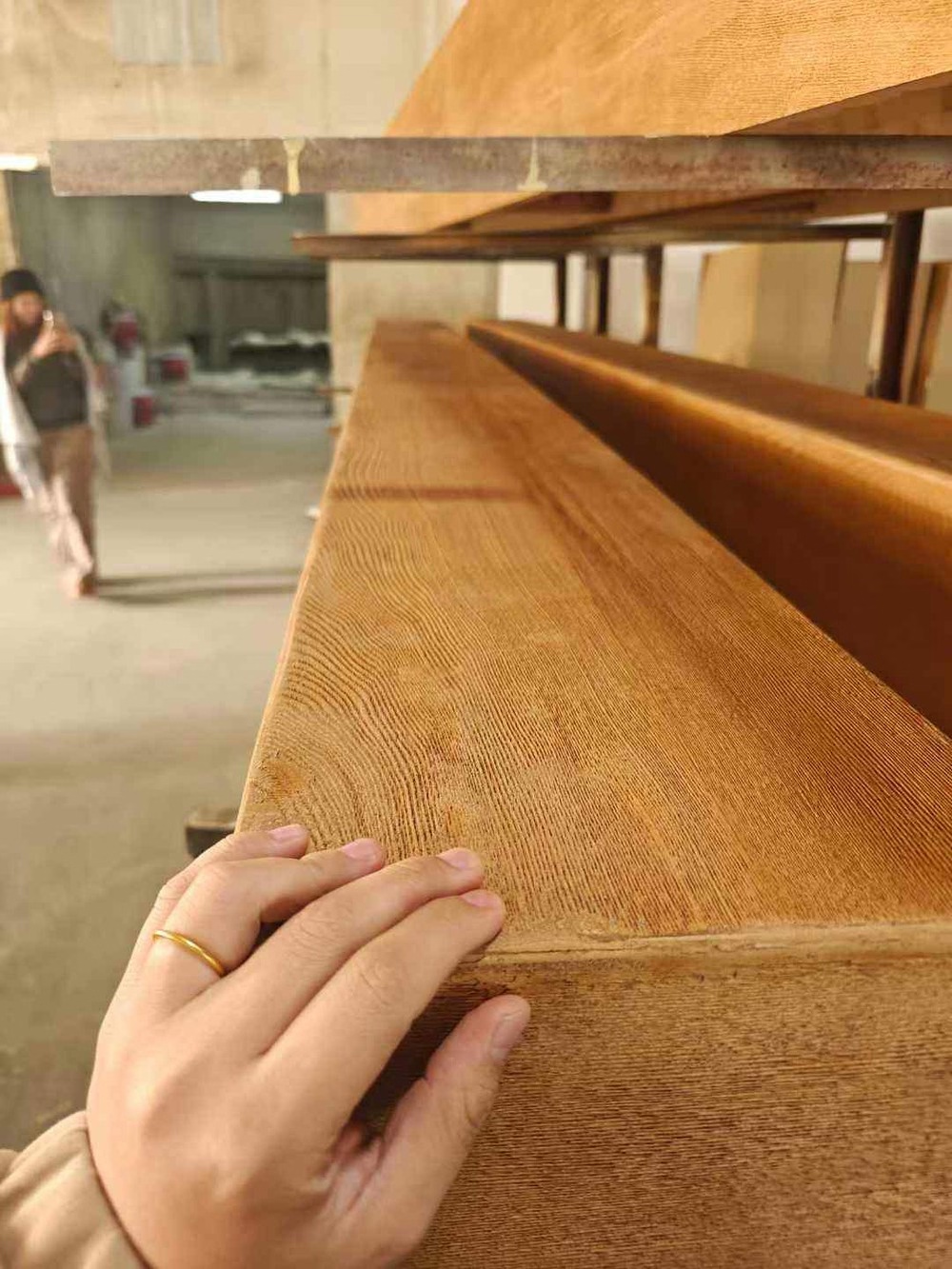
Wood grain authenticity depends on more than just pattern variety. The three-dimensional depth of grain—how deeply the pattern recesses into the surface—affects perceived realism significantly. Cheap reproductions often show flat, printed patterns that read as obvious fakery under any scrutiny. Quality polyurethane captures depth through mold tooling that reproduces actual wood surface topography.
Color variation within individual beams adds life that uniform coloring cannot achieve. Wood naturally shows subtle color shifts across its surface—darker near knots, lighter in fast-growth areas, various between growth rings. Quality beams incorporate these variations through either integral coloring or deliberate surface treatment that creates natural-looking diversity.
Edge treatment distinguishes premium products from budget alternatives. Real wood shows specific characteristics at edges and ends—exposed grain patterns different from flat faces, specific weathering consistent with the piece's history. Attention to these details in polyurethane production creates authenticity that casual inspection cannot dismiss.
Manufacturing Approaches to Realism
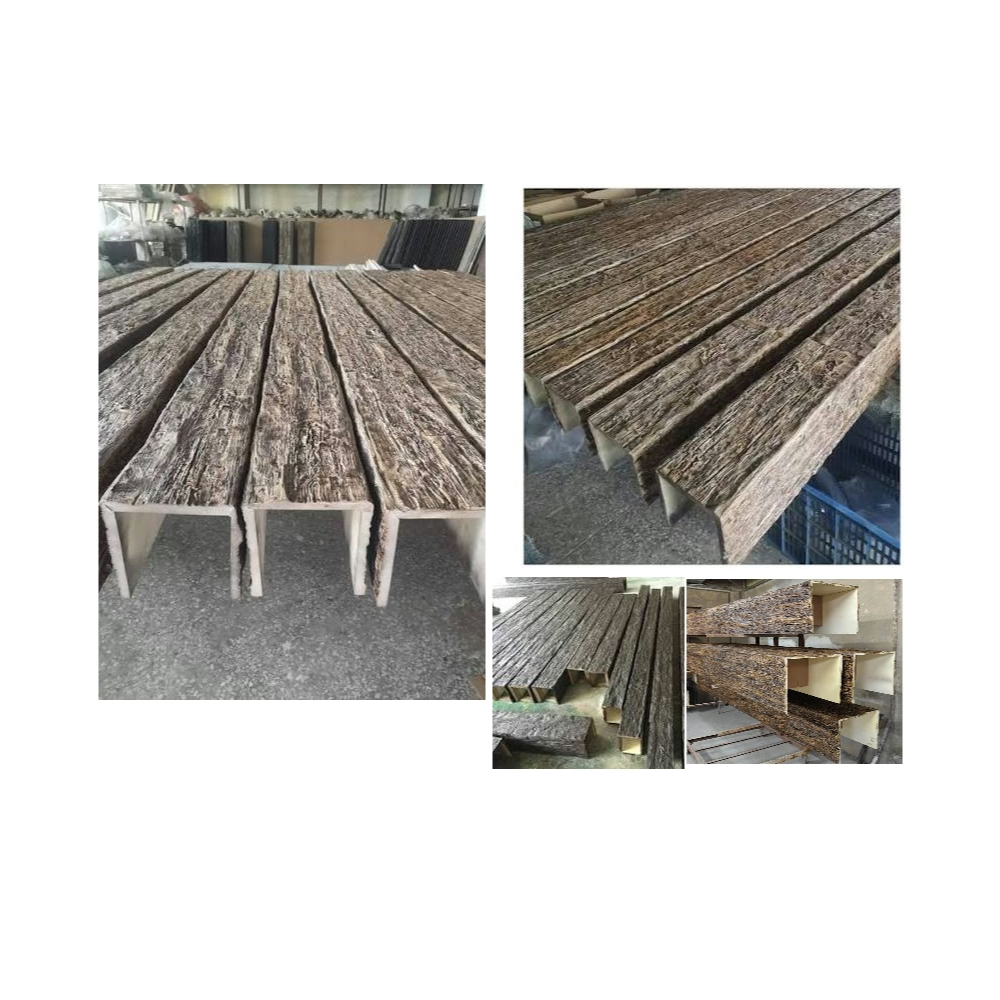
Reaction injection molding enables complex surface detail reproduction that older polyurethane methods couldn't achieve. This process injects liquid resin into detailed molds under pressure, filling fine detail without voids or surface defects. The resulting products capture wood surface characteristics at resolutions that approach actual timber.
Paint application techniques contribute significantly to realistic appearance. Rather than single-color spraying, sophisticated finishing applies multiple colors in controlled sequences that build depth and variation. Subtle highlighting around edges, shadowing in recesses, and color variation across surfaces create the visual complexity that makes wood look naturally varied.
Quality control systems ensure that realism remains consistent across production runs. Color measurement instruments verify that each batch matches specifications. Visual inspection catches defects that instruments might miss. This attention to consistency prevents the batch-to-batch variation that would undermine confidence in product appearance.

Realism Versus Cost Considerations
Achieving high realism doesn't require the highest cost products, but some correlation exists between price and visual quality. Entry-level beams might offer recognizable wood shape without convincing wood character. Mid-range products typically deliver appearance that satisfies casual observation. Premium products approach visual equivalence with genuine timber under close inspection.
This tiered reality suggests strategic purchasing based on application visibility. Beams installed in prominent locations where design impact matters deserve investment in more realistic products. Beams in less visible locations—above shelving, in secondary rooms, in spaces with limited viewing angles—might justify budget products that sacrifice some realism for cost savings.
The viewing distance also affects realism requirements. Beams in rooms with high ceilings, seen primarily from below and at distance, need less detailed surface treatment than beams in rooms with low ceilings where close inspection is likely. Understanding these application requirements guides appropriate realism investment.
Residential Applications That Benefit
Living rooms often serve as the centerpiece of residential beam installations. These spaces receive the most design attention and host the most critical audiences—family and friends whose opinions matter. High-realism beams in living rooms justify investment because the space demands quality and the audience appreciates it.
Kitchens present different considerations. Ceiling beams in cooking spaces face grease exposure, humidity variation, and potential cleaning. High-realism beams in these locations must also be practical, with surfaces that wipe clean and resist staining. The investment in quality pays through easier maintenance and better appearance retention.
Bedrooms often allow slightly more budget-friendly approaches. The intimate scale and typically lower lighting levels reduce the scrutiny beams receive. Beams above beds, where ceiling detail is often barely visible from sleeping positions, might not justify premium realism when good-quality mid-range products provide adequate appearance.
Maximizing Value in Realism Selection
Purchasing high-realism beams at low cost requires strategic approaches that avoid unnecessary premium. Direct manufacturer purchasing eliminates distributor markups that add cost without adding value. Sample ordering before bulk purchase prevents investing heavily in products that disappoint upon delivery. Comparison shopping across suppliers reveals significant price variation for similar quality levels.
Timing purchases strategically affects cost. Off-season buying, closeout opportunities, and volume discounts all reduce effective cost per beam. Building relationships with suppliers leads to access to deals that casual purchasers miss. These approaches require patience but can reduce costs substantially.
Consider total project cost, not just beam price. Shipping, finishing materials, hardware, and installation labor combine with beam cost to determine project investment. A slightly more expensive beam that simplifies finishing or reduces installation complexity might provide better total value than the cheapest option that creates hidden costs.
Installation's Role in Realism
Even the most realistic beam can look cheap if installation fails to support the illusion. Joints that don't align properly, gaps that reveal non-wood substrates, or mounting hardware that's visible—all undermine realistic appearance. Quality installation ensures that the realistic beam delivers on its visual promise.
Matching beam style to architecture affects perceived realism. Beams that look appropriate to their setting seem more believable than those that seem mismatched or out of context. A craftsman-style beam in a Victorian home might read as obviously fake, while the same beam in a contemporary space feels appropriate and convincing.
Lighting affects how realistically beams read. Strong directional lighting can reveal surface characteristics that might escape notice under diffuse illumination. Indirect lighting softens detail and helps budget products appear more realistic than they might under harsher conditions.
Technical References
ASTM standards cited in every specification
Test Data
Lab results from internal testing program
Updated 2026
Reviewed against current product specs