Every construction product category includes examples of frustration—the material that arrives damaged, the finish that doesn't match samples, the installation that doesn't fit as expected. These experiences accumulate into market reputation. Manufacturers who consistently deliver products that meet expectations build trust that drives repeat business. Those who frequently miss the mark find their markets shrinking as word spreads about quality problems.
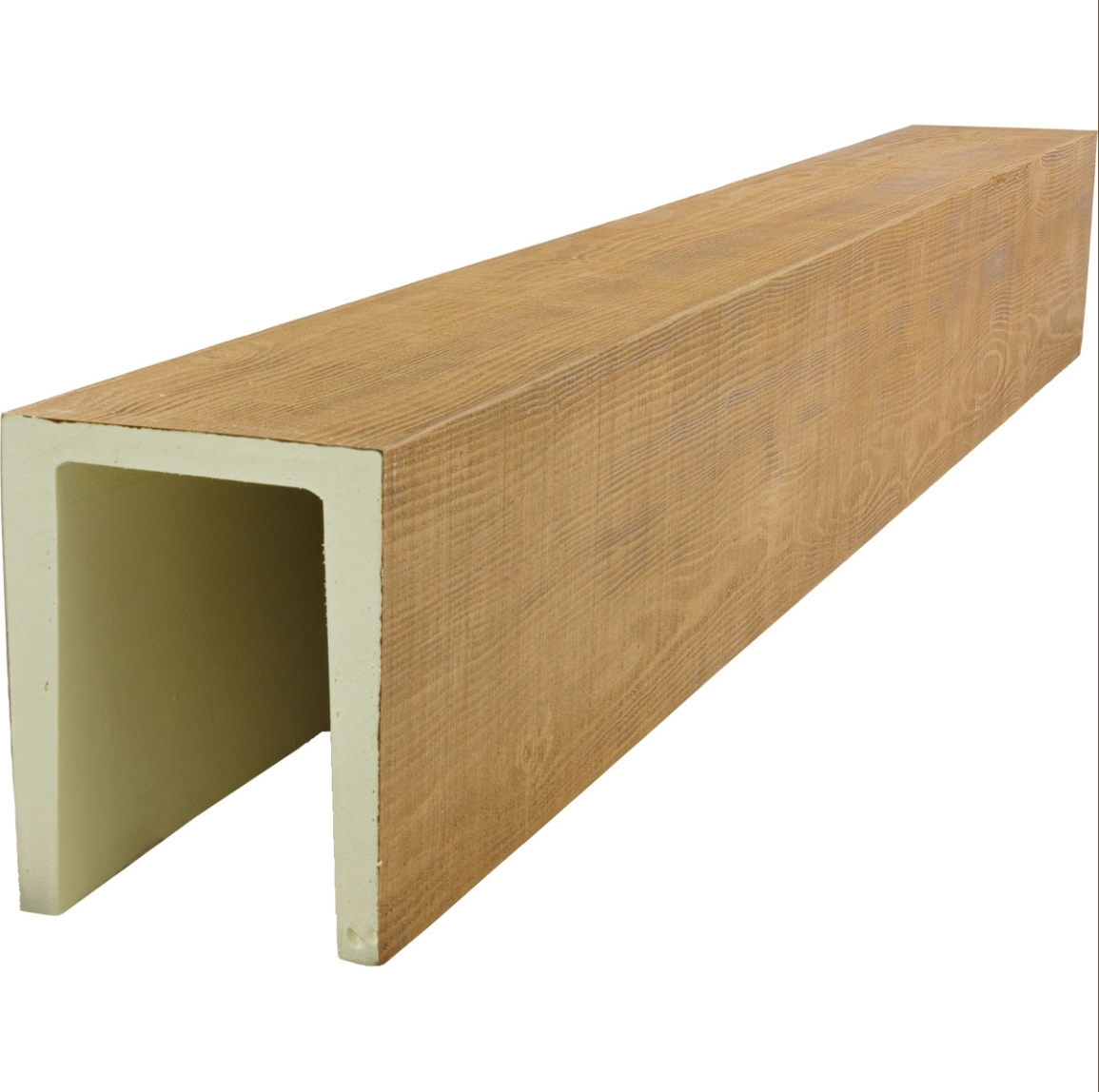
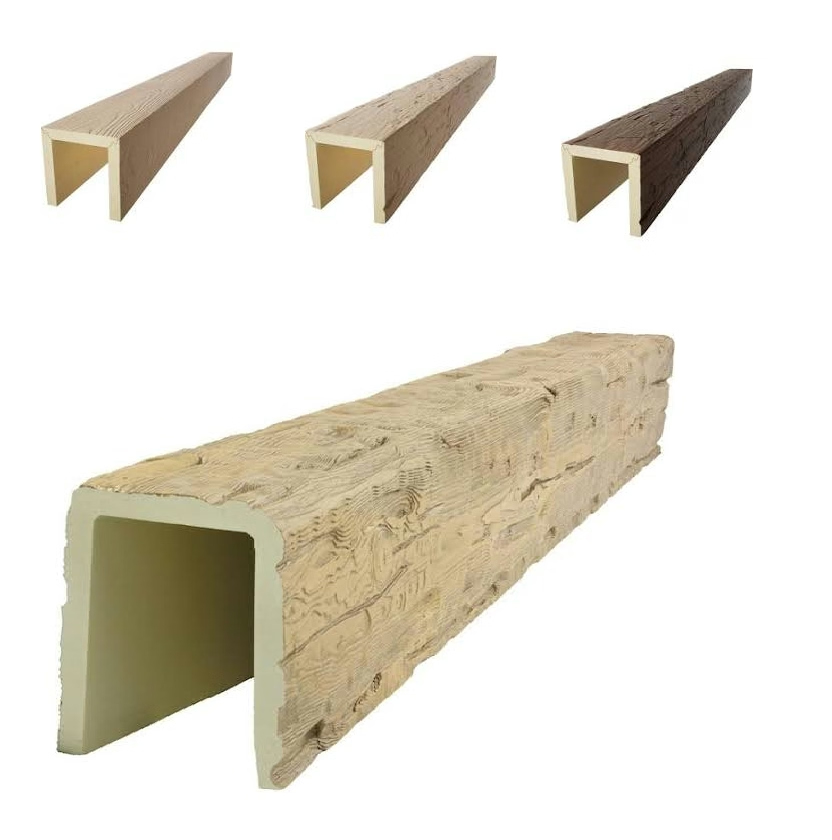
Polyurethane faux wood beams occupy no exception to this dynamic. Despite the apparent simplicity of a decorative beam, manufacturing complexity creates numerous opportunities for defects. Resin quality, mixing precision, mold condition, cure timing, finishing accuracy—each step can introduce problems that reach customers and generate complaints. Understanding how some manufacturers achieve consistently low defect rates illuminates what quality actually requires.
The Anatomy of Beam Defects
Surface imperfections represent the most visible defect category. Voids just below the surface create weakness points that might not appear until handling or installation. Trapped air bubbles leave circular depressions that catch paint differently than surrounding areas. Surface roughness in mold-release areas creates appearance inconsistencies that show after finishing.
Dimensional problems cause installation difficulties. Beams that don't match specified lengths require field modification. Width variations prevent proper joint fitting. Thickness inconsistency means uneven mounting and visible gaps. These problems might seem minor individually but combine to create installation experiences that generate complaints.
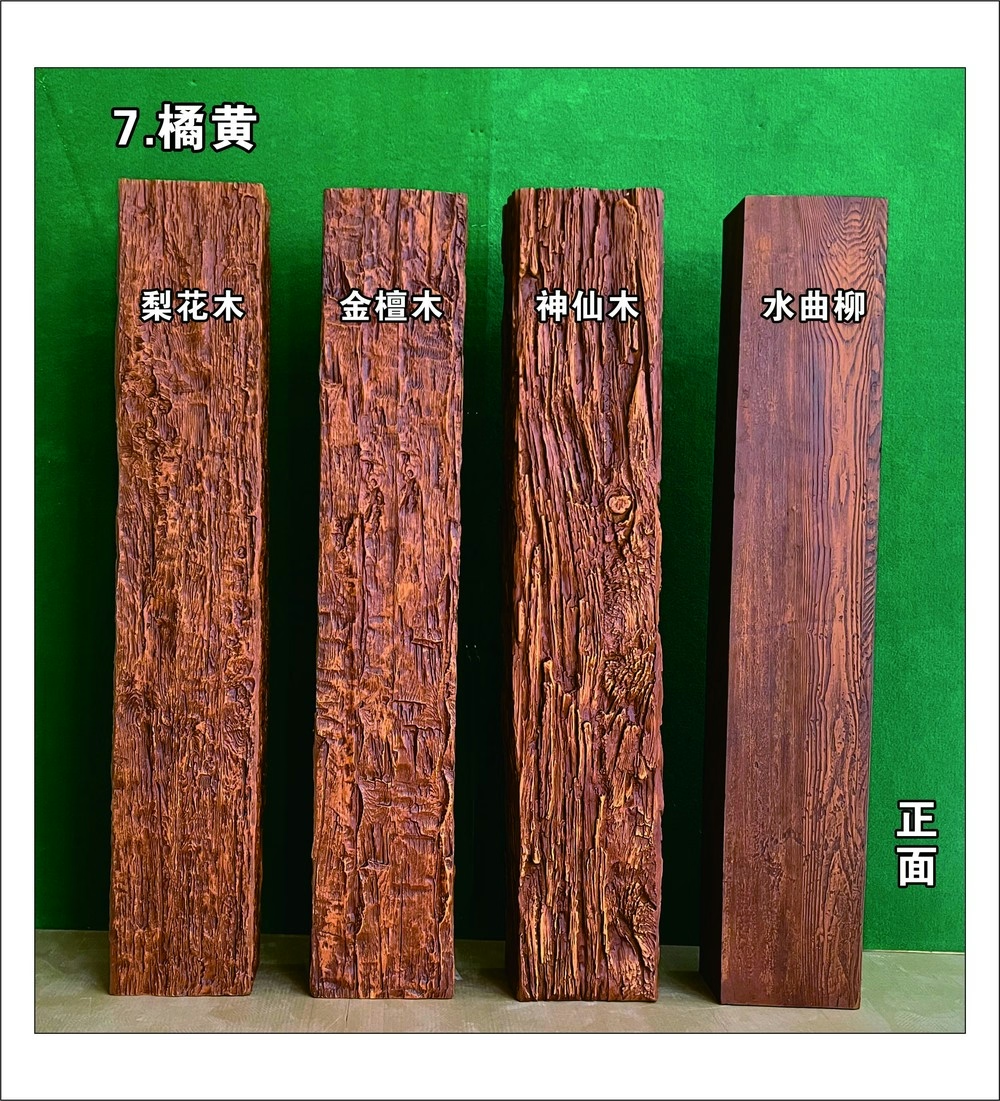
Color and finish defects undermine the appearance that justifies faux wood selection in the first place. Batch-to-batch color variation means new beams don't match existing installations. Surface inconsistency creates visible differences between beam faces. Finish adhesion problems cause peeling or chipping that embarrasses both installer and manufacturer.
Quality Systems That Prevent Problems
Statistical process control brings data-driven quality management to beam manufacturing. Rather than simply inspecting finished products and rejecting defectives, SPC monitors production parameters throughout the manufacturing process. When measurements trend toward specification limits, process adjustments prevent defective products before they're created.
This proactive approach reduces waste and improves consistency compared to purely inspection-based quality control. The goal becomes preventing defects rather than detecting them after production. Manufacturers employing SPC typically achieve tighter quality distributions and fewer extreme outliers that generate customer complaints.
Raw material testing provides another quality prevention layer. incoming resin, pigments, and additives all affect final product characteristics. Testing batches before use identifies material problems before they contaminate production. This investment in incoming quality control prevents the more expensive problems that material defects create.

Manufacturing Excellence Indicators
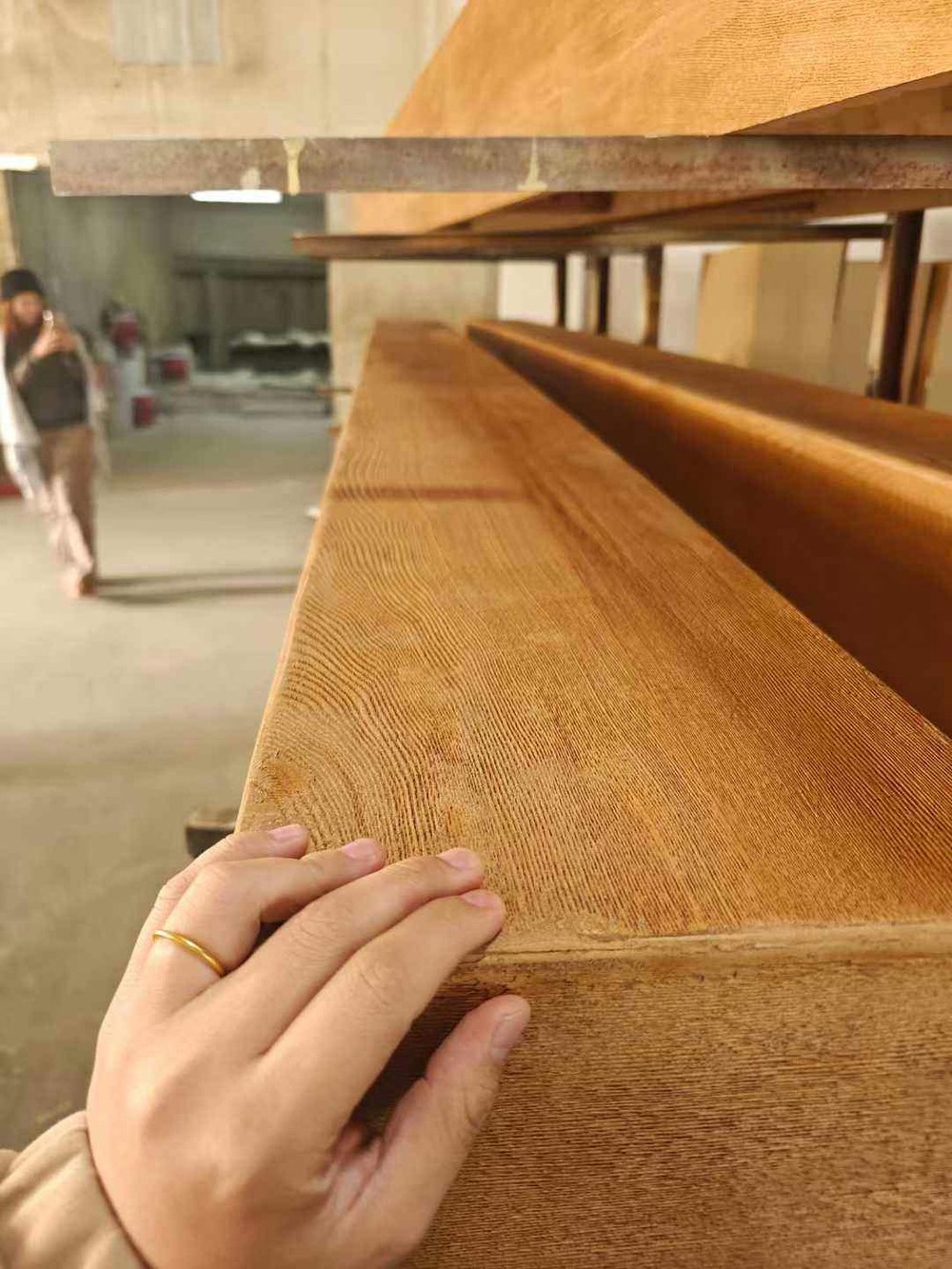
Production environment conditions affect quality more than most buyers realize. Temperature variation during production influences cure rates and final properties. Humidity affects surface characteristics and finishing behavior. Dust contamination creates surface defects that inspection might not catch until after installation.
Well-managed manufacturers control these environmental factors through climate-controlled facilities. Production areas maintain consistent temperature and humidity levels. Positive pressure prevents dust infiltration. Regular cleaning maintains contamination-free surfaces. These investments don't appear in product specifications but directly affect the quality buyers experience.
Equipment maintenance ensures consistent production quality over time. Worn molds produce degraded detail. Calibrated equipment drifts out of tolerance. Preventive maintenance programs catch these problems before they affect product quality. Manufacturers who skimp on maintenance eventually pay through quality problems and customer complaints.
Documentation and Traceability
Complete production records enable quality investigation when problems do occur. Batch numbers linking products to specific production runs, raw material lots, and processing conditions allow manufacturers to identify problem sources quickly. This traceability prevents recurrent defects by enabling root-cause analysis and corrective action.
Complete documentation also supports warranty claims and customer service interactions. When complaints arise, documented quality evidence enables fair claim assessment. Products meeting specifications can be distinguished from those with genuine manufacturing defects. This capability protects both manufacturer and buyer in dispute situations.
Customer complaint tracking provides feedback that drives quality improvement. Systematic analysis of complaint patterns reveals systematic problems that might escape routine inspection. When complaints cluster around specific products, processes, or time periods, investigation often identifies addressable causes.
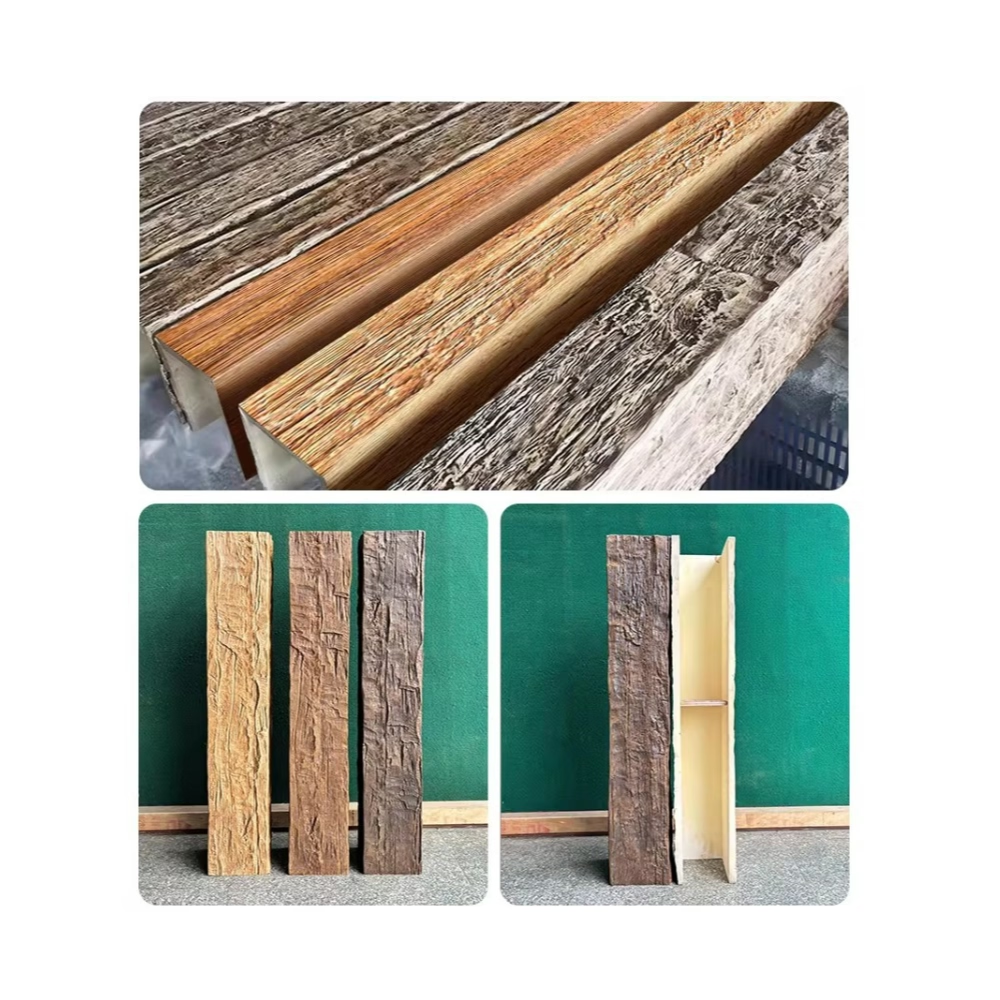
Selecting for Quality Reliability
Buyers can improve their quality outcomes through strategic supplier selection. Length of time in business correlates with quality system maturity, though not absolutely. Established manufacturers have had time to develop processes and correct problems that newer producers might not yet have encountered.
Certifications indicate quality system commitment, though not guarantee outcomes. ISO 9001 registration requires documented quality management systems. Other industry-specific certifications establish performance benchmarks. These credentials represent minimum quality standards that reputable manufacturers typically exceed.
Warranty terms reveal manufacturer confidence in their products. Extended warranties covering extended periods indicate belief in defect-free production. Restricted warranty terms might indicate known problem areas that manufacturers prefer not to address. Understanding warranty implications helps set appropriate expectations.
The True Cost of Quality
Initial price differences between low-defect and high-complaint products often seem significant. Careful examination reveals different economics when total cost of ownership enters the calculation. Defective products require replacement, re-installation, and potential project delays. Customer complaints damage reputation that affects future business opportunities. These hidden costs often exceed the initial price premium for quality products.
Reputation effects compound over time. Contractors who experience quality problems change suppliers, often permanently. Designers who specify products that generate complaints avoid those products in future projects. These customer losses translate directly into reduced demand that eventually affects market pricing for all products from problematic manufacturers.
Quality manufacturers benefit from positive reputation effects equally. Satisfied customers recommend products to colleagues. Successful installations become references for future projects. This reputation capital represents competitive advantage that justifies quality investments and enables premium pricing.
Technical References
ASTM standards cited in every specification
Test Data
Lab results from internal testing program
Updated 2026
Reviewed against current product specs