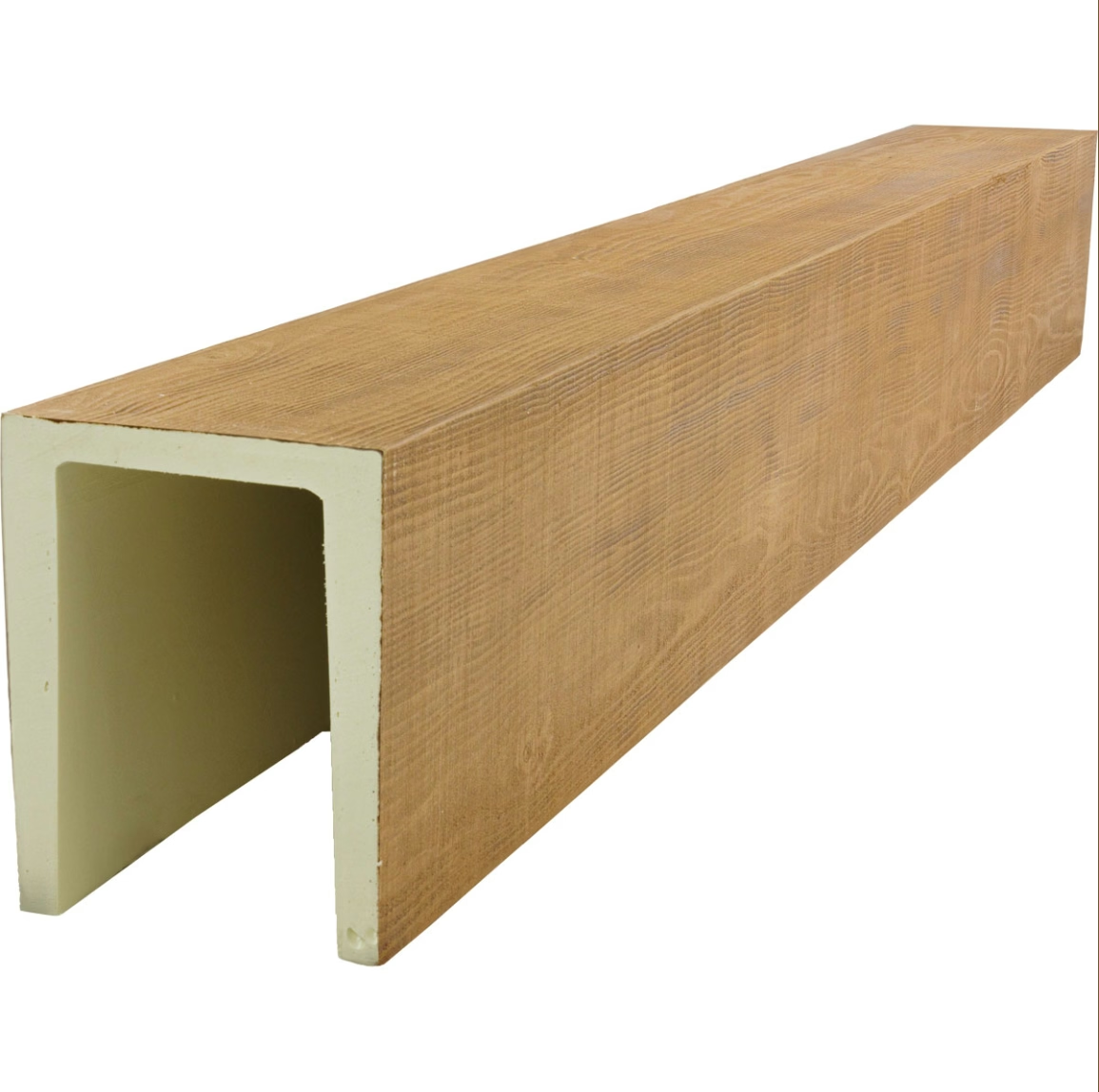
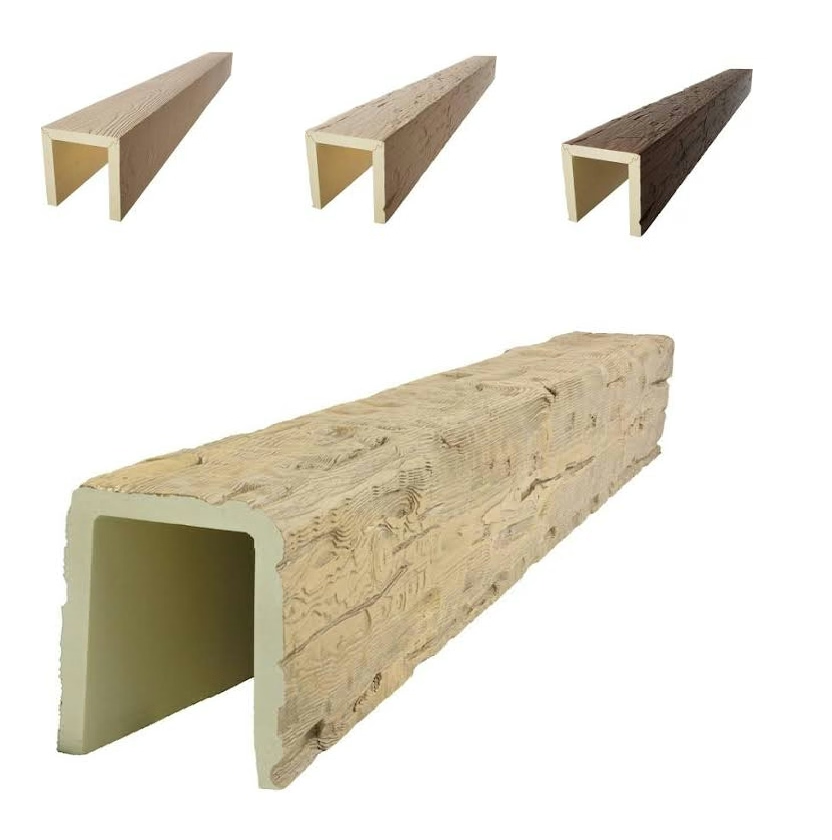
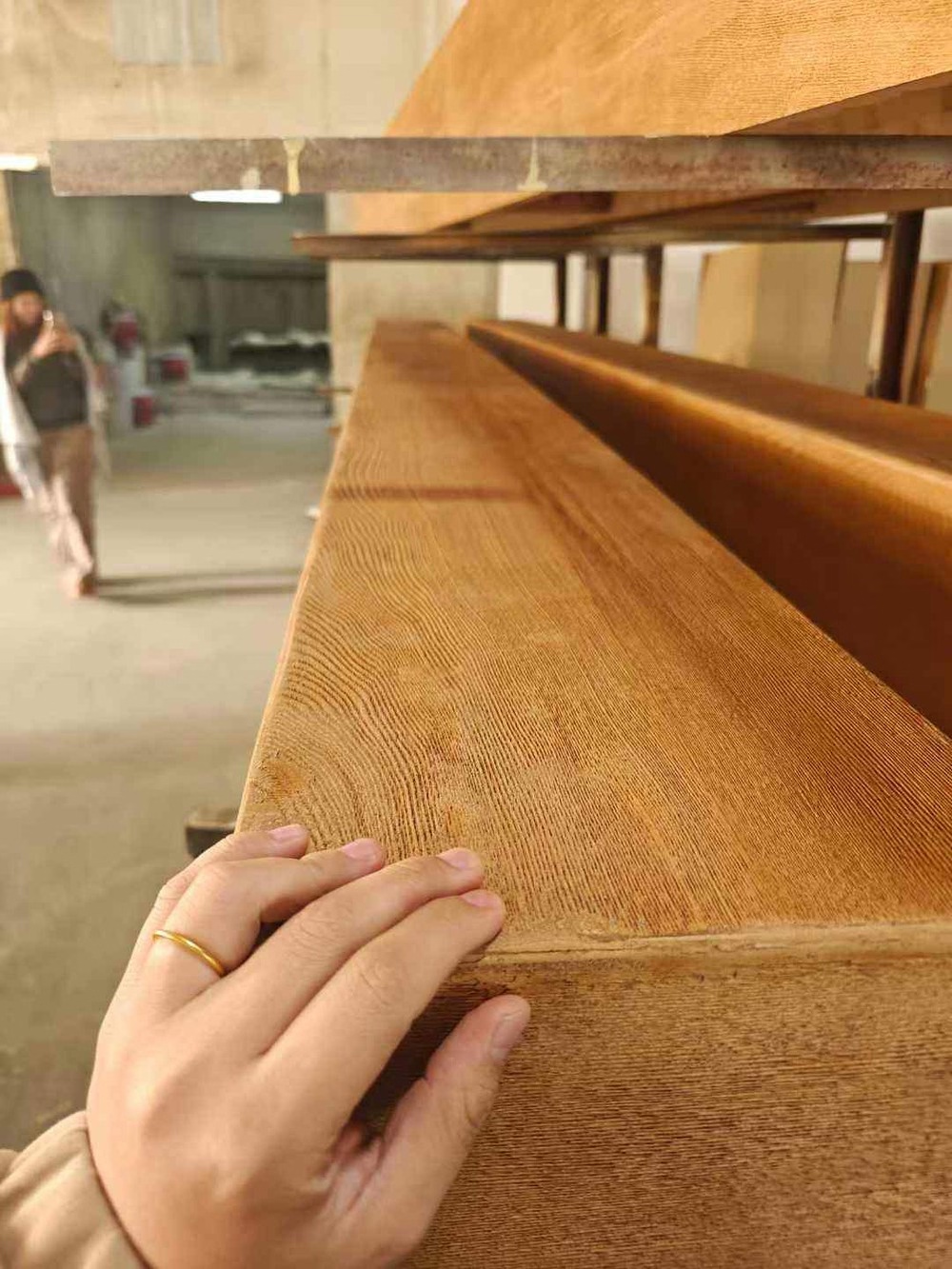
The dream of a rustic wood beam ceiling often collides with the reality of ongoing maintenance. Staining that fades unevenly in sunlight. Sealing that fails and allows moisture damage. Cracks that appear as wood ages and dries. Repairs that never quite match the original finish. For busy homeowners and commercial property managers, these maintenance demands transform an attractive feature into an ongoing burden.
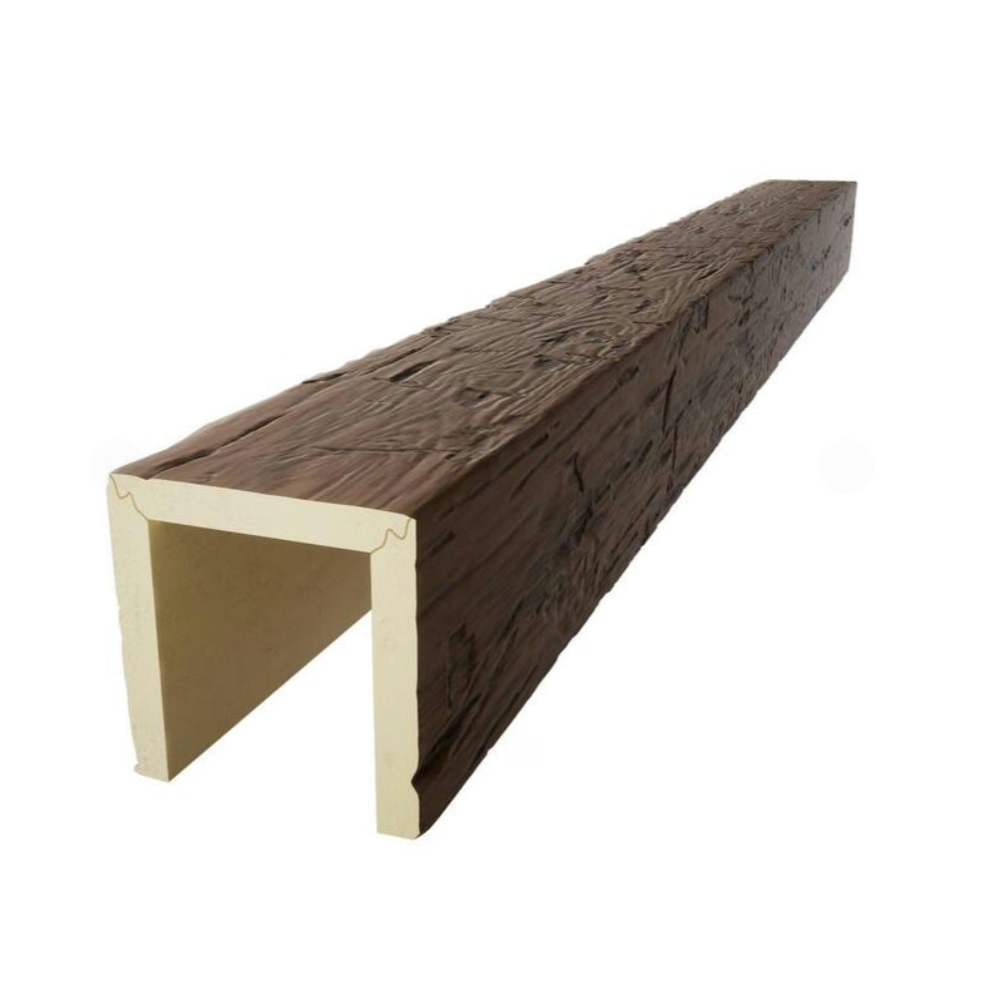
Polyurethane faux beams offer a fundamentally different proposition. Factory-finished surfaces resist the environmental factors that degrade genuine wood. Integral color eliminates the need for staining. Hard, non-porous surfaces don't require sealing. Stable polymer chemistry prevents the checking, splitting, and cracking that damages natural timber. The result is a ceiling feature that maintains its appearance with minimal intervention year after year.
Why Genuine Wood Requires Maintenance
Understanding why polyurethane requires so much less care starts with examining what maintenance genuine wood actually needs. Natural timber is a hygroscopic material—it absorbs and releases moisture constantly, responding to environmental humidity by swelling and shrinking. This movement creates stress that manifests as checks, splits, and gaps over time.
Beyond structural movement, wood surfaces face biological threats. Mold and mildew colonize damp wood. Insects bore through unprotected timber. Fungi cause rot in wet conditions. While treated lumber addresses some vulnerabilities, these treatments often contain chemicals that limit finishing options and environmental compatibility.
UV radiation damages wood surfaces by breaking down lignin, the natural adhesive holding wood fibers together. This degradation appears as graying, surface erosion, and chalky deposits. The protective coatings meant to prevent this damage themselves degrade over time, requiring stripping and reapplication to maintain protection.
Each of these maintenance requirements represents recurring cost and effort. Staining every few years, sealing annually, inspecting for damage seasonally—these activities consume time that most homeowners and property managers would rather spend elsewhere. Polyurethane eliminates most of this maintenance burden through fundamental material advantages.
PU Surface Technology
Factory-applied finishes on quality polyurethane beams incorporate multiple protective layers working together. The base coat seals the polymer surface, creating a barrier against moisture penetration. Subsequent layers build color depth and surface protection. The top coat provides UV resistance and physical durability that stands up to routine cleaning and environmental exposure.
This integrated finish system applies under controlled factory conditions that field finishing cannot match. Consistent temperature, controlled dust levels, proper surface preparation, and precise application thickness all contribute to a finish quality that simply cannot be achieved on a job site. The result is a more durable, consistent appearance that maintains its quality longer.
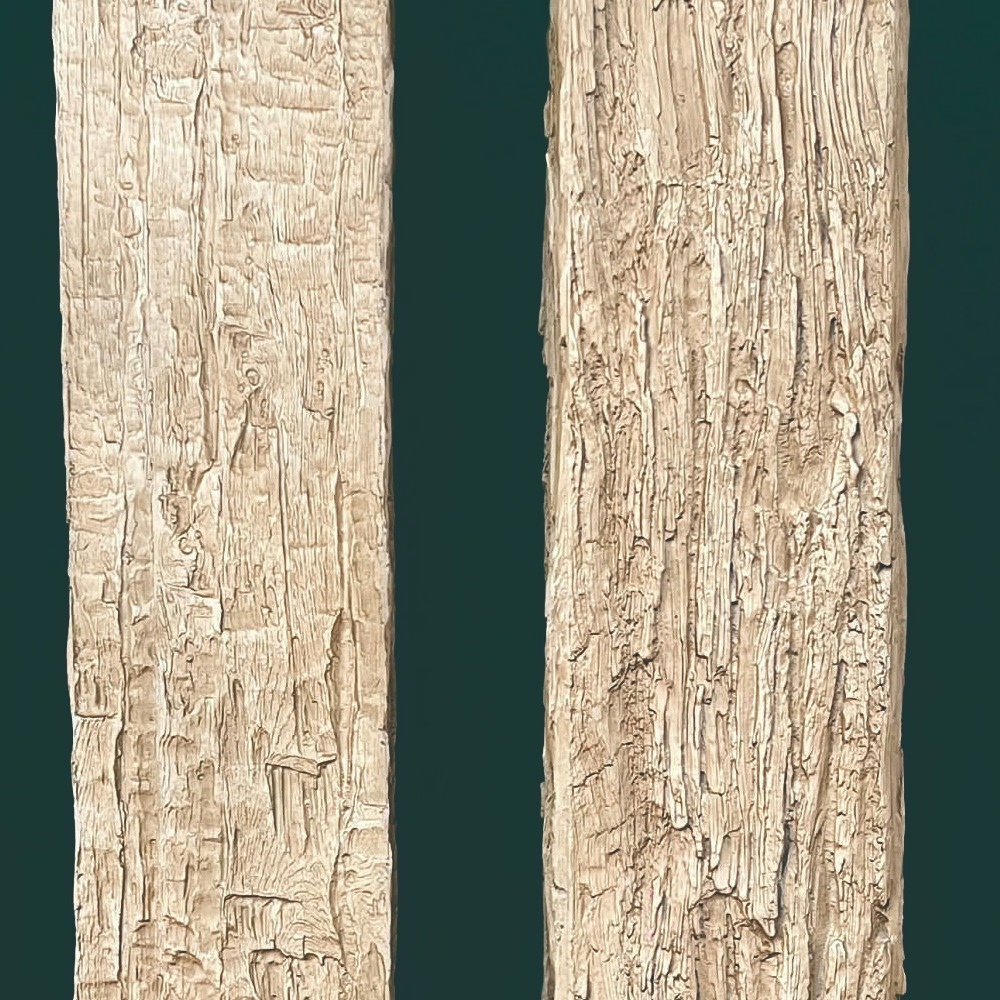
Color in quality polyurethane beams isn't merely surface applied—it's integrated throughout the material. Even if surface scratching occurs, the underlying color matches closely enough that minor damage becomes nearly invisible. Deep scratches in genuine wood reveal raw timber completely different from the surface finish, demanding immediate repair.

Cleaning and Care Requirements
Most polyurethane beam installations require only occasional dusting or light cleaning to maintain their appearance. A soft brush attachment on a vacuum cleaner removes accumulated dust without damaging surfaces. Damp wiping with mild soap solution addresses more stubborn accumulations—cobwebs, cooking grease drift, or similar contaminants.
The non-porous surface means that spills and stains don't penetrate the material. Liquid splashed on a polyurethane beam beads on the surface and wipes away cleanly. This resistance to staining proves particularly valuable in kitchens, above bars, or in other locations where genuine wood would absorb spills and develop discoloration over time.
Cleaning frequency depends entirely on environment. A beam ceiling in a sealed, climate-controlled office might need dusting only twice yearly. A kitchen installation above a cooking area might benefit from monthly cleaning. Either way, the cleaning process takes minutes rather than the hours that maintaining genuine wood would require.
Long-Term Appearance Maintenance
Beyond routine cleaning, polyurethane beams require virtually no ongoing maintenance. There is no finish to fail and require reapplication. No sealer to break down and leave wood vulnerable. No surface damage to repair before it worsens. This absence of maintenance requirements translates directly into cost savings over the beam's service life.
Genuine wood beams might require refinishing every three to seven years, depending on exposure and finish quality. Each refinishing involves sanding to remove old finish, staining to restore color, sealing to protect the surface, and curing time before the beams can be used. The labor and material costs for this work easily exceed the initial premium for polyurethane beams within just a few years.
Warranty coverage for quality polyurethane beams typically extends five years or more against finish failure, color change, and structural defects. These warranties provide peace of mind while confirming manufacturer confidence in their low-maintenance performance. Genuine wood rarely receives such warranties because the material's inherent maintenance requirements make them impractical.
Commercial and Rental Applications
Property managers particularly appreciate low-maintenance ceiling features. Rental units see higher turnover and less-careful treatment than owner-occupied homes. Commercial spaces experience heavier use and less individual attention than residential installations. Polyurethane beams in these applications maintain attractive appearance despite reduced maintenance attention.
Hospitality properties benefit from products that survive housekeeping priorities that might not include detailed ceiling care. Restaurant installations remain attractive despite kitchen grease and dining room activity. Office building beams maintain appearance despite minimal janitorial attention to overhead features.
These applications demonstrate polyurethane's practical advantages beyond aesthetics. When a ceiling feature requires no maintenance attention to look good, property managers can allocate their limited maintenance resources elsewhere. When turnover brings new occupants who might not know how to care for wood properly, polyurethane beams remain forgiving of ignorance or neglect.
The Total Cost Perspective
Comparing maintenance requirements reveals polyurethane's economic advantages. While initial costs may exceed those of natural wood, the elimination of ongoing maintenance expenses makes the total cost of ownership favor polyurethane over realistic time horizons. Finishing costs, repair costs, cleaning supplies, and the implicit value of maintenance time all favor the low-maintenance alternative.
For commercial applications where maintenance labor has explicit dollar costs, this comparison becomes straightforward. Maintenance staff hours spent caring for wood beams represent costs that simply disappear with polyurethane. The calculation becomes even more favorable when considering that maintenance neglected on real wood causes damage that compounds over time.
Technical References
ASTM standards cited in every specification
Test Data
Lab results from internal testing program
Updated 2026
Reviewed against current product specs