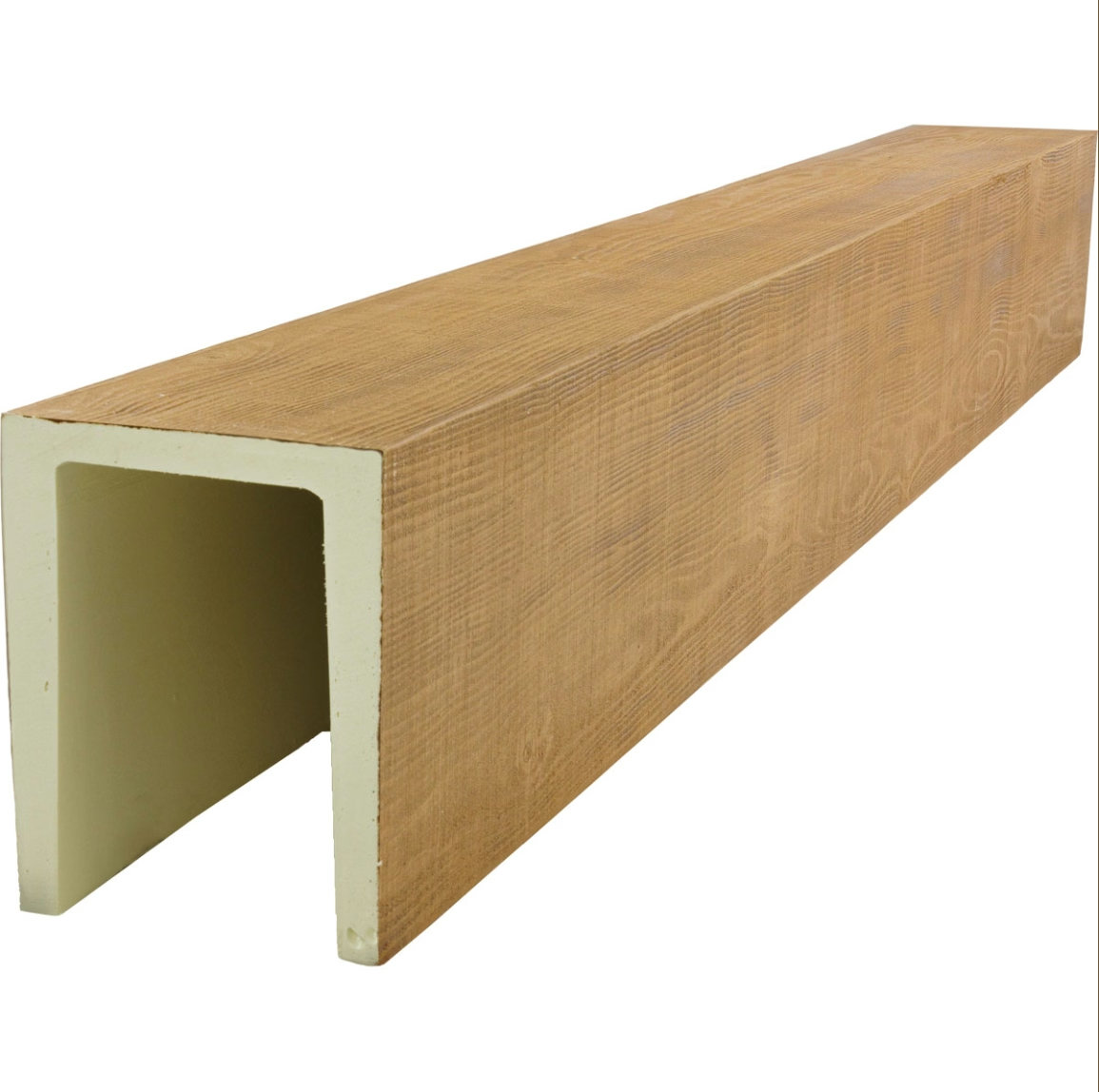
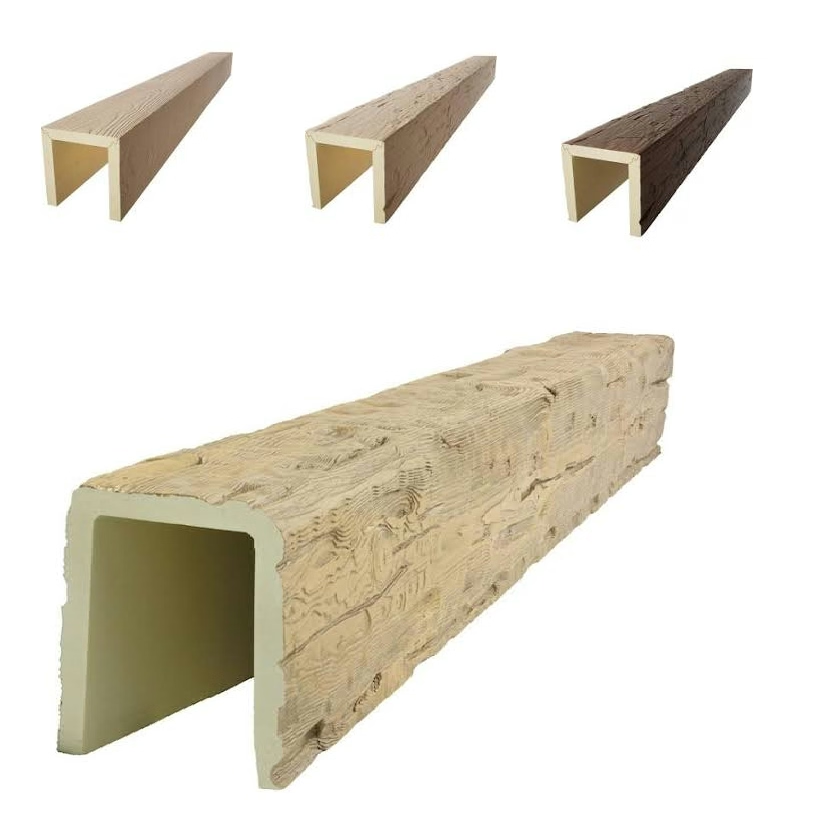
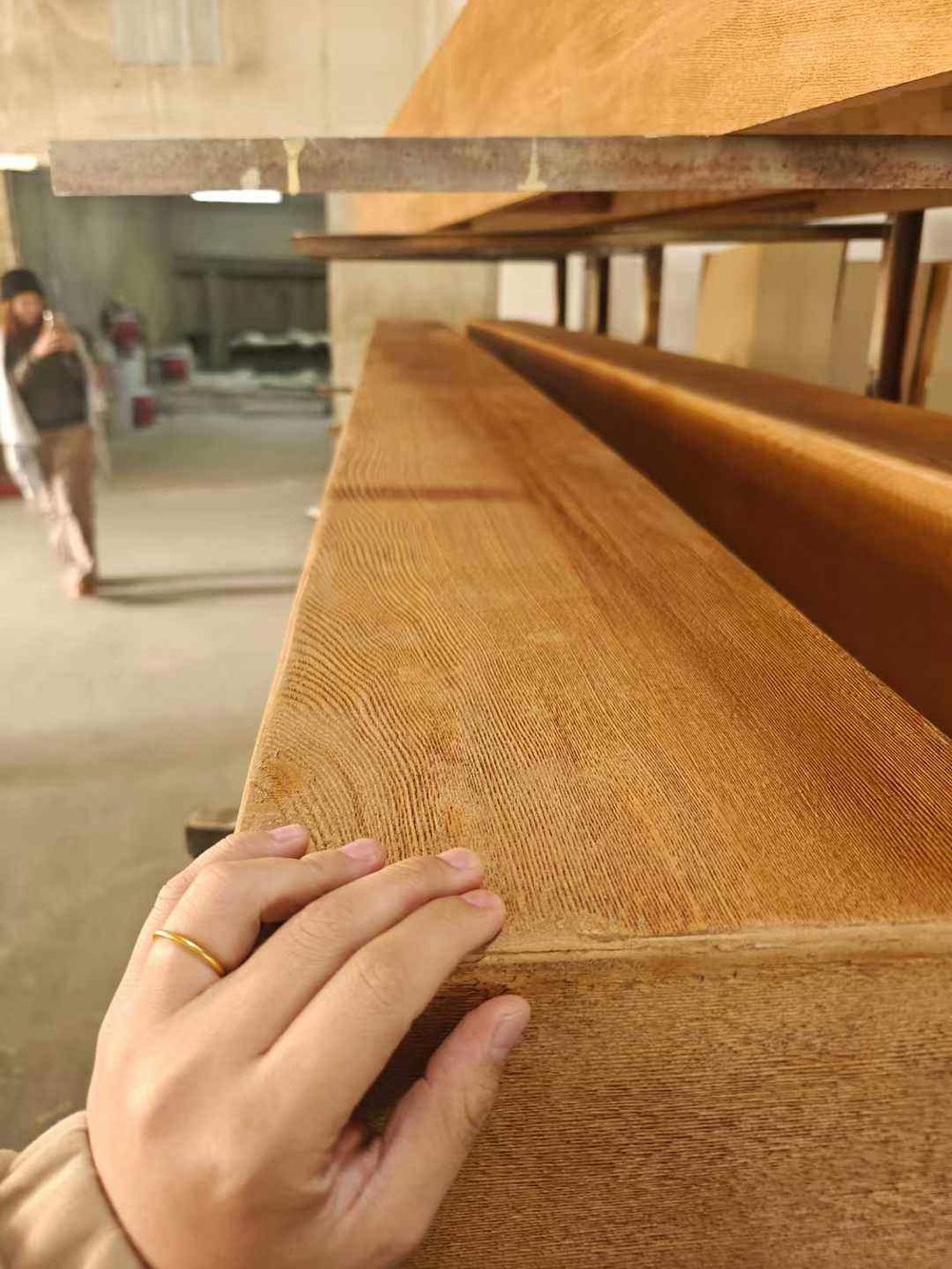
Outdoor spaces present demanding conditions that limit material options severely. Moisture, UV radiation, temperature extremes, and biological threats combine to degrade most materials over time. Natural wood, despite its aesthetic appeal, faces particular challenges in exterior applications—rotting, checking, insect damage, and surface degradation eventually compromise even well-maintained timber. These realities have traditionally limited wood beam use to protected exterior locations or excluded it entirely.
Weatherproof polyurethane faux timber beams change this calculus fundamentally. By replacing organic wood material with stable polymer chemistry, these products eliminate the degradation mechanisms that limit natural timber in exterior conditions. The wood-like appearance remains while the vulnerability disappears. Outdoor installations that would destroy genuine timber thrive with polyurethane faux timber.
Understanding Exterior Exposure Challenges
Moisture represents the primary threat to exterior wood. Rain, humidity, and condensation penetrate wood fibers, promoting rot and encouraging biological colonization. Freeze-thaw cycles expand and contract moisture within wood cells, creating the checking and splitting that eventually destroys structural integrity. These moisture effects compound over years until maintenance can no longer keep pace with deterioration.
UV radiation breaks down wood surfaces through photochemical degradation. Lignin—the natural adhesive binding wood fibers—absorbs UV energy and fails, releasing fibers that wash or wear away. This degradation manifests as graying, surface erosion, and the chalky appearance of weathered wood. While some appreciate this weathered character in genuine timber, it represents progressive surface loss that eventually requires refinishing.
Temperature extremes create physical stresses that affect all materials. The expansion and contraction of thermal cycling builds fatigue in materials unable to accommodate movement gracefully. Wood's cellular structure provides some accommodation, but repeated cycling eventually manifests as cracking, splitting, and structural failure.
PU Resin Weather Resistance
Polyurethane's molecular structure provides inherent resistance to moisture penetration. The closed-cell structure of quality formulations prevents water infiltration that would promote rot or biological growth. This moisture resistance remains stable across temperature ranges and prolonged exposure periods that would degrade natural materials.
UV resistance in exterior-grade polyurethane comes from integrated stabilizer packages. Hindered amine light stabilizers intercept UV energy before it damages polymer chains. UV-absorbing compounds convert harmful radiation to harmless heat. Together, these stabilizers prevent the surface degradation that limits natural timber in sunny locations.
Physical property stability across temperature ranges enables exterior performance. Quality polyurethane maintains strength, shape, and surface integrity through freeze-thaw cycles that crack and split natural wood. This thermal stability proves particularly valuable in climates with significant seasonal temperature variation.

Application Opportunities
Covered porches and patios represent ideal applications for exterior faux timber beams. These semi-protected spaces benefit from wood aesthetics while experiencing conditions harsh enough to damage genuine timber. Beams under covered structures receive less direct rain exposure while still facing humidity, temperature variation, and UV radiation that affect protected installations differently.
Pool house and cabana installations benefit from weatherproof materials. The combination of high humidity, chemical exposure from pool water, and frequent cleaning makes these environments particularly challenging for natural materials. Polyurethane faux timber maintains appearance despite these conditions that would quickly degrade genuine wood.
Outdoor kitchen structures present similar challenges. Cooking operations generate grease, moisture, and temperature variation. Cleaning frequency may be high. The covered structures where beams typically install still face environmental exposure during ventilation and through gaps in coverage. Weatherproof materials handle these conditions without the deterioration that natural wood would experience.
Installation Considerations for Exterior Use
Structural support must accommodate full environmental loads even if the beams themselves resist degradation. Fasteners and mounting hardware should be exterior-grade materials—stainless steel or coated steel that resists corrosion. The connections between beams and supports should permit some movement while maintaining secure attachment.
Ventilation around beams promotes drying and prevents moisture accumulation that might affect mounting structures even if beams resist damage themselves. Adequate airflow through beam installations prevents the stagnant humidity that promotes corrosion or biological growth in adjacent materials.
Expansion accommodation matters for longer beam runs. Temperature changes cause dimensional variation that might stress connections or create visible movement. Flexible mounting systems that accommodate this movement prevent the buckling or pulling that rigid attachment might experience.
Maintenance Requirements
While weatherproof polyurethane beams require far less maintenance than genuine timber, some care extends their service life further. Periodic cleaning removes accumulated dirt, pollen, and environmental contaminants that might affect surface appearance or promote surface degradation. A garden hose, soft brush, and mild detergent typically suffice.
Surface inspection identifies any developing issues before they worsen. Even quality materials can experience localized problems from unusual exposure or damage. Catching these issues early enables simple remedies; ignoring them allows progression that might require more significant intervention.
Hardware inspection should occur periodically. Fasteners may loosen over time due to thermal cycling or building movement. Tightening loose fasteners prevents the stress concentrations that might affect beam appearance or create safety concerns.
Performance Verification
Warranty coverage indicates manufacturer confidence in exterior performance. Beams warranted for outdoor use against fade, moisture damage, and surface degradation demonstrate engineering certainty about long-term performance. The warranty duration and coverage terms reveal how much confidence the warranty actually represents.
Accelerated weathering testing provides laboratory evidence of exterior durability. ASTM and similar standards establish protocols for exposing materials to intensified UV, moisture, and temperature conditions that simulate years of actual exposure. Results from such testing predict real-world performance better than marketing claims alone.
Field references from actual outdoor installations provide the most reliable performance evidence. Speaking with property owners whose beams have weathered multiple seasons reveals practical experience that laboratory testing cannot fully replicate. These references often prove most valuable when evaluating products for specific climate conditions similar to the planned installation.
Technical References
ASTM standards cited in every specification
Test Data
Lab results from internal testing program
Updated 2026
Reviewed against current product specs